The Thyroid-Hormone Connection: How to Keep Your Metabolism Balanced
23 December 2025
Let’s talk about one of the tiniest glands in your body that has a massive impact on how you feel every day. You know that friend who always seems to have endless energy, eats all the pizza, and somehow still has abs? Meanwhile, you’re sipping kale smoothies and wondering why the scale’s still rude. Well, say hello to your thyroid—it might just be the secret puppet master behind the curtain of your metabolism.
In this article, we’re going to break down the thyroid-hormone connection in a way that makes sense (and isn’t boring). You'll learn what your thyroid does, how it affects your metabolism, the signs something might be off, and what you can do to keep it in check.
Grab some green tea (or donut—I’m not here to judge). Let’s dive in.
☀️ What is the Thyroid, Anyway?
Imagine a butterfly sitting at the base of your neck—adorable, right? That’s basically your thyroid gland. It’s small, shaped like a butterfly, and located just in front of your windpipe.But don’t let its size fool you. This little powerhouse produces hormones that control your metabolism. I’m talking about how your body uses energy, maintains your weight, regulates your heartbeat, and even keeps your mood in check. It’s kind of like the thermostat of your body—too high or too low and things get weird.
🔁 Meet the Hormones: T3 and T4
The thyroid pumps out two main hormones:- Triiodothyronine (T3)
- Thyroxine (T4)
These aren’t just fancy science words you heard in school and forgot about. T3 and T4 are the chemical messengers that travel through your bloodstream and tell your organs how fast or slow to work. Think of them as the emails your boss sends out—only these ones control your heartbeat, digestion, temperature, and metabolism.
Your body also makes TSH (Thyroid Stimulating Hormone) via the pituitary gland, which acts like the boss of the thyroid gland. If hormone levels are too low, TSH shouts, “Hey, thyroid! Pick up the pace!” and vice versa.
🧠 So… What’s the Metabolism Connection?
You know metabolism as the magical process that helps you burn calories, but it’s actually the sum of all chemical reactions in your body that keep you alive and kickin’. That includes converting food to energy, building and repairing tissues, and cleaning up waste.Your thyroid hormones basically decide how “fast” or “slow” your body runs:
- Too much thyroid hormone = overactive metabolism (a.k.a. hyperthyroidism)
- Too little thyroid hormone = sluggish metabolism (a.k.a. hypothyroidism)
Either way, your body notices. And trust me, so will you.
🚩 Signs Your Thyroid is Acting Up
Your thyroid isn’t shy. When something is off, it sends you some not-so-subtle clues. Here’s what to keep an eye on:Hypothyroidism (Underactive Thyroid)
- Weight gain (even if you’re eating salads for days)- Feeling cold all the time
- Fatigue or brain fog
- Dry skin
- Slow heartbeat
- Depression or mood swings
- Constipation
Hyperthyroidism (Overactive Thyroid)
- Unexplained weight loss- Rapid or irregular heartbeat
- Anxiety or irritability
- Trouble sleeping
- Sweating (like, a lot)
- Shaky hands
- Frequent bowel movements
If anything on that list makes you go, “Wait, that’s me,” it might be time to have a little thyroid chat with your doctor.
🥗 How to Keep Your Thyroid—and Metabolism—Happy
Good news: you don’t have to memorize medical textbooks or go full-on nutrition guru to support your thyroid. Making a few smart lifestyle choices can go a long way.Let’s break it down:
1. Fuel Up with the Right Nutrients
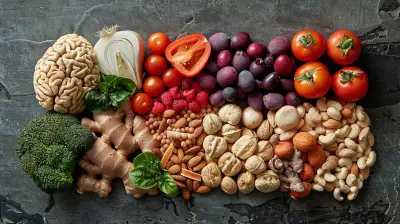
Your thyroid loves certain nutrients. Give it what it’s craving:- Iodine: Essential for hormone production. Think seaweed, iodized salt, dairy, and eggs.
- Selenium: Helps convert T4 to active T3. Brazil nuts, sunflower seeds, and mushrooms are winners here.
- Zinc: Keeps hormone production running smoothly. You’ll find it in beef, chickpeas, and cashews.
- Vitamin D: Low levels are linked to thyroid problems. Try fatty fish, egg yolks, or just catch some rays.
2. Eat Clean (Most of the Time)
Whole foods—for the win. Focus on:- Lean proteins (chicken, trout, turkey)
- Healthy fats (avocados, nuts, olive oil)
- Complex carbs (quinoa, oats, sweet potatoes)
- Tons of veggies (especially leafy greens and cruciferous veg like cauliflower and broccoli)
Minimize processed junk that messes with your hormones, like pastries, sugary drinks, and fried everything.
Bonus tip: If you have thyroid issues, talk to your doc before going full cauliflower-crazy. Some cruciferous veggies can interfere with your thyroid if eaten in huge amounts raw.
3. Quit the Toxic Relationship with Stress
Ever notice how your whole body falls apart when you’re stressed? Yeah, your thyroid feels it too.Chronic stress raises cortisol (your stress hormone), which can throw off your thyroid hormone balance. It’s like your body’s trying to juggle flaming swords and someone added a bowling ball.
Try these:
- Meditate (even 5 minutes helps)
- Get enough sleep (aim for 7–8 hours)
- Exercise (but don’t overdo it)
- Journal or talk to someone (yes, venting counts!)
4. Move Your Body—Without Burning Out
Exercise is fantastic for thyroid health and metabolism, but don’t underestimate the power of moderate workouts. We’re not talking CrossFit seven days a week.Instead, focus on:
- Walking
- Yoga or Pilates
- Strength training
- Swimming
If you’re already struggling with low energy, pushing too hard can backfire. Think gentle but consistent.
5. Go Easy on the “Detoxes” and Juice Cleanses
Spoiler alert: your organs already know how to detox. Juice cleanses might look cool on Instagram, but starving yourself of essential nutrients can tank your thyroid health and metabolism.Focus on steady, balanced nutrition instead of extremes. Your thyroid hates yo-yo diets and sudden calorie drops. It’s like trying to drive a car with only a teaspoon of gas in the tank. Not smart.
💊 When to Consider Supplements or Medication
Sometimes, despite your best green-smoothie efforts, your thyroid still needs backup. And that’s okay.If blood work shows your hormone levels are out of whack, your doc may recommend thyroid hormone replacement (like levothyroxine) or other treatments. Don’t self-diagnose or hop on supplements without medical advice—it’s not a “more is better” situation.
Always work with a healthcare provider who understands how to test and interpret thyroid function properly.
🩺 Should You Get Your Thyroid Checked?
If you’re experiencing thyroid symptoms—or just feeling “off” and can’t figure out why—it’s worth asking your doctor about a thyroid panel. Simple blood tests can reveal a lot about what’s going on behind the scenes.Tests to ask for:
- TSH (Thyroid Stimulating Hormone)
- Free T3
- Free T4
- Reverse T3 (sometimes)
- Thyroid antibodies (if autoimmune conditions are suspected)
Pro tip: Make sure your provider looks at the free versions of T3 and T4, not just the total levels. Those provide a clearer picture of what your body can actually use.
🍳 Everyday Habits That Keep Thyroid Hormones in Balance
Let’s recap with a few thyroid-happy habits you can start today:- Use iodized salt (skip the trendy salt lamps for now)
- Eat a Brazil nut a day (just one has your selenium needs covered)
- Get moving daily (even a walk counts)
- Manage stress like a boss
- Sleep like it’s your job
- Avoid skipping meals
- Cut down on refined sugar
- Listen to your body (and trust your gut)
🧁 But What About “Cheat Days”?
Look, life’s too short to never eat birthday cake. A healthy metabolism and thyroid aren’t about being perfect 100% of the time. It’s about the pattern of your choices — not the occasional donut.Your thyroid isn’t here to punish you. It just wants balance. Treat it well, and it’ll return the favor.
☕ Final Thoughts: Love Your Thyroid, Love Your Life
So there you have it. That little butterfly-shaped gland in your neck is a big deal.When your thyroid hormones are in balance, your metabolism hums like a well-oiled machine. You have energy. Your weight is manageable. Your mood is stable. In short—you feel like you again.
The best part? You don’t need to become a biochemist to take care of it. Just treat your body with kindness, eat like you respect it, manage your stress, and don’t brush off weird symptoms.
Your thyroid’s been working hard for you—give it a little love in return.
all images in this post were generated using AI tools
Category:
Hormonal BalanceAuthor:

Angelo McGillivray
Discussion
rate this article
2 comments
Julianne McMillen
Empower yourself with knowledge for vibrant health!
January 23, 2026 at 4:36 AM
Angelo McGillivray
Absolutely! Knowledge is key to understanding how thyroid health impacts metabolism. Let's dive in!
Cadence Lane
Thank you for this informative article! The insights on the thyroid-hormone connection and its impact on metabolism are incredibly helpful. I'm eager to explore the suggested tips for maintaining balance and overall health.
December 27, 2025 at 5:07 AM
Angelo McGillivray
Thank you for your kind words! I'm glad you found the article helpful and insightful. Happy exploring!