Top Exercise Routines to Transform Your Body by 2026
16 April 2026
Let’s be brutally honest for a second. The fitness landscape is a noisy, confusing place. One day it’s all about a secret berry from the Amazon, the next it’s a 2-minute workout that promises six-pack abs. It’s exhausting. But what if I told you that transforming your body by 2026 isn’t about chasing fads? It’s about embracing proven, adaptable, and intelligent exercise philosophies that stand the test of time—and science.
Forget quick fixes. By 2026, the most transformed bodies won’t belong to those who followed the trendiest TikTok workout, but to those who built a sustainable, strategic foundation. This is your blueprint. We’re diving deep into the routines that build resilience, forge strength, and sculpt a physique that’s not just for show, but for life. Ready to leave the confusion behind? Let’s build your future body.
The 2026 Fitness Mindset: Beyond Aesthetics to Holistic Strength
Before we jump into sets and reps, we need to shift your mindset. Think of your body not as a statue to be carved, but as a high-performance vehicle. You wouldn’t just polish the hood and ignore the engine, right? The transformation we’re after is holistic. It’s about how you move, how you feel, how you recover, and yes, how you look. It’s the confidence that comes from knowing you can lift a heavy suitcase, sprint for a bus, play with your kids without getting winded, and feel great in your own skin.This 2026 approach is rooted in functional longevity. It’s asking, “Will this exercise serve me in 5, 10, 20 years?” The routines ahead are designed with that very question in mind. They build a body that’s not just photogenic for a moment, but capable and resilient for a lifetime. So, let’s stop working out just to burn calories. Let’s start training to build a better, more capable you.
The Foundational Pillar: Compound Strength Training
If there’s one non-negotiable, one cornerstone that every transformative plan must rest upon, it’s compound strength training. This is your bedrock. Imagine building a house. You start with the deepest, strongest pillars. Compound movements are those pillars.Why Compounds Are Non-Negotiable
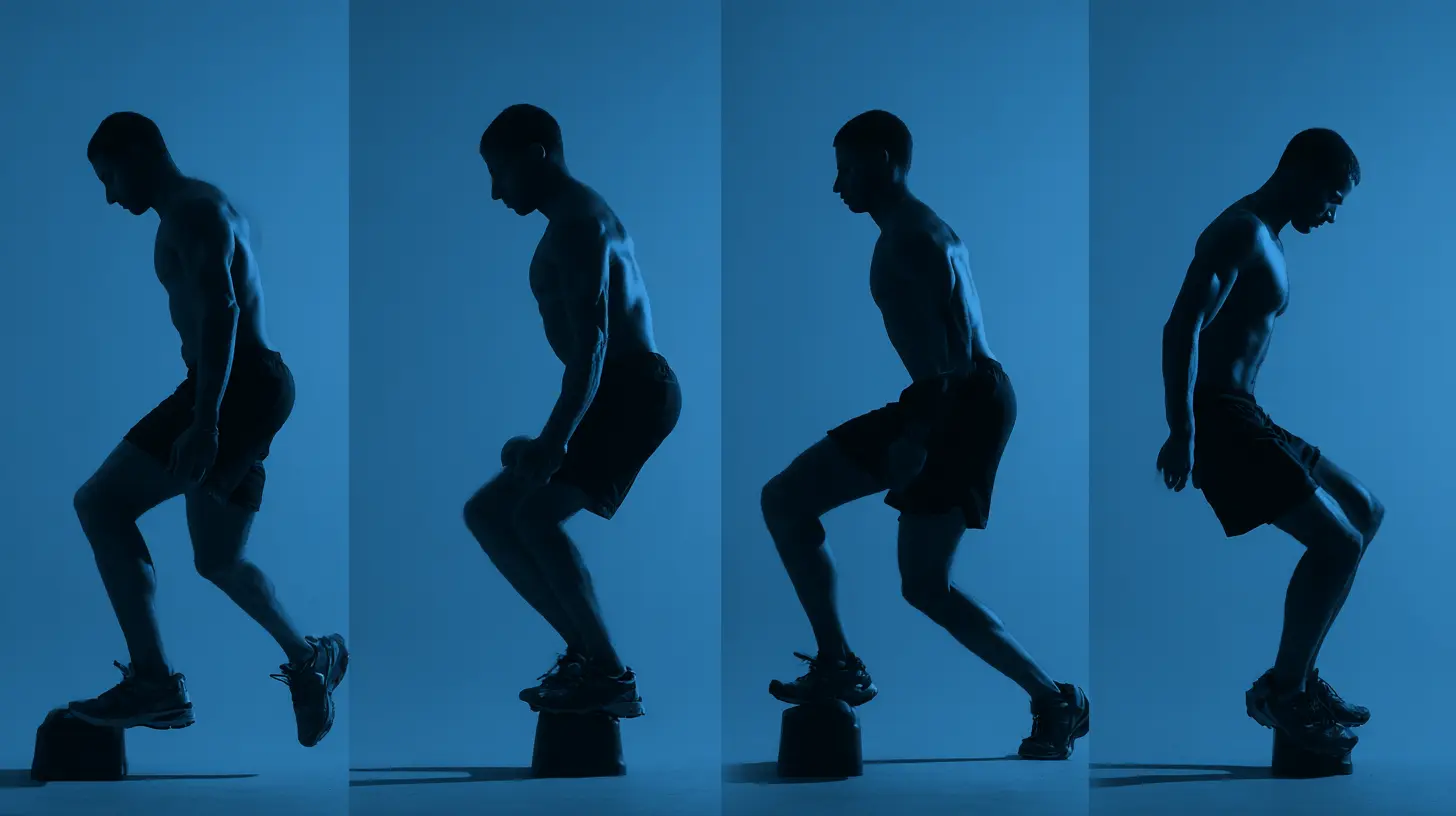
Compound exercises are multi-joint movements that recruit massive amounts of muscle fiber. We’re talking squats, deadlifts, bench presses, rows, and overhead presses. Why are they so powerful? They work your body as the integrated system it is. A squat doesn’t just build quads; it fires up your glutes, hamstrings, core, and even your back. It teaches your muscles to communicate. It releases a torrent of anabolic hormones like testosterone and growth hormone, creating a body-wide environment for growth and fat loss. In essence, you get more bang for your buck—more muscle engagement, more calorie burn, more functional strength—in less time.Your Strength Blueprint
You don’t need to live in the gym. Three to four sessions a week is the sweet spot. A simple, brutally effective split could look like this:* Day 1: Lower Body Power – Barbell Back Squats, Romanian Deadlifts, Walking Lunges.
* Day 2: Upper Body Push/Pull – Barbell Bench Press, Bent-Over Rows, Overhead Press, Pull-Ups (or Lat Pulldowns).
* Day 3: Full Body & Core – Deadlifts, Push-Ups, Plank Variations, Farmer’s Walks.
Focus on progressive overload—the gradual increase of stress on your body. That means adding a little more weight, or doing one more rep, over time. It’s not flashy, but it’s the engine of transformation. Think of it like saving money. Each workout, you’re depositing a little more strength into your physiological bank account. By 2026, you’ll be a millionaire.
The Metabolic Igniter: High-Intensity Interval Training (HIIT) Evolved
Cardio has an image problem. Many see it as a monotonous, time-sucking chore on the treadmill. Enter HIIT, but we’re evolving it for 2026. This isn’t just random bursts of effort; it’s strategic metabolic conditioning.The Afterburn Effect (EPOC)
Here’s the magic: HIIT creates what’s called Excess Post-Exercise Oxygen Consumption (EPOC), or the “afterburn.” After a intense HIIT session, your body is like a car engine that’s been driven hard—it takes hours to cool down and return to its resting state. During this “cool down” period, your metabolism is elevated, and you burn more calories at rest. It’s like getting paid for a day’s work long after you’ve clocked out.Smarter HIIT Protocols for 2026
Forget just sprinting and walking. Let’s integrate:* Strength-Based HIIT: Combine a compound movement with a cardio burst. Example: 5 Kettlebell Swings followed immediately by 30 seconds of max-effort rowing. Rest 90 seconds. Repeat.
* Variable-Sprint Intervals: On a bike or rower, alternate between 20 seconds of an all-out sprint and 40 seconds of very slow, active recovery. The contrast is key.
* The 20-Minute Sweet Spot: A well-structured 20-minute HIIT session, performed 1-2 times per week on non-strength days, will torch fat and boost cardiovascular health without eating into your recovery or muscle-building efforts. It’s efficient and devastatingly effective.

The Unsung Hero: Mobility & Movement Flow
This is where most people fail. They build strength and engine power but neglect the very thing that allows them to move well: their mobility. If strength training is building the engine, and HIIT is the turbocharger, then mobility is the premium oil and sophisticated suspension system. Without it, everything grinds, creaks, and eventually breaks down.More Than Just Stretching
Mobility is the active, controlled range of motion around a joint. It’s strength at end-ranges. By 2026, the most impressive physiques will be those attached to bodies that can move with grace and power. Incorporating a 10-15 minute daily mobility routine, or dedicating one full session a week to movement flow (think yoga, animal flows, or dynamic stretching), is non-negotiable.Sample Mobility Must-Dos
* Deep Squat Holds: 2 minutes total per day. This resets your hips, ankles, and spine.* Cat-Cow to Thoracic Rotations: Unlocks a stiff spine for better presses and pulls.
* Hip CARs (Controlled Articular Rotations): The ultimate joint health practice for your hips.
This work prevents injury, improves performance in your other routines, and ensures that the body you’re transforming is also a joy to live in. You’ll feel better, move better, and yes, even look better as your posture improves.
The Synergy Secret: Blending the Modalities
Now, here’s how you make it all sing together. You don’t just do these things in isolation. The transformation happens in the synergy. A sample week for a balanced, transformative approach could look like this:* Monday: Compound Strength (Lower Body Focus)
* Tuesday: Mobility Flow Session (30-45 mins) + Light Cardio (e.g., brisk walk)
* Wednesday: Compound Strength (Upper Body Focus)
* Thursday: HIIT Session (20 mins max effort)
* Friday: Compound Strength (Full Body Focus)
* Saturday: Active Recovery (Hike, sports, long mobility session)
* Sunday: Total Rest & Recovery
See the rhythm? Stress, recover, adapt. It’s a dance between building and healing. This balanced approach ensures you’re not overtraining one system, you’re recovering properly, and you’re consistently nudging your body toward adaptation—which is just a fancy word for transformation.
Your Nutrition: The Fuel for the Transformation
You can’t out-train a poor diet. It’s the oldest cliché in the book because it’s the truest. Think of your body as a construction site. Exercise is the blueprint and the workers. Nutrition is the raw materials—the bricks, mortar, and steel. You wouldn’t build your dream house with mud and sticks, so don’t build your 2026 body with processed junk.Focus on whole, single-ingredient foods 80-90% of the time. Prioritize protein to repair and build muscle (chicken, fish, eggs, legumes, tofu), include healthy fats for hormone function (avocados, nuts, olive oil), and choose complex carbohydrates for energy (oats, sweet potatoes, quinoa, berries). Hydrate like it’s your job. This isn’t a restrictive diet; it’s strategic fueling. It’s giving your body the premium materials it needs to execute the blueprint you’re following in the gym.
The 2026 Edge: Embracing Technology & Personalization
Finally, the tools we have at our disposal are getting smarter. Use them! A simple fitness tracker can ensure you’re recovering (by monitoring sleep and resting heart rate). Apps can help you log your progressive overload. Online programs can provide expert guidance. But remember, these are tools, not masters. The core principles—strength, intensity, mobility, recovery, nutrition—remain unchanged. Use technology to execute them better, not to distract you from them.The Call to Action: Start Your Evolution Today
Transformation by 2026 isn’t a distant dream; it’s a series of decisions you start making today. It’s choosing the squat rack over the leg extension machine. It’s opting for a 20-minute focused HIIT session over a mindless hour on the elliptical. It’s spending 10 minutes mobilizing your hips while you watch TV.This is your path. It requires consistency, not perfection. There will be off days, skipped workouts, and pizza slices. That’s life. The goal is to get back on the path, again and again. Implement these pillars—strength, HIIT, mobility—with patience and effort. Fuel the machine smartly. Listen to your body.
The calendar will flip to 2026 regardless of what you do. The question is, what will your body look and feel like when it arrives? You have the blueprint. The only thing left to do is build.
all images in this post were generated using AI tools
Category:
Exercise RoutinesAuthor:

Angelo McGillivray
Discussion
rate this article
2 comments
Heidi Frye
Get ready to transform today!
April 20, 2026 at 3:28 PM
Angelo McGillivray
Absolutely! Excited to help you start your transformation journey!
Callisto McTavish
Get ready to sweat and shine—2026 is just around the corner!
April 18, 2026 at 5:02 PM
Angelo McGillivray
Absolutely! Excited for the journey ahead! Let's shine together! 💪✨