Understanding the Impact of Social Media on Mental Health
25 May 2026
Social media is everywhere. We wake up, check our phones, scroll through Instagram, like a few posts, and maybe even reply to a tweet before getting out of bed. It has become a huge part of our daily lives, shaping how we connect, communicate, and even view ourselves. But have you ever stopped to wonder how social media is affecting your mental health?
While it offers countless benefits—like staying connected with loved ones, networking, and even learning new things—it also has a darker side. Anxiety, depression, loneliness, and unhealthy comparisons are all too common in the digital world. Let’s break it down and really understand the impact of social media on mental health. 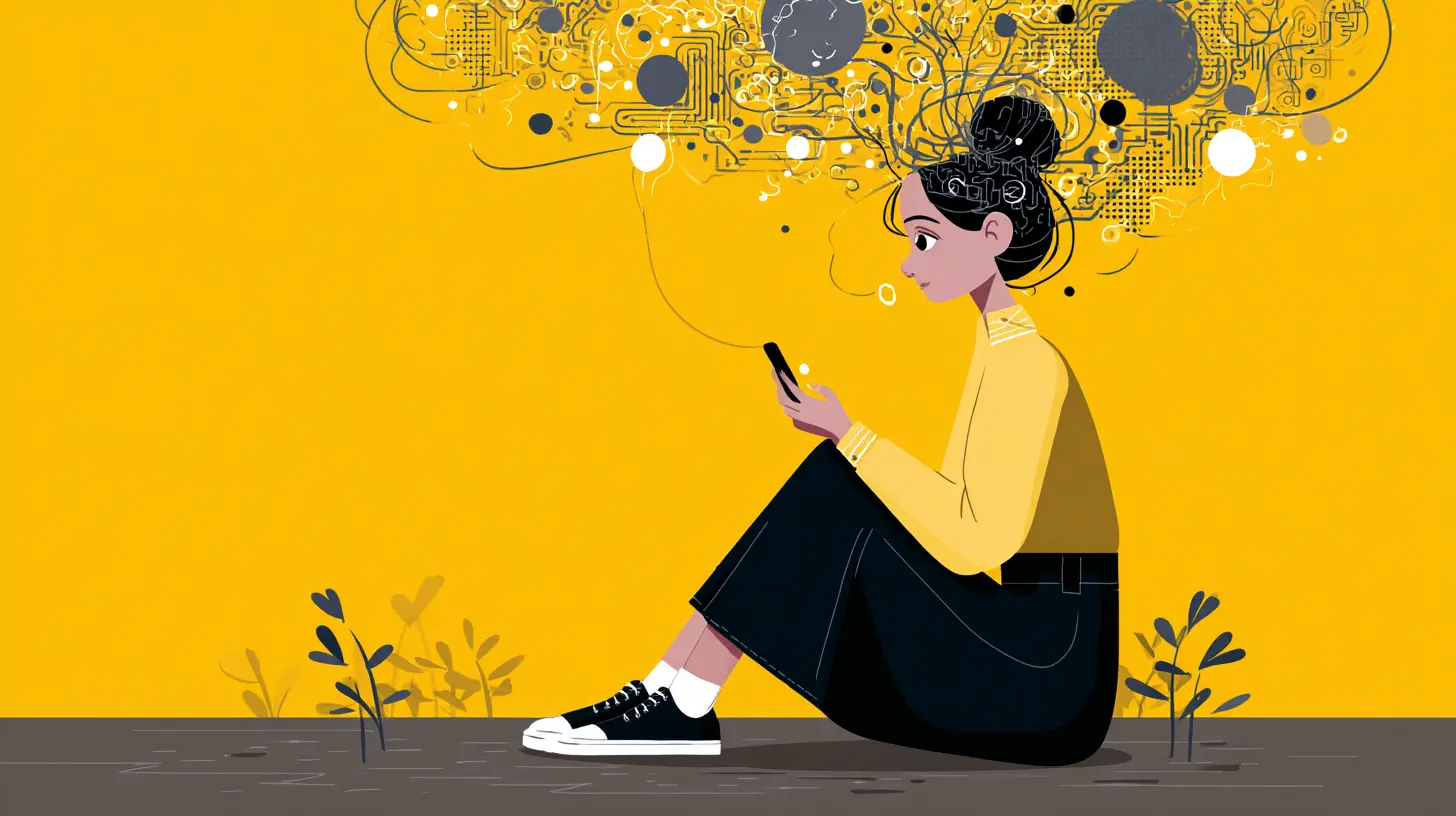
The Double-Edged Sword: Social Media’s Influence
Like most things, social media isn’t inherently bad. It has its pros and cons, and its effects depend on how we use it. While it can be a powerful tool for connection and self-expression, it can also lead to negative mental health outcomes if not used mindfully.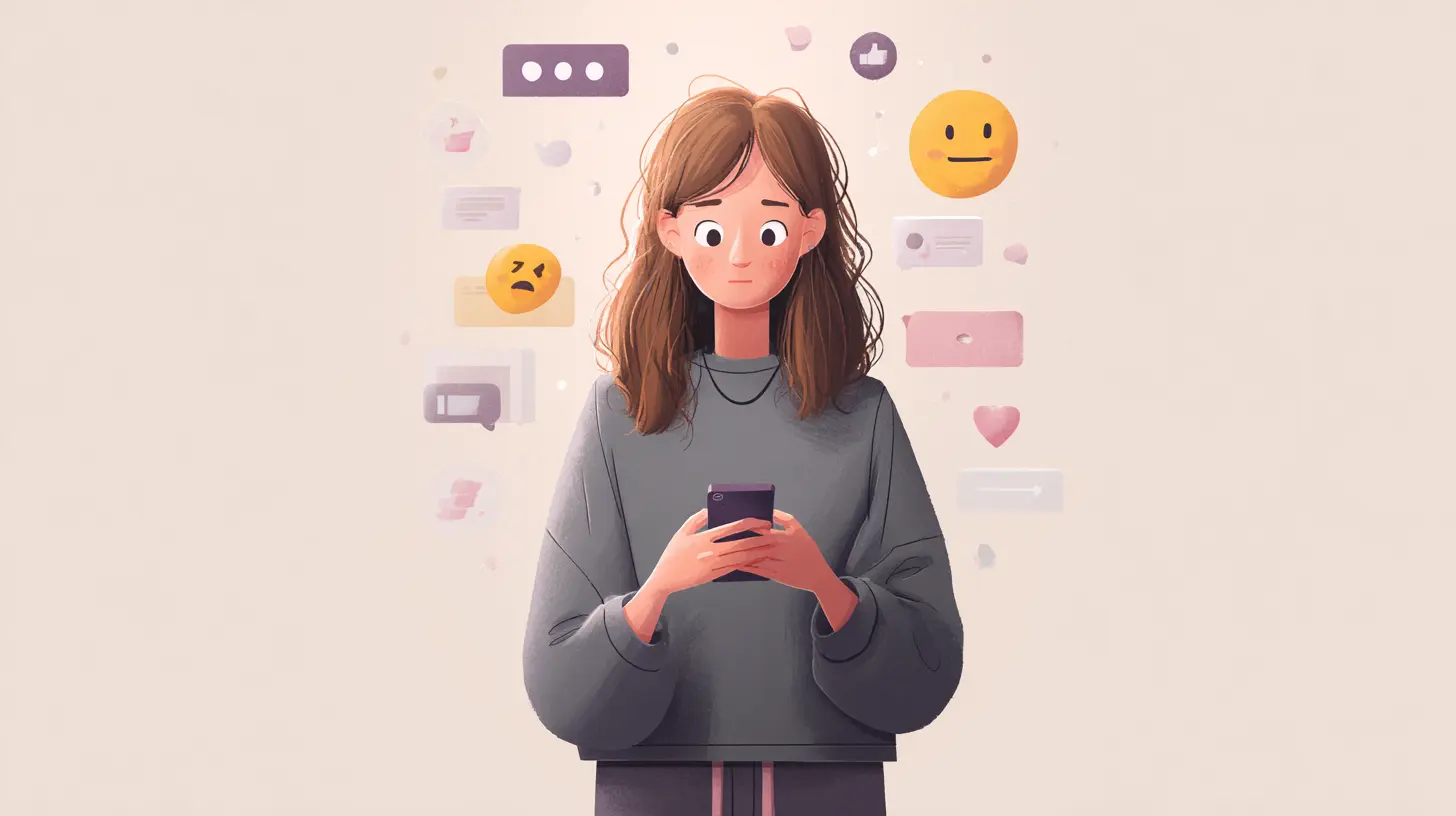
The Positive Effects of Social Media on Mental Health
Despite its bad reputation, social media has several mental health benefits when used correctly.1. Staying Connected
Social media bridges gaps, especially for those who live far away from family and friends. It allows people to maintain relationships, even at a distance. Whether it's sending a quick meme to a friend or video calling a loved one, social platforms help strengthen social bonds.2. A Sense of Community
For individuals struggling with mental health issues, social media can provide support systems. Online communities offer safe spaces where people can share their experiences and get advice from others who understand their struggles. There are countless forums, Facebook groups, and hashtags dedicated to mental health awareness and support.3. Access to Mental Health Resources
Social media has played a big role in spreading awareness about mental health. Experts, therapists, and advocates share valuable information, coping strategies, and encouraging words that can be helpful for those in need. Today, finding mental health advice is as simple as scrolling through your feed.4. Creative Expression and Self-Identity
Many people use social media as an outlet for creativity and self-expression. Whether through art, writing, photography, or even funny TikTok videos, platforms allow users to express themselves in ways that can boost self-esteem and emotional well-being.The Negative Effects of Social Media on Mental Health
Of course, it’s not all good. Social media also comes with several downsides—especially when used excessively.1. The Comparison Trap
Ever scrolled through Instagram and thought, "Wow, their life looks so much better than mine"? You’re not alone. Social media is a highlight reel, showing only the best moments of people’s lives—filtered, edited, and curated to perfection.Constantly comparing yourself to influencers, celebrities, or even friends can lead to feelings of inadequacy, low self-esteem, and even depression. It’s easy to forget that behind every “perfect” selfie or vacation picture is a reality that may not be as glamorous.
2. Increased Anxiety and Depression
Studies show that excessive social media use is linked to higher levels of anxiety and depression. The pressure to keep up, respond immediately, and maintain an online persona can be overwhelming. Not to mention, negative comments, cyberbullying, and online hate only add to the stress.3. Fear of Missing Out (FOMO)
Scrolling through endless posts of people going on amazing trips, hanging out with friends, or attending exciting events can trigger FOMO—the fear of missing out. It creates a feeling that everyone else is living their best life while you’re missing out on something fun or important. This constant fear can lead to stress, dissatisfaction, and even social isolation.4. Sleep Disruptions
Ever stayed up late scrolling through TikTok or watching YouTube videos? Social media is highly addictive, and using it right before bed can seriously disrupt your sleep. The blue light emitted from screens interferes with melatonin production, making it harder to fall asleep. Poor sleep is directly linked to increased anxiety, depression, and irritability.5. Reduced Attention Span and Productivity
Social media is designed to keep you hooked, making it harder to concentrate on tasks. With constant notifications, endless scrolling, and short-form content dominating platforms, our attention spans are shrinking. This can impact productivity, making it difficult to focus on work, studies, or even daily life activities.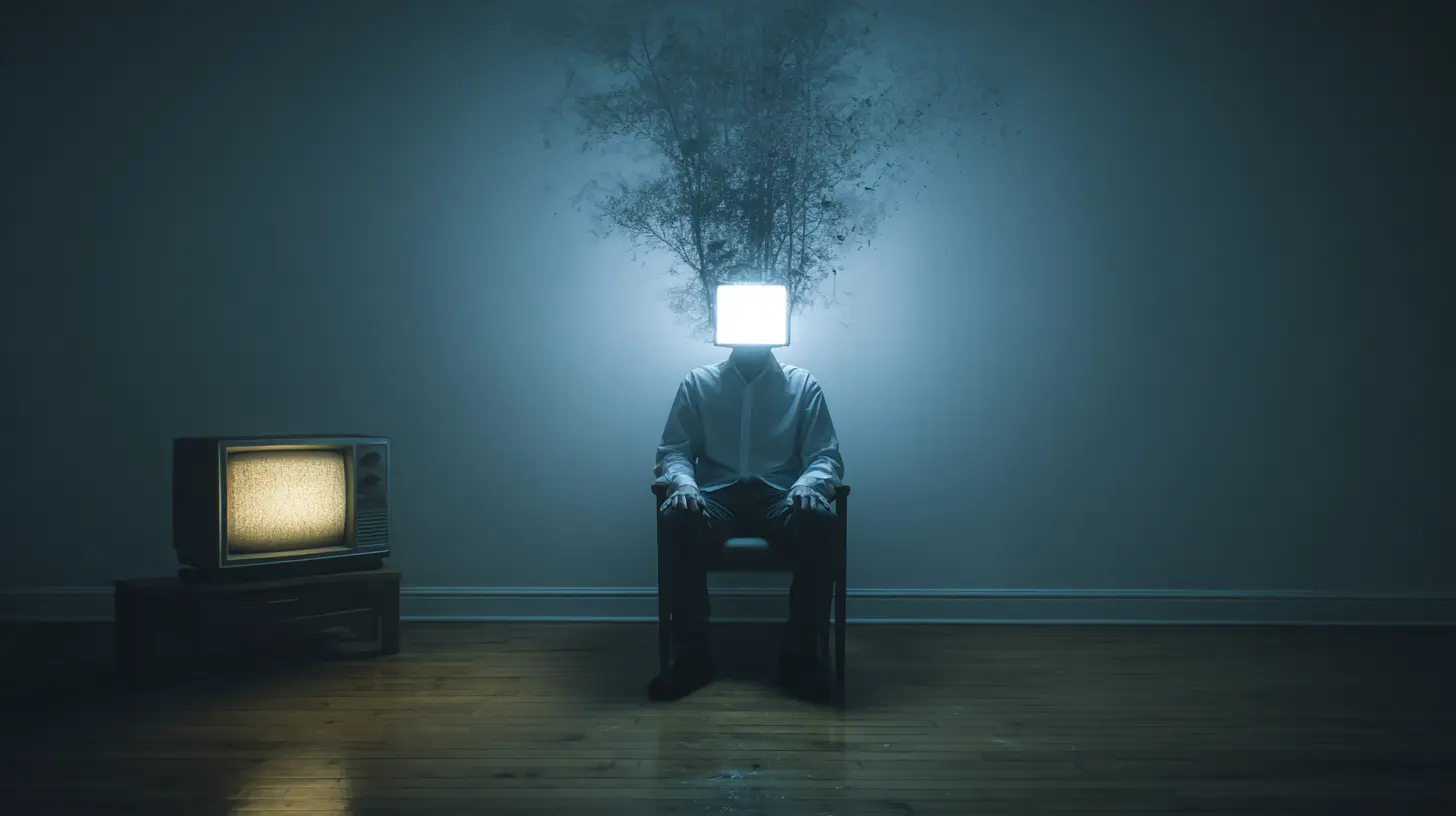
How to Use Social Media Mindfully
So, does this mean you should delete all your social media accounts and live off the grid? Not necessarily. Social media isn't the enemy—it’s how we use it that matters. Here are some ways to build a healthier relationship with social media.1. Set Time Limits
Apps like Instagram and TikTok now allow you to track your screen time and set daily limits. Use them! Try to reduce mindless scrolling and spend that time doing something offline, like reading, exercising, or spending time with loved ones.2. Curate Your Feed
Follow accounts that inspire and uplift you rather than those that make you feel inadequate. If an account makes you feel bad about yourself, unfollow or mute it. Social media should be a positive space, not a source of anxiety.3. Take Social Media Breaks
Consider taking regular breaks from social media to reset. Whether it’s a weekend detox or even just a few hours without scrolling, stepping away from the digital world can do wonders for your mental health.4. Engage with Real-life Connections
While online interactions are great, nothing beats face-to-face conversations. Make an effort to spend quality time with friends and family in the real world instead of relying solely on virtual connections.5. Be Mindful of Your Emotional Reactions
Pay attention to how social media makes you feel. If you notice that certain types of content make you anxious or sad, take a step back. It’s okay to log off and prioritize your mental well-being.6. Avoid Using Social Media Before Bed
Try to put your phone away at least an hour before bedtime. Instead, read a book, journal, or do a relaxing activity to wind down for the night. Better sleep leads to better mental health.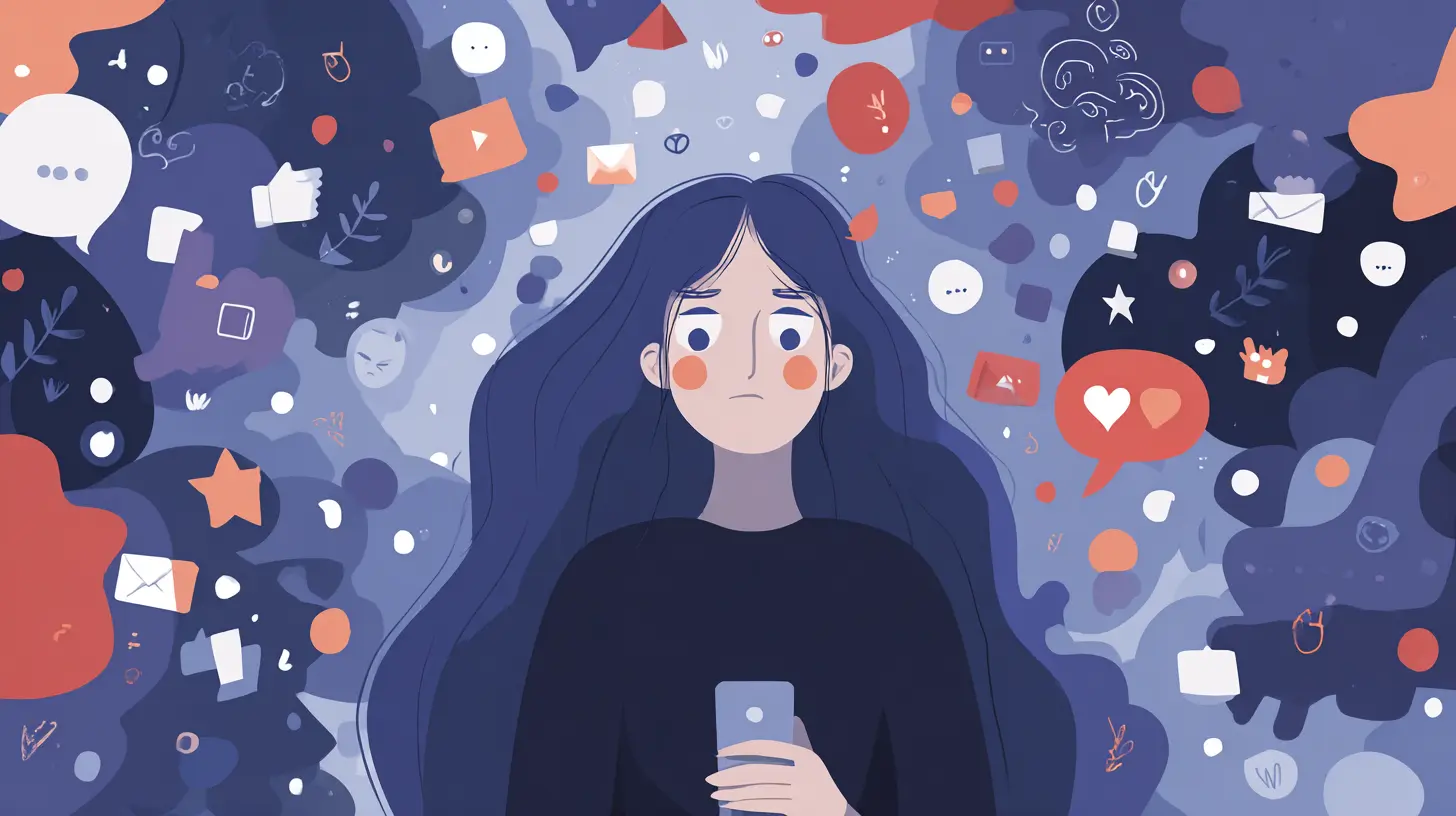
Final Thoughts
Social media is a powerful tool—it can either help or harm your mental health, depending on how you use it. While it provides connection, creativity, and access to valuable information, it also has the potential to trigger anxiety, depression, and unhealthy comparisons.The key is balance. By setting boundaries, curating your feed, and taking breaks when needed, you can enjoy the benefits of social media without letting it take over your mental well-being. Remember, you are more than your online presence, and prioritizing your mental health should always come first.
So, the next time you catch yourself endlessly scrolling, ask yourself: Is this serving me, or is it time to take a break?
all images in this post were generated using AI tools
Category:
Mental WellnessAuthor:

Angelo McGillivray
Discussion
rate this article
2 comments
Renee McNeely
This article highlights an important topic that many of us can relate to. It's crucial to be mindful of how social media affects our well-being. Thank you for shedding light on such a relevant issue for our times.
June 28, 2026 at 4:57 AM
Angelo McGillivray
Thank you for your thoughtful comment. I'm glad you found the topic relevant. Social media's impact on mental health is indeed significant and worth discussing.
Aisha Griffin
Social media can shape our mental health in powerful ways. By being mindful of our interactions and curating our feeds, we can create a positive space that fosters connection and well-being. Keep shining!
May 27, 2026 at 4:18 PM
Angelo McGillivray
Absolutely! Mindful interactions can really enhance our online experience and support our mental well-being. Thanks for highlighting that!