Understanding the Mind-Body Connection in Healing
11 December 2025
Have you ever been so stressed you got a headache? Or maybe you've felt physically drained during a tough emotional time? That’s not just coincidence—it's the mind-body connection hard at work. When it comes to healing, this connection is more powerful than most of us realize.
In this article, we’re diving deep into what the mind-body connection really means, how it affects your health, and how you can harness it to support your healing journey. So grab a cup of tea, settle in, and let’s talk about the magic that happens when your thoughts and your body work together.
What Is the Mind-Body Connection?
The mind-body connection is exactly what it sounds like: your thoughts, emotions, beliefs, and attitudes can positively or negatively affect your biological functioning. Meanwhile, what your body experiences can influence your mental state.It's not woo-woo stuff—it's science. Your brain and body are constantly talking to each other through nerves, hormones, and chemical messengers. Think of it like a two-way radio. If there’s static on one end, things can easily get out of sync.
Why Does It Matter in Healing?
When we talk about healing, we usually think of physical recovery—broken bones, illnesses, aches and pains. But healing isn’t just about the body. It's also about restoring balance emotionally and mentally.Ever notice how an optimistic mindset helps people recover faster? Or how chronic stress seems to lead to more colds and illnesses? That’s your mind and body playing tag—whatever one is feeling, the other catches.
So when we nurture both sides, healing becomes more holistic, more complete... and often, more sustainable.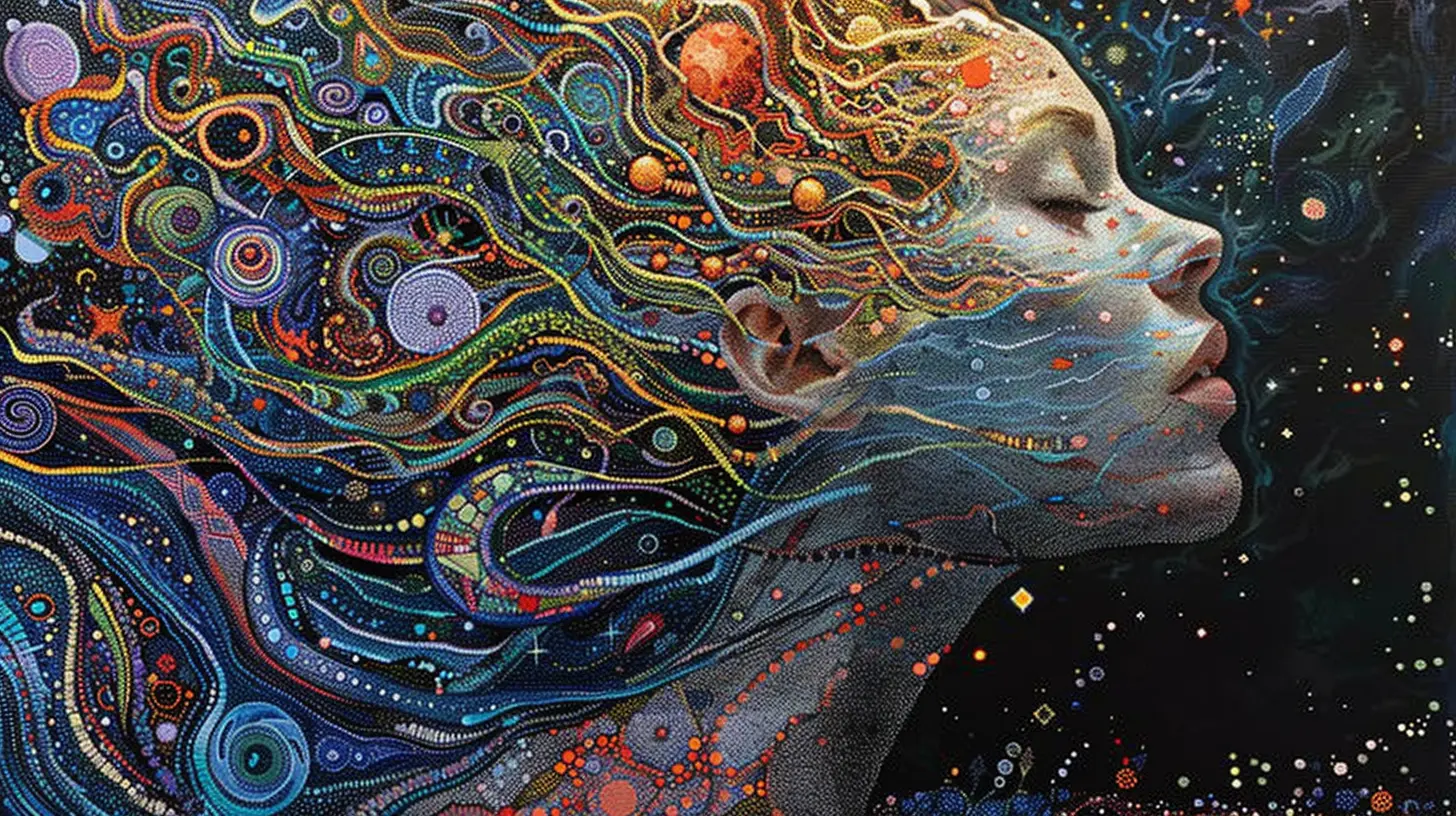
The Science Behind the Mind-Body Link
Let’s break it down a bit.Your brain communicates with the rest of your body through the nervous system. When you’re stressed, it sends out stress hormones like cortisol. If you’re constantly anxious or angry, your body stays in “fight or flight” mode. Over time, that’s like leaving your car running all day—it burns you out.
On the flip side, positive thoughts and emotions can trigger the release of feel-good chemicals like serotonin, dopamine, and oxytocin, which support healing and well-being.
There’s even a growing field called psychoneuroimmunology (yeah, it’s a mouthful) that studies how your thoughts and feelings affect your immune system. Spoiler alert: They absolutely do.
Real-Life Examples of the Mind-Body Connection
Let’s put theory into practice. Here are a few relatable examples that show just how strong this connection really is:1. Placebo Effect
Heard of the placebo effect? It's when someone takes a "fake" treatment like a sugar pill, but experiences real benefits—just because they believe it’ll work. That’s the mind doing the heavy lifting.2. Stress-Induced Illness
Ever caught a cold during finals week or right before a big presentation? High stress suppresses your immune system, making it easier for you to get sick. That's the mind affecting the body... again.3. Meditation and Recovery
Studies have shown that people who meditate regularly have lower blood pressure, reduced inflammation, and even faster surgical recovery times. Why? Because they’re calming the mind, which tells the body it's safe to heal.How Thoughts Affect Physical Health
Our thoughts are like seeds we plant in our minds. If they’re filled with fear, doubt, and negativity, we grow weeds. But if they’re hopeful and positive, we grow flowers. Cheesy? Maybe. True? Absolutely.Here’s how negative thoughts impact physical health:
- Increase in stress hormones
- Poor sleep
- Weakened immune system
- Muscle tension
- Higher risk of heart issues
And how positivity can flip the switch:
- Better immune response
- Lower blood pressure
- Reduced pain perception
- Faster healing
- Improved digestion and gut health
Your body is listening to your thoughts. What are you telling it?
Emotional Healing: An Overlooked Key
Healing isn’t just for physical wounds. Emotional trauma needs just as much care and attention. Here’s the kicker—unresolved emotions can manifest as physical symptoms.Have you ever felt a lump in your throat when you’re about to cry? Or a pit in your stomach when you're scared? That’s your emotions showing up in physical form.
Ignoring emotional pain can lead to:
- Chronic fatigue
- Digestive issues
- Migraines
- Autoimmune flares
Start tending to your emotional wounds, and you might notice your body starting to let go of its pain too.
Practical Ways to Strengthen the Mind-Body Connection
Now that we know it’s real, how can we make the most of it? Good news—it doesn’t require a PhD. Here are some easy (but powerful) tools to help align your mind and body for better healing.1. Practice Mindfulness
Mindfulness is about being present. Not thinking about yesterday’s mistakes or tomorrow’s to-do list. Just being here. Now. It lowers stress and helps you check in with what your body needs.Start with just 5 minutes a day. Breathe. Feel. Listen.
2. Move with Intention
Exercise isn’t just good for your body—it clears the mental fog, too. Whether it’s walking, dancing, or yoga, moving with intention creates harmony between your thoughts and muscles.3. Journaling for Emotional Release
Writing your thoughts down isn’t just cathartic—it also helps with emotional processing. If you’ve been holding onto something for too long, consider journaling as a mental detox.4. Positive Self-Talk
Would you say out loud to a friend what you say to yourself in your head? If not, it’s time to change the script. Talk to yourself with kindness, like you would to a child learning to walk.5. Guided Imagery
Close your eyes and picture your body healing. Imagine every cell in your body getting stronger, brighter. It sounds silly, but athletes and cancer survivors alike have used visualization to support recovery.6. Get Support
Sometimes the most healing thing you can do is talk—whether it's to a therapist, coach, or a friend who just listens. Healing doesn’t happen in isolation.Can Healing Be Blocked by the Mind?
Here’s a tough but honest truth: yes.Sometimes, we unknowingly hold onto negative patterns, beliefs, or unresolved emotions that keep us stuck in pain. Maybe it’s guilt. Maybe it’s fear. Maybe we were told we’re not worthy of healing. Those mental roadblocks show up in our physical healing too.
But the great thing? Once we’re aware of them, we can change them.
It’s not about blaming yourself—it’s about empowering yourself. Your thoughts may not have caused the illness, but they can help fuel the recovery.
Healing Is Not Linear
Let’s be real—healing isn’t a straight path. Some days it'll feel like progress, other days like you're going backward. That’s okay. Think of it more like a spiral than a straight road. You pass similar points, but each time with new awareness.Keep showing up for yourself. Keep nurturing both your mind and body. That’s where real, lasting healing happens.
Integrating Western and Holistic Approaches
Modern medicine is amazing—there’s no denying that. But imagine combining it with the power of mindset, breathwork, and emotional regulation. That's where magic happens.You don't have to pick sides. You can take the antibiotics and practice meditation. You can do physical therapy and journal your emotions. It's all about balance.
Modern science and ancient wisdom can absolutely coexist—and when they do, healing reaches a whole new level.
Final Thoughts
The mind-body connection isn't some feel-good concept—it’s a real, powerful dynamic that can influence how we heal, how we feel, and how we thrive in life.When we take care of our thoughts, nurture our emotions, and respect the signals our body sends, we open the door to real transformation—physically and emotionally.
So next time your body whispers (or screams), pause and ask:
“What is my mind telling my body right now?”
Healing starts with listening. And believing that you're worth the effort—mind, body, and soul.
all images in this post were generated using AI tools
Category:
WellnessAuthor:

Angelo McGillivray
Discussion
rate this article
2 comments
Heather Wilson
This article beautifully captures the intricate relationship between mind and body in the healing process. It's a vital reminder of how mental well-being can significantly influence physical health. Thank you for sharing such insightful perspectives; I look forward to exploring more about this essential connection.
December 13, 2025 at 5:27 PM
Angelo McGillivray
Thank you for your thoughtful comment! I'm glad you enjoyed the article and found the mind-body connection important. I appreciate your interest and hope you find more insights in future explorations!
Miriam Frank
Embrace the power of your mind; it can transform your healing journey beautifully!
December 12, 2025 at 4:39 AM
Angelo McGillivray
Thank you! The mind is a powerful tool in healing, and nurturing this connection can lead to profound transformations.