Unraveling the Link Between Brain Health and Inflammation
8 March 2026
Introduction
Ever had a foggy brain, trouble concentrating, or unexplainable mood swings? What if I told you it might not just be stress but something deeper—something happening inside your body at a cellular level? Inflammation is often painted as the villain in chronic diseases, but did you know it could also be silently messing with your brain health?
The connection between brain health and inflammation is a hot topic in medical research, and for good reason. Studies are increasingly showing that chronic inflammation may contribute to cognitive decline, mental health disorders, and even neurodegenerative diseases like Alzheimer’s. But how does this happen, and can we do anything about it? Let’s dive in and uncover the fascinating link between inflammation and the brain. 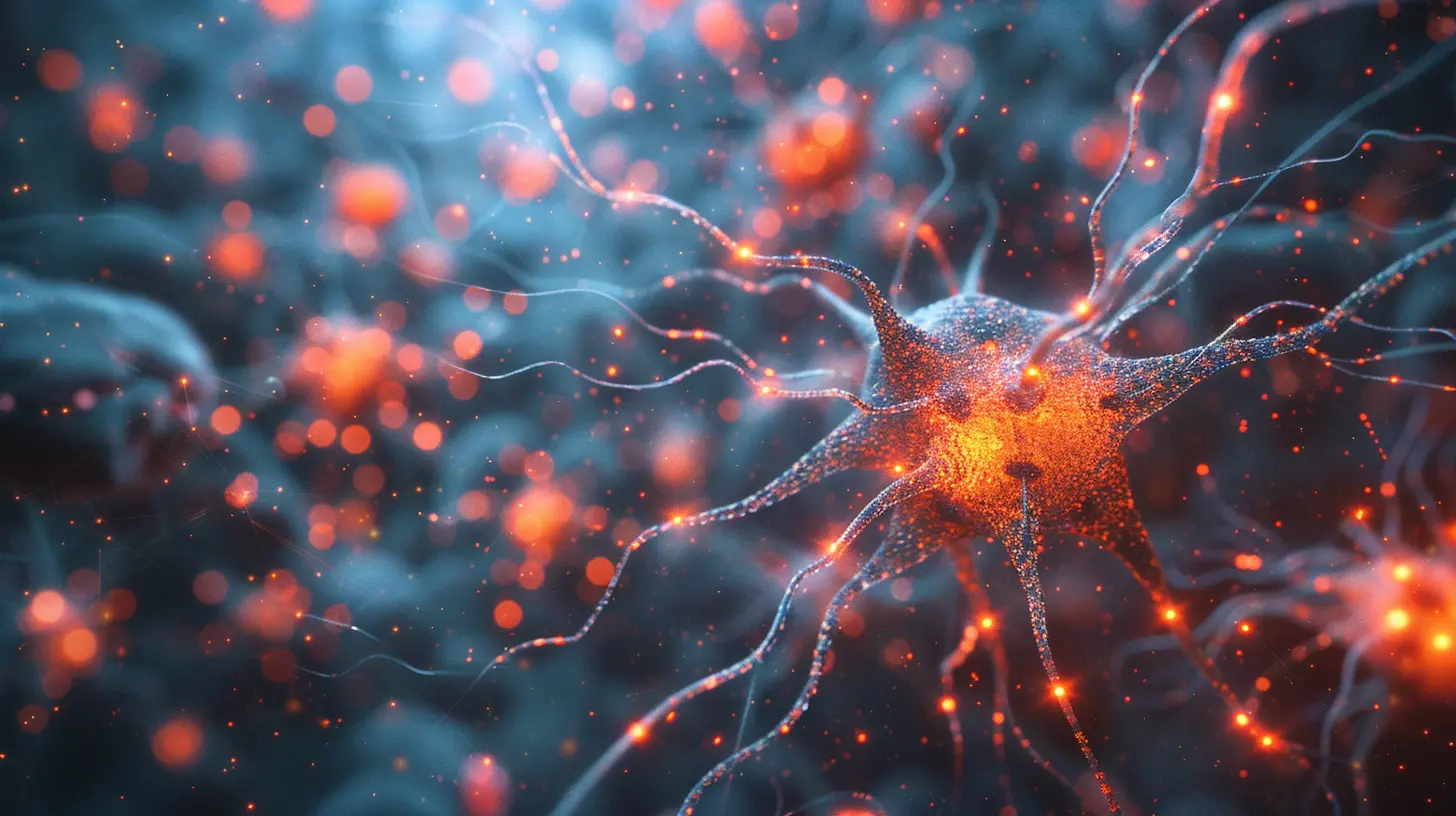
Understanding Inflammation: Friend or Foe?
Before we get into how inflammation affects the brain, let's break down what inflammation actually is.Inflammation is your body's natural defense mechanism. Think of it like a fire alarm—when something harmful enters your body (such as an infection or injury), inflammation is triggered to fight it off. This is called acute inflammation, and it’s beneficial because it helps your body heal.
But here's the problem: When inflammation persists for too long, it turns into chronic inflammation. Imagine that fire alarm blaring nonstop—it starts causing more damage than good. Chronic inflammation has been linked to numerous diseases, including diabetes, heart disease, and, yes, brain disorders. 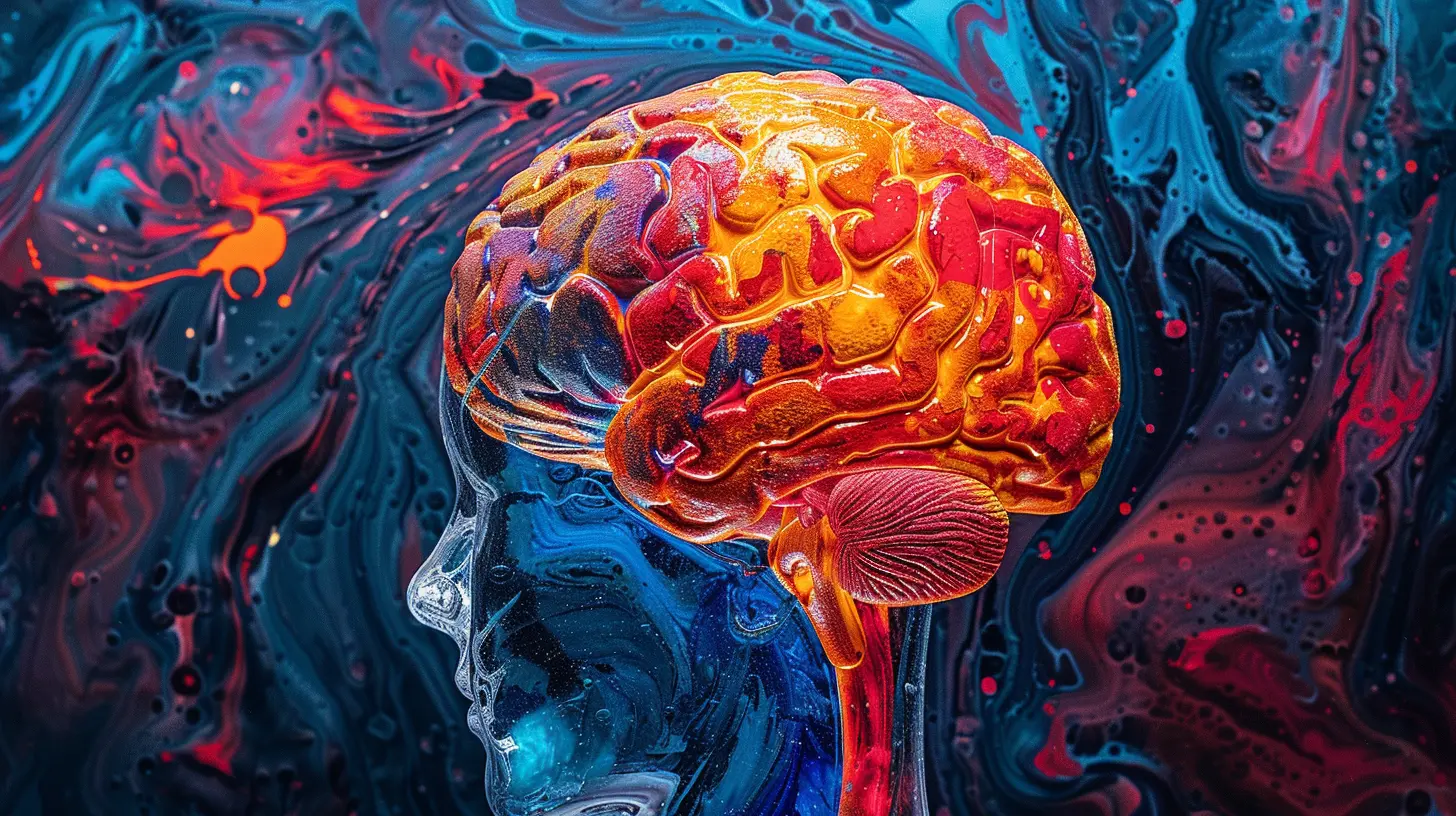
How Inflammation Affects the Brain
1. Inflammation and the Blood-Brain Barrier
Your brain has a special protective shield known as the blood-brain barrier (BBB). Think of it as security guards stopping harmful substances from entering your brain. But chronic inflammation weakens this barrier, allowing toxins and immune cells to sneak in and wreak havoc.When the BBB is compromised, harmful inflammatory molecules, such as cytokines, flood the brain. These molecules disrupt normal brain processes, leading to cognitive decline and mental health disturbances.
2. Neuroinflammation and Cognitive Decline
Ever experience brain fog? Struggling to remember simple things? Chronic inflammation might be to blame.Inflammation in the brain—also known as neuroinflammation—can damage neurons and slow down communication between brain cells. Over time, this may contribute to conditions like:
- Alzheimer’s disease – Chronic inflammation is believed to accelerate plaque buildup in the brain, which leads to memory loss.
- Parkinson’s disease – Inflammatory processes are thought to damage dopamine-producing neurons, leading to movement difficulties.
- Multiple sclerosis (MS) – This autoimmune disorder is fueled by chronic inflammation attacking the brain and spinal cord.
But it's not just neurodegenerative diseases we should worry about. Even in healthy individuals, chronic inflammation can zap focus, reduce mental clarity, and impair learning abilities.
3. The Mental Health Connection: Anxiety and Depression
Ever felt irritable, anxious, or downright depressed for no apparent reason? Your brain might be inflamed.Studies suggest a strong link between chronic inflammation and mental health disorders, including depression and anxiety. How? Well, inflammatory molecules interfere with the production of serotonin and dopamine, the neurotransmitters responsible for mood regulation.
Low serotonin = low mood.
Reduced dopamine = lack of motivation.
It’s a vicious cycle. Inflammation increases stress, and stress further worsens inflammation. No wonder so many people feel stuck in a mental fog! 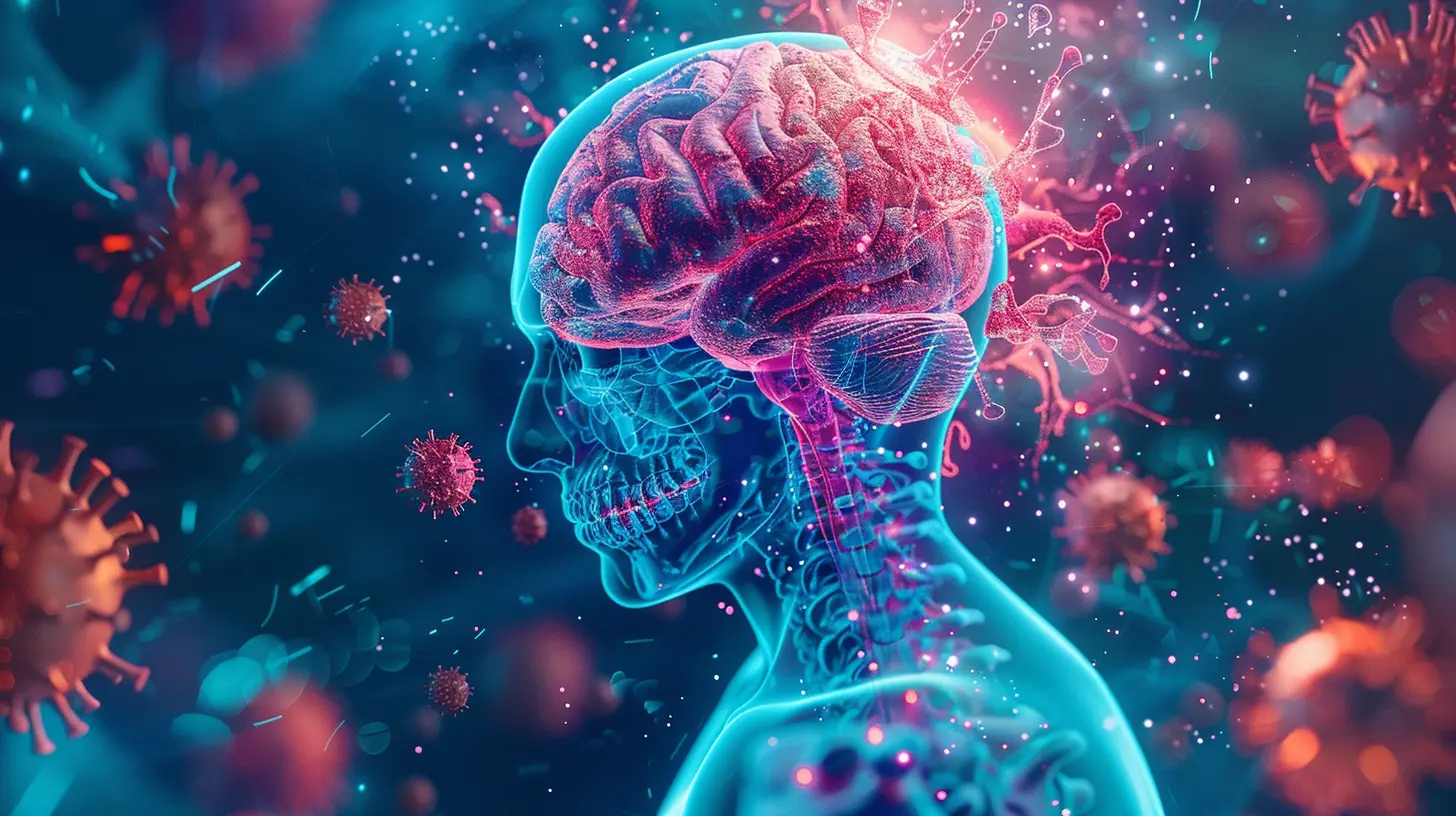
What Causes Chronic Inflammation?
Now that we know inflammation can be bad news for the brain, what’s triggering it in the first place?1. Poor Diet
Eating a diet high in processed foods, sugar, and unhealthy fats can fuel inflammation in the body and brain. Junk food, sugary drinks, and fried foods promote oxidative stress, which triggers an inflammatory response.2. Chronic Stress
Stress isn't just a mental burden—it has physical consequences. When you’re constantly stressed, your body releases cortisol, a hormone that, in excess, can promote inflammation.3. Lack of Exercise
A sedentary lifestyle is a fast track to chronic inflammation. Regular movement, on the other hand, releases anti-inflammatory chemicals, keeping your brain and body healthy.4. Poor Sleep
Your brain detoxifies while you sleep. When you skimp on rest, inflammatory cells increase, leading to a foggy brain and sluggish thinking.5. Toxins and Environmental Factors
Pollution, smoking, alcohol, and exposure to harmful chemicals can contribute to long-term inflammation.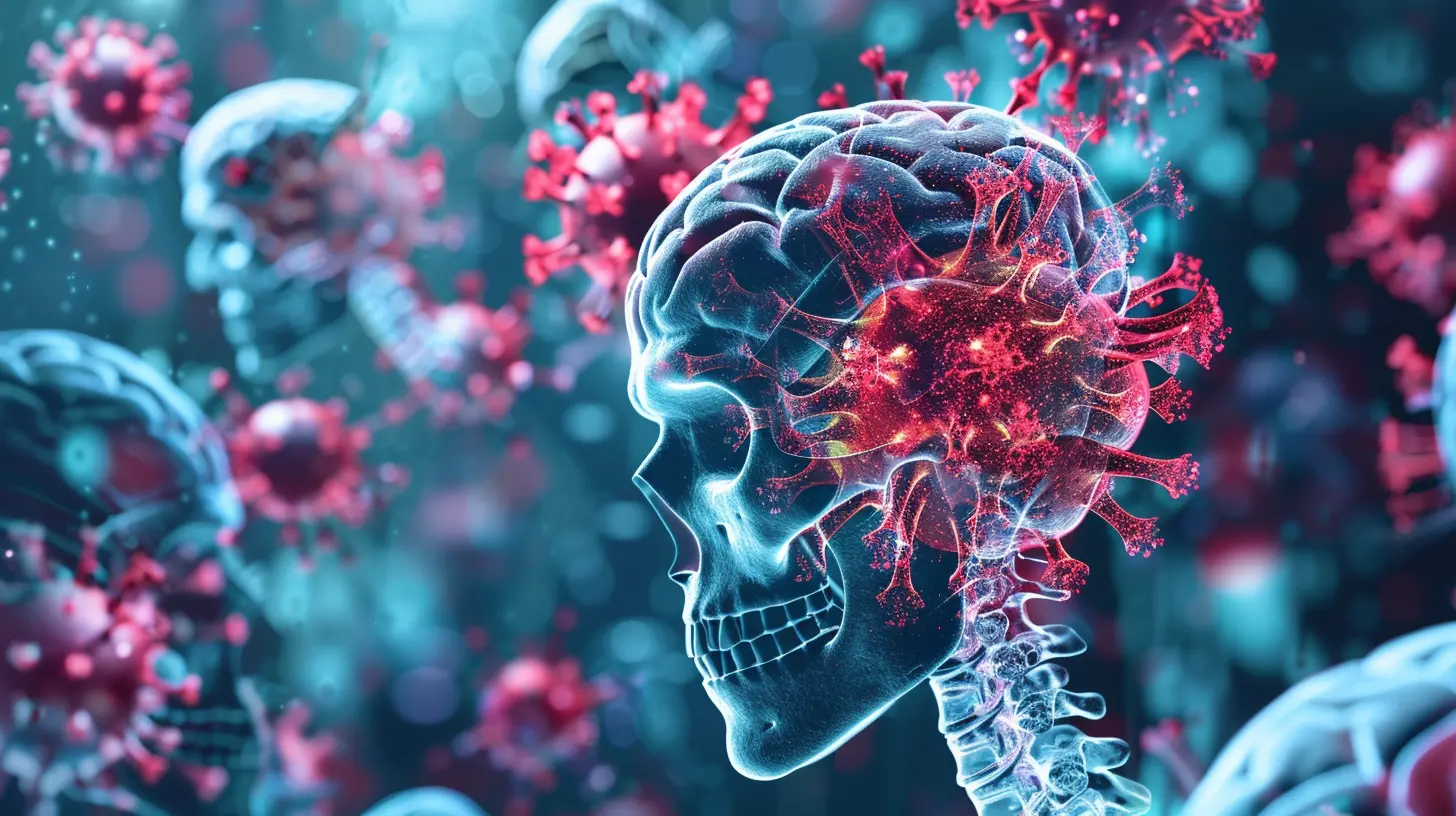
How to Reduce Brain Inflammation Naturally
The good news? Chronic inflammation isn’t a life sentence. There are plenty of ways to turn the tide and protect your brain health.1. Adopt an Anti-Inflammatory Diet
- Load up on fruits and vegetables, especially leafy greens, berries, and cruciferous veggies.- Eat more healthy fats like avocados, nuts, and fatty fish (rich in omega-3s).
- Add anti-inflammatory spices to your meals, like turmeric and ginger.
- Reduce processed foods, refined sugar, and unhealthy trans fats.
2. Get Moving
Exercise is one of the most effective ways to fight inflammation. Even just 30 minutes of brisk walking, stretching, or yoga can work wonders.3. Prioritize Quality Sleep
Aim for at least 7-9 hours of sleep each night. Improve your sleep hygiene by:- Avoiding screens an hour before bed.
- Keeping a consistent sleep schedule.
- Making your bedroom dark and cool.
4. Manage Stress Levels
- Try meditation or deep breathing exercises.- Engage in hobbies that relax you.
- Spend time in nature—science shows it lowers inflammation!
5. Support Your Gut Health
Did you know your gut and brain are closely connected? A healthy gut equals a happy brain. Include probiotic-rich foods like yogurt, kefir, and fermented vegetables to keep inflammation in check.6. Avoid Toxins
Reduce exposure to pollutants, cut back on alcohol, and avoid smoking to lower inflammation levels.Final Thoughts
Inflammation is a double-edged sword. While it's essential for healing, chronic inflammation can damage your brain, leading to cognitive issues, mental health struggles, and neurodegenerative diseases.The good news? You have a say in the matter. Simple lifestyle changes—eating the right foods, moving your body, managing stress, and getting enough sleep—can make all the difference in reducing brain inflammation.
Your brain is your most valuable asset. Take care of it, and it will take care of you.
all images in this post were generated using AI tools
Category:
Brain HealthAuthor:

Angelo McGillivray
Discussion
rate this article
2 comments
Claire Franklin
Oh, great! Just what I needed—another article linking my brain fog to inflammation. Because clearly, my avocado toast and daily yoga weren’t enough! Who knew my morning coffee was actually a brain-boosting miracle? Next, they'll tell me chocolate is a superfood for mental clarity.
March 20, 2026 at 3:32 AM
Angelo McGillivray
I appreciate your humor! It’s always surprising how certain foods, like coffee and chocolate, can positively impact brain health. Thanks for reading!
Roman Clark
Great article! It's fascinating how interconnected our brain health and inflammation are. Understanding this link can really inspire us to prioritize our overall well-being. Thanks for sharing!
March 16, 2026 at 3:41 PM
Angelo McGillivray
Thank you! I'm glad you found it fascinating. Our well-being truly depends on understanding these connections.