What Your Sleep Patterns Say About Your Health
13 July 2026
Sleep is one of the most important aspects of our well-being, yet many of us don’t give it the attention it deserves. Have you ever wondered why you're always feeling tired or why you wake up at the same time every night? Your sleep patterns may be telling you more about your health than you realize. Let’s dive into the fascinating connection between sleep and overall health. 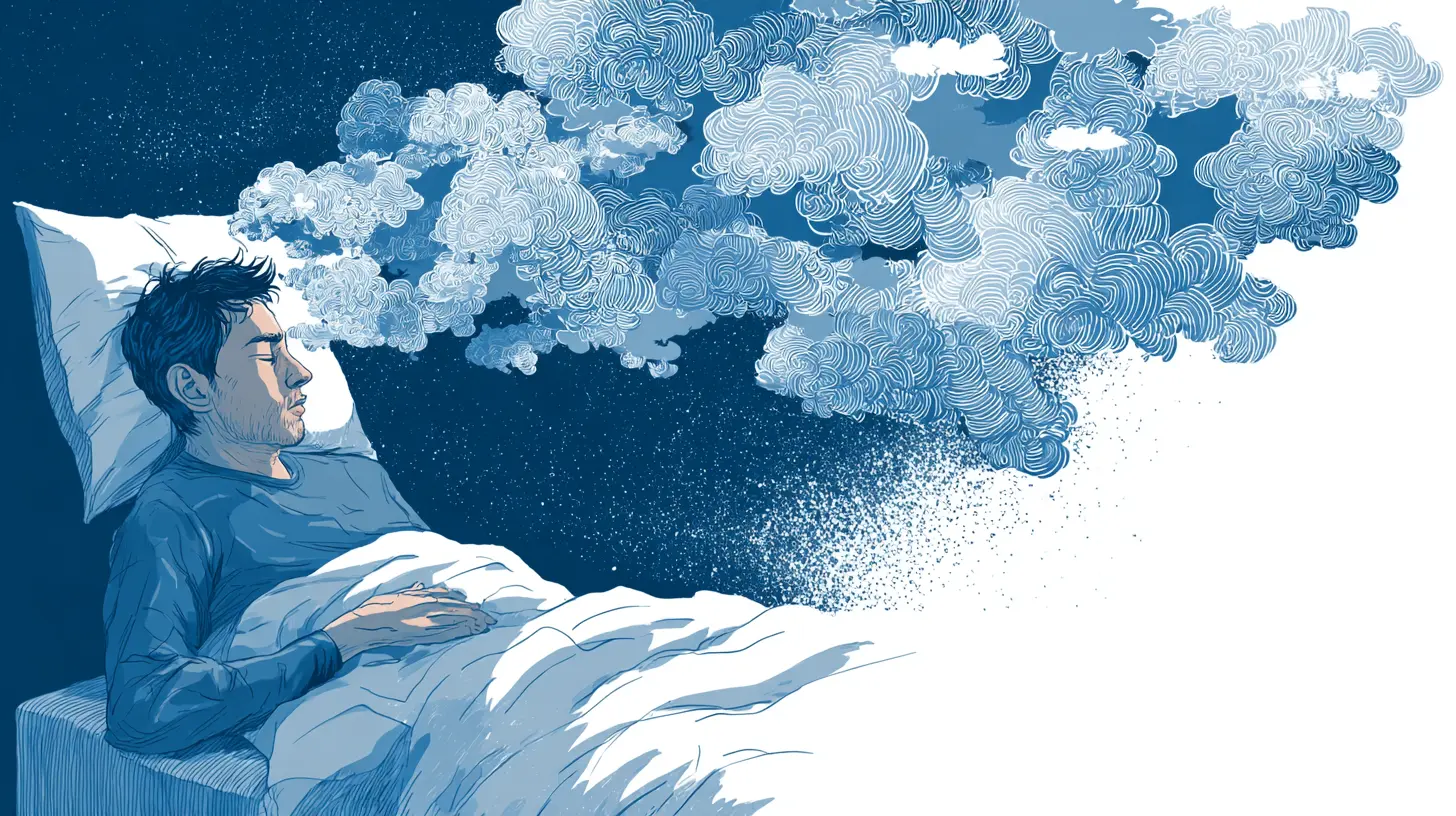
Why Sleep Matters More Than You Think
Sleep isn't just about giving your body a break; it's vital for repairing tissues, consolidating memories, and maintaining overall health. The quality, timing, and duration of your sleep can reveal a lot about what's happening inside your body.Think of your body like a smartphone—if you don't charge it properly, it won't function optimally. Similarly, if you’re not getting good sleep, your body won’t operate at its best.
But what exactly do your sleep patterns say about your health? Let’s break it down. 
Common Sleep Patterns and What They Mean
1. Struggling to Fall Asleep (Insomnia)
Do you spend hours tossing and turning, trying to fall asleep? Insomnia can be caused by stress, anxiety, depression, or even underlying medical conditions. It could also point to poor sleep hygiene, such as too much screen time before bed or consuming caffeine late in the day.What It Might Indicate:
- High stress levels or anxiety disorders- Depression
- Hormonal imbalances
- Caffeine or stimulant sensitivity
- Poor sleep hygiene
Insomnia isn't just frustrating—it can lead to long-term problems like weakened immunity, weight gain, and even an increased risk of heart disease.
2. Waking Up Frequently Throughout the Night
If you wake up multiple times during the night, it could be a sign that something is off. It’s normal to wake up occasionally, but if it happens regularly, there may be an underlying issue.Possible Causes:
- Sleep apnea (interrupted breathing during sleep)- Acid reflux or digestive issues
- Anxiety or stress
- Alcohol consumption before bed
- Low blood sugar levels
Frequent nighttime awakenings can prevent you from entering deep, restorative sleep, leaving you feeling exhausted the next day.
3. Waking Up Too Early and Not Being Able to Fall Back Asleep
Do you wake up at the crack of dawn, even when you don’t have to? This could be a symptom of early morning insomnia, which is often linked to mental health conditions like depression. It can also be related to disrupted circadian rhythms.What It Could Mean:
- Depression or chronic stress- Age-related sleep changes
- Hormonal shifts (especially in menopause)
- Lifestyle factors such as inconsistent sleep schedules
If you’re constantly waking up at 4 or 5 AM without feeling refreshed, it may be time to examine your mental health or adjust your sleep habits.
4. Always Feeling Tired, Even After a Full Night’s Sleep
You went to bed early, slept the recommended 7-9 hours, and yet, you still wake up groggy and sluggish. What’s going on?Possible Causes:
- Sleep apnea (causing poor-quality sleep)- Poor sleep quality due to stress or light pollution
- Anemia or vitamin deficiencies
- Thyroid problems
- Chronic Fatigue Syndrome
This could be a red flag that your sleep isn't restful. If you're experiencing this regularly, speaking to a doctor may help uncover underlying health issues.
5. Snoring and Gasping for Air
Snoring might seem harmless, but loud, persistent snoring paired with gasping for air can indicate a condition called sleep apnea.Why This Matters:
- Sleep apnea causes repeated interruptions in breathing, leading to poor oxygen levels- It increases the risk of heart disease, stroke, and high blood pressure
- It can lead to excessive daytime sleepiness and brain fog
If you or your partner notice loud snoring or breath-holding episodes during sleep, consult a doctor to rule out sleep apnea.
6. Night Sweats or Feeling Overheated
Waking up drenched in sweat? Night sweats can be uncomfortable and might indicate underlying health issues.Possible Causes:
- Hormonal changes (common in menopause)- Infection or illness
- Overactive thyroid
- Sleep environment that’s too warm
If night sweats are frequent, persistent, and not related to external factors (such as heavy blankets), it might be a good idea to investigate further. 
How to Improve Your Sleep for Better Health
No matter what your sleep patterns are saying about your health, there are steps you can take to improve your sleep quality.1. Stick to a Consistent Sleep Schedule
Going to bed and waking up at the same time every day helps regulate your body’s internal clock, making it easier to fall asleep and wake up refreshed.2. Create a Relaxing Bedtime Routine
Try winding down with relaxing activities like reading, meditating, or taking a warm bath before bed. Avoid screens at least an hour before sleeping.3. Watch What You Eat and Drink
Limit caffeine, alcohol, and heavy meals before bedtime. Opt for sleep-friendly foods like bananas, almonds, and herbal tea.4. Make Your Sleep Environment Comfortable
Ensure you have a cool, dark, and quiet sleep environment. Invest in a good-quality mattress and pillows for proper support.5. Get Regular Exercise
Exercise during the day can help you sleep better at night, but avoid intense workouts right before bed.6. Manage Stress and Anxiety
Practice relaxation techniques like deep breathing, journaling, or speaking to a therapist if stress and anxiety are keeping you awake.
When to See a Doctor
If you've tried improving your sleep habits but are still struggling with persistent sleep issues, it may be time to see a doctor or sleep specialist. Chronic sleep disturbances can affect your overall health and should not be ignored.Final Thoughts
Your sleep patterns are like little clues your body gives you about your health. If you’re having trouble falling asleep, waking up frequently, or always feeling exhausted, it could be a sign of an underlying issue. Paying attention to your sleep can help you address health concerns before they become serious problems.So, the next time you find yourself struggling with sleep, take a closer look—your body might be trying to tell you something important.
all images in this post were generated using AI tools
Category:
Sleep DisordersAuthor:

Angelo McGillivray
Discussion
rate this article
1 comments
Parisa Kane
Great insights on sleep's impact on overall health!
July 20, 2026 at 3:38 PM
Angelo McGillivray
Thanks for your feedback! I'm glad you found the insights helpful. Sleep is so crucial for our well-being.