Why Not All “Healthy” Smoothies Are Created Equal
30 September 2026
Walk into any cafe or scroll through social media and you will see smoothies framed as the ultimate health food. They are colorful, convenient, and often marketed with words like detox, clean, and superfood. But here is the uncomfortable truth: a smoothie can be one of the most nourishing things you consume all day, or it can quietly undermine your energy, blood sugar, and waistline. The difference rarely comes down to the fruit itself. It comes down to how the drink is built, who it is built for, and when it is consumed.
This article takes a close look at why two smoothies that look nearly identical can behave completely differently inside your body. We will unpack the science, the marketing, and the practical decisions that separate a genuinely healthy smoothie from a glorified dessert in a cup.
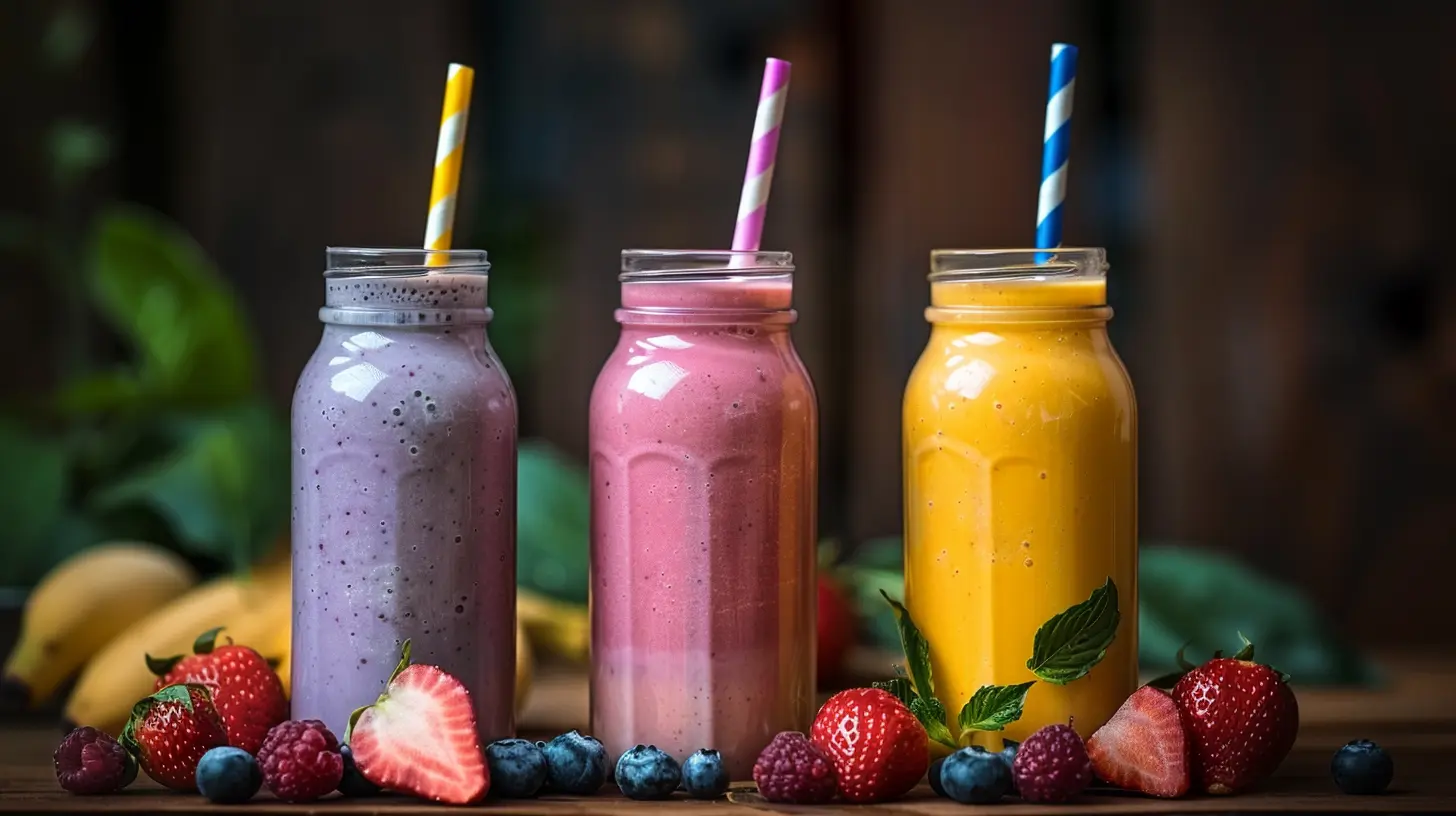
The Smoothie Paradox: Same Ingredients, Different Outcomes
Consider two smoothies. Both contain banana, berries, and yogurt.Smoothie A: one banana, half a cup of frozen berries, half a cup of plain Greek yogurt, water, and a scoop of chia seeds.
Smoothie B: one large banana, one cup of sweetened fruit juice, half a cup of vanilla flavored yogurt, two tablespoons of honey, and a handful of granola blended in.
On paper, they share the same core ingredients. In practice, Smoothie B can deliver two to three times the sugar and far less protein and fiber per serving. That changes how quickly glucose enters your bloodstream, how long you feel full, and how your body responds hormonally.
This is the heart of the issue. Smoothies are not a single food category. They are a delivery format, and the contents of that format matter enormously.
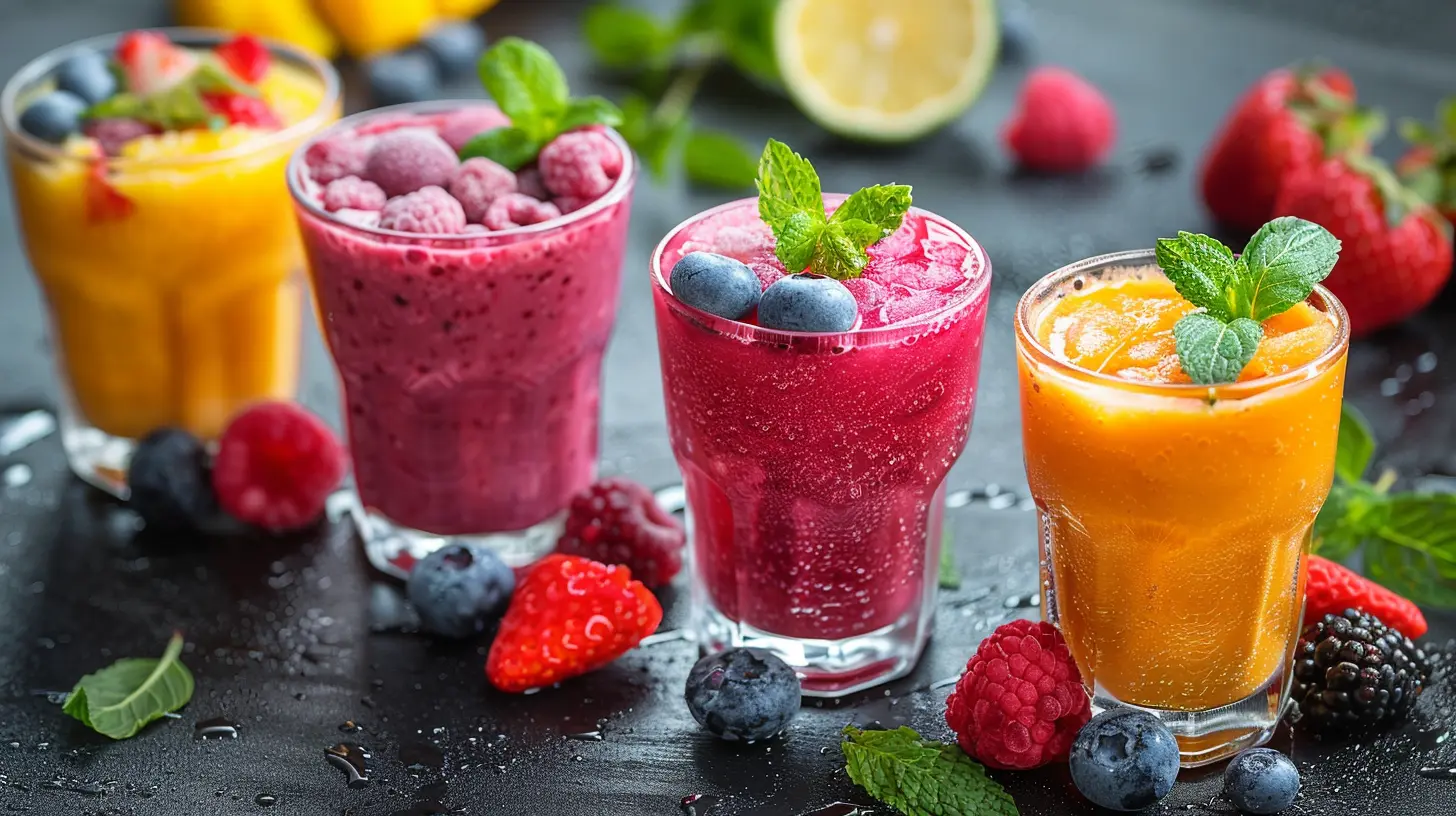
Why Blending Changes the Game
Fiber Is Not Destroyed, But It Is Transformed
A common claim is that blending "destroys" fiber. That is not quite accurate. Blending breaks down cell walls and reduces particle size, but the fiber itself remains present. What changes is the physical structure that slows digestion.When you eat a whole apple, your teeth do part of the work, but large pieces still reach your stomach and require time to break down. When you blend that same apple into a smoothie, the fiber is finely dispersed. This can speed up how quickly sugars are released and absorbed, especially if the smoothie is low in protein and fat.
So fiber is still there. It just does not slow things down the way it does in whole food form.
The Role of Chewing and Satiety Signals
Chewing matters more than most people realize. The act of chewing triggers mechanical receptors in your mouth and jaw that send signals to your brain about fullness. It also takes time, which gives your gut hormones a chance to register that food is arriving.Drinking a smoothie bypasses much of this. You can consume 400 calories in three minutes without your body fully registering the intake. This is one reason liquid calories tend to be less satiating than solid ones, even when the macronutrient profile is similar.
Glycemic Impact Depends on the Whole Matrix
Blood sugar response is not determined by sugar content alone. It depends on the combination of carbohydrate, protein, fat, fiber, and the speed at which the food is digested. A smoothie made with fruit, protein powder, nut butter, and leafy greens will produce a very different glucose curve than one made with fruit juice, honey, and frozen yogurt.This is why two smoothies with identical calorie counts can have opposite effects on appetite, energy, and fat storage over time.
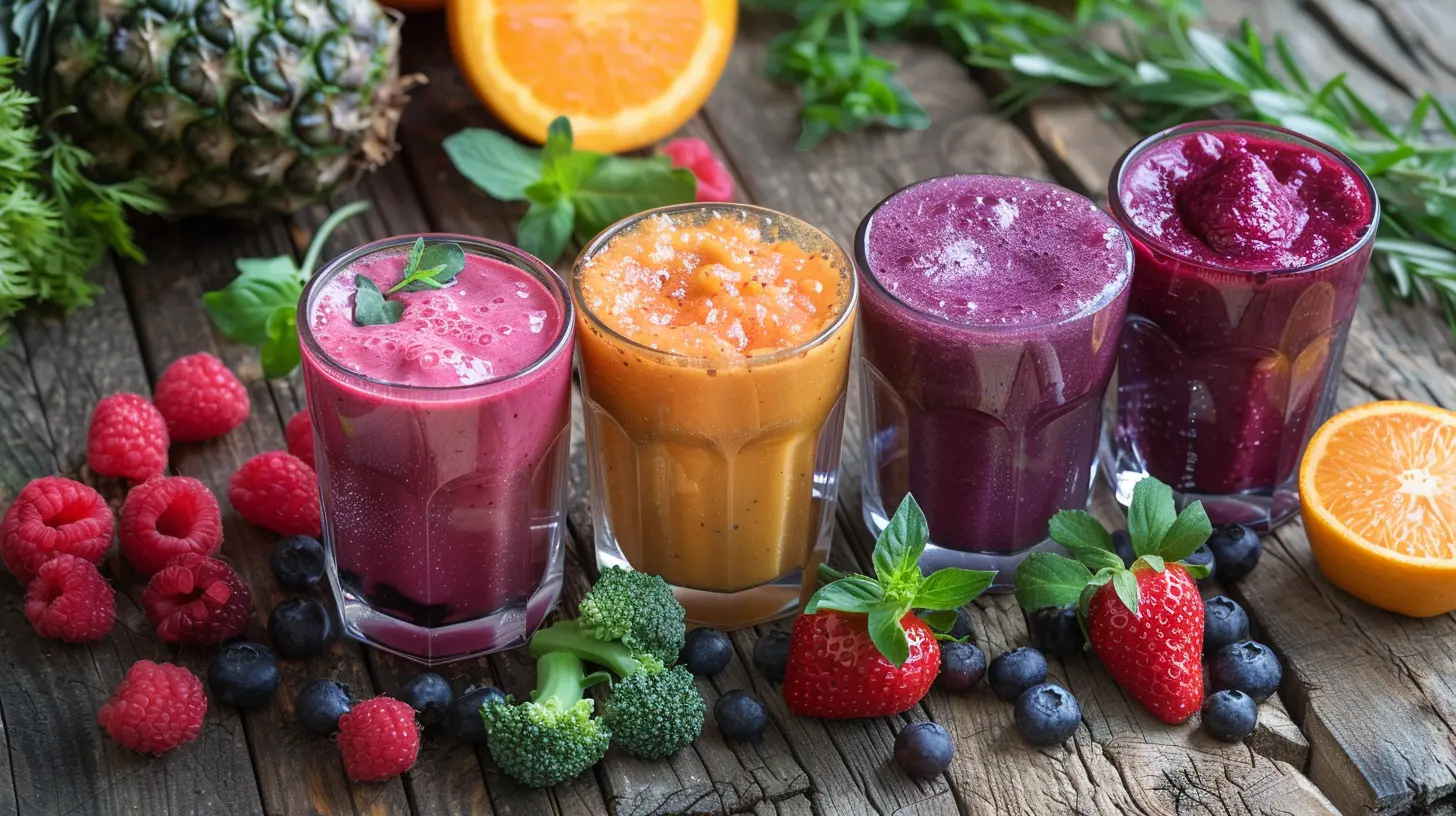
The Most Common Mistakes That Turn a Smoothie Unhealthy
Relying on Juice as a Base
Juice is the single most common culprit. Even 100 percent fruit juice lacks the fiber of whole fruit and delivers a concentrated dose of sugar. When it becomes the liquid base of a smoothie, it adds calories and glucose load without adding satiety.Water, unsweetened plant milk, or plain kefir are usually better choices. They let the fruit provide the sweetness without stacking sugar on sugar.
Overloading on Sweet Fruit
Fruit is not the enemy. But a smoothie made with banana, mango, pineapple, dates, and honey is essentially a dessert. That does not make it "bad," but it does mean it should be treated as such, not as a daily health ritual.Berries, kiwi, green apple, and citrus tend to offer more fiber and less sugar per serving. They also pair well with vegetables, which brings us to the next point.
Skipping Vegetables Entirely
Vegetables are what separate a snack from a meal. A handful of spinach, frozen cauliflower, zucchini, or cucumber adds volume, fiber, and micronutrients without much sugar. The flavor is easily masked by fruit, which makes vegetables a nearly free upgrade.People who skip vegetables often end up with a smoothie that is nutritionally closer to a milkshake than a salad.
Adding Sweeteners Out of Habit
Honey, agave, maple syrup, and date syrup are often perceived as healthier than white sugar. Nutritionally, they are still concentrated sugars. They offer trace minerals, but not enough to justify the added glucose load in most cases.If your smoothie needs sweetener, ask why. Often the answer is that the base is too tart or the fruit is underripe. Adjusting the fruit blend usually solves the problem more effectively than adding syrup.
Ignoring Protein and Fat
Protein and fat are the two components that slow digestion and stabilize blood sugar. Without them, a fruit heavy smoothie can spike glucose and leave you hungry an hour later.Good sources include Greek yogurt, cottage cheese, kefir, protein powder, silken tofu, nut butter, chia seeds, flax seeds, and hemp hearts. A smoothie with 20 to 30 grams of protein and 10 to 15 grams of fat behaves very differently from one with five grams of each.
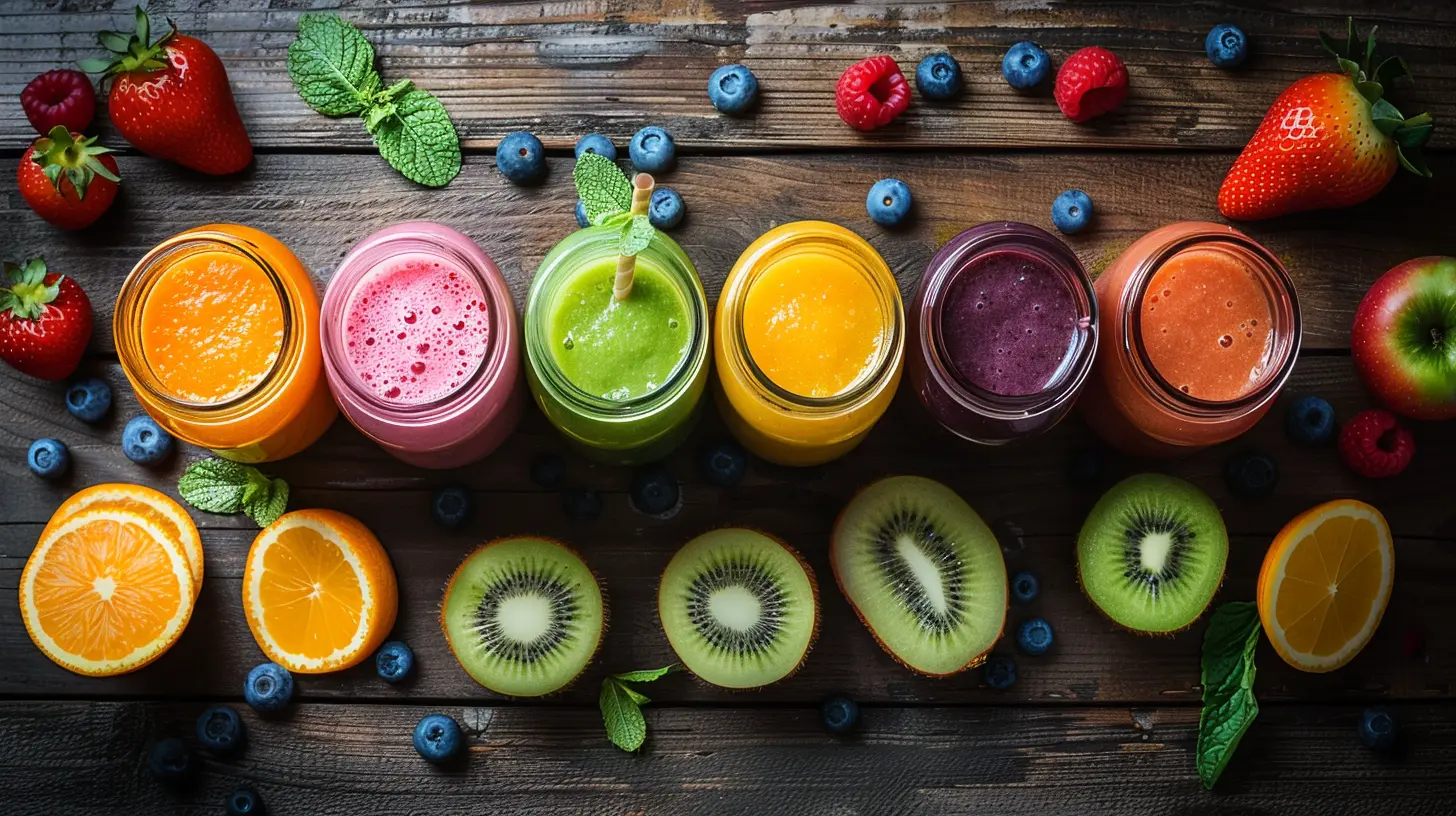
What a Well Built Smoothie Actually Looks Like
There is no single perfect recipe, but there is a useful framework. Think of a smoothie as a meal with four components.1. A Low Sugar Liquid Base
Use water, unsweetened almond milk, unsweetened soy milk, coconut water in moderation, or plain kefir. Avoid sweetened juices, flavored yogurts, and sweetened plant milks.2. A Protein Anchor
Aim for 20 to 30 grams. This could be a scoop of protein powder, a cup of Greek yogurt, a cup of cottage cheese, or a combination. Protein is the single biggest lever for satiety and blood sugar control.3. A Fiber and Micronutrient Base
Add one to two cups of vegetables and one to two servings of low sugar fruit. Spinach, kale, frozen cauliflower, and zucchini are common choices because their flavors disappear behind berries and banana.4. A Fat Source
Add one to two tablespoons of nut butter, chia seeds, flax seeds, hemp hearts, avocado, or full fat yogurt. Fat slows gastric emptying and improves absorption of fat soluble vitamins like A, D, E, and K.Optional extras like cocoa powder, cinnamon, vanilla extract, or a pinch of salt can improve flavor without adding sugar.
Timing Matters More Than Most People Think
A smoothie is not automatically a breakfast food. Where it fits in your day changes how it affects you.As a Breakfast Replacement
This works well for people who struggle to eat solid food in the morning or who need something portable. The key is to include enough protein and fat to carry you to lunch. A fruit only smoothie at 7 a.m. often leads to a crash and cravings by 10 a.m.As a Post Workout Drink
After resistance training or intense cardio, a smoothie can be an excellent recovery tool. The body is primed to absorb nutrients, and faster digesting carbohydrates are more useful in this window. Adding protein and a modest amount of fast carbs, like banana or dates, makes sense here.As a Snack
This is where smoothies get tricky. A 400 calorie smoothie is not a snack. If you are genuinely hungry between meals, a smaller smoothie with protein and fiber can work. But if you are not hungry and drink one out of habit, you are adding calories your body did not ask for.As a Dessert
There is nothing wrong with a fruit forward, sweeter smoothie as a dessert. The problem is labeling it as a health food and drinking it daily in addition to regular meals.
The Marketing Trap: What Labels Do Not Tell You
Smoothie chains and bottled products often use language that implies health without substantiating it. Words like "detox," "cleanse," "superfood," and "all natural" have no regulated definitions in most contexts. A smoothie can be labeled "all natural" and still contain 60 grams of sugar.Bottled smoothies are a particular concern. Many are pasteurized, which extends shelf life but can reduce certain heat sensitive vitamins. They also often lack the protein and fiber of a homemade version, and some contain added sugar or fruit juice concentrates.
If you buy a bottled smoothie, read the nutrition panel, not the front of the bottle. Look at total sugar, protein, and fiber. A useful benchmark: at least 10 grams of protein and 5 grams of fiber per serving, with sugar under 20 grams.
Special Considerations for Different People
People With Insulin Resistance or Type 2 Diabetes
Smoothies can fit, but they require care. Focus on protein, fat, and fiber, and keep fruit to one serving of a low glycemic option like berries. Monitor blood glucose responses, since individual reactions vary widely. Some people do better with smoothies than with whole fruit, and others do worse. Testing is the only way to know.Athletes and Highly Active People
Smoothies are a convenient way to hit calorie and carbohydrate targets. They can be built to be higher in sugar without harm, especially around training. The same smoothie that spikes a sedentary person's glucose may be perfectly appropriate for someone who just ran ten miles.People Trying to Lose Weight
Liquid calories are easy to overconsume. If weight loss is the goal, smoothies should be measured, not eyeballed. A smoothie that fills a 24 ounce cup can easily exceed 600 calories. Using a smaller glass and pre portioning ingredients helps.People With Digestive Sensitivities
Blending can make some foods easier to tolerate and others harder. People with IBS may find that certain fruits, especially those high in fructose or sorbitol, trigger symptoms when consumed in larger amounts. Protein powders with sugar alcohols or added fibers like inulin can also cause bloating. Simple, whole food based smoothies are often better tolerated.Children
Smoothies can be a useful way to get vegetables into picky eaters. Keep sugar low and protein moderate. Avoid protein powders unless a pediatrician recommends them, since children's protein needs are lower and whole food sources are usually sufficient.
Practical Comparisons: Three Smoothies, Three Outcomes
The Green Smoothie
Spinach, kale, half a banana, half a cup of berries, water, and a scoop of protein powder. Roughly 250 calories, 25 grams of protein, 8 grams of fiber, 15 grams of sugar. This is a solid meal replacement or post workout option.The Tropical Smoothie
Mango, pineapple, banana, orange juice, and honey. Roughly 350 calories, 3 grams of protein, 4 grams of fiber, 60 grams of sugar. This is closer to a dessert. It is not unhealthy in isolation, but it will not keep you full and can spike blood sugar.The "Protein" Smoothie From a Chain
Often made with sweetened yogurt, fruit juice, and a flavored protein blend. Can range from 300 to 600 calories with 40 to 70 grams of sugar. The protein content may be adequate, but the sugar load often outweighs the benefit for sedentary people.The lesson is not that one smoothie is morally superior. It is that the outcomes differ, and the outcomes are what matter.
How to Evaluate Any Smoothie Recipe
Before you blend or buy, ask these questions.1. How much sugar is in this, and where is it coming from?
2. How much protein does it provide?
3. How much fiber does it provide?
4. Does it contain a fat source?
5. Is this replacing a meal, supplementing one, or adding to one?
6. Does the portion size match my actual hunger and energy needs?
If you can answer those six questions honestly, you are already ahead of most people drinking smoothies for health.
Common Misconceptions Worth Retiring
"Smoothies detox your body." Your liver and kidneys handle detoxification. No smoothie accelerates this in any meaningful way."Fruit sugar is harmless." Fruit sugar is packaged with fiber, water, and micronutrients in whole fruit. In a smoothie, especially with juice, that packaging is altered. Context matters.
"More ingredients means healthier." A smoothie with 15 ingredients is not inherently better than one with five. Complexity can hide sugar and calories.
"You can drink unlimited smoothies because they are healthy." Calories still count. Nutrients still have upper limits. More is not better.
"Smoothies are always better than solid food." For some people and situations, yes. For others, whole food is more satiating and easier to portion appropriately.
Final Thoughts: Build for Your Body, Not the Trend
The smoothie is a tool, not a virtue. It can deliver a dense dose of nutrients in a convenient package, or it can deliver a dense dose of sugar with a health halo attached. The difference is not the blender. It is the choices you make before you press the button.Start with a clear goal. Are you replacing a meal, recovering from a workout, or satisfying a craving? Build accordingly. Prioritize protein, fiber, and fat. Keep sugar intentional rather than accidental. Measure when portions matter. And pay attention to how you feel an hour or two later, because your body's response is the most honest feedback you will get.
A truly healthy smoothie is not the one with the longest ingredient list or the trendiest superfood. It is the one that fits your needs, your biology, and your day. Once you understand the variables, you can stop guessing and start blending with purpose.
all images in this post were generated using AI tools
Category:
Nutrition MythsAuthor:

Angelo McGillivray