Exploring Hybrid Afib Therapy with Dr. Ted Wright
May 10, 2025 - 06:09

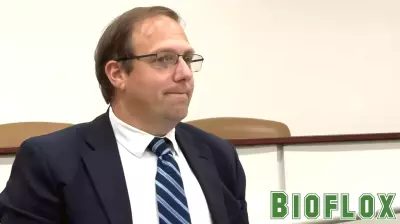
In a recent episode of the podcast, Dr. Ted Wright, a renowned cardiothoracic surgeon, delves into the innovative approach of Hybrid Afib Therapy. This cutting-edge treatment combines surgical and catheter-based techniques to address atrial fibrillation, a common heart rhythm disorder that affects millions worldwide.
Dr. Wright discusses the complexities of Afib and the challenges patients face when seeking effective treatment options. He explains how Hybrid Afib Therapy offers a comprehensive solution by integrating both surgical and minimally invasive methods, potentially leading to better outcomes for patients.
Listeners will gain insight into the procedural aspects of the therapy, the benefits it provides, and the importance of individualized treatment plans. Dr. Wright also emphasizes the role of patient education and shared decision-making in achieving optimal results. This episode serves as a valuable resource for anyone looking to understand more about advancements in cardiac care and the future of Afib treatments.
MORE NEWS

October 27, 2026 - 03:15
Health Inspectors Shut Down Dozens of Los Angeles County EateriesDozens of restaurants and markets across Los Angeles County were forced to temporarily close their doors this month after inspectors discovered health code violations. The violations ranged from...

October 26, 2026 - 05:12
Merit Health River Region Hosts Annual Trunk or Treat EventMerit Health River Region has announced its annual Trunk or Treat celebration, set to take place on Thursday, October 29. The community event invites families and children to dress up in their...
October 25, 2026 - 04:50
Shelby Residents to Decide on Tax Renewals for Health and Parks DepartmentsShelby voters will see two tax renewal measures on the Nov. 3 ballot, both of which city officials say are necessary to keep essential services running. The first renewal supports the health...

October 24, 2026 - 02:57
10/23/26 – HAWAIʻI CLIMATE COMMISSION LAUNCHING WORKSHOPS TO BOOST SOIL HEALTH AND AGRICULTURAL RESILIENCEHonolulu - The state Climate Change Mitigation and Adaptation Commission, part of the Department of Land and Natural Resources, is preparing a series of workshops focused on soil health and...