Full body MOTs - the future of healthcare or a headache for the NHS?
August 8, 2026 - 16:34
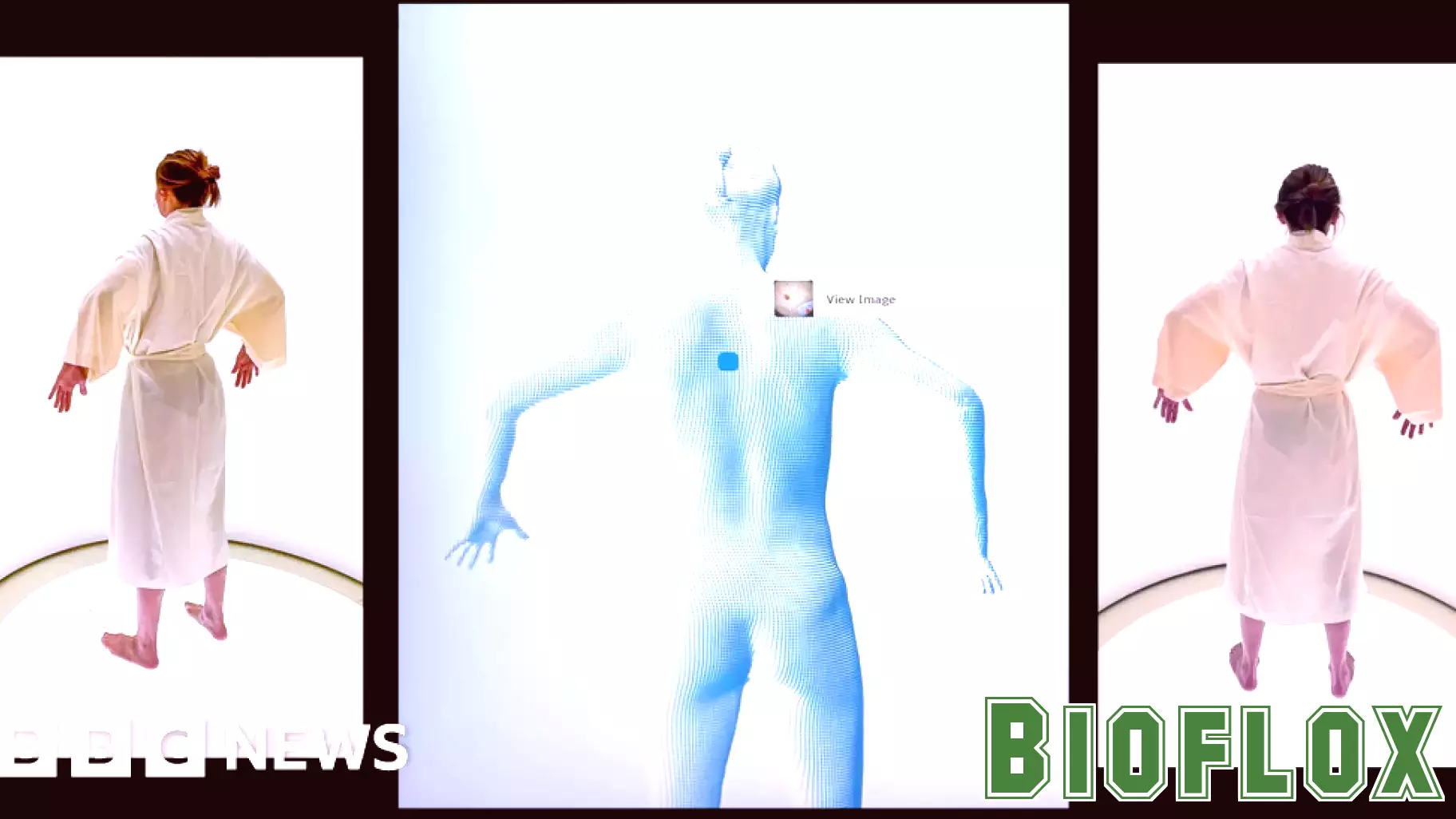
Private clinics across the UK are reporting record demand for full body MRI scans, with packages ranging from a few hundred to several thousand pounds. The pitch is simple: catch a silent killer early and take control of your health. But as this industry expands at pace, doctors and public health officials are asking whether these scans are a genuine breakthrough or a costly, anxiety-inducing distraction for an already stretched National Health Service.
The core problem is not the technology itself, but what it finds. A full body scan is incredibly sensitive, and it will often flag up harmless lumps, cysts, or slight irregularities that mean nothing. The patient then faces a difficult choice: ignore it and worry, or chase it up with their GP. That GP, already under immense pressure, must then decide whether to refer the patient for further NHS tests, which may be entirely unnecessary. This creates a cascade of appointments, scans, and biopsies that clog up the system, all for findings that would never have caused a problem.
Supporters argue that early detection saves lives, and for a small minority, it does. But the evidence for whole-body screening in healthy, symptom-free people is thin. Unlike targeted screening for breast or bowel cancer, which has proven benefits, whole-body scans have not been shown to reduce overall mortality. Instead, they often lead to overdiagnosis, where people are treated for conditions that would never have harmed them, exposing them to the risks of invasive procedures without any real benefit.
The NHS is already struggling with record waiting lists and staff shortages. The last thing it needs is a wave of healthy, worried patients arriving with scan results that require investigation. While the private sector is free to sell these services, the consequences of that commercial activity are often passed directly to the public purse. Until there is clear evidence that these scans improve long-term health outcomes, they may well be creating more problems than they solve, turning a moment of proactive health consciousness into a long and stressful journey through the medical system.
MORE NEWS

September 22, 2026 - 07:13
Wildfire Smoke Poses Higher Health Risks Than Other Air PollutionNew research indicates that smoke from wildfires may be more dangerous to human health than other forms of air pollution. The findings suggest that exposure to wildfire smoke is linked to increased...
September 21, 2026 - 23:40
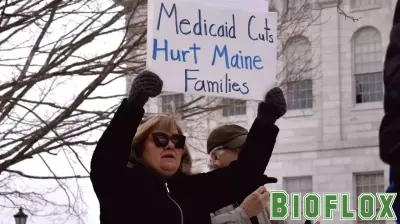
Maine’s Office of Affordable Health Care seeks public inputState officials are asking residents to speak up about their experiences with the healthcare system. The Office of Affordable Health Care will hold its yearly public hearing this week, giving...
September 21, 2026 - 14:37
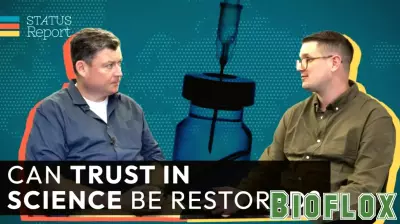
The Critical Role of Trust in Scientific InstitutionsTrust in science serves as the foundation for how societies make decisions about health, safety, and the future. When people believe in the integrity of scientific research, they are more likely to...

September 20, 2026 - 18:12
Massachusetts Postpartum Home Visit Plan Ignites Debate Over Government ReachA new state initiative in Massachusetts is drawing sharp reactions online after officials announced millions in funding to send nurses into the homes of new parents. Governor Maura Healey is...