New Restrictions on CDC Scientists' Research Publication
February 14, 2025 - 07:30
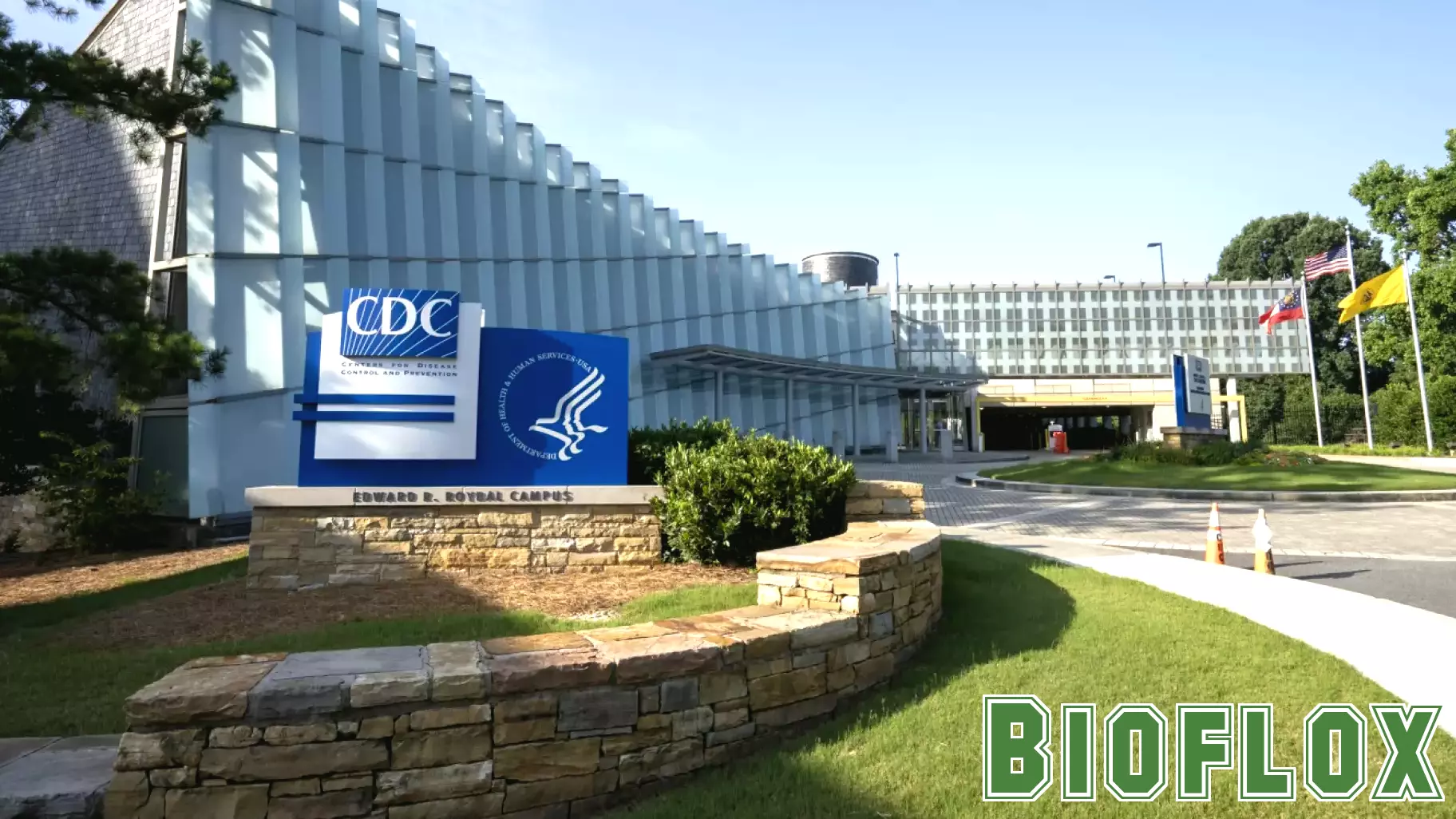
In a significant shift in policy, employees of the Centers for Disease Control and Prevention (CDC) are now required to seek approval from the executive branch before publishing any research findings. This new directive imposes strict limitations on the ability of CDC scientists to share their work with the public and the scientific community.
Under these guidelines, CDC staff must also withdraw their names from any external papers that are awaiting publication. This move has raised concerns among public health experts and researchers about the potential impact on scientific transparency and the dissemination of critical health information. Critics argue that such restrictions could hinder the progress of vital research and limit the agency's ability to respond effectively to public health challenges.
As the CDC navigates these changes, the implications for scientific collaboration and the agency's role in public health communication remain to be seen. The scientific community is closely watching how these policies will affect ongoing and future research initiatives.
MORE NEWS
October 27, 2026 - 03:15
Health Inspectors Shut Down Dozens of Los Angeles County EateriesDozens of restaurants and markets across Los Angeles County were forced to temporarily close their doors this month after inspectors discovered health code violations. The violations ranged from...

October 26, 2026 - 05:12
Merit Health River Region Hosts Annual Trunk or Treat EventMerit Health River Region has announced its annual Trunk or Treat celebration, set to take place on Thursday, October 29. The community event invites families and children to dress up in their...

October 25, 2026 - 04:50
Shelby Residents to Decide on Tax Renewals for Health and Parks DepartmentsShelby voters will see two tax renewal measures on the Nov. 3 ballot, both of which city officials say are necessary to keep essential services running. The first renewal supports the health...
October 24, 2026 - 02:57
10/23/26 – HAWAIʻI CLIMATE COMMISSION LAUNCHING WORKSHOPS TO BOOST SOIL HEALTH AND AGRICULTURAL RESILIENCEHonolulu - The state Climate Change Mitigation and Adaptation Commission, part of the Department of Land and Natural Resources, is preparing a series of workshops focused on soil health and...