The Complex Impact of Social Media on Teen Mental Health
April 28, 2025 - 05:08

A recent study by Pew Research reveals a nuanced perspective on the relationship between social media and the mental health of teenagers. While young people today are more connected than ever, they are also increasingly critical of the role social media plays in their lives. This duality highlights a growing awareness among teens regarding the potential negative effects of online interactions.
Many adolescents report feeling pressure to maintain a certain image on social platforms, leading to anxiety and self-esteem issues. Despite these challenges, social media also serves as a vital tool for connection, allowing teens to communicate and support one another in ways that were not possible before. The study indicates that while social media can exacerbate feelings of isolation and inadequacy, it also provides a space for community building and self-expression.
As young people navigate these complexities, their insights suggest a need for ongoing discussions about the responsible use of social media and its impact on mental health.
MORE NEWS
October 28, 2026 - 02:39
Seven Health Issues Set to Shape the 2026 MidtermsA doctor`s guide to the health questions voters say matter most heading into the 2026 midterms, from rising costs and insurance premiums to Medicaid, fraud and abortion. Health care is again...

October 27, 2026 - 03:15
Health Inspectors Shut Down Dozens of Los Angeles County EateriesDozens of restaurants and markets across Los Angeles County were forced to temporarily close their doors this month after inspectors discovered health code violations. The violations ranged from...
October 26, 2026 - 05:12
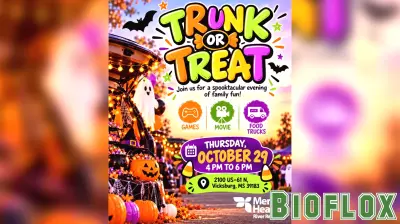
Merit Health River Region Hosts Annual Trunk or Treat EventMerit Health River Region has announced its annual Trunk or Treat celebration, set to take place on Thursday, October 29. The community event invites families and children to dress up in their...
October 25, 2026 - 04:50
Shelby Residents to Decide on Tax Renewals for Health and Parks DepartmentsShelby voters will see two tax renewal measures on the Nov. 3 ballot, both of which city officials say are necessary to keep essential services running. The first renewal supports the health...