Timeline: Santa Fe's Mobile Integrated Health Office and Alternative Response Unit
August 16, 2026 - 12:47
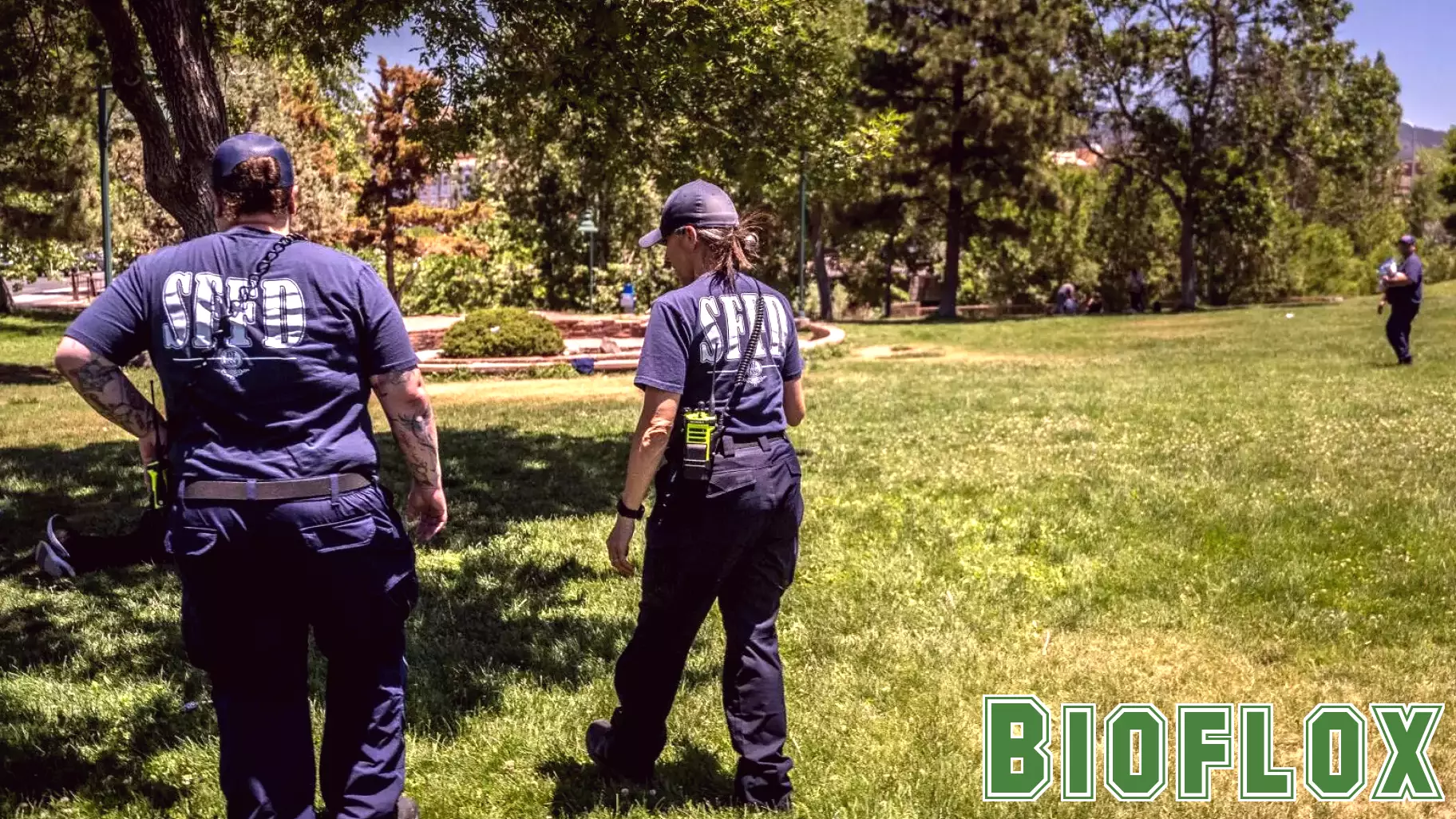
The Santa Fe Fire Department's Mobile Integrated Health Office and its Alternative Response Unit have evolved significantly since their inception, marking a shift in how the city handles non-emergency calls. What began as a pilot concept has grown into a permanent fixture aimed at reducing strain on traditional emergency services while providing more targeted care.
The program's roots trace back to early planning stages when city officials and fire department leadership identified a recurring pattern: a large number of 911 calls were for low-acuity issues like mental health crises, substance use, or chronic conditions that did not require a lights-and-sirens ambulance transport. The initial launch focused on pairing a community paramedic with a behavioral health specialist. This two-person team responded to select calls, offering on-scene assessment, de-escalation, and referrals to social services instead of defaulting to emergency room visits.
Over time, the unit expanded its scope. The office began tracking data on repeat callers, allowing the team to proactively check in with frequent users of the 911 system. This shift from reactive to proactive care was a key development. The Alternative Response Unit, a later addition, was designed to handle specific call types, such as welfare checks or minor injury reports, that did not pose a threat to public safety. This freed up traditional engine and ambulance crews for true emergencies.
Changes have not been without challenges. Staffing shortages and budget reviews have periodically paused or adjusted the unit's hours of operation. Community feedback, however, has pushed the city to maintain and sometimes expand the program. Most recently, the office has integrated more robust data sharing with local health clinics and added a peer support specialist with lived experience to better connect with individuals in crisis. The trajectory shows a clear move toward a more holistic, health-centered public safety model, though officials note it remains a work in progress as they continue to refine response criteria and measure long-term outcomes.
MORE NEWS

November 15, 2026 - 04:56
Maternal and Family Health Services Celebrates State Leaders at Annual LuncheonMaternal and Family Health Services hosted its annual Community Luncheon on October 27 at The Banks in Pittston. This year`s gathering highlighted the dedication of state leaders toward women`s...
November 14, 2026 - 17:44
Time for a New Approach to Health Care in MassachusettsMassachusetts has long been a leader in health care reform, but now it faces a critical moment for a third major overhaul. The focus must shift from treating illness to preventing it. By...
November 14, 2026 - 00:14
Measles Outbreak in the US Doubles Previous Year's CasesThis year, the United States has reported over 5,400 confirmed cases of measles, a figure that has already doubled the total for the entire year of 2025. This alarming rise is primarily attributed...

November 13, 2026 - 01:07
Jacob Warren Discusses Rural Health Care on North Dakota TodayDirector Jacob Warren recently took center stage to highlight the critical role of rural health care during an appearance on North Dakota Today. He emphasized how vital it is for communities across...