Trump Appoints Stanford Professor and COVID Lockdown Critic to Head Health Agency
November 28, 2024 - 08:51
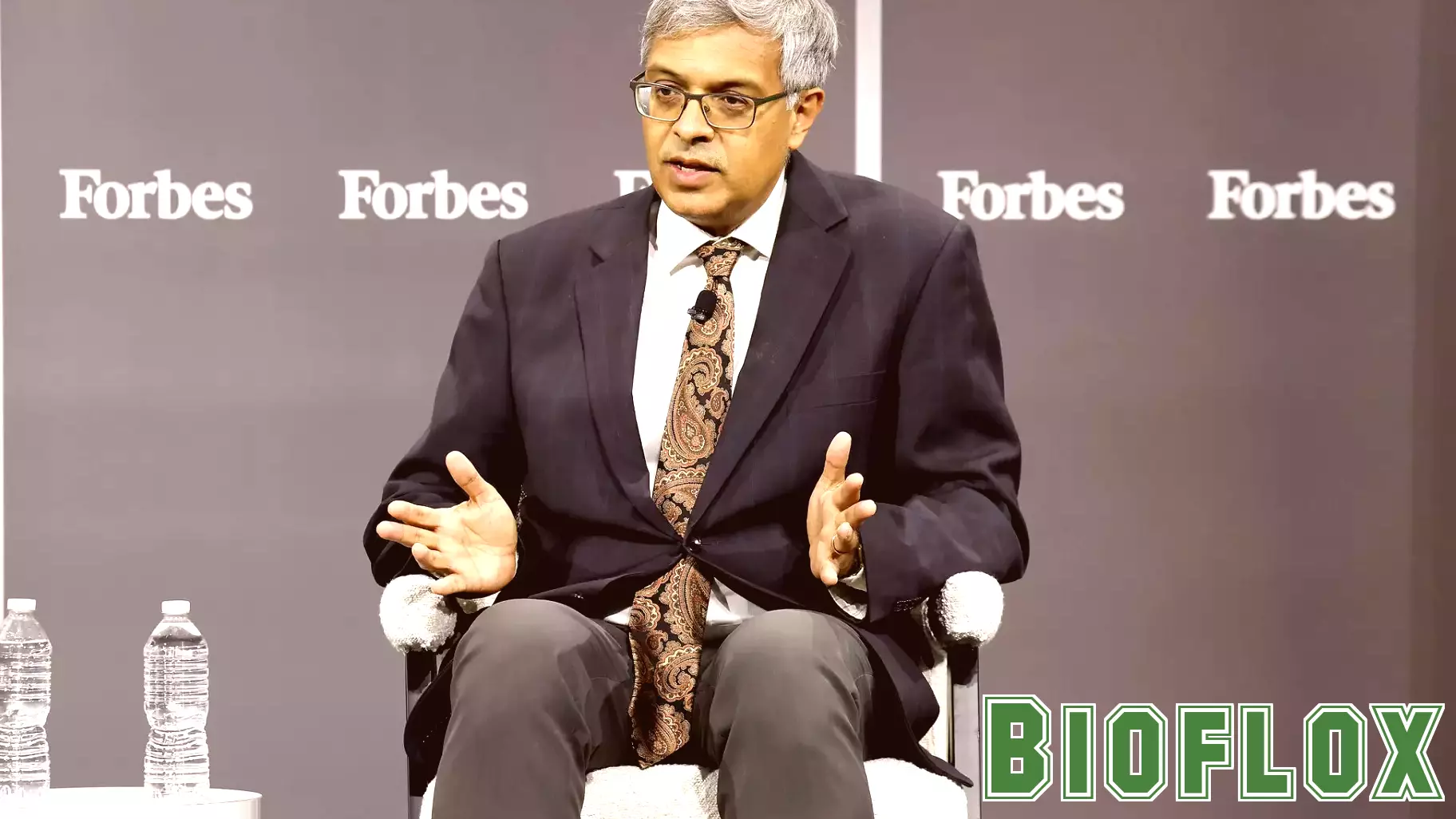
In a significant move, former President Donald Trump has selected a Stanford University professor known for his critical stance on COVID-19 lockdowns to lead a key health agency. This appointment comes as part of Trump’s ongoing efforts to reshape health policy and address public health challenges in the wake of the pandemic. The professor, who has gained attention for advocating against strict lockdown measures, is expected to bring a controversial perspective to the role.
Before officially assuming the position, the appointee will need to secure confirmation from the U.S. Senate, a process that could spark intense debate given the professor's previous comments and the current political climate surrounding public health policies. Trump's choice reflects his commitment to appointing individuals who align with his views on government intervention and public health measures. As the nation continues to navigate the complexities of health care and pandemic response, this appointment is poised to influence future strategies and discussions within the health sector.
MORE NEWS
October 28, 2026 - 02:39
Seven Health Issues Set to Shape the 2026 MidtermsA doctor`s guide to the health questions voters say matter most heading into the 2026 midterms, from rising costs and insurance premiums to Medicaid, fraud and abortion. Health care is again...

October 27, 2026 - 03:15
Health Inspectors Shut Down Dozens of Los Angeles County EateriesDozens of restaurants and markets across Los Angeles County were forced to temporarily close their doors this month after inspectors discovered health code violations. The violations ranged from...

October 26, 2026 - 05:12
Merit Health River Region Hosts Annual Trunk or Treat EventMerit Health River Region has announced its annual Trunk or Treat celebration, set to take place on Thursday, October 29. The community event invites families and children to dress up in their...
October 25, 2026 - 04:50
Shelby Residents to Decide on Tax Renewals for Health and Parks DepartmentsShelby voters will see two tax renewal measures on the Nov. 3 ballot, both of which city officials say are necessary to keep essential services running. The first renewal supports the health...