Unions Advocate for Hospital Workers Amid Layoffs in Richmond
March 19, 2025 - 13:55
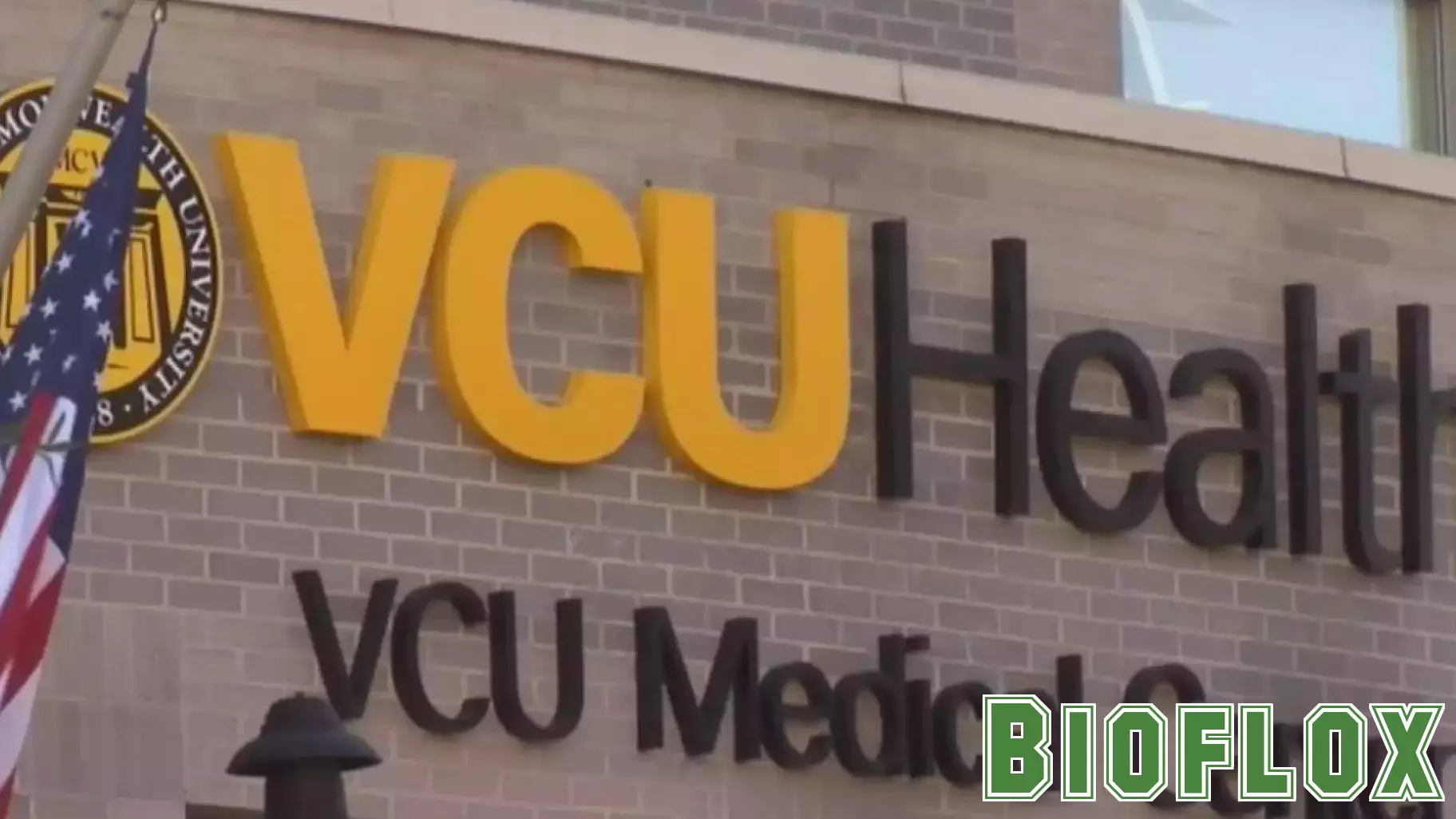
In the wake of ongoing federal job cuts and layoffs, unions in Richmond are intensifying their efforts to protect hospital workers. The situation at local medical centers has become increasingly precarious, prompting union representatives to call for immediate action to safeguard jobs and improve working conditions.
Workers have expressed concerns over the potential impact of these layoffs on patient care and overall hospital operations. Union leaders are actively engaging with hospital management to advocate for measures that would mitigate the effects of job losses and ensure that staffing levels remain sufficient to meet community needs.
As discussions continue, there have been some signs of progress. Unions are pushing for policies that prioritize job security and fair treatment for all employees, emphasizing the crucial role that healthcare workers play in the community. The collective efforts of these organizations aim to create a more stable and supportive environment for hospital staff during these challenging times.
MORE NEWS
October 28, 2026 - 02:39
Seven Health Issues Set to Shape the 2026 MidtermsA doctor`s guide to the health questions voters say matter most heading into the 2026 midterms, from rising costs and insurance premiums to Medicaid, fraud and abortion. Health care is again...

October 27, 2026 - 03:15
Health Inspectors Shut Down Dozens of Los Angeles County EateriesDozens of restaurants and markets across Los Angeles County were forced to temporarily close their doors this month after inspectors discovered health code violations. The violations ranged from...

October 26, 2026 - 05:12
Merit Health River Region Hosts Annual Trunk or Treat EventMerit Health River Region has announced its annual Trunk or Treat celebration, set to take place on Thursday, October 29. The community event invites families and children to dress up in their...
October 25, 2026 - 04:50
Shelby Residents to Decide on Tax Renewals for Health and Parks DepartmentsShelby voters will see two tax renewal measures on the Nov. 3 ballot, both of which city officials say are necessary to keep essential services running. The first renewal supports the health...