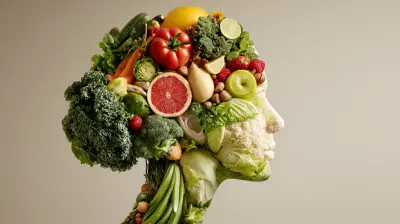
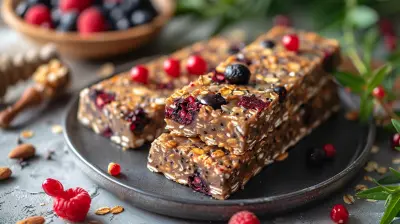
Are Superfoods Really Super? A Science-Based Look Ahead to 2026
18 April 2026
Ah, superfoods! Those magical little morsels that promise to turn us all into health-conscious superheroes. Picture this: you’re munching on chia seeds while wearing a cape, and suddenly, you can fly. Okay, maybe not, but wouldn’t that be something? As we zoom into 2026, it’s time to take a good, hard look at whether these so-called superfoods are truly worthy of their superhero status or if they’re just fancy marketing ploys trying to have their moment in the spotlight. Grab your kale smoothie, and let’s dive into this deliciously complex topic!
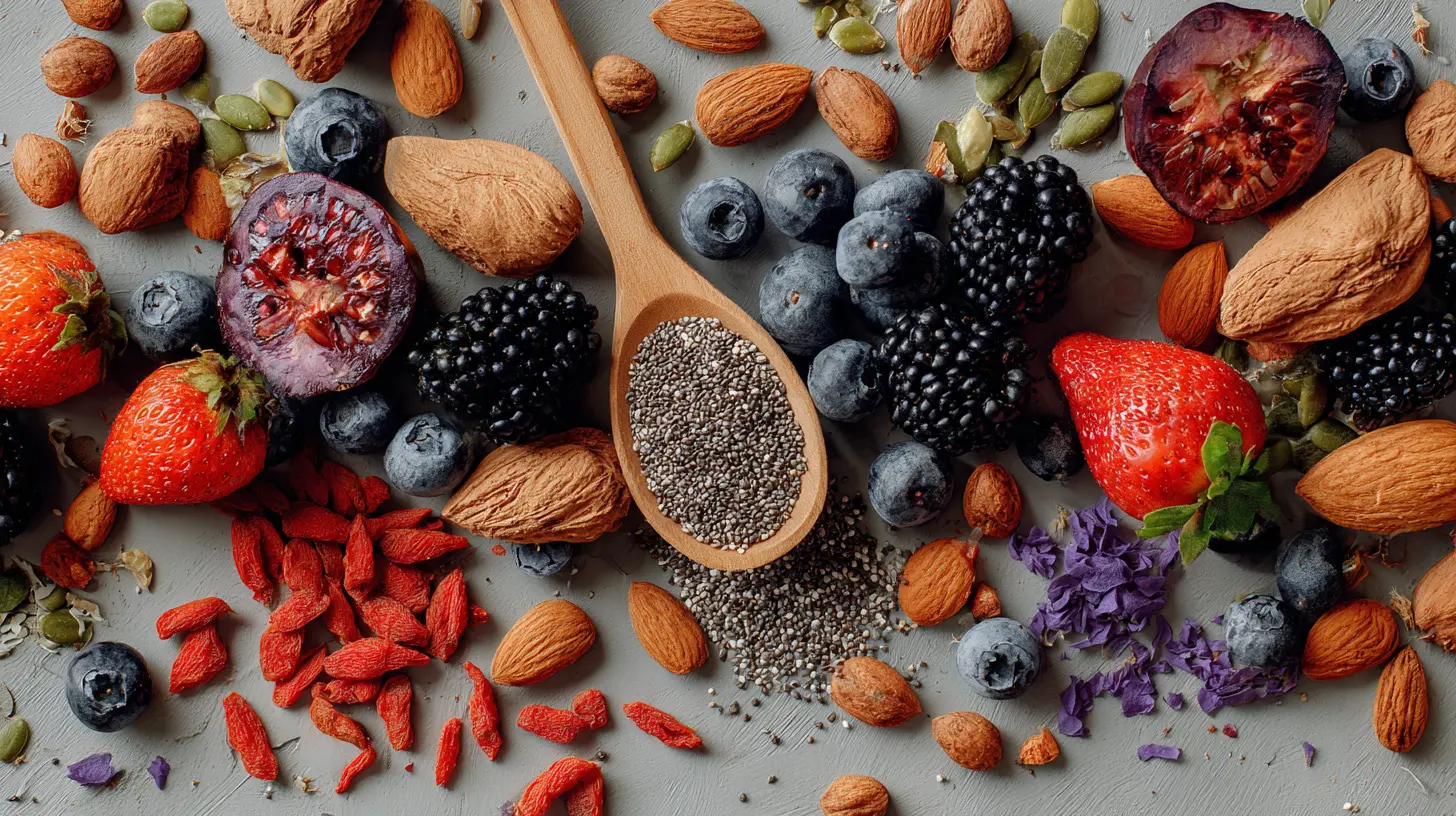
What Are Superfoods Anyway?
Before we can determine if these foods deserve their super title, let’s clarify what a superfood even is. Generally, the term refers to foods that are packed with nutrients, vitamins, and minerals, but they’re not on the official food pyramid. Think of them as the cool kids in the cafeteria, wearing shades and strutting around like they own the place.Some examples include:
- Kale: The leafy green that commands respect at every health food store.
- Quinoa: The tiny grain that sounds like it could be the name of a planet in a sci-fi movie.
- Acai Berries: The little purple powerhouses that make smoothies look Instagram-ready.
- Chia Seeds: The tiny seeds that somehow manage to create a gelatinous explosion in your smoothie.
But are they really as super as everyone claims? Let’s break it down.
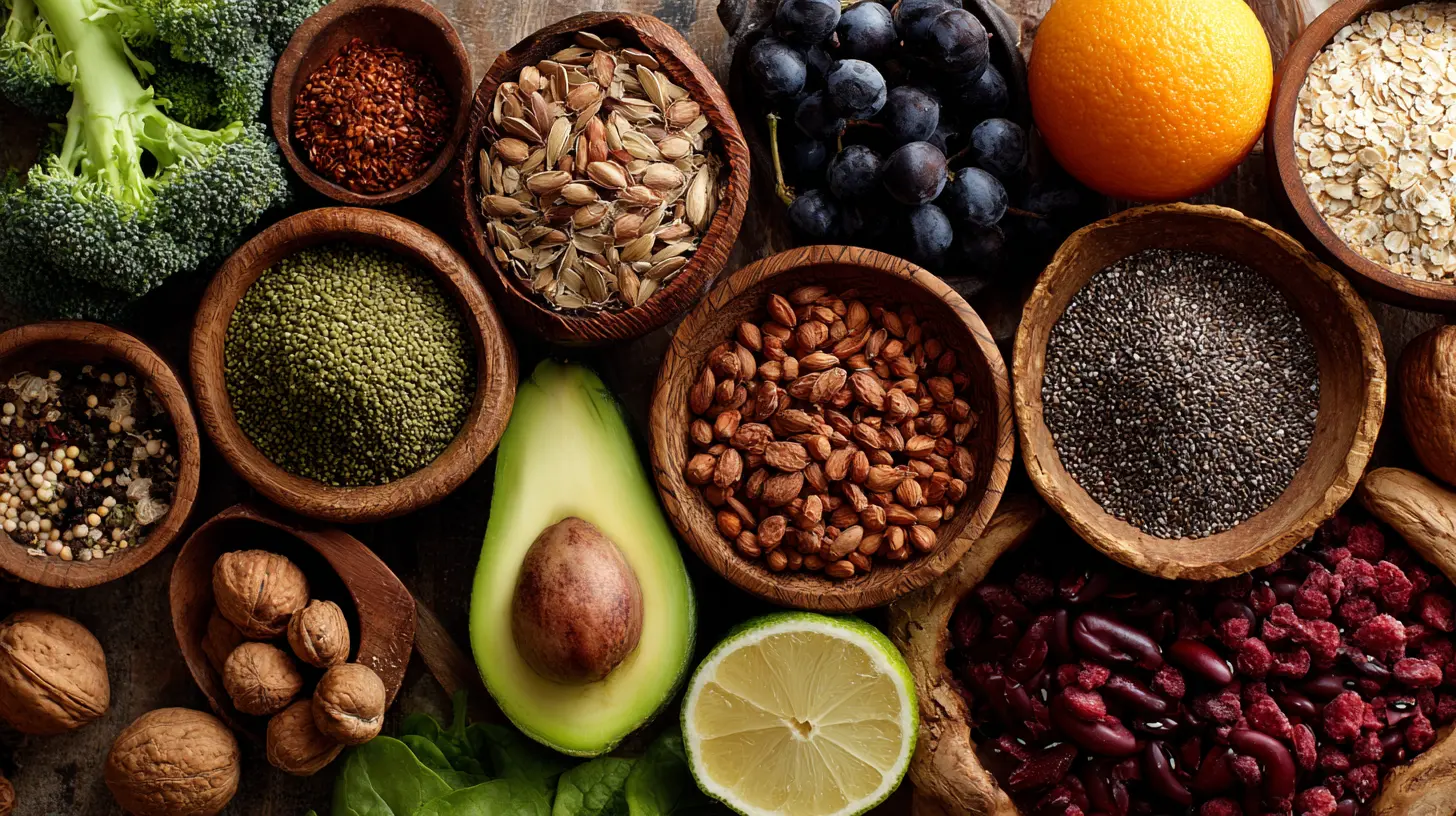
The Science Behind Superfoods: What’s the Buzz?
While these foods have gained a cult following, it’s essential to dive into the science behind the hype. Research often backs up the claims about their nutritional value, but does that make them the cure-all for our ailments? Let’s take a look at a few popular ones.Kale: The Leafy Green Gladiator
Kale is often touted as a nutrient-dense powerhouse. It’s filled with vitamins A, C, K, and a treasure chest of antioxidants. Some studies suggest that regular consumption of kale can help reduce cholesterol and improve heart health. However, is it enough to make you invincible? Probably not. Eating kale won’t magically solve all your problems, but it can definitely be a part of a balanced diet. Think of it as a trusty sidekick rather than the main hero.Quinoa: The Grain of Many Sides
Quinoa has made its way from ancient Peru to trendy salad bowls everywhere. Packed with protein and fiber, it’s often hailed as a complete protein source. But here's the kicker: you could easily get the same nutrients from other sources, like beans or lentils. So while quinoa deserves a round of applause, it shouldn’t take a victory lap just yet.Acai Berries: The Purple Haze
Acai berries are often marketed as a miracle food that can help you lose weight, boost energy, and make you look ten years younger. The truth is, they’re packed with antioxidants, but those claims? Well, they may be a bit overblown. Eating a bowl of acai might make you feel fabulous, but let’s not forget that moderation is key. Too much of even the best things can lead to trouble, including our dear friend acai.Chia Seeds: Tiny But Mighty?
Chia seeds can absorb an impressive amount of water, turning into a gel-like substance that’s perfect for puddings, smoothies, and, let’s face it, making a mess. Rich in omega-3 fatty acids, they are indeed beneficial for heart health. However, they’re not a magical cure for all ailments. So while they might help you stay hydrated, they won’t magically turn you into a marathon runner overnight.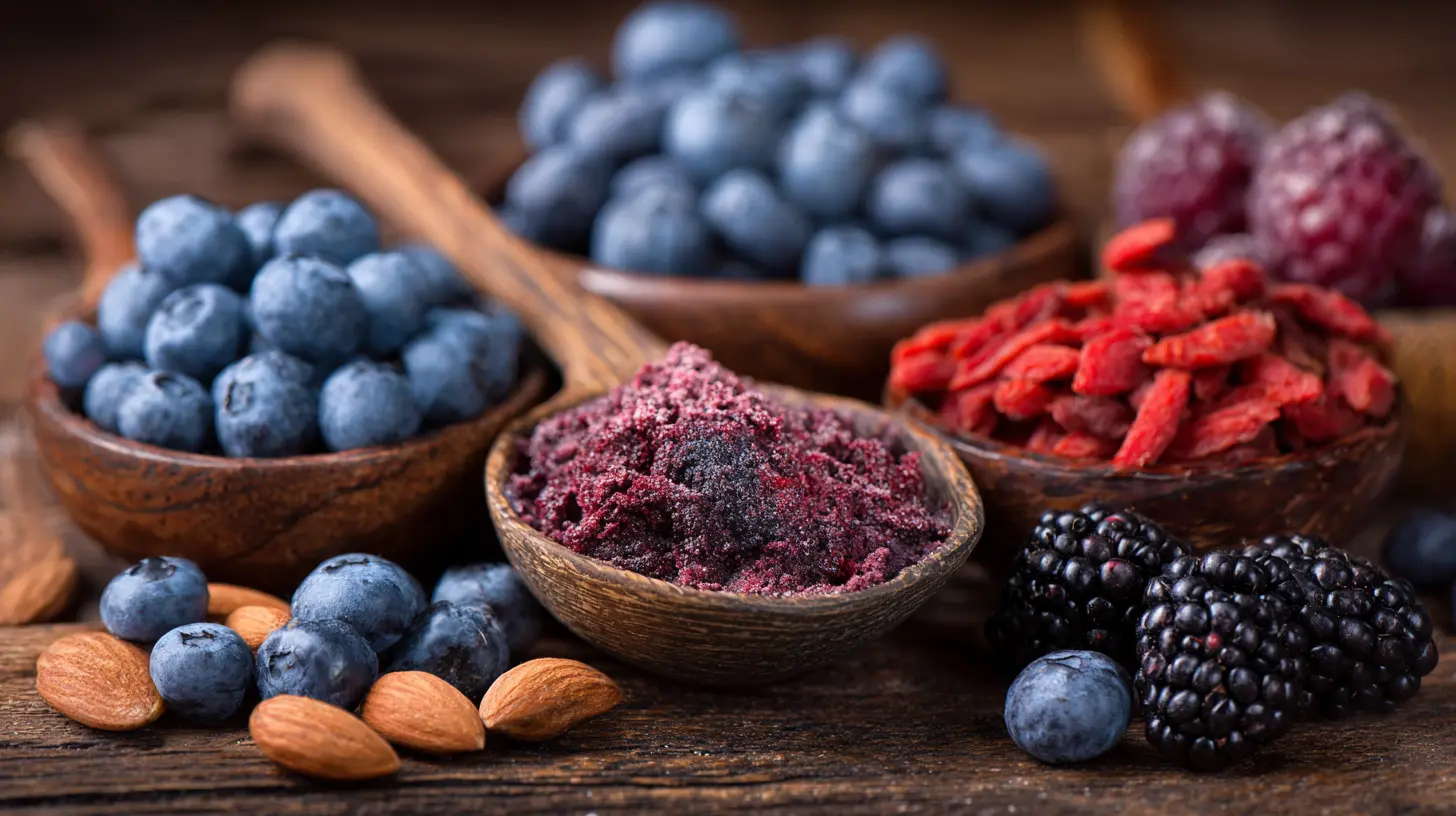
The Marketing Machine Behind Superfoods
So why do these foods get the royal treatment while others languish in obscurity? Let’s take a peek behind the curtain of the marketing machine.The Hype Train
Superfoods are often marketed in ways that make them sound like they possess otherworldly powers. The internet is teeming with influencers declaring their love for a specific superfood, and before you know it, everyone is scrambling to stock their pantries. But let’s be real: the food industry has a flair for the dramatic.Health Claims vs. Reality
When reading health claims, it’s essential to approach them with a critical eye. Many studies are funded by companies with a vested interest in promoting certain foods. The result? An avalanche of claims that may not always be backed by concrete evidence. So, while that kale chip might be the best thing since sliced bread, it’s wise to take the hype with a pinch of salt—or perhaps a sprinkle of chia seeds.
Superfoods or Super Fads? The Trendy Predicament
As we look ahead to 2026, it’s worth pondering whether these superfoods are just fleeting trends. Remember when kale was all the rage, and now it’s a staple? Trends tend to ebb and flow, and some foods may find themselves wearing out their welcome.The Rise of New Superfoods
Every year seems to bring a new contender for the superfood title. One year it’s matcha, the next it’s spirulina. It’s like a never-ending popularity contest that leaves us wondering what’s next. As we move toward 2026, we may see foods like:- Moringa: The leafy green that’s been dubbed a “miracle tree.”
- Seaweed: Yes, the stuff you see in sushi might just take the crown.
- Jackfruit: Moving from the sidelines to the main stage as a meat alternative.
But will they be as super as advertised? Only time will tell!
A Balanced Diet: The Real Superhero
Let’s cut to the chase. While superfoods can have impressive health benefits, a single food isn’t going to save the day. Remember the age-old adage, “everything in moderation”? It’s still true! Eating a variety of foods, focusing on whole foods, and balancing your diet are essential.The Power of Variety
Imagine if Superman only ate Kryptonite. Not a great plan, right? The same applies to your diet. A balanced approach that includes a diverse range of fruits, vegetables, grains, and proteins will serve you better than relying solely on superfoods. Mix it up! Your taste buds will thank you, and you’ll get a well-rounded array of nutrients.The Role of Lifestyle
While nutrition plays a huge role in health, don’t forget about other factors! Regular exercise, adequate sleep, and stress management are vital. You could be munching on all the kale in the world, but if you’re stressed to the max, your health could still suffer. So, put down that kale chip and take a moment to breathe.
Looking Ahead: What’s Next for Superfoods?
As we peek into our crystal ball and gaze towards 2026, what can we expect in the world of superfoods?More Science, Please!
One thing we can hope for is more science-backed studies. As consumers become more aware of health claims, the need for solid evidence will only grow. This could lead to a more informed approach from both consumers and producers.Sustainability Matters
With increasing attention to environmental issues, the sustainability of superfoods will become a hot topic. Foods that are not only good for us but also good for the planet will rise in popularity. We may see more focus on local superfoods that don’t have to travel halfway around the world to reach us.The Superfood Medley
Instead of superfoods standing alone, there might be a growing trend of blending them into tasty concoctions. Think smoothies that are not just acai but also incorporate kale, chia seeds, and a dash of jackfruit for flair. Who doesn’t want their morning smoothie to resemble a health potion?Conclusion: The Verdict on Superfoods
So, are superfoods really super? The answer isn’t as clear-cut as we’d like. While they do offer nutritional benefits, they aren’t the magical cure-alls they’re sometimes made out to be. Instead of getting swept away by trends, focus on a balanced, diverse diet, and keep your eyes peeled for new superfood contenders.After all, the real superheroes are those who make mindful choices about their health, and that doesn’t just mean following the latest fad. Here’s to a future where we savor the journey of health, one bite at a time!
all images in this post were generated using AI tools
Category:
Nutrition MythsAuthor:

Angelo McGillivray
Discussion
rate this article
2 comments
Poppy Larsen
Critical insights on superfoods; evidence matters!
April 25, 2026 at 4:35 AM
Angelo McGillivray
Thanks for your comment! Evidence is key, and it's important to keep questioning the hype around superfoods as we look ahead to 2026.
Paris Strickland
This article provides a thoughtful perspective on superfoods. It's encouraging to see a science-based approach, helping us navigate nutrition choices with clarity and understanding as we look toward 2026.
April 23, 2026 at 4:29 AM
Angelo McGillivray
I'm glad you found the article insightful. It's important to base our nutrition choices on solid science as we move forward. Thank you for your feedback!