Exploring the Relationship Between Nutrition and Mental Health
28 May 2026
Ever heard the saying, You are what you eat? Well, when it comes to mental health, that statement might be truer than you think. What we put on our plates doesn’t just affect our waistlines—it profoundly impacts our brains and emotions. Think of food as fuel; if you feed your body junk, your mind isn’t going to run at full speed.
In today’s fast-paced world, mental health issues like anxiety and depression are on the rise. While therapy and medication are often considered the go-to solutions, we can’t ignore a major factor—nutrition. The link between diet and mental well-being is undeniable. So, let’s take a deep dive into how food influences our mood, cognition, and overall mental health.
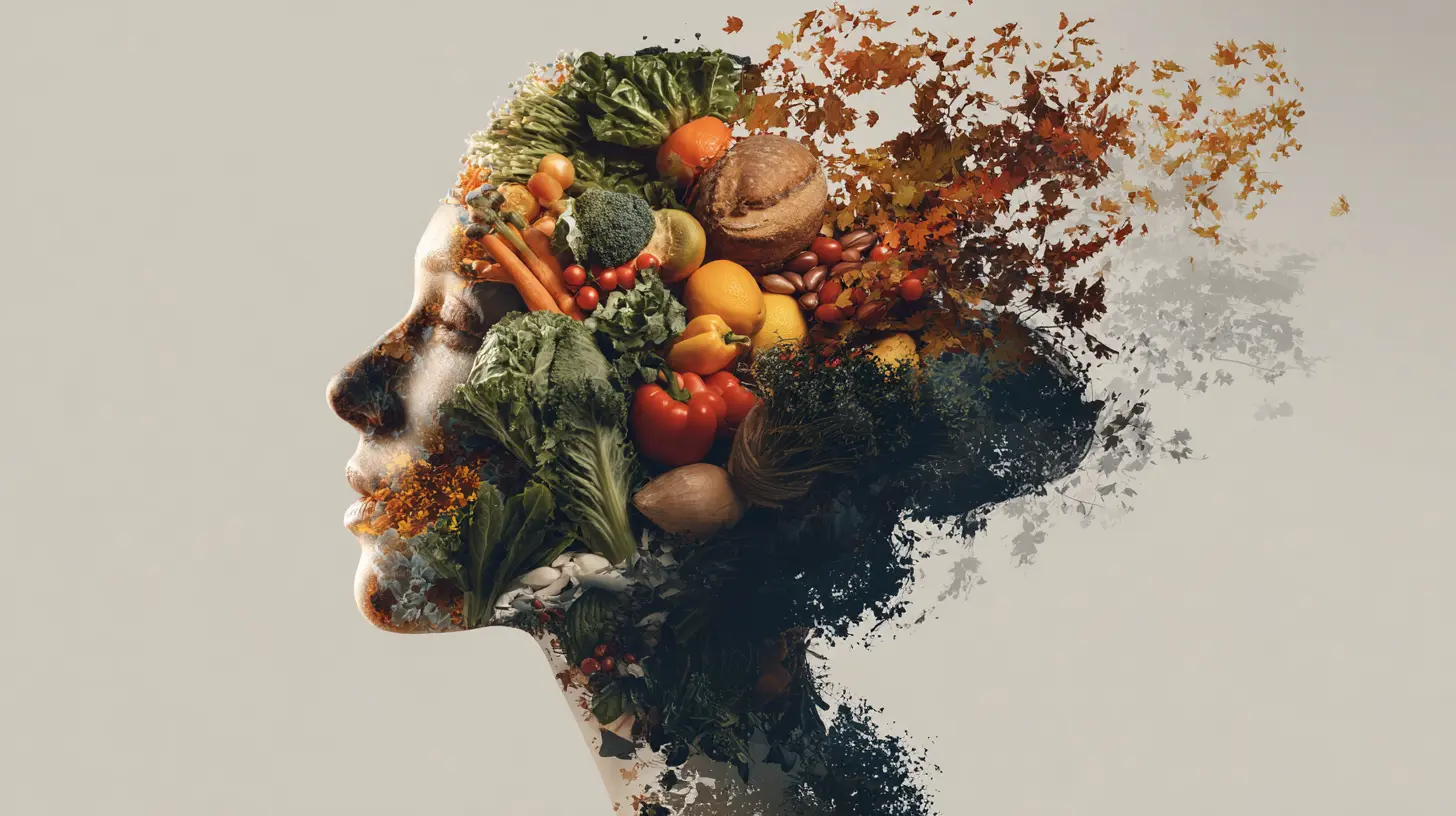
How Nutrition Affects Mental Health
Our brain is a powerhouse, constantly working to process emotions, thoughts, and memories. But like any machine, it requires the right fuel to function properly. Poor nutrition leads to deficiencies in essential vitamins and minerals, which can trigger mood swings, fatigue, and even mental health disorders over time.Let’s break it down even further.
1. The Gut-Brain Connection
Did you know your gut is often called the "second brain"? That’s because your digestive system and brain are deeply connected through the gut-brain axis. This means that what happens in your gut directly affects your brain. Crazy, right?Your gut is home to trillions of bacteria that influence neurotransmitter production. Serotonin, the feel-good hormone, is mainly produced in your gut. If your gut health is off balance due to a poor diet, it can lead to increased anxiety, depression, and brain fog.
Foods that support gut health:
- Probiotic-rich foods like yogurt, kimchi, and sauerkraut
- Prebiotic foods like garlic, onions, and bananas
- High-fiber foods like whole grains, legumes, and vegetables
2. Blood Sugar and Mood Swings
Ever felt grumpy or sluggish after skipping a meal? That’s because blood sugar levels play a significant role in mental health. When you eat processed foods loaded with sugar, your blood sugar spikes rapidly, only to crash just as quickly—leading to mood swings and irritability.To keep your mind stable, focus on eating complex carbohydrates that provide a steady release of energy.
Best foods for stable blood sugar:
- Whole grains like brown rice, quinoa, and oats
- Lean proteins like chicken, fish, and tofu
- Healthy fats like avocados, nuts, and olive oil
3. Key Nutrients for Mental Well-Being
a) Omega-3 Fatty Acids – The Brain’s Best Friend
Omega-3s are like a supercharger for your brain. They reduce inflammation, enhance brain function, and even help manage depression and anxiety.Where to get them: Fatty fish (salmon, mackerel, sardines), flaxseeds, chia seeds, walnuts
b) B Vitamins – The Stress Relievers
B vitamins, especially B6, B12, and folate, play a crucial role in producing neurotransmitters like serotonin and dopamine. A deficiency in these can lead to feelings of sadness and fatigue.Where to get them: Leafy greens, eggs, poultry, whole grains, legumes
c) Magnesium – The Relaxation Mineral
Magnesium is known for its calming effects. It helps regulate cortisol, the stress hormone, and promotes better sleep—both of which are crucial for mental health.Where to get it: Dark chocolate (yes, really!), nuts, seeds, spinach, avocado
d) Vitamin D – The Sunshine Vitamin
Low levels of vitamin D are linked to depression and mood disorders. Since most people don’t get enough sun exposure, supplementing through diet is a great option.Where to get it: Fatty fish, egg yolks, fortified dairy products, mushrooms
Foods That Harm Mental Health
Just as there are foods that boost mental well-being, some can have the opposite effect. Processed foods, artificial sweeteners, and excessive caffeine can wreak havoc on your brain.1. Processed Foods and Fast Food
Highly processed meals are often packed with unhealthy fats, refined sugars, and artificial additives. They contribute to inflammation, which has been linked to depression and cognitive decline.2. Excessive Sugar
Too much sugar leads to energy crashes and imbalances in brain function. It’s even been linked to increased anxiety and depression. So, while that extra donut may be tempting, your brain won't thank you later.3. Artificial Sweeteners
Think diet sodas are a healthy alternative? Think again. Artificial sweeteners, particularly aspartame, have been linked to mood swings and cognitive issues. Sticking to natural alternatives like honey or stevia is a better choice.4. Too Much Caffeine
Love your coffee? You’re not alone. While caffeine in moderation can be beneficial, excessive consumption can lead to increased anxiety, restlessness, and disrupted sleep—all of which negatively impact mental health.
The Role of Hydration in Mental Health
We often focus on food but forget about water. Dehydration can cause headaches, fatigue, and confusion, leading to poor concentration and irritability. Your brain is about 75% water, so keeping it hydrated is non-negotiable!Simple hydration tips:
- Aim for at least 8 glasses of water daily
- Limit sugary drinks and excessive caffeine
- Infuse water with lemon, cucumber, or mint for extra flavor
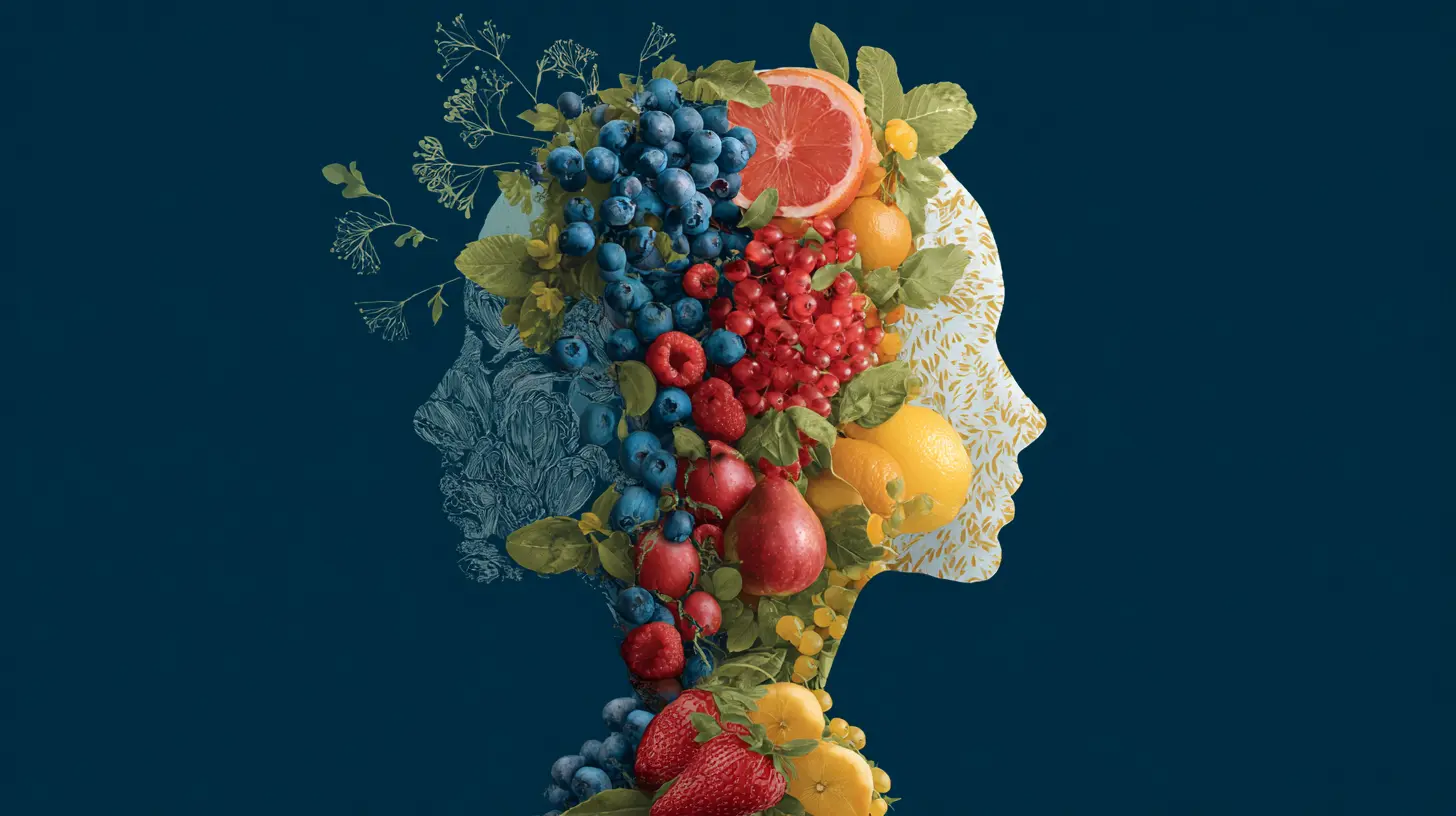
The Mediterranean Diet: A Gold Standard for Mental Health
The Mediterranean diet is one of the most highly recommended for both physical and mental well-being. Rich in whole foods, healthy fats, and lean proteins, it reduces the risk of depression and supports brain function.Key Components of the Mediterranean Diet:
✅ Fresh vegetables and fruits✅ Whole grains
✅ Healthy fats from nuts, seeds, and olive oil
✅ Lean proteins like fish and poultry
✅ Limited processed foods and refined sugars
Studies show that people who follow this diet have lower rates of depression and cognitive decline compared to those who consume a Western-style diet high in processed foods.
Simple Tips to Improve Your Nutrition for Better Mental Health
Making small changes to your diet can lead to big improvements in your mental well-being. Here’s how you can start:1. Prioritize Whole Foods – Opt for fresh, natural foods over processed options.
2. Limit Sugar and Junk Food – Swap soda and junk snacks for healthier alternatives.
3. Eat More Omega-3s – Include fatty fish or flaxseeds in your diet.
4. Stay Hydrated – Drink plenty of water throughout the day.
5. Don’t Skip Meals – Keep your blood sugar stable by eating balanced meals.
6. Get Enough Vitamin D – Spend some time in the sun or eat vitamin D-rich foods.
7. Practice Mindful Eating – Pay attention to what and how you eat rather than rushing meals.
Final Thoughts
Your diet doesn't just affect your body—it has a direct link to your mind as well. By making small, intentional changes in what you eat, you can significantly boost your mood, focus, and overall mental well-being.So, the next time you sit down for a meal, ask yourself: Is this fueling my brain the right way? Because when you nourish your body with the right foods, your mind will thank you with improved clarity, stability, and happiness.
all images in this post were generated using AI tools
Category:
Mental WellnessAuthor:

Angelo McGillivray
Discussion
rate this article
2 comments
Heather Hardy
Nutrition profoundly influences mental well-being.
July 12, 2026 at 3:28 PM
Angelo McGillivray
Absolutely. A balanced diet can significantly impact mood and cognitive function, highlighting the connection between what we eat and how we feel.
Patricia McGinnis
Nutrition plays a crucial role in mental health, and we cannot afford to overlook it. A balanced diet rich in nutrients can significantly impact mood, cognition, and overall well-being. Prioritizing what we eat is essential for not just physical health, but for mental clarity and emotional stability too.
May 29, 2026 at 4:16 AM
Angelo McGillivray
Absolutely. Nutrition directly influences mental health, and a nutrient-rich diet can enhance mood and cognitive function. It's vital we recognize this connection for our overall well-being.