Beginner’s Guide to Resistance Bands for Muscle Building
19 May 2026
Muscle building doesn’t always require heavy weights or expensive gym memberships. If you’re looking for an effective, budget-friendly, and convenient way to build muscle, resistance bands are your secret weapon. They’re lightweight, versatile, and can give you a killer workout anywhere—whether at home, in a hotel room, or even in the park.
But do they actually help build muscle? And how should you incorporate them into your routine for maximum results? Let's dive in and break it all down in this beginner-friendly guide.
What Are Resistance Bands?
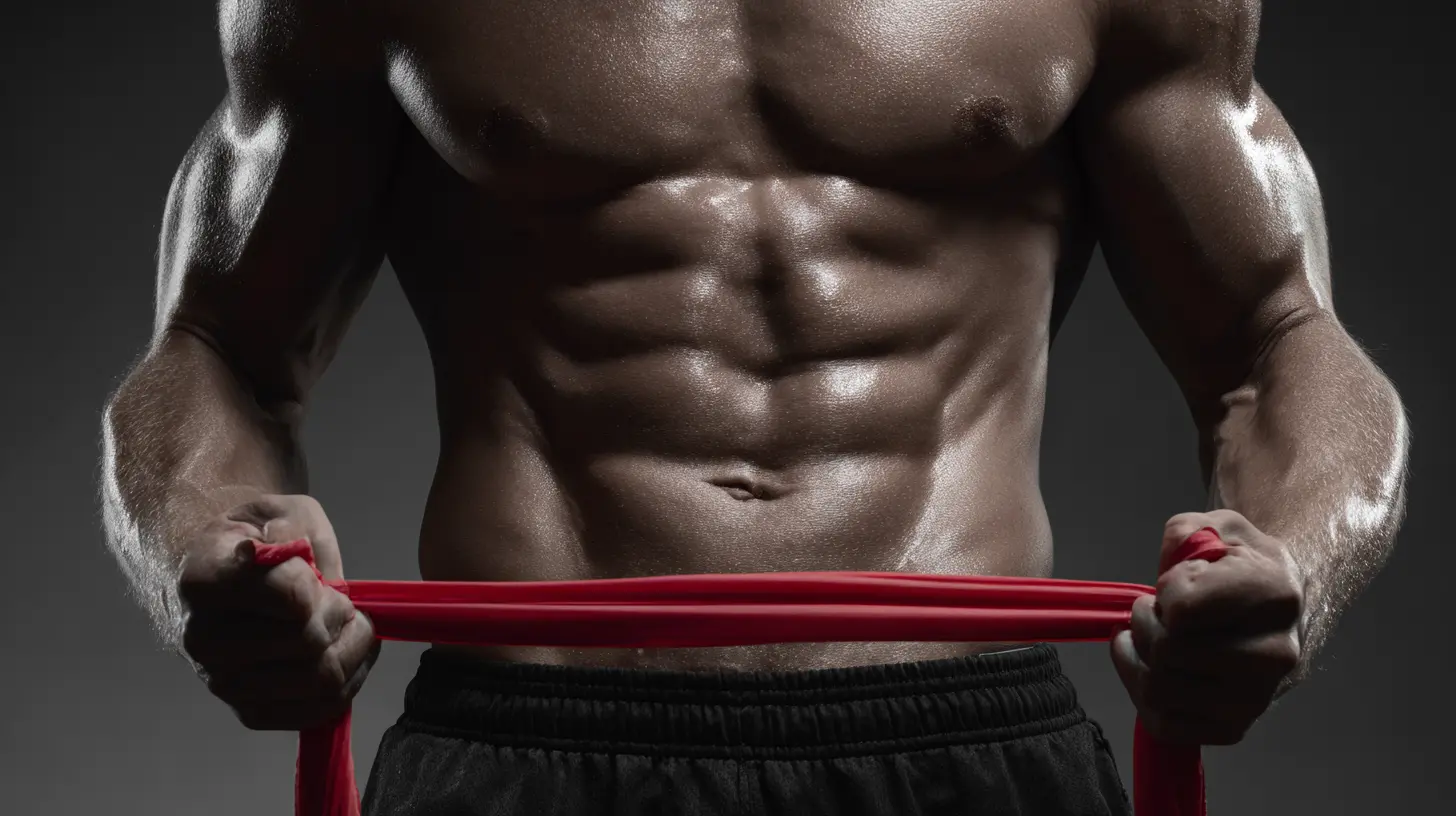
Resistance bands are stretchable, elastic bands designed to provide varying levels of resistance when stretched. Think of them like portable dumbbells—but instead of relying on gravity, they work by creating constant tension throughout your movements. This means your muscles stay engaged for longer, leading to greater strength and endurance over time.They come in different types, thicknesses, and resistance levels, making them perfect for beginners and advanced fitness enthusiasts alike.
Types of Resistance Bands
Not all resistance bands are the same. Here are the main types you’ll come across:1. Loop Bands (Mini Bands)
These are small, circular bands often used for lower-body workouts like squats, glute bridges, and hip thrusts. They’re great for activating muscles and adding extra resistance to bodyweight exercises.2. Tube Bands with Handles
These bands come with handles on each end, making them ideal for upper-body exercises like bicep curls, chest presses, and rows. They mimic traditional gym exercises with weights, making them a great alternative to dumbbells.3. Flat Bands (Therapy Bands)
These are commonly used for physical therapy and rehabilitation but can also be incorporated into strength training. They provide consistent resistance and are useful for gentle stretching and muscle activation.4. Figure-8 Bands
Shaped like an "8", these bands provide a fixed length of resistance, making them perfect for controlled movements and targeted muscle activation.5. Heavy-Duty Bands (Power Bands)
These thick, looped bands provide heavy resistance and are commonly used for assisted pull-ups, deadlifts, and squats. They’re great for building serious strength and power.
How Do Resistance Bands Help in Muscle Building?
Many people assume that heavy weights are the only way to build muscle, but that’s not true. Resistance bands work by creating tension in your muscles, forcing them to work harder. This leads to muscular hypertrophy (aka muscle growth), just like traditional weightlifting.Here’s how resistance bands help build muscle:
- Constant Tension – Unlike free weights, which provide resistance only when gravity is involved, bands keep your muscles engaged throughout the entire movement.
- Increased Time Under Tension – The longer your muscles stay under tension, the more muscle fibers get activated, leading to growth.
- Versatility – You can perform a wide range of exercises targeting every muscle group with just one set of bands.
- Controlled Movements – Unlike heavy weights that can strain your joints, bands allow for smooth, controlled movements, reducing the risk of injury.
Best Resistance Band Exercises for Muscle Growth
If you're ready to start incorporating resistance bands into your routine, here are some of the best exercises for muscle building:Upper Body Workouts
1. Resistance Band Push-Ups
Wrap a resistance band around your back and hold the ends in each hand. Perform regular push-ups while fighting against the band’s resistance to build chest, shoulder, and triceps strength.2. Banded Rows
Anchor the band at a low point, grab the handles, and pull towards your chest, squeezing your shoulder blades together. This targets your back muscles and improves posture.3. Bicep Curls
Stand on the band with both feet and hold the handles. Curl your arms up toward your shoulders, squeezing your biceps at the top. This mimics traditional dumbbell curls.4. Shoulder Press
Step on the band and press the handles overhead. This strengthens your shoulders while also engaging your core.Lower Body Workouts
5. Squats with Resistance Bands
Place a loop band above your knees or step on a tube band while holding the handles at shoulder height. Perform squats as usual, engaging your glutes and quads.6. Glute Bridges
Place a loop band around your thighs and lie on your back with your knees bent. Lift your hips while pushing against the band to activate your glutes.7. Lunges with Resistance Bands
Step on the band with one foot and hold the handles at shoulder height. Perform lunges while maintaining tension in the band.Core and Full-Body Workouts
8. Banded Russian Twists
Sit on the floor with your legs bent, holding a resistance band with both hands. Twist your torso from side to side to engage your obliques.9. Deadlifts
Step on the band with both feet, bend at your hips, and pull up while keeping your back straight. This targets your hamstrings, glutes, and lower back.10. Plank with Resistance Band Rows
Get into a plank position with a band anchored to something in front of you. Pull the band with one hand at a time while keeping your core engaged.
How to Structure a Resistance Band Workout for Maximum Muscle Growth
For the best results, structure your workouts properly. Here’s a simple plan to help you get started:Beginner-Friendly Resistance Band Workout Plan
| Workout | Sets | Reps | Rest Time ||--------------|---------|----------|---------------|
| Banded Squats | 3 | 12-15 | 30-45 sec |
| Resistance Band Push-Ups | 3 | 10-12 | 30-45 sec |
| Bicep Curls | 3 | 12-15 | 30-45 sec |
| Shoulder Press | 3 | 10-12 | 30-45 sec |
| Deadlifts | 3 | 10-12 | 30-45 sec |
| Plank With Rows | 3 | 12 (each side) | 30-45 sec |
Progression Tips
- Start with a lighter resistance band and gradually increase the resistance as you get stronger.- Increase the number of sets or reps over time.
- Focus on slow, controlled movements to maximize muscle tension.
Common Mistakes to Avoid
- Using Bands That Are Too Light – If an exercise feels too easy, you’re not challenging your muscles enough.- Skipping Proper Form – Just like with weights, bad form can lead to injury. Focus on control and technique.
- Not Engaging Your Core – Keeping your core engaged improves balance and prevents strain on your lower back.
- Rushing Through Reps – Slow and controlled reps increase muscle activation and promote faster gains.
Final Thoughts
Resistance bands are an excellent tool for building muscle without the need for bulky equipment. They offer versatility, effectiveness, and convenience—all without putting excessive strain on your joints. Whether you're working out at home, traveling, or just looking to switch up your routine, resistance bands can help you get stronger and sculpt your body effectively.So, what are you waiting for? Grab a set of resistance bands and start crushing your muscle-building goals today!
all images in this post were generated using AI tools
Category:
BodybuildingAuthor:

Angelo McGillivray
Discussion
rate this article
2 comments
Zephyrion McCall
This article is a fantastic starting point for anyone looking to build strength with resistance bands. The tips are clear and achievable. You've got this-enjoy your journey to better health!
June 27, 2026 at 4:31 AM
Angelo McGillivray
Thank you! I'm glad you found the tips helpful. Enjoy your journey with resistance bands!
Natalie Snow
Resistance bands are a fantastic way to kickstart your muscle-building journey! They are portable, versatile, and perfect for beginners. Whether you're at home or on the go, you can fit in a great workout. Just grab a band and start stretching your limits... you got this!
May 23, 2026 at 3:00 AM
Angelo McGillivray
Thanks for your support! Resistance bands really are a game changer for beginners. Get ready to see some great progress.