Sun Safety for Hikers and Campers: Strategies for Outdoor Enthusiasts
18 March 2026
There’s nothing like the great outdoors—fresh air, breathtaking landscapes, and an escape from the daily grind. But if you're an avid hiker or camper, you know that the sun can be both your best friend and worst enemy. While it provides essential warmth and vitamin D, prolonged exposure can leave you sunburned, dehydrated, and exhausted.
So, how do you enjoy the wilderness while keeping your skin and health protected? Let’s dive into the best sun safety strategies to ensure your outdoor adventures remain fun and safe. 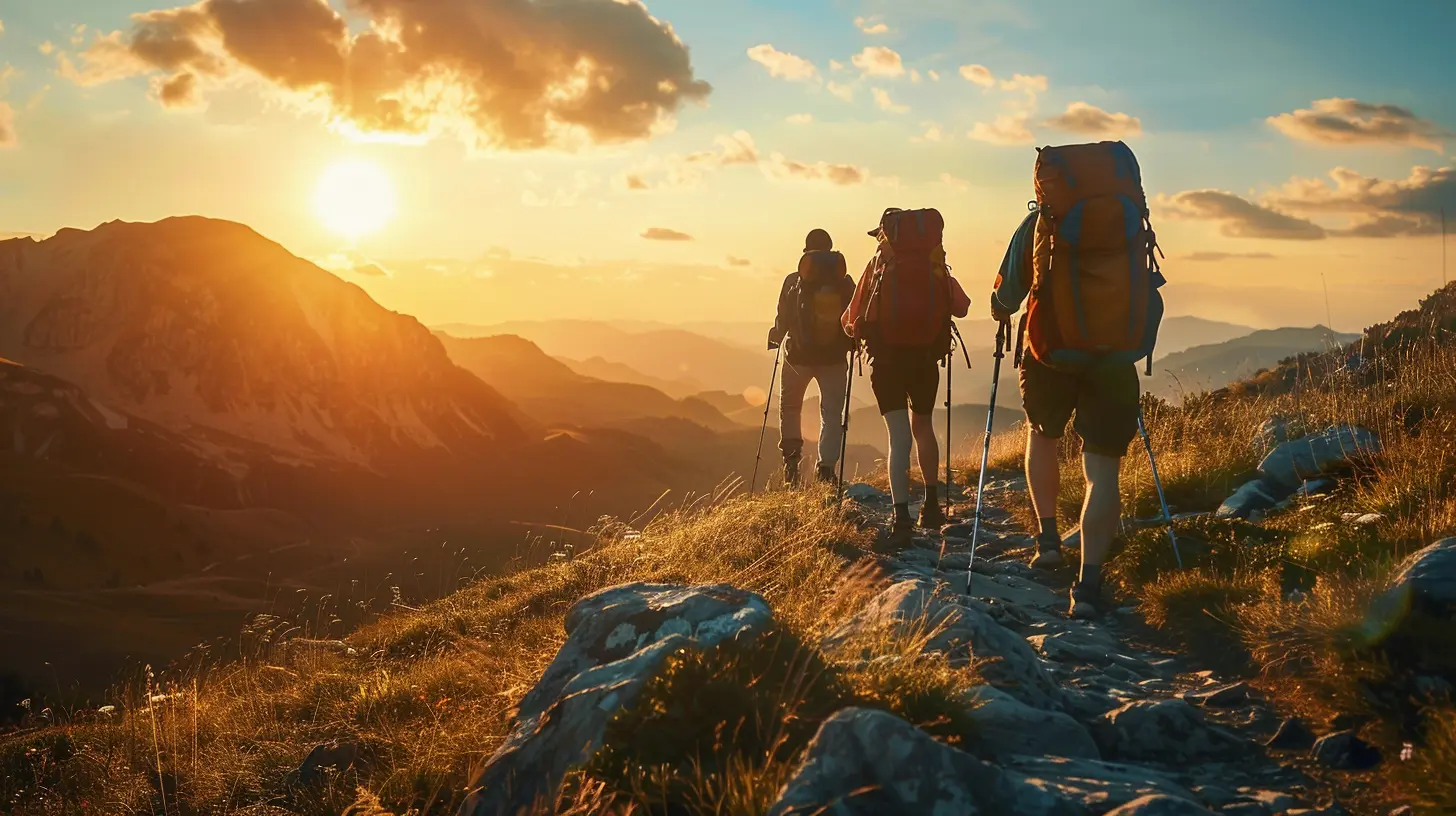
Why Sun Protection Matters for Hikers and Campers
You might think a little sunshine won’t hurt, but the truth is, excessive sun exposure can lead to serious health issues, including:- Sunburn – Painful, red skin that peels after a few days.
- Premature aging – Wrinkles, sunspots, and skin damage over time.
- Heat exhaustion & heat stroke – Overheating can lead to dizziness, nausea, and even life-threatening conditions.
- Skin cancer – UV radiation is the leading cause of skin cancer, including melanoma.
When you're out in nature for extended periods, your risk increases dramatically. That’s why taking proactive measures is crucial! 
Best Strategies for Sun Safety During Outdoor Adventures
Now that we know the risks, let's break down the best ways to protect yourself while enjoying hiking and camping.
1. Wear the Right Clothing
Your clothes are your first line of defense against the sun. The right gear can make all the difference.What to Wear:
✔ Lightweight, long-sleeve shirts and pants – They provide coverage without making you overheat.✔ UPF-rated clothing – Specially designed to block harmful UV rays.
✔ A wide-brimmed hat – Protects your face, neck, and ears better than a baseball cap.
✔ Sunglasses with UV protection – Your eyes can get sun damage too!
Opt for breathable fabrics like polyester or nylon to stay cool while staying protected.
2. Apply (and Reapply) Sunscreen
Sunscreen is your best friend when it comes to beating harmful UV rays. But not all sunscreens are created equal!Choosing the Right Sunscreen
✔ SPF 30 or higher – Anything lower won't offer enough protection.✔ Broad-spectrum – Shields against both UVA and UVB rays.
✔ Water-resistant – Essential if you're sweating or near water.
How to Use It Properly:
- Apply at least 30 minutes before heading outside.- Use enough—about a shot glass worth for your body.
- Don’t forget commonly missed spots like your ears, neck, and back of your hands.
- Reapply every two hours, or more frequently if sweating a lot.
Skipping sunscreen is like going into battle without armor—you’re asking for trouble!
3. Hike Smart: Time Your Outdoor Activities
Did you know the sun is at its strongest between 10 AM and 4 PM? If possible, plan your hikes and outdoor activities around these peak hours.Best Practices:
✔ Hit the trails early in the morning or late in the afternoon.✔ Take breaks in shaded areas to cool down.
✔ Use natural cover like trees and rock formations to shield yourself.
Timing can be just as important as sunscreen when it comes to avoiding the sun’s harshest rays.
4. Stay Hydrated to Combat Heat
Dehydration sneaks up on you faster than you think, especially in the sun. When you're sweating under the blazing heat, you’re losing essential fluids that need to be replaced.Hydration Hacks:
✔ Drink water regularly – Aim for at least half a liter per hour during intense hikes.✔ Use electrolyte drinks – They replenish lost salts and keep you energized.
✔ Avoid alcohol and caffeine – They dehydrate you faster.
✔ Carry a hydration pack – Easier than stopping to grab a bottle every few minutes.
Pro tip: If you’re thirsty, you’re already dehydrated—so keep sipping throughout the day!
5. Be Aware of Altitude and Reflection Risks
Higher elevations and reflective surfaces, like snow or water, intensify UV exposure. Did you know that UV rays are stronger by about 10% for every 1,000 meters you climb?What This Means for Hikers & Campers:
✔ The higher you go, the more UV protection you need.✔ Use sunglasses and sunscreen even in cold, snowy environments (snow reflects up to 80% of UV rays!).
✔ Water acts as a mirror, bouncing sunlight back at you, so protect yourself when boating or camping near lakes and rivers.
Even on a cloudy day, UV rays penetrate through—so never skip protection just because the sun isn’t glaring.
6. Don’t Forget Lip Protection
Your lips are just as vulnerable to sunburn as your skin, yet they’re often overlooked.✔ Use an SPF lip balm – Aim for SPF 30 or higher.
✔ Reapply frequently – Just like sunscreen, it wears off with eating, drinking, and sweating.
Chapped, sunburned lips are no fun, and prolonged exposure can even lead to lip cancer—so don’t neglect them!
7. Camp Wisely: Set Up in the Right Spot
Where you pitch your tent matters! Choosing a shady campsite can make your experience much more comfortable (and sun-safe).How to Choose a Good Campsite:
✔ Look for natural shade – Trees, cliffs, or rock formations provide excellent cover.✔ Use sun shelters or tarps – Extra protection when natural shade isn’t available.
✔ Position your tent wisely – If possible, avoid direct sunlight during peak sun hours.
A strategic campsite setup means you won't wake up in a sauna-like tent or suffer through the heat in the middle of the day.
8. Know the Warning Signs of Sun-Related Illnesses
Even with precautions, heat exhaustion and heat stroke can happen. Recognizing the warning signs early can prevent a dangerous situation.Signs of Heat Exhaustion:
✔ Heavy sweating✔ Dizziness or nausea
✔ Weakness or fatigue
✔ Cool, clammy skin
Signs of Heat Stroke (More Serious!):
✔ Confusion or loss of consciousness✔ Hot, red skin (no sweating)
✔ Rapid pulse
✔ Seizures
If you or someone in your group starts showing signs of heat stroke, seek shade immediately, cool them down, and get medical help ASAP! 
Final Thoughts
Spending time outdoors is a fantastic way to stay active, disconnect from screens, and soak in nature’s beauty. But the sun can be harsh, and without proper precautions, it can turn a great adventure into an uncomfortable—or even dangerous—experience.By wearing the right clothing, applying sunscreen, staying hydrated, and being mindful of the sun’s intensity, you can enjoy the outdoors without the burn. So, pack smart, hike safe, and make sun protection a non-negotiable part of your outdoor adventures!
all images in this post were generated using AI tools
Category:
Sun ProtectionAuthor:

Angelo McGillivray
Discussion
rate this article
2 comments
Emery McQuaid
Embracing the great outdoors requires a mindful approach to sun safety. It's a reminder that our connection to nature also demands responsibility—protecting ourselves allows us to savor every moment under the sun while respecting its powerful, life-giving energy.
March 19, 2026 at 4:05 AM
Angelo McGillivray
Absolutely! Prioritizing sun safety enhances our outdoor experiences and fosters a deeper connection with nature. Let's enjoy the sun responsibly!
Harley Roth
Embrace the sun, but respect its power!
March 18, 2026 at 4:12 AM
Angelo McGillivray
Absolutely! It's crucial to enjoy the sun while staying protected. Sun safety is key to a great outdoor experience!