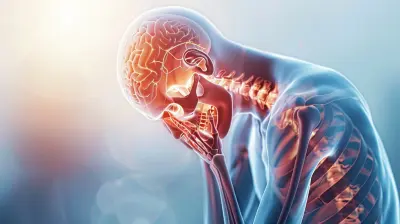
Chronic Pain and Depression: Understanding Their Interconnection
22 July 2026
Let’s talk about something that affects millions of people every single day but often goes unnoticed or misunderstood — the link between chronic pain and depression. If you’ve ever dealt with either one, you know how draining it can be. But have you ever paused to think about how closely tied they actually are?
Picture this: You wake up every morning in pain. Not just the kind of pain that goes away after a stretch or a hot shower, but pain that sits deep, constant, and relentless. Over time, that wears down more than just your body. It chips away at your mood, motivation, and even your sense of hope. That’s where depression often walks in.
This isn't just a coincidence. There's a well-documented, deep-seated connection between chronic pain and depression. Let’s break it down, human-to-human, and get to the roots of this complex relationship.
What Exactly Is Chronic Pain?
First off, let’s define chronic pain. We're not talking about the bruise you got from bumping into your desk or a sore back after lifting something heavy. Chronic pain is pain that lasts for more than three months. It could result from an injury, arthritis, fibromyalgia, or sometimes — and this is the truly frustrating part — it might not have an obvious cause at all.Unlike acute pain, which is your body's natural signal that something is wrong and needs fixing, chronic pain is like that annoying neighbor who just won’t go away. It sticks around even when the injury or illness that caused it has healed.
Unfortunately, since it’s invisible, many people suffering from chronic pain feel like they're not taken seriously. Friends, family, even doctors might think they’re exaggerating. But here’s the truth: Chronic pain is real, and it’s exhausting.
What About Depression?
Now, let’s talk depression. And no, we're not talking about "just feeling sad." Depression is a medical condition that affects how you feel, think, and handle daily activities. It can make you feel hopeless, worthless, and completely overwhelmed.Symptoms of depression can range from the emotional—like persistent sadness—to the physical, such as changes in appetite, fatigue, or trouble sleeping. This is where things start to overlap with chronic pain.
Because—surprise!—depression doesn’t only exist in your head. It creeps into your body, your habits, and how you physically experience the world.
The Vicious Cycle: How Pain and Depression Feed Off Each Other
Chronic pain and depression aren’t just roommates—they’re codependent. One feeds the other in a brutal cycle that’s hard to break.Let’s start with pain leading to depression:
When you're in constant pain, your ability to enjoy life shrinks. You might stop doing the things you love. You cancel plans, struggle at work, or feel like a burden to others. That physical pain starts to shape your emotional state. Over time, hopelessness sets in. That’s depression knocking on the door.On the flip side, depression can actually make the pain worse.
That might sound strange, but it’s true. When you're depressed, your brain processes pain signals differently. It becomes more sensitive to pain, meaning even a small ache feels like a big one. Your body goes into fight-or-flight mode more often, increasing inflammation and muscle tension, which only adds more pain to the mix.So now you’ve got more pain, which deepens the depression, which increases the pain again. It’s like a merry-go-round you didn’t sign up for—but you can’t seem to get off.
The Science Behind the Connection
Let’s nerd out for a second and talk about what’s going on inside your brain.Both chronic pain and depression involve similar brain regions—like the prefrontal cortex and the limbic system—and they mess with important neurotransmitters like serotonin and norepinephrine. You know those “feel good” chemicals? Yeah, those. When they're out of whack, your pain perception and mood both take a hit.
There’s also something called the hypothalamic-pituitary-adrenal (HPA) axis that's involved. It's your body’s stress response system. In people with chronic pain and depression, this system is often in overdrive. It constantly floods your body with stress hormones like cortisol, which can increase inflammation and lower your threshold for pain.
So essentially, your brain is stuck in a dysfunctional loop, sending and receiving faulty messages over and over again. Not exactly a recipe for wellness.
Common Conditions Where Chronic Pain & Depression Go Hand-in-Hand
There are several medical conditions where this pain-depression duo frequently shows up hand-in-hand:- Fibromyalgia
Known for widespread pain, fatigue, and mood disturbances, fibromyalgia is almost a poster child for the pain-depression link.
- Arthritis
Joint pain and stiffness are tough enough, but add the emotional weight of a lifelong condition, and it's easy to see how depression can creep in.
- Lower Back Pain
One of the most common types of chronic pain, and a major cause of missed work and decreased quality of life.
- Migraines
Throbbing, recurring headaches can be debilitating, and they are strongly linked with mood disorders like depression and anxiety.
Identifying the Symptoms: How to Tell If You’re Caught in the Loop
It can be tricky to recognize when chronic pain has crossed the line into depression, or vice versa. Here are a few red flags to watch for:- You’ve stopped doing things you used to enjoy
- You feel hopeless or helpless most days
- You’re having trouble sleeping or sleeping too much
- Your appetite has changed
- You’re more irritable or anxious than usual
- You’ve pulled away from friends and family
- You feel like your pain is getting worse, even without a new injury
If more than a few of these sound familiar, you're not just dealing with “a bad week.” It’s time to talk to someone about it.
Treatment Options: Tackling Both Sides of the Issue
Here’s the good news—there is hope. And better yet, there’s help. The best approach? Treat both the physical and mental aspects together. Here are some paths to consider.Talk Therapy (Psychotherapy)
Cognitive Behavioral Therapy (CBT) is especially effective. It helps you reframe negative thoughts and develop coping strategies. Think of it as rewiring your brain’s pain and emotion processing.Medication
Doctors often prescribe antidepressants like SSRIs or SNRIs because they treat both depression and chronic pain. It’s a two-for-one deal in the best sense.Physical Therapy
Gentle movement, stretching, and strengthening exercises can ease physical pain and boost mood through endorphin release.Mindfulness & Meditation
These practices help you gain control over your reactions to pain and stress. It’s not about ignoring the pain—but becoming more resilient to it.Support Groups
There’s something healing about talking to people who truly get it. Whether it’s in person or online, sharing your experience in a safe space can reduce feelings of isolation and shame.Lifestyle Changes
This one’s big. Regular exercise (even walking counts!), healthy eating, staying hydrated, and lowering alcohol or caffeine intake can all make a world of difference. These aren’t miracle cures, but they build a stronger foundation for healing.What You Can Do Right Now
You don’t have to overhaul your entire life overnight. But here are a few small steps that can help you start feeling better today:- Keep a journal: Track your pain and mood to identify patterns.
- Move your body: Even if all you can manage is a few stretches, do what you can.
- Talk to someone: Whether it’s a friend, a therapist, or your doctor—don’t go it alone.
- Practice gratitude: Write down one thing that went right today. Just one.
Why It’s Okay to Ask for Help
You wouldn’t feel guilty for seeing a doctor to treat a broken bone, right? So why treat chronic pain or depression any differently?Asking for help isn’t a sign of weakness. It’s a smart, courageous move toward reclaiming your life. Whether you need medication, therapy, or just someone to talk to, your first step matters.
Final Thoughts: Healing Is Not Linear
Here’s the truth—we don’t heal in a straight line. There’ll be good days and there’ll be tough ones. What’s important is that you keep showing up for yourself.Chronic pain and depression might be stubborn roommates, but they don’t get to run the show forever. With the right tools, support, and mindset, you can start to rewrite the story.
You’re not in this alone. And better days? They’re still ahead.
all images in this post were generated using AI tools
Category:
Chronic PainAuthor:

Angelo McGillivray
Discussion
rate this article
1 comments
Maren Sanchez
This connection is intriguing; exploring it could lead to new insights.
July 23, 2026 at 4:54 PM
Angelo McGillivray
I completely agree. Unpacking this connection can really deepen our understanding and improve treatment options.