The Connection Between Diet and Chronic Pain Relief
31 May 2026
Let’s be real—living with chronic pain isn't just uncomfortable, it's downright exhausting. It messes with your sleep, drains your energy, and can even take a toll on your mental health. What makes it even worse? When you’ve tried everything from medications to physical therapy and you’re still hurting.
But here’s the kicker: What if the secret weapon in your pain relief arsenal isn’t in a pill bottle, but right on your plate?
Yep, there’s a growing body of research (and a whole lot of personal success stories) suggesting that what you eat can either fuel the pain or help ease it. So, pull up a chair and grab a snack (a healthy one, preferably)—we're diving deep into the connection between diet and chronic pain relief.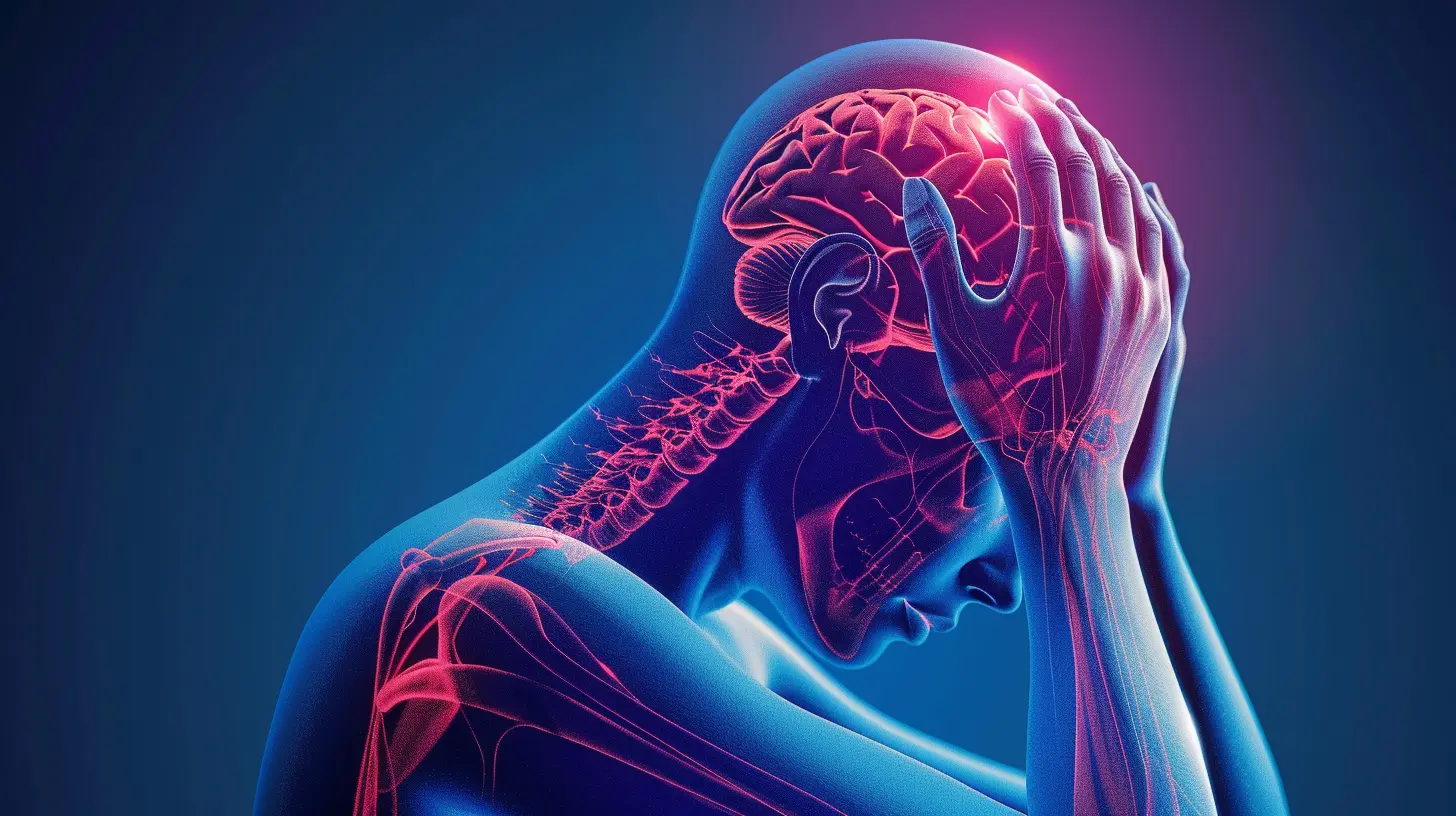
What Is Chronic Pain, Really?
Before we get into the food part, let’s talk about what chronic pain actually is.Chronic pain goes beyond the occasional headache or sore back. It’s pain that sticks around for 3 months or longer, often without a clear cause. It can show up as arthritis, fibromyalgia, migraines, back pain, and more. And it doesn’t just hurt your body—it can seriously affect your quality of life.
Medications help, sure. But they often come with side effects and don’t always give lasting relief. That’s where lifestyle changes—especially dietary choices—come into play.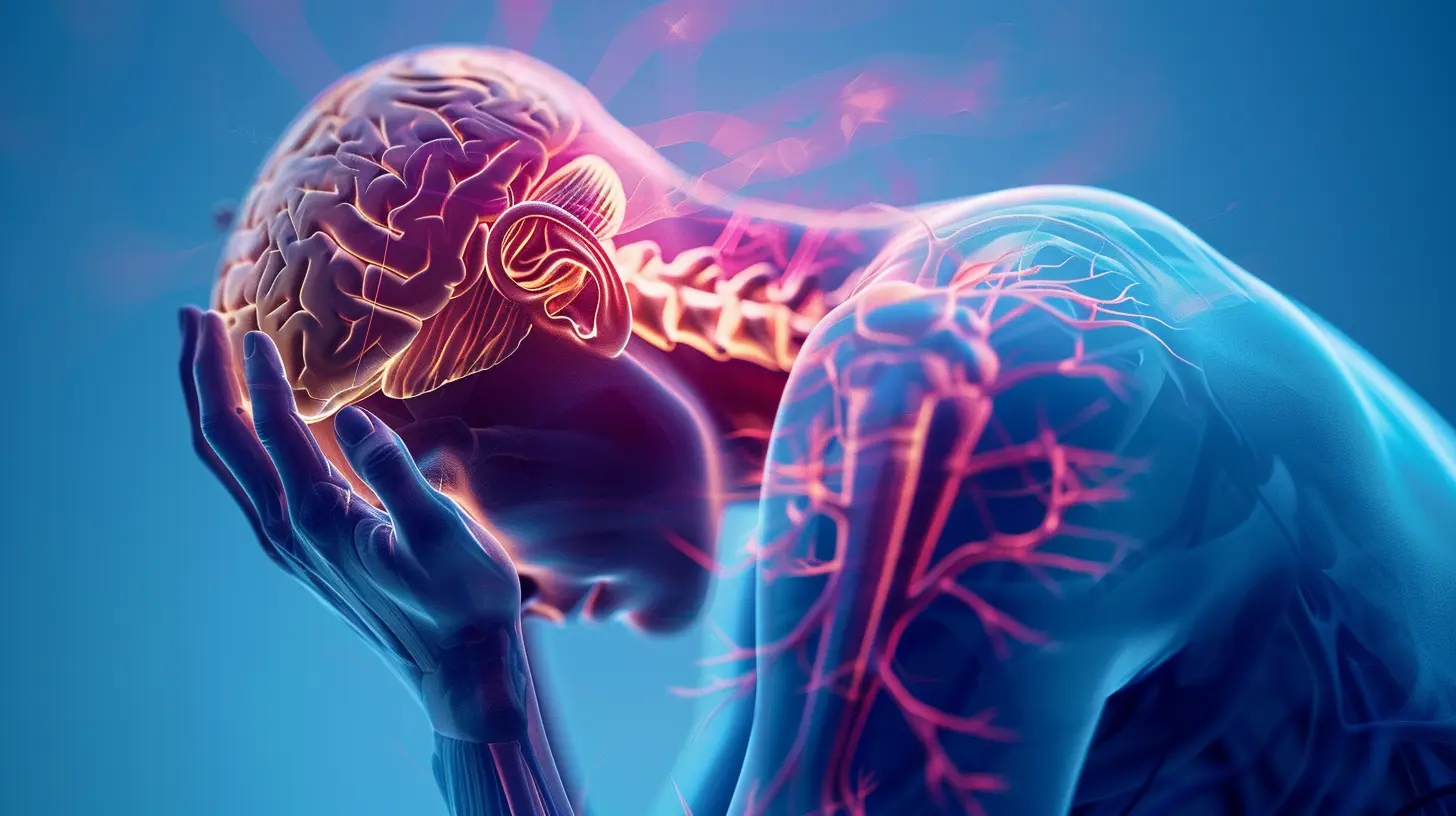
How Diet Can Impact Chronic Pain
You might be thinking, “Seriously? Food can help with pain?” Absolutely.Think of your body like a car. If you fuel it with junk, it sputters and breaks down. But with high-quality fuel, it runs smoother. Food is that fuel. Certain foods promote inflammation while others help to reduce it.
And since chronic pain and inflammation often go hand-in-hand, tweaking your diet can ease inflammation and, in turn, reduce pain.
Inflammation: The Root of Many Pains
Here’s the science bit (we’ll keep it simple). Inflammation isn’t always bad. If you get a cut, your body inflames the area to heal it. That’s good. But when inflammation sticks around too long, it turns into a villain. It becomes chronic and contributes to conditions like arthritis, heart disease, and—you guessed it—chronic pain.Some foods act like gasoline for the inflammation fire. Others help to put it out. Let’s break it down.
The Worst Foods for Chronic Pain
You might already guess what’s on this list. But let’s call them out:1. Processed Sugars
Cookies, sodas, pastries—yep, they taste good, but they spike your blood sugar, which triggers inflammatory responses. Consistently high insulin levels can exaggerate pain sensitivity.2. Refined Carbohydrates
Think white bread, white rice, chips, and pasta. These break down quickly in your body and act a lot like sugar. Bad news for inflammation.3. Red and Processed Meats
Bacon, hot dogs, burgers—they’re all rich in saturated fats and advanced glycation end products (AGEs), which are known to increase inflammation.4. Fried Foods
We’re talking about fast food and anything deep-fried. The oils used are often high in omega-6 fatty acids, which can throw off your body’s inflammation balance.5. Dairy (For Some People)
Not everyone reacts to dairy the same way, but for some, it can be highly inflammatory, especially if they’re lactose intolerant or have sensitivities.The Best Foods for Chronic Pain Relief
Now that we’ve covered the no-go’s, let’s dish about the yes-please foods. These are anti-inflammatory and may help reduce chronic pain naturally.1. Fruits and Vegetables
They’re loaded with antioxidants, which neutralize free radicals (those nasty molecules that promote inflammation). Bonus points for dark leafy greens, berries, and cruciferous veggies like broccoli and Brussels sprouts.2. Fatty Fish
Salmon, sardines, and mackerel are loaded with omega-3 fatty acids, which are famous for being anti-inflammatory. They’re practically the superheroes of the pain relief world.3. Whole Grains
Brown rice, oats, quinoa, and whole-wheat bread offer fiber that can lower levels of C-reactive protein (CRP), a marker of inflammation in your blood.4. Nuts and Seeds
Almonds, flaxseeds, and walnuts are rich in healthy fats and antioxidants. Just a small handful a day can make a difference.5. Olive Oil
This kitchen staple contains oleocanthal, a compound with properties similar to ibuprofen. Talk about food as medicine!6. Spices
Turmeric and ginger steal the show here. They’ve got proven anti-inflammatory effects. Add them to soups, teas, or smoothies for a pain-relief boost.Can a Specific Diet Help with Pain?
Absolutely. Some entire diets are built around reducing inflammation. Let’s take a look.The Mediterranean Diet
This one’s a classic. Heavy on fresh fruits and veggies, whole grains, fish, and healthy fats like olive oil—it’s essentially built to fight inflammation.The DASH Diet
Originally created for heart health, the DASH diet also does wonders for reducing inflammation. It limits sugar, salt, and saturated fats while focusing on whole foods.Plant-Based Diet
Even if you don’t go full vegan, reducing animal products and upping the plant intake can have a big impact on inflammation levels.Gluten-Free Diet
For those with gluten sensitivities or celiac disease, cutting gluten can dramatically reduce inflammation and, you guessed it, chronic pain.Real-Life Examples: People Who Found Relief Through Food
Let’s bring it down to earth. Think about Sarah, a 40-something mom who’s battled fibromyalgia for years. After cutting out processed foods and switching to a Mediterranean-style diet, she found her flare-ups less intense and more manageable.Or Jason, a desk-bound professional with chronic back pain. Once he swapped out fast food for whole grains and veggies, his energy improved, and his pain levels dropped.
These stories aren’t magic—they’re just proof that what you eat can directly impact how you feel.
Simple Ways to Start Eating for Pain Relief
You don’t have to go from zero to kale overnight. Here's how to ease into a pain-reducing diet:- Start Small: Swap one processed snack for a fruit or handful of nuts.
- Hydrate More: Water helps flush out toxins that contribute to inflammation.
- Meal Prep: Cooking at home gives you control over what goes into your food.
- Go Colorful: Aim for a rainbow of fruits and veggies. More color = more antioxidants.
- Read Labels: If you can’t pronounce the ingredients, it probably doesn’t belong in your body.
Supplements: Can They Help?
Sometimes, you can’t get all the nutrients you need from food. That’s where supplements come in. For chronic pain, these might help:- Omega-3 Fatty Acids: Especially if you don’t eat fish regularly.
- Vitamin D: Low levels are linked to increased pain sensitivity.
- Turmeric (Curcumin): Available in capsule form, especially when paired with black pepper for better absorption.
- Magnesium: Great for muscle cramps and nerve pain.
Always check with your doctor before popping any pills, even the natural ones.
Other Lifestyle Factors That Work Hand-in-Hand with Diet
Food is a huge piece of the puzzle, but it’s not the only one. To really kick chronic pain to the curb, combine healthy eating with other smart choices:- Exercise: Even gentle movement like walking or yoga can reduce inflammation and boost endorphins.
- Sleep: Poor sleep makes pain feel worse. Aim for 7–9 hours of quality rest.
- Stress Management: Chronic stress = chronic inflammation. Try meditation, journaling, or even just deep breathing.
Final Thoughts
Chronic pain doesn’t have to own your life. While there's no one-size-fits-all solution, diet plays a massive role in how you feel day to day.By ditching the inflammatory foods and loading up on nutrient-rich, pain-fighting goodies, you're giving your body the tools it needs to repair, restore, and feel better. Think of it as long-term self-care—not a restrictive diet, but a lifestyle change that brings real results.
So next time you’re planning a meal, ask yourself: “Is this food helping me heal—or making things worse?”
Your fork has more power than you think.
all images in this post were generated using AI tools
Category:
Chronic PainAuthor:

Angelo McGillivray
Discussion
rate this article
2 comments
Sofia Morrow
So you're telling me a pizza won't help my back pain? Who knew. Time to swap the cheesy slices for leafy greens and see if my body gets the memo...
July 24, 2026 at 3:41 AM
Angelo McGillivray
It's true, diet can play a big role in how we feel. Leafy greens might just be the upgrade your body needs. Give it a try!
Julianne McRae
It's fascinating how what we eat can shape our experience of pain. A diet rich in anti-inflammatory foods isn't just about weight loss; it's a powerful tool for pain management. If we can change our plates, we just might change our lives... one meal at a time.
May 31, 2026 at 3:55 PM
Angelo McGillivray
Absolutely, the impact of diet on pain is significant. Choosing anti-inflammatory foods can truly transform how we feel, making every meal a step toward better health.