Debunking Common Myths About Sun Exposure and Protection
31 July 2026
Let’s be real—when it comes to sunscreen, tanning, and soaking up the sun, most of us are walking around with a suitcase full of half-truths and outdated advice. Between what your grandma told you, what you read on that one forum, and what your friend swears by? There's a whole lot of confusing (and sometimes comical) misinformation floating around out there. So, grab your favorite pair of sunnies and some iced tea, because we’re about to shine some light (pun entirely intended) on the biggest myths about sun exposure and protection!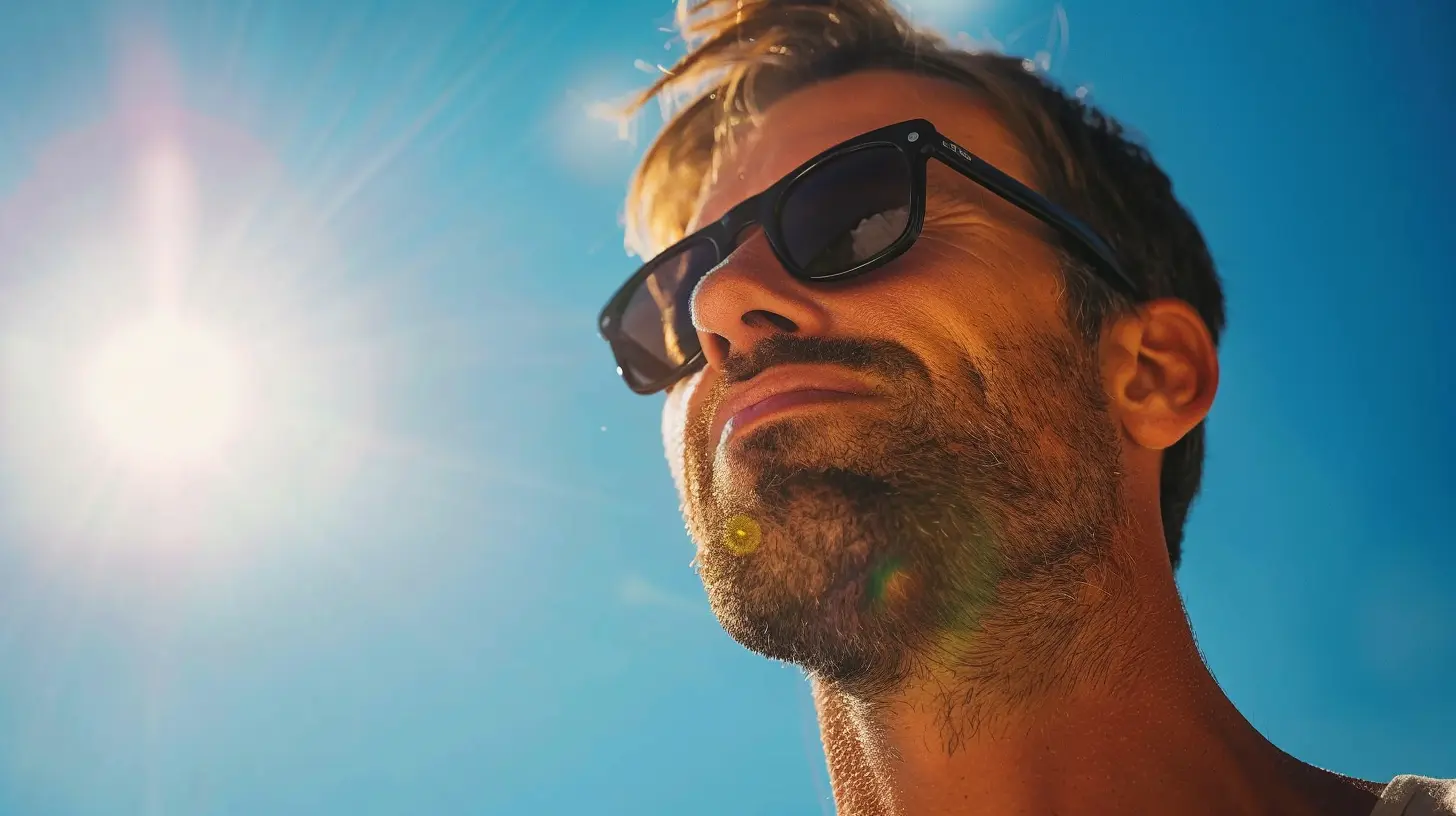
☀️ Myth #1: "You Don’t Need Sunscreen on Cloudy Days"
Yeahhh... no. This one’s a classic.Clouds might block the heat, but they don’t do such a great job blocking UV rays. In fact, up to 80% of ultraviolet (UV) rays can pass right through those fluffy sky pillows. So, even if it feels cooler or looks overcast, UV rays are still doing their sneaky dance on your skin.
Reality check: Sunscreen isn't just a "beach day" necessity—it’s a daily skincare essential. Think of it like brushing your teeth. You wouldn't skip that just because it’s cloudy, right?
?️ Myth #2: "A Base Tan Protects You From Sunburn"
Oh boy, the ol’ "pre-vacation base tan" trick. Sounds smart, right? But spoiler alert: it’s not.Getting a tan—any tan—is actually your skin crying out, “Help! I’ve been damaged!” That golden glow? It’s your body producing melanin in an SOS response to UV damage. So, while a base tan might give you a temporary bronze boost, it doesn’t offer much protection. In fact, it’s roughly equivalent to SPF 3. Yep. Just 3.
Bottom line: There's no such thing as a “safe tan” from UV exposure. That “base tan” is basically the sun’s version of a participation trophy—it didn’t accomplish much, but you sure are celebrating it anyway.
? Myth #3: "You Only Need to Apply Sunscreen Once"
If only it were that easy!Sunscreen isn’t a one-and-done deal. It wears off with time, sweat, swimming, and yes, even sitting around doing nothing. Especially if you're using chemical sunscreen (which absorbs UV rays), it's designed to break down after a couple of hours.
Pro tip: Reapply sunscreen every 2 hours—and more often if you’re sweating, swimming, or toweling off. And make sure you’re using enough! Most adults need about a shot glass worth (about one ounce) to cover their whole body.
? Myth #4: "Darker Skin Tones Don’t Need Sunscreen"
This one’s not just wrong—it can be downright dangerous.While melanin does offer some natural protection, it doesn’t make you immune to sun damage. In fact, people with darker skin are still at risk for skin cancers, especially because it’s often diagnosed later due to the misconception that it “doesn’t happen” to them.
Here's the truth: Everyone—regardless of skin tone—needs sun protection. Period. It’s not about avoiding a sunburn; it's about protecting your skin from long-term damage and serious health risks.
☂️ Myth #5: "Shade and Hats Provide Complete Protection"
Listen, hanging out under a palm tree is definitely better than nothing, but it’s not a full-on UV force field.Shade can help reduce exposure, and wide-brimmed hats are amazing for protecting your face and neck. But UV rays bounce, baby! Yep—those rays can reflect off surfaces like sand, water, concrete, and even grass. (Mother Nature didn’t come to play.)
So what's the move? Combine shade and hats with sunscreen and protective clothing. Think of it as building a sun-defense squad—each member brings a little something to the team.
?️ Myth #6: "You’re Only at Risk During Peak Sun Hours"
You've probably heard this one: "Just avoid the sun between 10 a.m. and 4 p.m., and you're good." It’s partly true—UV rays are strongest during those hours. But they don’t clock out when the sun moves slightly west.You can still get burned at 8 a.m. on a morning jog or at 6 p.m. during a summer picnic. The UV index doesn’t just disappear after work hours.
In short: If it’s daylight, there’s UV. Keep sunscreen part of your daily routine, just like brushing your hair or texting your bestie memes at 2 a.m.
? Myth #7: "Sunscreen Is Full of Dangerous Chemicals"
Okay, let’s slow down here. This one usually gets dramatic fast.Some people worry about ingredients like oxybenzone or octinoxate, but the scientific consensus (including from the FDA and dermatologists worldwide) is that sunscreens are safe when used as directed. There’s ongoing research, sure—but that doesn’t mean sunscreen = danger.
Plus, if you’re not comfortable with chemical sunscreens, you’ve got options! Mineral-based ones with zinc oxide or titanium dioxide form a physical barrier on your skin and are less likely to irritate sensitive skin.
So remember: Avoiding sunscreen because of fear-based headlines might expose you to way more risk than the sunscreen ever could. Do your homework, pick what works for you, and protect that precious skin!
? Myth #8: "Babies and Toddlers Don’t Need Sunscreen"
Whoa there! Tiny humans need sun protection just like we do—but here’s the catch: Babies under 6 months should avoid direct sunlight altogether.Their skin is super sensitive, and sunscreen isn’t recommended for them just yet. Instead, rely on shade, protective clothing, wide-brimmed hats, and stroller covers. For older babies and toddlers, mineral sunscreens are usually the safest bet.
Tip for parents: When in doubt, check with a pediatrician. The goal is to protect without overwhelming their delicate skin.
? Myth #9: "All Clothing Protects You From the Sun"
Hate to say it, but your favorite old t-shirt might actually let some UV rays slip through—especially if it’s lightweight, light-colored, or wet.This is where UPF (Ultraviolet Protection Factor) clothing scores big. It’s designed to block UV rays, and some fabrics offer UPFs of 50+, meaning it allows only 1/50th of the UV radiation to pass through.
Want a quick trick? Hold the fabric up to the light. If you can see through it easily, UV rays probably can too.
? Myth #10: "Tanning Beds Are Safer Than the Sun"
Nope. Nope nope nope.Tanning beds blast your skin with concentrated UVA rays, which accelerate skin aging and increase your risk of skin cancer—especially melanoma, the most dangerous kind. In fact, using tanning beds before the age of 35 increases your melanoma risk by 75%.
Let that sink in. Seventy-five percent.
So instead? Try self-tanning lotions, mousses, or sprays. You'll get that sun-kissed look without risking your health. Plus, no weird tan lines from laying on uneven lounge chairs.
? What You Really Need to Remember
Okay, so we’ve busted quite a few myths here, and maybe even stepped on a few summer traditions along the way (sorry about that "base tan" thing ?). But when it comes down to it, sun protection isn’t about fear—it’s about forming smart habits that keep your skin healthy, happy, and maybe even a bit younger-looking.Here’s your sun-smart cheat sheet:
- Wear broad-spectrum SPF 30+ daily (yes, daily!)
- Reapply every two hours (so set a reminder!)
- Use shade, hats, sunglasses, and protective clothing
- Avoid tanning beds like your skin depends on it (spoiler: it does!)
- Don’t skip sunscreen just because you’ve got melanin magic
The sun’s not your enemy—but it’s definitely a frenemy. Treat it with respect, stay informed, and don’t fall for the myths. Your skin will thank you!
? Final Thoughts
Taking care of your skin isn't just about avoiding wrinkles or sunburns—it's a form of self-love. And just like your favorite playlist needs updating, so does your sun care knowledge. Ditch the myths, embrace the facts, and wear that sunscreen like a boss.Whether you’re lounging at the beach, running errands, or just catching some rays through your car window, remember—you’ve only got one skin. Let’s keep it safe, smooth, and selfie-ready!
all images in this post were generated using AI tools
Category:
Sun ProtectionAuthor:

Angelo McGillivray
Discussion
rate this article
1 comments
Petra McGillivray
What if the truth about sun protection is more complex than we think...
August 5, 2026 at 3:52 AM
Angelo McGillivray
You're right; the science of sun protection is evolving. It's important to stay informed and consider new research as we rethink old beliefs.