Debunking the Detox Myth: What Your Body Really Needs
31 August 2026
Let's get one thing straight right now: you do not need a detox. Not a juice cleanse, not a colon hydrotherapy session, not a fancy tea that promises to melt away the sins of your weekend. Your body is not a clogged drain, and it is not a toxic waste dump that requires a monthly industrial flush. If you have a functioning liver and a pair of kidneys, you are already running the most sophisticated detoxification system on the planet. The multi-level marketing companies and wellness influencers who tell you otherwise are selling you a solution to a problem that does not exist. And they are making a fortune off your guilt.
The detox industry is a multi-billion dollar beast, preying on the very human desire for a quick fix. We want to believe that a seven-day cabbage soup regimen can undo years of processed food, late nights, and stress. But biology does not work that way. This article is not going to hold your hand. It is going to give you the unvarnished truth about what your body actually does every single second of every single day, and why the best "detox" is not a product you can buy, but a lifestyle you build.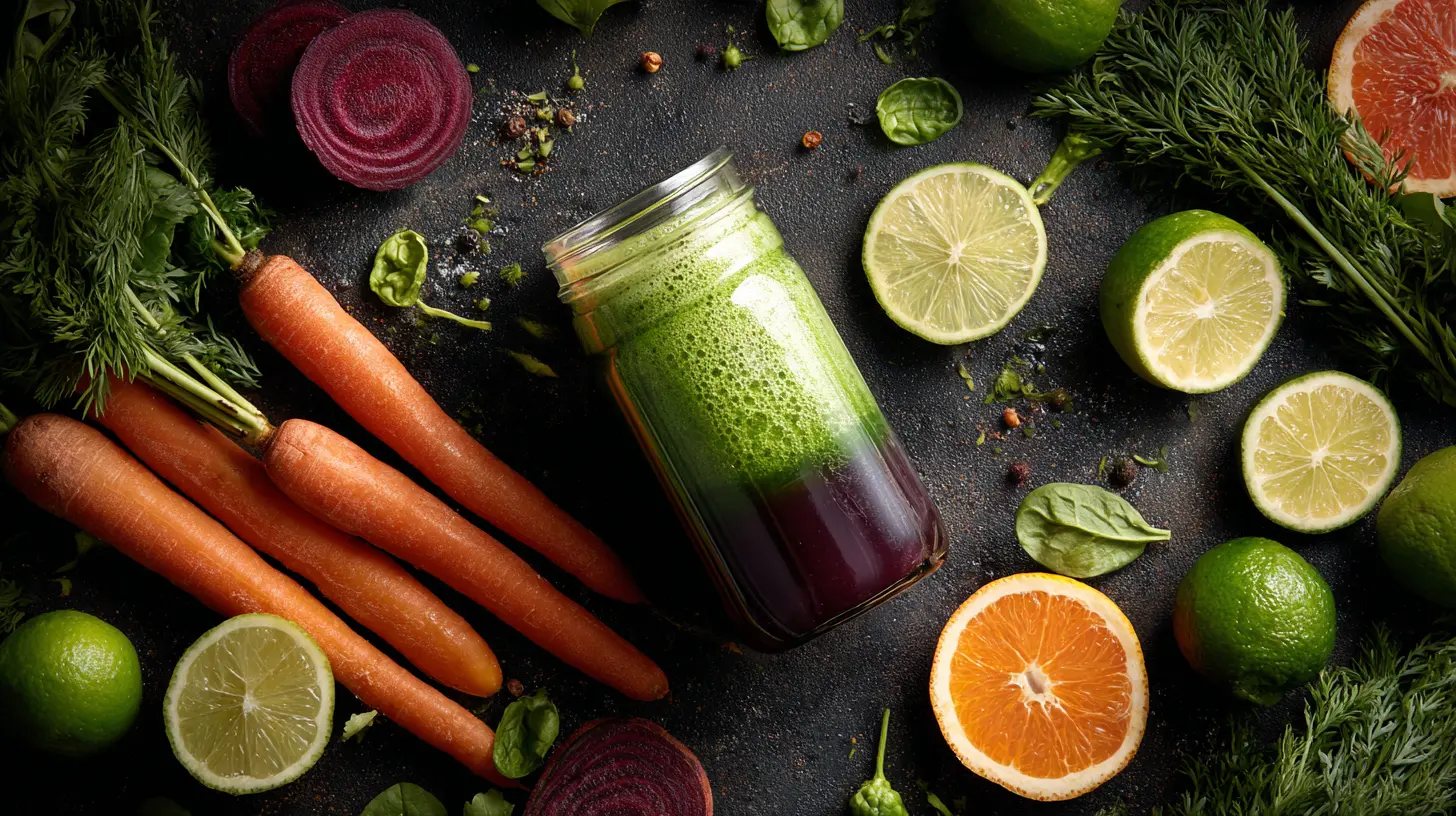
The Liver and Kidneys: Your Original Detox Program
Before you spend another dollar on a lemon-cayenne concoction, you need to understand your anatomy. Your liver is a chemical processing plant that weighs about three pounds and performs over 500 functions. It does not take a break. It does not need a "reset." It is constantly filtering your blood, breaking down hormones, metabolizing fats, and neutralizing toxins like alcohol, drugs, and metabolic waste products.Your kidneys are equally relentless. They filter about 50 gallons of blood every single day, pulling out urea, excess salts, and other byproducts, and excreting them as urine. Your lungs expel carbon dioxide. Your skin sweats out urea and lactic acid. Your intestines shed dead cells and push out undigested fiber and bacteria. This is your baseline. This is the factory setting. It is always on.
So when a detox program claims to "boost" your liver function, ask yourself: boost it to what? Your liver is already working at its optimal capacity. You cannot "supercharge" an organ that is already running at 100 percent efficiency. What you can do is stop throwing extra work at it. The idea that a toxin is sitting in your colon, waiting to be released by a special herbal blend, is anatomically absurd. Toxins are processed and excreted continuously. If they were not, you would be dead within days.
The Myth of the "Toxin Buildup"
The word "toxin" is thrown around with reckless abandon in the wellness world. It is a buzzword designed to scare you. In medicine, a toxin is a specific biological poison, like botulinum toxin or tetanus toxin. But in marketing, "toxin" means anything vaguely undesirable: pesticides, preservatives, heavy metals, or just the vague feeling of being bloated.Here is the reality: your body is remarkably good at dealing with the low-level environmental exposures you encounter daily. Your liver has a two-phase detoxification process. Phase I uses enzymes called cytochrome P450 to modify fat-soluble toxins into intermediate compounds. Phase II then conjugates those intermediates with other molecules to make them water-soluble, so your kidneys can flush them out. This is a highly efficient, tightly regulated system. It does not need a "jump start." It needs nutrients, oxygen, and hydration to function, which brings us to the actual point.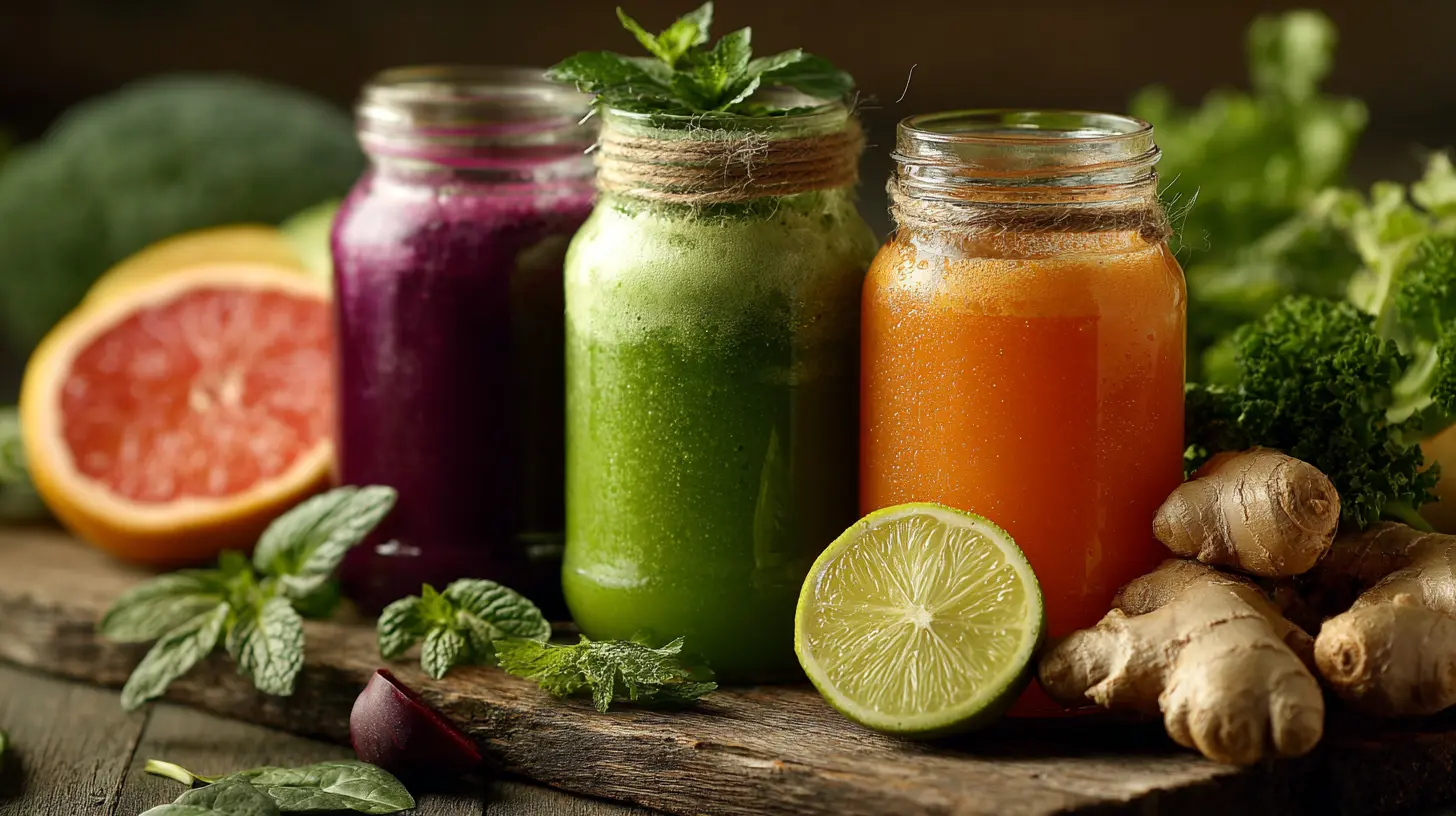
Why Juice Cleanses Are a Bad Trade-Off
Let's talk about the most popular detox method: the juice cleanse. You replace all solid food with fruit and vegetable juices for three to seven days. Proponents claim it gives your digestive system a "rest" and floods your body with vitamins. But what it actually does is starve you of protein, fat, and fiber, while delivering a massive sugar spike.Fruit juice, even cold-pressed and organic, is mostly fructose. Without the fiber of the whole fruit, that fructose hits your bloodstream fast, causing your insulin to spike. Over a few days, this can lead to mood swings, fatigue, and intense cravings. You are not detoxifying; you are stressing your pancreas and messing with your blood sugar regulation.
Worse, you are depriving your body of the very nutrients your liver needs to do its job. Glutathione, the master antioxidant in your liver, requires sulfur-containing amino acids like cysteine and methionine. Those come from protein. Where is the protein in a juice cleanse? It is not there. You are asking your detoxification system to work hard while simultaneously taking away its raw materials. That is like trying to build a house with no lumber and then wondering why the roof is leaking.
The Fiber Fallacy
Fiber is the unsung hero of your body's natural detox process. It binds to cholesterol and bile acids in your gut, helps regulate blood sugar, and feeds the beneficial bacteria in your colon. Those bacteria produce short-chain fatty acids that support your gut barrier, preventing the "leaky gut" phenomenon where undigested food particles and bacterial endotoxins slip into your bloodstream.When you juice, you throw away the pulp. That pulp is the fiber. You are literally discarding the most important part of the fruit and vegetable for your digestive health. A juice cleanse is not a detox; it is a fiber fast. And your gut microbiome hates you for it. The result is often constipation, bloating, and a disrupted gut flora that takes weeks to recover.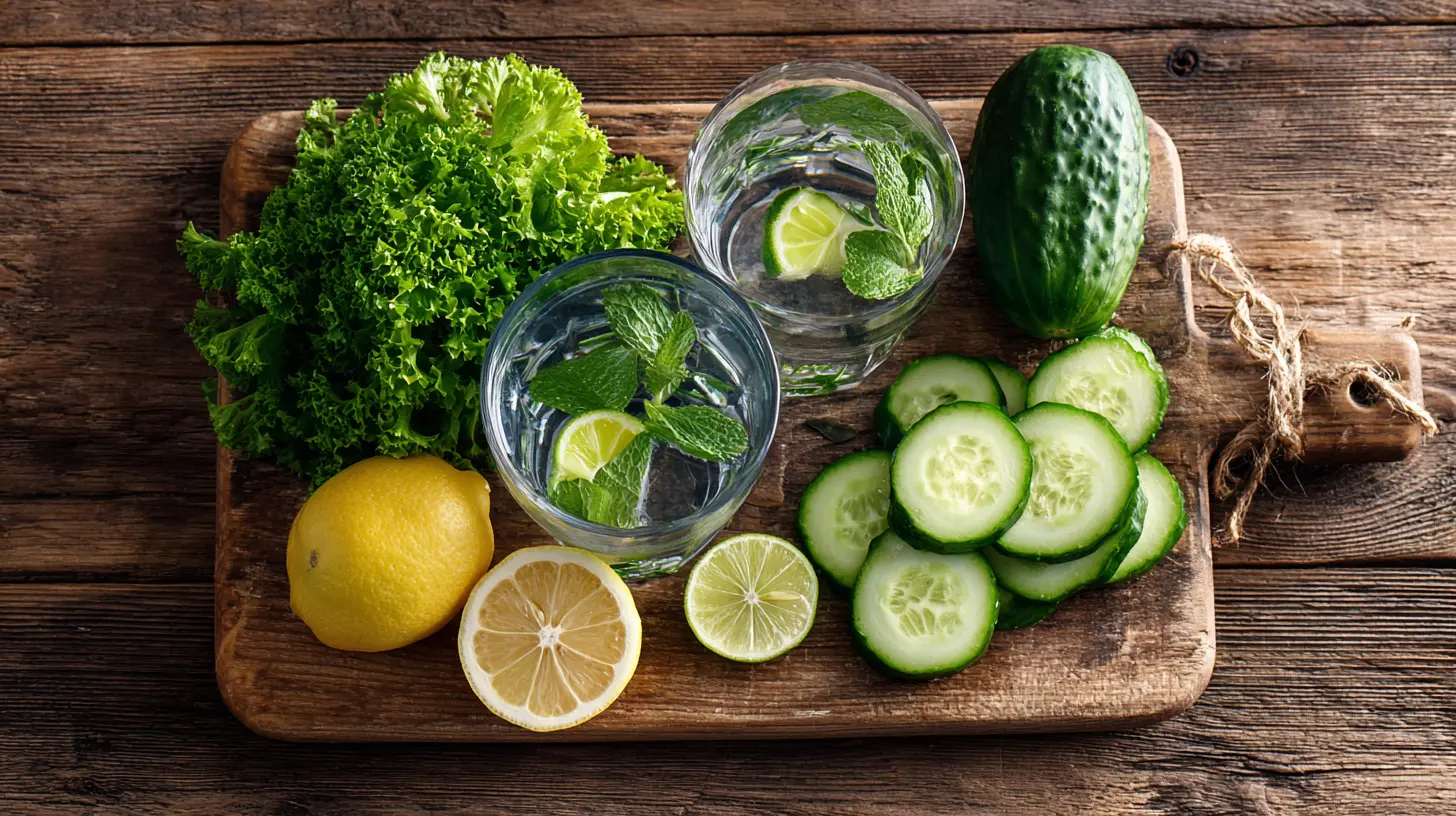
The Real "Toxins" You Should Worry About
If you want to talk about toxins, let's talk about the ones that actually matter. These are not the imaginary ones in your colon. They are the metabolic and lifestyle factors that you can control.Alcohol: The Direct Hit
Alcohol is a genuine hepatotoxin. It is directly toxic to liver cells, and chronic consumption leads to fatty liver disease, inflammation, and eventually cirrhosis. Your liver has to prioritize metabolizing alcohol over everything else, including fat burning and hormone regulation. This is why a "detox" that includes a nightly glass of wine is a joke. If you want to support your liver, the single most effective thing you can do is reduce or eliminate alcohol. Not for a week. For the long haul.Ultra-Processed Foods and Added Sugar
The standard Western diet is a constant assault on your metabolic system. High-fructose corn syrup and refined grains cause insulin resistance, which leads to non-alcoholic fatty liver disease (NAFLD). This condition now affects about 30 percent of adults worldwide. It is not caused by "toxins" in the air; it is caused by excess calories, specifically from sugar and refined carbohydrates, that get stored as fat in the liver.Your liver can handle a certain amount of fructose, but when you overwhelm it with soda, candy, and white bread, it converts the excess into fat. That fat accumulates and causes inflammation. No herbal tea on earth can reverse that. Only a reduction in caloric intake and an increase in physical activity can.
Chronic Stress and Cortisol
Stress is a toxin in the truest sense of the word. When you are chronically stressed, your adrenal glands pump out cortisol. Elevated cortisol over time leads to increased blood sugar, increased blood pressure, and suppressed immune function. It also alters your gut motility and can cause inflammation throughout your body.A detox retreat in Bali might lower your stress for a week, but if you return to a job you hate and a commute that makes you rage, the effects vanish. The real detox is learning to manage stress daily: through exercise, meditation, adequate sleep, or simply setting boundaries. That is harder than drinking green juice, which is why nobody sells it as a product.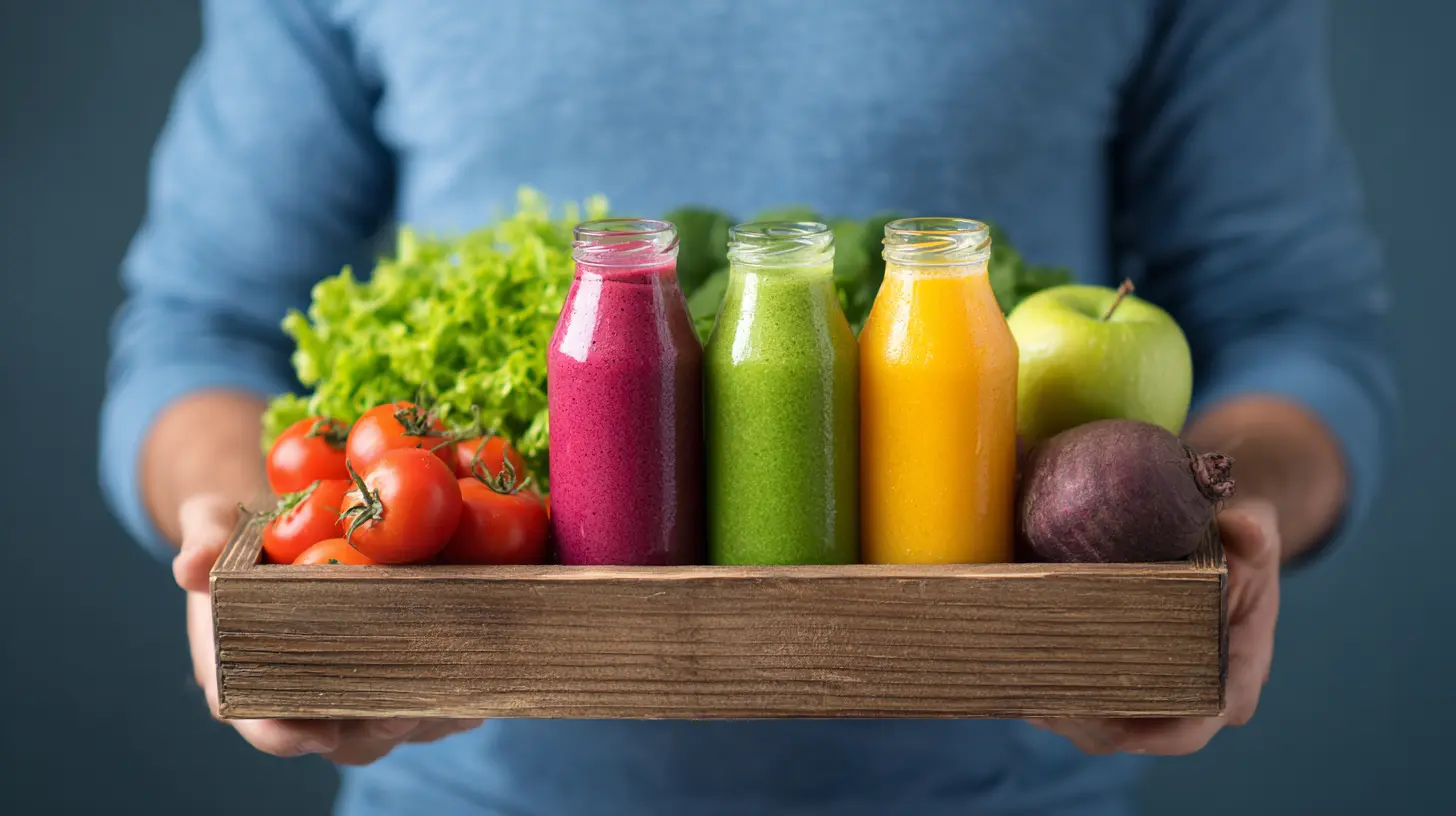
What Your Body Actually Needs: The Unsexy Truth
If you want to support your body's natural detoxification systems, here is the practical, evidence-based list. It is not glamorous. It does not involve a 10-day fasting protocol. But it works.1. Eat Enough Protein
Your liver needs amino acids to produce glutathione and to run Phase II detoxification. Aim for a palm-sized portion of protein at each meal. This can be animal-based or plant-based, but it must be present. Eggs, fish, chicken, tofu, lentils, and beans are all excellent sources. If you are vegan, pay special attention to getting enough lysine and methionine, which are lower in some plant proteins.2. Eat Cruciferous Vegetables
Broccoli, cauliflower, Brussels sprouts, and kale contain glucosinolates, which are broken down into compounds like indole-3-carbinol and sulforaphane. These compounds support Phase I and Phase II liver enzymes. This is real, measurable biochemistry. A 2017 study in the Journal of Nutritional Biochemistry showed that sulforaphane activates the Nrf2 pathway, which upregulates antioxidant and detoxifying enzymes. So yes, eat your broccoli. But eat it cooked or raw, not juiced, and not in a supplement that claims to concentrate it.3. Sweat on Purpose
Your skin does excrete some heavy metals and metabolic waste, but the amount is negligible compared to your kidneys and liver. The real benefit of exercise is that it increases blood flow, improves lymphatic circulation, and supports mitochondrial function. You do not need a sauna suit or a hot yoga class to "sweat out toxins." You need regular cardiovascular exercise that makes you breathe hard and your heart pump. That is the detox.4. Hydrate with Plain Water
Your kidneys cannot filter waste without adequate water. The color of your urine is a decent indicator: pale yellow means you are hydrated; dark amber means you need to drink up. There is no need for alkaline water, structured water, or hydrogen-infused water. Plain tap water or filtered water is fine. Your kidneys do not care about the pH of your water; they care about the volume.5. Prioritize Sleep
This is the most underrated detox tool. During deep sleep, your brain clears out metabolic waste via the glymphatic system. This includes beta-amyloid, the protein associated with Alzheimer's disease. This process happens almost exclusively during sleep. If you are sleeping less than seven hours a night, you are literally preventing your brain from cleaning itself. No supplement can compensate for this. This is the ultimate detox, and it is free.6. Eat Fermented Foods for Gut Health
Your gut microbiome is a key player in detoxification. Certain bacteria can metabolize environmental chemicals and reduce their toxicity. Fermented foods like yogurt, kefir, sauerkraut, and kimchi introduce beneficial probiotics. Prebiotic fibers from garlic, onions, and asparagus feed those bacteria. A healthy gut barrier means fewer endotoxins leaking into your bloodstream, which means less work for your liver.The Supplement Scam: What to Avoid and What Might Help
The supplement industry is unregulated, and detox supplements are among the worst offenders. Many contain laxatives, diuretics, or stimulants that cause you to lose water weight, making you feel "cleaner" when you are actually just dehydrated. Others contain herbs like milk thistle, which has shown some promise in animal studies for liver protection, but human data is mixed and the doses in commercial products are often too low to be effective.If you want to take something, consider these three, but understand they are not magic:
- N-Acetylcysteine (NAC): This is a precursor to glutathione. It is used in hospitals to treat acetaminophen overdose, which is a real detox scenario. For general health, it may support liver function, but it is not necessary if you eat enough protein.
- Milk Thistle (Silymarin): Some evidence suggests it can help with certain liver conditions, but it is not a preventive measure for a healthy person.
- Magnesium: This mineral is involved in over 300 enzymatic reactions, including those in the liver. Many people are deficient. A magnesium supplement before bed can improve sleep and bowel regularity, which indirectly supports detoxification.
But here is the rule: if a supplement promises to "flush" or "cleanse" your organs, run the other way. Your organs are not dirty.
The Colon Cleanse: A Dangerous Fad
Colon hydrotherapy, or colonic irrigation, involves flushing your colon with water through a tube inserted into your rectum. Proponents claim it removes impacted fecal matter and "toxins." In reality, your colon does not need to be scrubbed. It is a self-cleaning organ that sheds its lining every few days. Colonics can cause electrolyte imbalances, bowel perforation, and infection. They can also wipe out your beneficial gut bacteria, leaving you worse off than before. There is no medical condition for which colon cleansing is recommended. None.The same goes for foot pads that turn brown overnight, supposedly from "released toxins." The brown color is just the pad reacting with moisture and sweat. And those "detox" baths with Epsom salts? They might relax your muscles, but they are not pulling anything out of your body.
The Trade-Offs: Why Short-Term Fixes Fail
The fundamental problem with any detox program is that it is temporary. You do a 7-day cleanse, you feel lighter (because you are eating fewer calories), you lose a few pounds (mostly water weight), and then you go back to your normal diet. Within a week, you are back to square one. This is not a lifestyle change; it is a crash diet with a spiritual veneer.The real trade-off is between short-term gratification and long-term health. A juice cleanse gives you the feeling of control and virtue. It gives you a story to tell your friends. But it does not give you sustainable health. Sustainable health requires you to make boring, consistent choices: cooking dinner at home, going for a walk, sleeping eight hours, and not drinking so much on the weekends. That is not sexy. That is not a hashtag. But it is the only thing that works.
Common Misconceptions and the Bottom Line
Let's clear up a few final misconceptions:- "Detox symptoms" are not real. Headaches and fatigue during a cleanse are not your body "releasing toxins." They are caffeine withdrawal, low blood sugar, and dehydration.
- "Cleansing" is not a medical term. It is a marketing term. Doctors do not prescribe cleanses; they prescribe dietary changes and medications.
- Your body does not store toxins in fat to protect you. That is a myth. Fat cells do store some fat-soluble pollutants, but losing weight releases them slowly, and your body processes and excretes them. You do not need to "mobilize" them with special herbs.
So, what does your body really need? It needs you to get out of its way. Stop overloading it with alcohol and sugar. Give it the nutrients it requires to run its own detoxification pathways. Move your body. Sleep. Drink water. Manage stress. That is the entire program. There is no product to buy, no tea to sip, no patch to wear.
The next time someone tries to sell you a detox, ask them one question: "Which specific toxin are you removing, and can you show me the biological pathway?" They will not be able to answer. Because they are not selling science. They are selling insecurity. And you, my friend, do not need to buy it.
all images in this post were generated using AI tools
Category:
Nutrition MythsAuthor:

Angelo McGillivray
Discussion
rate this article
1 comments
Romina Strickland
Detoxing sounds fancy, but guess what? Your body is a natural cleaning machine! Instead of chasing juice fads, try drinking water, eating veggies, and laughing a little more. Keep it simple, folks! Your liver and kidneys already have the detox game on lock. Cheers to real health!
September 2, 2026 at 3:16 AM