Why Core Training Is Crucial for Your Exercise Success
28 September 2026
Walk into any gym and you will see people doing crunches, planks, and leg raises with serious determination. Walk into a physical therapy clinic, though, and you will meet people who ignored their core for years and are now paying for it with lower back pain, hip issues, and frustrating training plateaus. The gap between those two scenes tells you almost everything about why core training matters.
The core is not just your abs. It is a complex cylinder of muscle that wraps around your midsection, connects your upper and lower body, and stabilizes your spine during nearly every movement you make. Whether you are lifting a barbell, running a marathon, swinging a golf club, or simply picking up a grocery bag, your core is working behind the scenes. When it works well, you barely notice it. When it does not, everything else suffers.
This article breaks down what the core actually is, why training it changes your results across the board, how to do it intelligently, and what mistakes to avoid. By the end, you should have a clear picture of how to build a core that supports your goals rather than one that just looks good in a mirror.
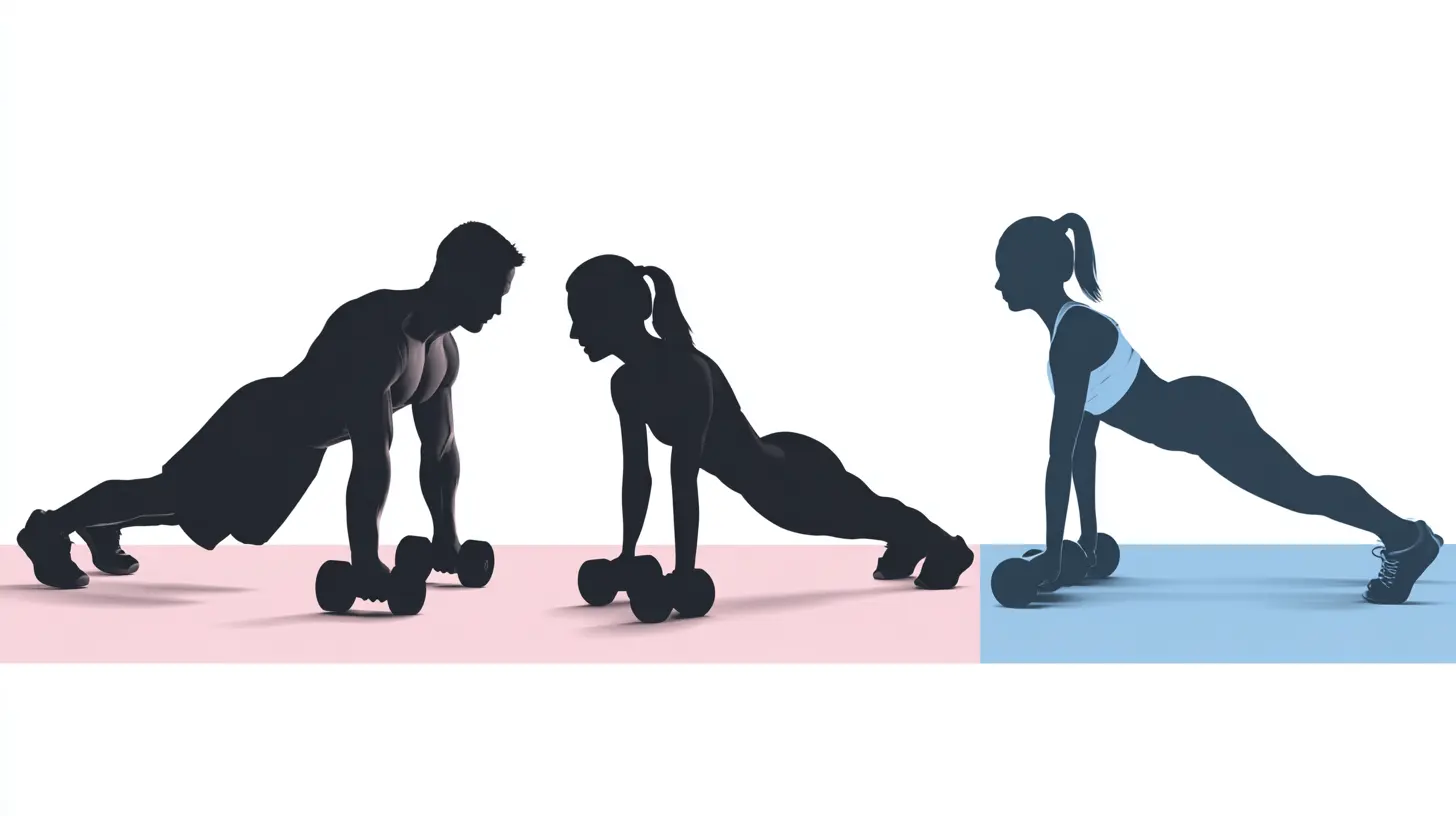
What the Core Really Is
Most people think of the core as the six-pack muscle, the rectus abdominis. That is only one piece of a much larger system. A useful way to picture the core is as a canister or a cylinder.The front of the canister includes the rectus abdominis and the deeper transversus abdominis. The sides include the internal and external obliques. The back includes the erector spinae and the multifidus, small muscles that run along the spine. The top is the diaphragm, your main breathing muscle. The bottom is the pelvic floor. Together, these structures create pressure inside your abdomen that helps stabilize your spine from the inside out.
This matters because the spine by itself is not particularly stable. It is a stack of bones held together by ligaments, discs, and muscles. When the muscles around it do their job, the spine can handle heavy loads and fast movements. When they do not, the load shifts to structures that are not designed for it, like discs and joints, and that is where pain and injury often begin.
Think of a suspension bridge. The cables and towers carry the load, and if one cable goes slack, the others take on more stress. Your core works the same way. A weak link does not just sit there quietly. It forces other parts of your body to compensate, and those compensations add up over time.

Why the Core Matters More Than You Think
It Is the Transfer Station for Force
Every powerful movement you make travels through your core. When you throw a punch, swing a bat, or sprint, force generated in your legs and hips has to pass through your midsection to reach your arms or the ground. If your core is weak or slow to activate, that force leaks. You lose power, and you may also lose control.This is why athletes in nearly every sport spend time on core work. A sprinter needs a rigid midsection to transfer force from the legs into forward motion. A swimmer needs rotational control to keep the body streamlined. A lifter needs a braced trunk to move heavy weight safely. The core is not a decorative muscle group. It is a functional hub.
It Protects Your Lower Back
Lower back pain is one of the most common complaints among adults, and core weakness is often part of the picture. When the deep stabilizing muscles are not doing their job, the larger muscles and passive structures take on more load. Over time, this can lead to irritation, stiffness, and pain.Research in rehabilitation settings has consistently shown that people with chronic low back pain often have altered activation patterns in the deep core muscles. Training those muscles can help restore normal function, reduce pain, and improve quality of life. That does not mean every case of back pain is caused by a weak core, but it does mean a strong, well coordinated core is a protective factor worth building.
It Improves Balance and Fall Prevention
As people age, falls become a serious health risk. A strong core contributes to balance by helping you control your center of mass and react quickly when you stumble. It also supports the hips and legs, which are your first line of defense against a fall. Core training is not just for athletes. It is a practical investment in staying mobile and independent.It Makes Everyday Life Easier
You do not need to be an athlete to benefit from a strong core. Carrying groceries, lifting a child, getting out of a chair, and bending to tie your shoes all require core stability. People with a well trained core often report that daily tasks feel easier and that they experience fewer aches and pains. That is not a coincidence. It is the result of a body that moves efficiently.
How Core Training Transforms Your Other Workouts
Better Squat and Deadlift Mechanics
Squats and deadlifts are among the best exercises you can do for overall strength, but they demand a lot from your core. Without proper bracing, the spine can round under load, which increases injury risk. A strong core allows you to maintain a neutral spine, generate more force, and lift more weight safely.The practical takeaway is simple. If your squat or deadlift has stalled, the problem may not be your legs. It may be your ability to stabilize under load. Adding targeted core work can unlock progress you did not expect.
More Powerful Running and Cycling
Runners and cyclists often focus on their legs and lungs, but the core plays a major role in efficiency. A stable pelvis allows the legs to drive without wasted side to side motion. A strong core also helps maintain good posture over long distances, which reduces fatigue and lowers the risk of overuse injuries.If you have ever felt your form fall apart in the last mile of a race or the final minutes of a hard ride, a weak core may be part of the reason. Training it can help you hold form longer and finish stronger.
Improved Rotational Power
Sports like tennis, golf, baseball, and martial arts rely on rotation. The ability to wind up and unleash force through the torso is a core function. Rotational core exercises, such as cable chops, medicine ball throws, and Pallof presses, train the muscles that control and produce this motion. Without them, you leave power on the table and increase your risk of strain.Enhanced Stability in Overhead Movements
Pressing weight overhead requires a stable base. If your core cannot resist the tendency to arch your lower back, you may compensate with poor mechanics. Core training helps you press safely and efficiently, which is especially important for anyone doing overhead work, whether in the gym or on the job.
The Difference Between Stability and Movement
One of the most useful distinctions in core training is between stability and movement. Both matter, but they serve different purposes.Stability exercises teach your core to resist unwanted motion. Planks, dead bugs, bird dogs, and Pallof presses fall into this category. They train your core to hold a position while your limbs move or while an external force tries to push you out of alignment. This is the foundation of a resilient spine.
Movement exercises involve the core producing motion, often through flexion, extension, or rotation. Crunches, sit-ups, leg raises, and Russian twists are examples. These can be useful, but they are not the whole picture. In fact, for many people, stability work should come first.
Why? Because a spine that cannot stay stable under load is more vulnerable to injury when it moves. Building stability before adding dynamic movement is a sound progression. It is also why so many rehabilitation programs start with exercises like dead bugs and bird dogs rather than sit-ups.
Common Misconceptions About Core Training
Misconception One: Crunches Are the Best Core Exercise
Crunches are not bad, but they are limited. They mainly target the rectus abdominis and involve repeated spinal flexion. If done in high volume, they can contribute to neck strain and, in some people, back discomfort. They also do little for the deep stabilizing muscles or the obliques.A better approach is to build a balanced program that includes anti-extension, anti-rotation, and anti-lateral flexion exercises. Crunches can be part of that, but they should not be the centerpiece.
Misconception Two: You Need to Feel a Burn for It to Work
The burn you feel during exercise is a sign of metabolic stress, not necessarily effectiveness. Core training is often about coordination and control, not exhaustion. A well executed dead bug can be far more valuable than a set of crunches taken to failure, even if it does not produce the same burn.Misconception Three: A Six-Pack Means a Strong Core
Visible abs are largely a function of low body fat and genetics. They do not tell you how well your core stabilizes your spine or transfers force. Some people with visible abs have poor core function, and some people with no visible abs have excellent core strength. Aesthetics and function are related but not the same.Misconception Four: Core Training Is Only for Athletes
Everyone benefits from a strong core, from teenagers to older adults. The specific exercises and intensity should match your goals and abilities, but the underlying principle applies across the board.
How to Train Your Core Effectively
Start With Breathing and Bracing
Proper breathing is the foundation of core training. The diaphragm works with the deep core muscles to regulate pressure inside your abdomen. If you hold your breath or breathe shallowly, you compromise that system.A simple exercise is to lie on your back with your knees bent, place one hand on your chest and one on your belly, and breathe so that your belly rises while your chest stays relatively still. Once you can do that, practice bracing as if you are about to be poked in the stomach, while still breathing. This skill carries over to lifting and daily activities.
Prioritize Anti-Movement Exercises
Anti-extension exercises teach you to resist arching your lower back. Planks and dead bugs are classic examples. Anti-rotation exercises teach you to resist twisting. Pallof presses and bird dogs fit here. Anti-lateral flexion exercises teach you to resist side bending. Suitcase carries and side planks are good choices.A balanced program includes all three categories. This approach builds a core that can handle whatever direction the load comes from, which is exactly what real life and sport demand.
Add Rotational and Dynamic Work When Ready
Once you have a solid foundation, you can add exercises that involve controlled rotation or movement. Medicine ball throws, cable chops, and rotational lunges are good options. The key is control. If you cannot keep your spine neutral during a rotational movement, you are not ready for more speed or load.Train the Core Standing Up
Many core exercises are done on the floor, but standing variations are important because they mimic real world demands. Standing cable presses, farmer carries, and overhead carries challenge your core to stabilize while you are upright and moving. These are excellent for building functional strength.Include Unilateral Work
Single arm and single leg exercises force your core to resist rotation and lateral flexion. A single arm overhead press, a single leg deadlift, or a suitcase carry with one heavy weight all demand core engagement. These are efficient because they train multiple qualities at once.Progress Gradually
Like any other muscle group, your core adapts to the demands you place on it. Start with exercises you can control, then increase difficulty by changing leverage, adding load, or increasing time under tension. Do not rush. Quality beats quantity every time.Common Mistakes to Avoid
Mistake One: Doing Core Work Only at the End of a Workout
There is nothing wrong with finishing a session with core work, but if that is the only time you do it, you may be too fatigued to execute well. Consider placing core work earlier in the session on some days, or doing it on separate days. Fresh muscles learn better.Mistake Two: Ignoring the Glutes and Hips
The core does not work in isolation. The glutes, hip flexors, and deep hip rotators all contribute to pelvic stability. If your hips are weak or tight, your core has to work harder to compensate. A well rounded program includes hip strengthening and mobility work alongside core training.Mistake Three: Chasing Fatigue Over Control
Grinding out endless reps with poor form does not build a better core. It builds bad habits. Stop a set when you can no longer maintain good position. A few high quality reps are worth more than many sloppy ones.Mistake Four: Neglecting the Back Side
The muscles along your spine are part of your core. Exercises like back extensions, bird dogs, and good mornings strengthen these muscles and help balance all the flexion based work many people do. A balanced core is a resilient core.Mistake Five: Skipping Core Work When You Are Short on Time
Core training does not need to take long. A ten minute focused routine two or three times a week can produce meaningful results. The key is consistency, not duration.
Core Training for Different Goals
For General Health and Longevity
Focus on stability, breathing, and posture. Dead bugs, bird dogs, planks, and carries are excellent choices. Keep the intensity moderate and prioritize control. The goal is to move well for decades, not to set records.For Strength Athletes
Bracing under heavy load is the priority. Practice bracing with squats, deadlifts, and overhead presses. Add anti-rotation and anti-lateral flexion work to build a trunk that can handle heavy weights from all angles.For Endurance Athletes
Core endurance matters more than maximal strength. Planks, side planks, and carries held for time can help you maintain form over long distances. Rotational work supports sports like swimming and cycling.For Older Adults
Balance and fall prevention are key. Standing core work, carries, and controlled rotational exercises help maintain function. Always consult a healthcare provider before starting a new program, especially if you have a history of falls or back problems.For People Recovering From Injury
Core training can be part of rehabilitation, but it should be guided by a qualified professional. Some exercises are helpful early on, while others should wait. Do not guess. Get guidance.Sample Weekly Core Routine
Here is a simple template you can adapt. It assumes you are healthy and have been cleared for exercise.Day 1
- Dead bug: 3 sets of 8 reps per side
- Side plank: 3 sets of 20 to 30 seconds per side
- Pallof press: 3 sets of 10 reps per side
Day 2
- Bird dog: 3 sets of 8 reps per side
- Suitcase carry: 3 sets of 30 seconds per side
- Glute bridge: 3 sets of 12 reps
Day 3
- Plank: 3 sets of 30 to 45 seconds
- Cable chop: 3 sets of 10 reps per side
- Farmer carry: 3 sets of 40 seconds
Adjust the volume and difficulty based on how you feel. If an exercise causes pain, stop and reassess. If you are unsure, work with a coach or physical therapist.
The Long Game
Core training is not glamorous. It rarely produces the dramatic before and after photos that other types of training do. But it is one of the highest return investments you can make in your body. It supports everything else you do, from lifting heavy weights to playing with your kids to staying independent as you age.The people who train their core consistently, with attention to quality and progression, tend to move better, feel better, and stay injury free longer than those who ignore it. That is not a marketing claim. It is a pattern that shows up again and again in clinics, gyms, and sports programs around the world.
Start where you are. Build a foundation. Progress gradually. Your core will thank you, and so will the rest of your body.
all images in this post were generated using AI tools
Category:
Exercise RoutinesAuthor:

Angelo McGillivray