Developing a Growth Mindset for Emotional Resilience
3 May 2026
Ever feel like life enjoys throwing curveballs just to see if you’ll duck or take the hit? Yeah, same here. Life isn’t always sunshine and rainbows—it’s messy, unpredictable, and sometimes downright unfair. But you know what? How you handle those curveballs is what truly matters. Enter the growth mindset.
This is not just some trendy buzzword floating around self-help circles. A growth mindset can be your secret weapon for bouncing back stronger when life tries to knock you down. So, let’s dive into how shifting your perspective can boost your emotional resilience and help you handle challenges like a pro.
What Exactly Is a Growth Mindset?
Before we get into the juicy details, let’s clear up what a growth mindset even means.A growth mindset, a concept introduced by psychologist Carol Dweck, is the belief that abilities, intelligence, and even emotions can be developed through effort, learning, and persistence. The opposite of this is a fixed mindset, where people believe their traits and intelligence are set in stone.
Think about it: have you ever met someone who says, "I'm just not a patient person," as if they were born with an eternal lack of patience? That’s a classic example of a fixed mindset. A person with a growth mindset, on the other hand, would say, "I struggle with patience, but I can work on improving it."
This distinction is crucial when it comes to emotional resilience. Why? Because believing that you can grow and adapt emotionally makes a huge difference in how you handle stress, failure, and setbacks.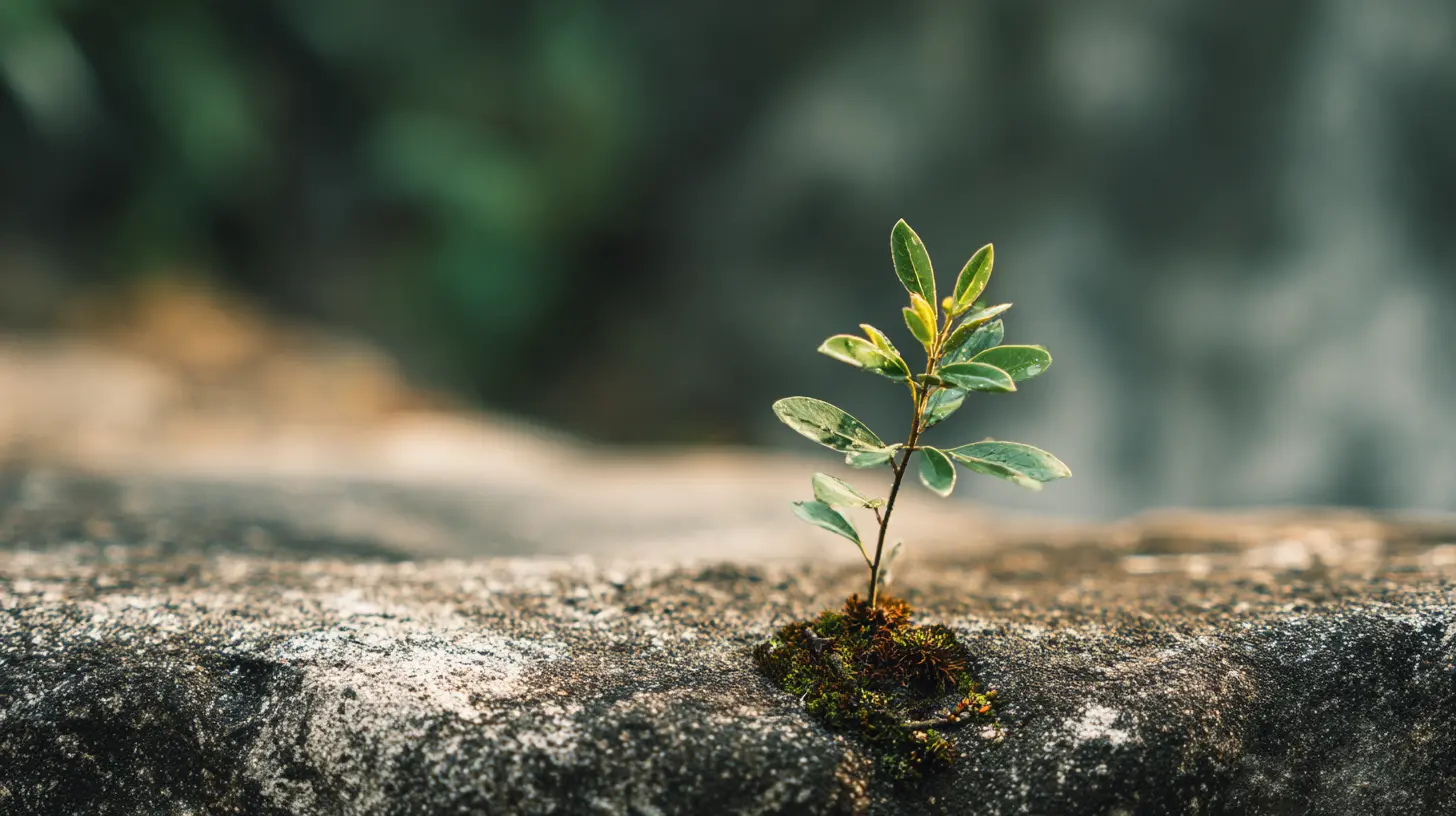
Why Emotional Resilience Matters
Life is unpredictable. One moment you’re sipping your coffee peacefully, and the next, you're dealing with an unexpected job loss, relationship struggles, or a global pandemic (yeah, we’ve been there).Emotional resilience is your ability to bounce back from tough situations. It’s not about avoiding pain or pretending everything’s fine—it’s about facing challenges head-on and adapting to them. When paired with a growth mindset, emotional resilience becomes your superpower.
Think of it like this: if life is the gym, then resilience is the muscle you build to lift heavier emotional weights. And what strengthens that muscle? A growth mindset.
How a Growth Mindset Fuels Emotional Resilience
So, how exactly does adopting a growth mindset make you emotionally stronger? Let’s break it down.1. You View Challenges as Opportunities
Instead of seeing obstacles as personal attacks from the universe, a growth mindset helps you frame them as learning experiences.? Fixed Mindset: "I failed, so I must be terrible at this."
? Growth Mindset: "That didn’t work out, but what can I learn from it?"
Every setback becomes a stepping stone rather than a roadblock. You begin to see challenges as chances to grow, not proof that you’re not good enough.
2. You Develop a ‘Try Again’ Attitude
Resilience isn’t about never failing—it’s about failing forward. A growth mindset helps you see setbacks as temporary, not permanent.Think about a toddler learning to walk. They don’t fall once and say, "Eh, walking’s not for me." They keep trying. And that’s how we should approach life—stumble, get back up, adjust, and keep going.
3. You Stop Over-Personalizing Failures
It’s easy to take failures personally and start believing you’re just unlucky or not good enough. But a growth mindset shifts that narrative.Instead of thinking, "I’m bad at relationships," you start saying, "What can I do to build better communication and connection?"
Instead of saying, "I’m just not good at handling stress," you switch to, "What strategies can I learn to manage stress better?"
This shift means you focus more on solutions than self-blame.
4. You Build Emotional Agility
A growth mindset helps you adapt to change more easily. When life doesn’t go as planned (which, let’s be honest, is most of the time), you can pivot and find new ways to cope instead of shutting down.Imagine you planned a beach day, but it suddenly starts raining. A fixed mindset would grumble about the ruined plans. A growth mindset would find an indoor activity to enjoy instead. Emotional agility works the same way—adjusting to what life throws at you.
5. You Strengthen Self-Compassion
Let’s be real: being hard on yourself won’t magically make you better. If anything, it just makes challenges even harder to handle.A growth mindset encourages self-compassion—the ability to give yourself grace when things don’t go as planned. Instead of beating yourself up over mistakes, you learn to say, "I’m doing my best, and that’s enough."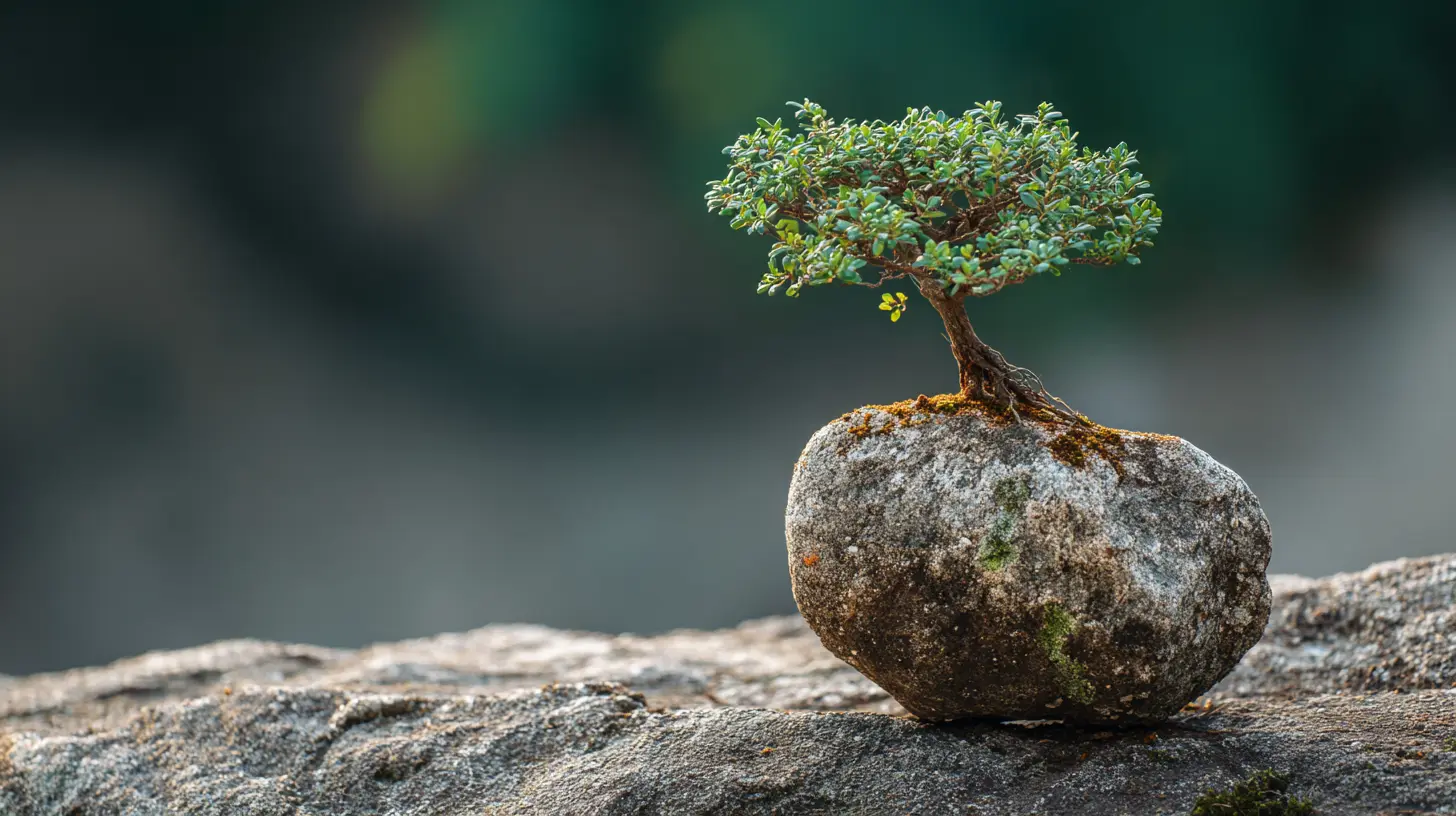
How to Cultivate a Growth Mindset for Emotional Resilience
Now that we know how a growth mindset fosters resilience, let's talk about actionable ways to develop one.? 1. Reframe Negative Self-Talk
The way you talk to yourself matters. Instead of saying, "I can’t handle this," switch to "This is tough, but I can find a way through it."Words shape your reality, so choose words that empower rather than limit you.
? 2. Embrace the Power of ‘Yet’
Adding the word "yet" to limiting beliefs can make a huge difference.? "I’m not good at handling stress."
✅ "I’m not good at handling stress yet."
This small shift makes challenges feel like temporary obstacles rather than permanent flaws.
? 3. View Failure as Feedback
Instead of fearing failure, look at it as data. What worked? What didn’t? What can you do differently next time? Successful people aren’t people who never fail; they’re people who refuse to quit.? 4. Practice Emotional Awareness
Resilience doesn’t mean ignoring your feelings. It means acknowledging them without letting them control you.Take a step back, recognize what you’re feeling, and remind yourself that emotions are temporary and manageable.
? 5. Keep a Growth Journal
Write down challenging situations, your emotional response, and what you learned from them. Over time, you’ll see patterns of growth and resilience forming right in front of your eyes.?️ 6. Step Outside Your Comfort Zone
The more you challenge yourself, the more your resilience muscle grows. Start small—try new activities, have difficult conversations, push yourself to do things you usually avoid.? 7. Celebrate Small Wins
Every step toward growth matters. Acknowledge even the tiniest victories. Whether it’s handling a stressful meeting better or staying calm in a frustrating situation, give yourself credit.Final Thoughts
Life is unpredictable, messy, and sometimes downright brutal. But you don’t have to let those difficulties define you. By developing a growth mindset, you give yourself the mental flexibility to handle challenges with resilience and grace.Remember, setbacks aren’t stop signs—they’re stepping stones. And every time you choose to adopt a growth perspective, you’re strengthening your ability to handle whatever life throws your way.
So, the next time life hands you lemons, don’t just make lemonade—start a lemonade empire. Stay strong. Keep growing. You got this.
all images in this post were generated using AI tools
Category:
Mental WellnessAuthor:

Angelo McGillivray
Discussion
rate this article
2 comments
Elsinore Fletcher
Embrace challenges; they nurture strength and emotional growth.
May 21, 2026 at 4:54 AM
Angelo McGillivray
Absolutely! Challenges are key to building resilience and fostering emotional strength.
Zarek Wyatt
Emotional resilience? It's all about flipping the script. Stop wallowing and start thriving... you've got this!
May 8, 2026 at 5:01 PM
Angelo McGillivray
Thanks for the encouragement! Flipping the script is key. Let's embrace the growth mindset together.