Exploring the Connection Between Brain Health and Hormones
20 July 2026
When we think about brain health, we often focus on things like memory, focus, or even mental clarity. But what if I told you that your hormones play a huge role in how well your brain functions? That's right—those little chemical messengers that regulate everything from stress to sleep can make or break your cognitive health.
In this article, we’re diving deep into the fascinating relationship between brain health and hormones. Whether you're dealing with brain fog, memory issues, or mood swings, understanding this connection can help you take control of your well-being.

The Brain-Hormone Connection: Why It Matters
Your hormones act like a team of messengers, constantly sending signals to different parts of your body—including your brain. When they're balanced, your brain functions smoothly, helping with memory, focus, and emotional stability. But when hormones are out of whack? That’s when problems start.Think of your hormones as a symphony. When each instrument is playing in harmony, the music is beautiful. But if one section goes out of tune, the whole thing sounds off. Similarly, even a slight imbalance in hormones can disrupt your brain’s ability to function properly.
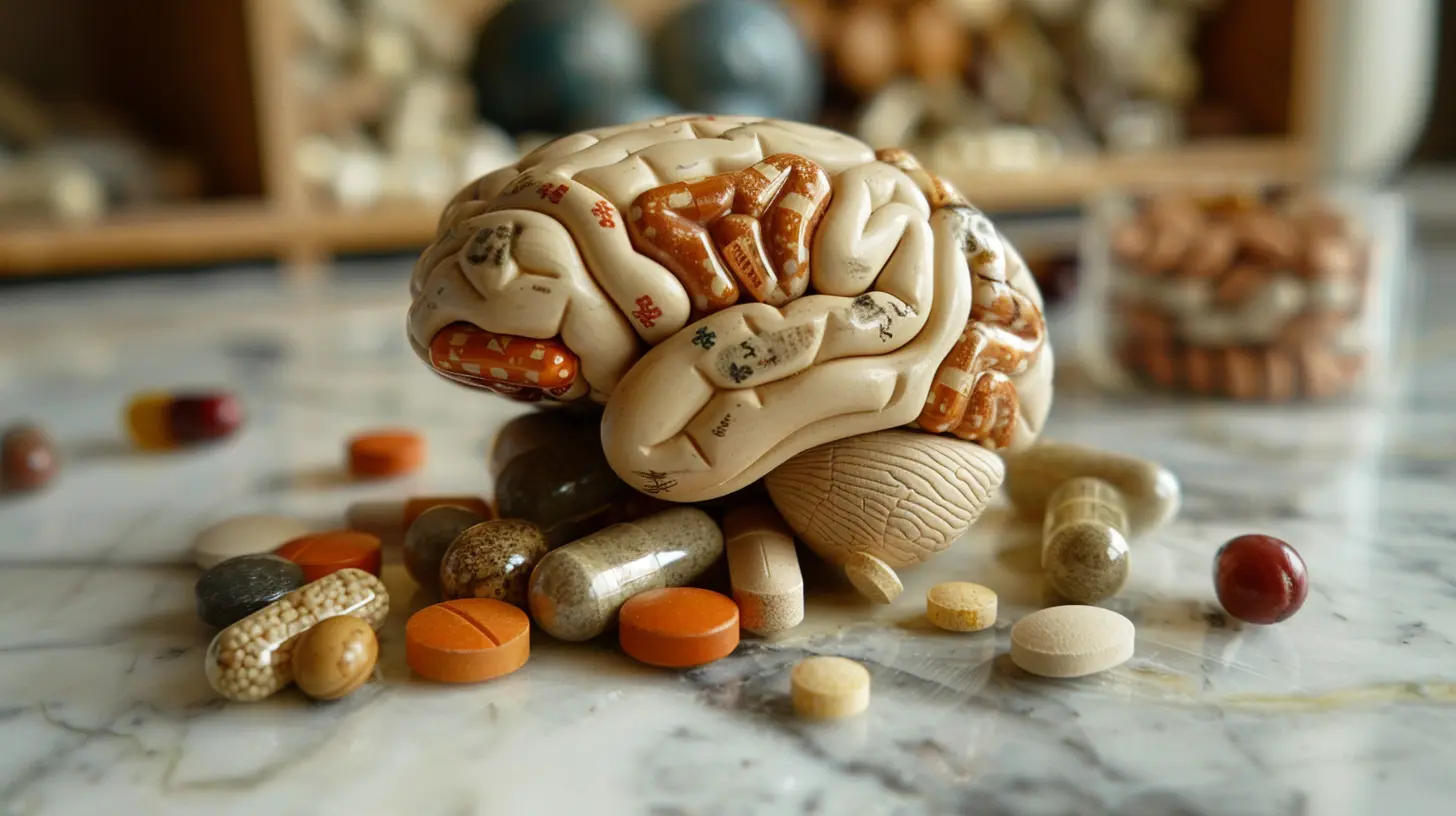
How Hormones Affect Brain Health
Different hormones influence your brain in unique ways. Let’s break it down.1. Estrogen: The Brain’s Protector
Estrogen is often linked to reproductive health, but did you know it also plays a key role in brain function? It protects your brain cells, supports memory, and even reduces the risk of neurodegenerative diseases like Alzheimer’s.But here’s the catch—estrogen levels fluctuate throughout life, especially during menopause. When estrogen drops, women may experience memory lapses, brain fog, and mood swings. That’s why many women notice cognitive changes around this time.
2. Testosterone: More Than Just Muscle Growth
Testosterone isn’t just for building muscle—it’s also crucial for brain health, especially in men. It helps with cognitive function, memory, and even mood regulation.Low testosterone levels have been linked to brain fog, depression, and even an increased risk of neurodegenerative conditions. This is why men going through age-related testosterone decline often feel mentally sluggish.
3. Cortisol: The Stress Hormone That Can Work Against You
Cortisol is essential for dealing with stress. In small amounts, it helps you stay alert and focused. But chronic stress leads to excessive cortisol production, which can wreak havoc on your brain.Too much cortisol can shrink the hippocampus—the part of the brain responsible for memory and learning. That’s why prolonged stress can make you forgetful or feel mentally drained.
4. Thyroid Hormones: The Brain’s Energy Regulators
Your thyroid hormones (T3 and T4) keep your metabolism and energy levels running smoothly. But when thyroid hormones are too low (hypothyroidism), you may experience brain fog, trouble concentrating, and even depression.On the other hand, if thyroid hormones are too high (hyperthyroidism), you might feel anxious, restless, or even have difficulty focusing.
5. Insulin: The Hidden Brain Booster
Insulin is mostly known for regulating blood sugar, but it also plays a role in brain function. Your brain needs glucose to function, and insulin helps with that process.Problems arise when your body becomes resistant to insulin, which is common in people with type 2 diabetes. Insulin resistance has been linked to cognitive decline and even Alzheimer’s disease.
Signs Your Hormones Are Impacting Your Brain Health
If your brain isn’t functioning as well as it should, your hormones might be to blame. Watch out for these signs:- Persistent brain fog
- Difficulty concentrating
- Memory problems
- Mood swings or depression
- Anxiety or irritability
- Poor sleep quality
- Low motivation or energy
If you're experiencing several of these symptoms, it might be worth checking your hormone levels with a healthcare professional.
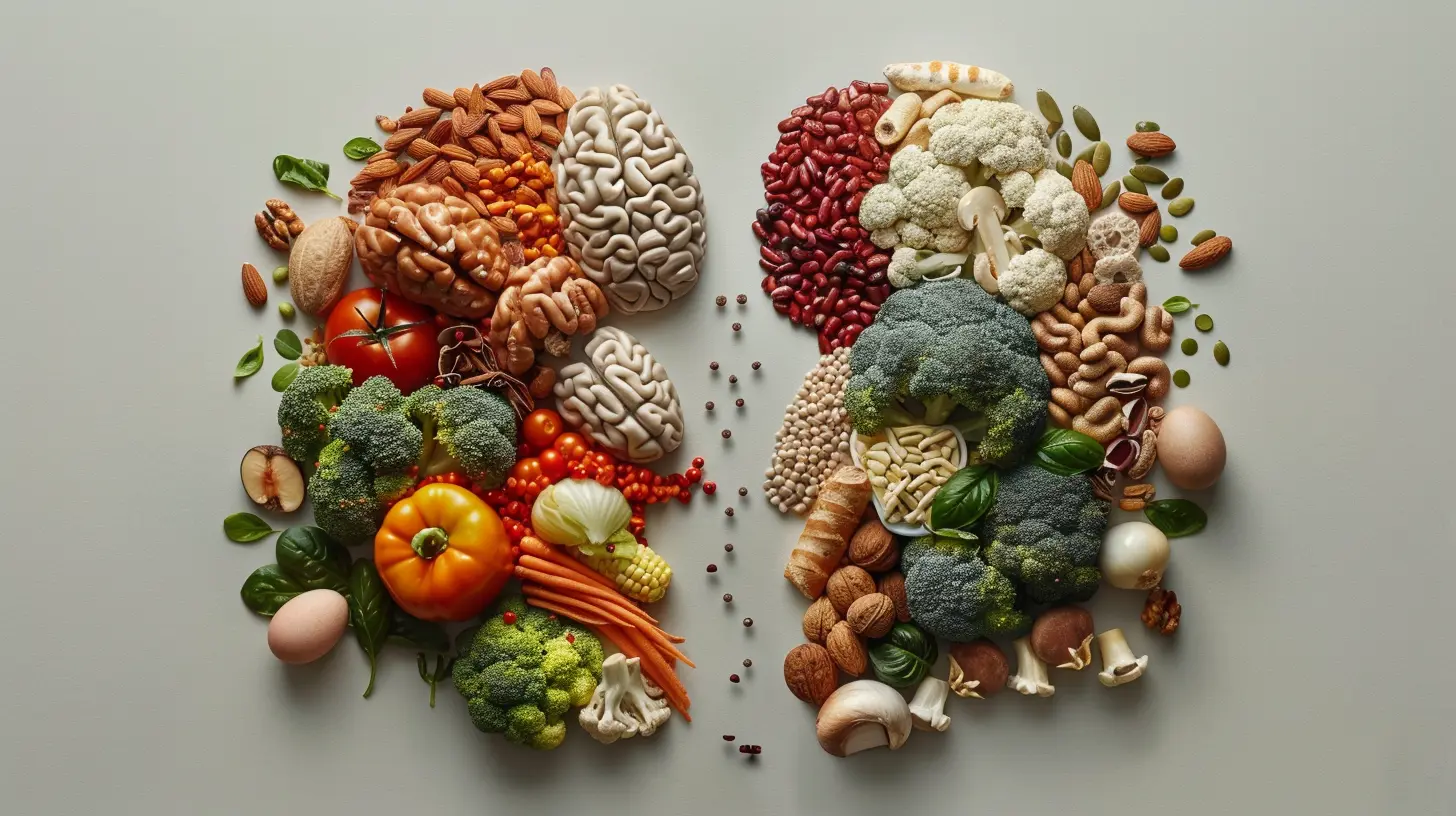
Ways to Balance Hormones for Better Brain Health
Now that we know how important hormones are for brain health, let’s talk about what you can do to keep them balanced.1. Eat a Brain-Boosting, Hormone-Friendly Diet
What you eat directly impacts both your hormones and your brain. Focus on:- Healthy fats – Avocados, nuts, seeds, and olive oil help support hormone production and brain function.
- Lean proteins – Foods like salmon, eggs, and chicken keep your energy and hormones in check.
- Leafy greens – Spinach, kale, and broccoli are packed with brain-boosting antioxidants.
- Fermented foods – Yogurt, kimchi, and sauerkraut promote gut health, which is closely linked to hormone balance.
Cutting back on processed foods, sugar, and excessive caffeine can also help prevent hormone-related brain fog.
2. Manage Stress (Your Brain Will Thank You!)
Since cortisol can wreak havoc on brain health, managing stress is crucial. Some effective ways to lower cortisol include:- Meditation or deep breathing exercises
- Spending time in nature
- Practicing mindfulness
- Engaging in hobbies you enjoy
Even laughing more can reduce cortisol levels—so don’t underestimate the power of a good comedy show!
3. Prioritize Sleep
Sleep isn’t just about resting; it’s when your brain repairs itself. Poor sleep can throw off your hormone balance and impair memory, focus, and mood.To improve sleep:
- Stick to a consistent bedtime
- Avoid screens before bed (blue light disrupts melatonin)
- Keep your bedroom cool and dark
- Try relaxation techniques like reading or gentle stretching
4. Exercise Regularly
Physical activity isn’t just good for your body—it’s great for your brain and hormones too. Exercise helps regulate cortisol, boosts testosterone, and enhances insulin sensitivity.Aim for a mix of:
- Strength training (to support testosterone)
- Cardio workouts (for brain oxygenation)
- Yoga or pilates (to ease stress and balance cortisol)
5. Stay Socially Connected
Believe it or not, social connections play a role in hormone balance. Engaging in meaningful relationships boosts oxytocin, the “feel-good” hormone that promotes brain health.Whether it’s spending time with family, catching up with friends, or even joining a community group, staying social is a natural way to keep your hormones in check.
6. Consider Hormone Testing and Medical Support
If lifestyle changes aren’t enough, consider getting your hormone levels checked. Some imbalances may require professional treatment, whether it's hormone replacement therapy (HRT), thyroid medication, or lifestyle adjustments tailored to your needs.
Final Thoughts
Your brain and hormones are constantly working together behind the scenes, influencing everything from memory to mood. When hormones are balanced, your brain thrives. But when they’re out of sync, you may struggle with brain fog, stress, and fatigue.The good news? You have the power to improve your brain health by making simple lifestyle changes. Whether it’s eating better, managing stress, getting quality sleep, or exercising regularly, small steps can lead to big results.
So, take care of your hormones, and your brain will thank you!
all images in this post were generated using AI tools
Category:
Brain HealthAuthor:

Angelo McGillivray
Discussion
rate this article
1 comments
Maxwell McFee
This article beautifully highlights the intricate relationship between brain health and hormones. It's a reminder of how our bodies are interconnected. Understanding this link can empower us to take better care of our mental and physical well-being. Thank you for sharing!
July 22, 2026 at 2:52 AM