Exploring the Connection Between Sleep and Weight Gain
15 June 2026
Ever wondered why, despite eating clean and hitting the gym, the scale just won’t budge—or worse, it creeps up? You might be overlooking a sneaky little saboteur: sleep. Yep, that thing we all wish we had more of.
Let’s talk about sleep and how getting enough (or not enough) can make a major impact on your waistline. Spoiler alert: it’s not just about feeling groggy in the morning. Sleep and weight go hand-in-hand more than you might think. Buckle up—this is going to be enlightening, maybe a little eye-opening (pun intended), and a whole lot of fun!
Why Sleep Matters More Than You Think
Sleep isn't just for dreamers. It plays a crucial role in how your body functions—kind of like the reset button on your phone when it's acting all glitchy. When you skimp on sleep, you're not just waking up cranky, you're messing with a whole bunch of processes that control everything from your mood to your metabolism.Let’s break it down—when you sleep, your body gets to work behind the scenes. It’s regulating hormones, repairing tissues, managing glucose levels, and prepping your brain for a new day. When you don’t get enough sleep, all of that goes haywire. And that’s where the connection to weight gain starts to unravel.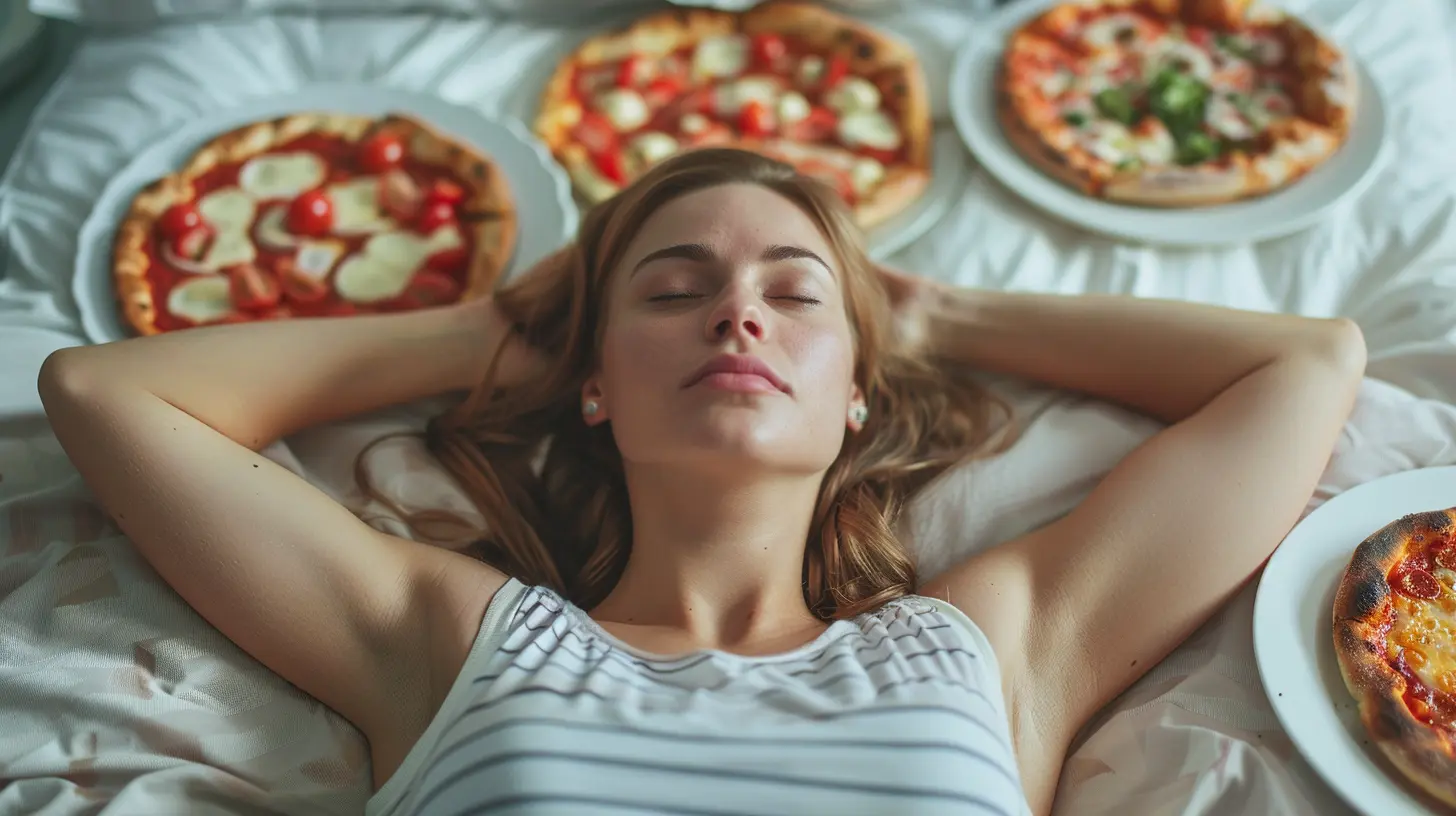
The Hormone Havoc: Ghrelin and Leptin
Ever notice how on days you barely sleep, you're suddenly ravenous? Like, “I need a burger AND fries AND a shake” hungry? There’s a reason—and it all comes down to your hunger hormones: ghrelin and leptin.- Ghrelin is the hunger gremlin (easy to remember, right?). It tells your brain, “Hey, feed me!”
- Leptin is the satiety superhero. It’s like your body’s internal stop sign saying, “Okay, I’m full.”
When you’re sleep-deprived, ghrelin shoots up and leptin plummets. The result? You feel hungrier and less satisfied after eating. That’s a double whammy that pushes you to eat more and burn fewer calories.
Sleep Deprivation = Craving City ?
Another cruel twist? When you’re tired, your body craves energy fast—and guess where it wants it from? Sugar and carbs, baby. That’s why you might find yourself eyeing the donut at 10 AM or ordering a midnight pizza after binge-watching your favorite show.Poor sleep messes with your brain’s reward system, specifically the part that lights up when you eat tasty (read: high-calorie) foods. That combo of intense cravings and the inability to feel full is a recipe for weight gain.
Sluggish Metabolism: Your Body on Sleep Debt
Alright, so we’ve talked about how lack of sleep stirs up your hunger demons. But it also slows down your metabolism. Basically, when you don’t sleep, your body becomes more resistant to insulin—a hormone that helps turn sugar into energy.What happens then? Your blood sugar levels go haywire, your body stores more fat (especially around your belly), and your energy tanks. It’s like running on low battery all day long. You’re moving less, doing less, and burning fewer calories.
Not to mention, sleep deprivation also increases cortisol—your stress hormone—which tells your body to hang onto fat like it’s gold. Hello, belly pooch.
Mood and Motivation: Where Did They Go?
Try hitting the gym after four hours of sleep. Not happening, right? When you’re exhausted, motivation falls flat. You're less likely to work out, plan healthy meals, or even care about that water bottle collecting dust on your nightstand.Plus, lack of sleep impacts your mood. You become irritable, anxious, maybe even a little depressed. All of which can lead to emotional eating—using food as comfort instead of fuel.
Night Owls vs. Early Birds: Does Timing Matter?
Short answer: yes. People who stay up late often experience irregular sleep cycles and eat more calories late at night. Studies show night owls are more likely to snack on high-fat, high-sugar foods in the evening, which gives their bodies less time to burn those calories before sleep.On top of that, staying up late usually means less sleep overall. And you already know what that leads to. It’s a domino effect that can spiral out of control quickly.
Social Jet Lag: When Weekend Sleep Wrecks You
Ever sleep in on the weekends to "catch up" on rest? It feels good in the moment, but it might be harming your waistline in the long run.This phenomenon—called social jet lag—is when your internal body clock gets thrown off by inconsistent sleep schedules. It’s like traveling across time zones without ever leaving your bed. Your metabolism gets confused, hormone regulation gets funky, and your body doesn’t know when to eat or rest anymore.
Consistency is key, even if that means skipping the 10-hour Sunday snooze fest.
The Vicious Cycle of Weight Gain and Poor Sleep
Here’s the kicker: weight gain itself can lead to poor sleep. We’re talking sleep apnea, acid reflux, joint pain… all of which make it harder to get quality Zzz’s. So now you’re stuck in a cycle where poor sleep causes weight gain, and the extra weight makes it hard to sleep.Talk about frustrating! But here’s the good news—you can absolutely break that cycle.
So, How Much Sleep Should You Be Getting?
The sweet spot for most adults is between 7-9 hours per night. Anything less, and you’re playing with fire. More isn’t always better either—too much sleep can also throw things off. The goal is quality sleep on a consistent schedule.Set a regular bedtime (yes, even on weekends), wind down with a little bedtime routine (think reading, stretching, or a warm cup of herbal tea), and keep screens out of the bedroom if you can. These steps are small but mighty.
Quick Tips to Improve Sleep and Keep the Pounds Off
Looking to tame your hunger hormones and keep your metabolism on track? These sleep-friendly tips double as waistline-friendly habits, too:- Stick to a sleep schedule – Go to bed and wake up at the same time every day.
- Cut the caffeine – Especially after 2 PM. Your brain will thank you at bedtime.
- Power down screens – Blue light isn’t your friend at night.
- Limit alcohol – It may help you fall asleep, but it disrupts deep, restful sleep.
- Get moving – Regular exercise helps, just don’t work out right before bed.
- Create a sleep sanctuary – Cool, dark, and quiet. Think cave vibes.
Sleep: The Secret Weight-Loss Weapon Nobody’s Talking About
So there you have it. The connection between sleep and weight gain isn’t some far-fetched idea—it’s legit. And while eating clean and sweating it out in the gym matter (big time), you can’t neglect what happens when your head hits the pillow.If you’re doing “everything right” and still not seeing results, try asking yourself: am I really sleeping enough?
Getting proper sleep might just be the missing piece in your wellness puzzle. It helps regulate hormones, boosts metabolism, improves mood, and supports better food choices. Basically, it’s the MVP of your health routine.
So go ahead. Shut down Netflix. Put your phone on Do Not Disturb. Slip into your coziest PJs. And give yourself permission to sleep like it’s your job—because your body (and your bathroom scale) will thank you.
all images in this post were generated using AI tools
Category:
Sleep DisordersAuthor:

Angelo McGillivray
Discussion
rate this article
2 comments
Rylan Romero
If you think you can survive on three hours of sleep and not pack on the pounds, think again. Snooze your way to success, or just keep adding those stubborn pounds. Choose wisely because those late-night snacks won't help if you're too tired to work them off...
August 4, 2026 at 4:16 AM
Angelo McGillivray
You're right. Sleep is crucial for managing weight. Skimping on rest often leads to poor choices and extra calories. Prioritizing sleep can really make a difference.
Maddox Tucker
This article highlights such an important connection. It's eye-opening to see how our sleep habits truly impact our health and weight management. Thank you!
June 16, 2026 at 2:54 AM
Angelo McGillivray
Thank you for your thoughts! I'm glad you found the connection insightful. Sleep really plays a crucial role in our overall health.