Exploring the Role of Genetics in Chronic Pain Conditions
2 July 2026
Chronic pain is a mystery we’ve been trying to solve for ages. Sometimes, it’s easy to pinpoint the cause—a past injury, arthritis, or an underlying disease. But what about those cases where chronic pain seems to run in families? Could genetics be playing a bigger role than we think?
If you’ve ever wondered why some people seem more prone to chronic pain than others, you’re not alone. Scientists are asking the same questions, and their findings are shedding new light on how our genes might influence pain sensitivity, tolerance, and even response to treatments. Let’s dive into the fascinating connection between genetics and chronic pain.

The Genetic Code and Chronic Pain: What's the Link?
Your genes influence almost everything about you—your eye color, height, metabolism, and yes, even your pain experience. Some people have a high pain threshold, while others feel discomfort more intensely. Why? It all comes down to DNA.Genetic research suggests that variations in certain genes can make someone more or less vulnerable to chronic pain conditions. This means that if your parents or grandparents struggled with chronic pain, you might be at risk, too. But don’t worry—it’s not all predetermined. Other factors, like lifestyle, environment, and mindset, also play a role.
Pain Sensitivity: Why Do Some People Feel More Pain?
Have you ever stubbed your toe and been fine, while someone else experiences the same injury and reacts like it’s the end of the world? It’s not just about pain tolerance—there’s science behind it.Scientists have discovered specific genes, like COMT, SCN9A, and OPRM1, that impact how we perceive pain. For example:
- COMT Gene: Responsible for breaking down neurotransmitters related to pain. Some people have a variation that makes them feel pain more intensely.
- SCN9A Gene: Plays a role in how pain signals travel to the brain. Mutations in this gene can lead to either extreme pain sensitivity or an inability to feel pain at all!
- OPRM1 Gene: Related to how our body responds to opioid pain medications. People with certain variations may feel less pain relief from opioids, making pain management more difficult.
Understanding these genes helps explain why pain can feel so different from person to person.
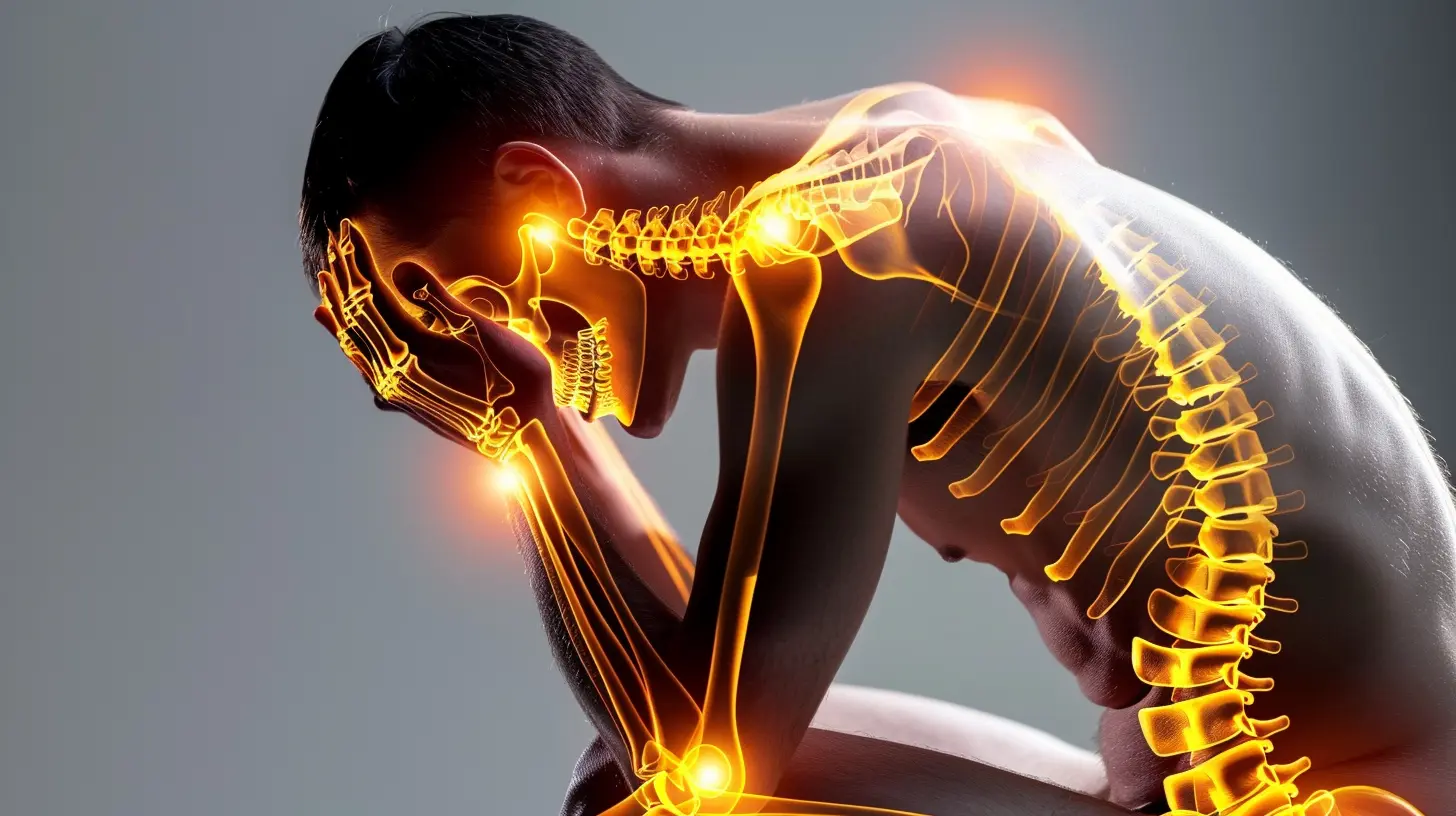
Chronic Pain Conditions with a Genetic Link
Not all chronic pain conditions are directly linked to genetics, but many have a strong hereditary component. If you have a family history of these conditions, you might be more at risk:1. Fibromyalgia
Fibromyalgia is one of the most mysterious chronic pain conditions out there. People with this condition experience widespread pain, fatigue, and cognitive issues.Studies show that fibromyalgia tends to run in families. Researchers have identified genetic variations related to pain processing and neurotransmitter function, which could explain why some people develop fibromyalgia while others don’t.
2. Migraines
If you suffer from migraines, you may have inherited them. Research has found multiple genes linked to migraine susceptibility, including mutations affecting serotonin and dopamine regulation.Since serotonin plays a big role in pain perception and mood, these genetic variations make some people more prone to developing migraines.
3. Arthritis (Osteoarthritis and Rheumatoid Arthritis)
Arthritis isn’t just about wear and tear—it has a genetic component, too. Studies show that certain genetic markers, such as variations in the HLA-DRB1 gene, can increase the risk of rheumatoid arthritis.For osteoarthritis, genes affecting cartilage repair and inflammation may determine whether someone develops the condition and how severe it becomes.
4. Chronic Back Pain
Chronic lower back pain is one of the most common complaints worldwide. While injuries and poor posture play a role, genetics also influence susceptibility.Researchers have pinpointed certain genes related to inflammation and spinal disc degeneration that could make someone more likely to suffer from chronic back pain.
5. Endometriosis
For women experiencing chronic pelvic pain due to endometriosis, genetics could be partially to blame. Studies suggest that having a family member with endometriosis significantly increases the likelihood of developing the condition.Some genetic variants affect how the body processes inflammation and estrogen, contributing to pain severity.

Can We Use Genetics to Predict and Treat Chronic Pain?
We’re not quite at the point where a DNA test can tell you exactly whether you’ll develop chronic pain, but science is getting closer.Genetic research is improving how we understand pain management. By identifying pain-related genes, doctors might one day be able to personalize treatments based on your genetic makeup. Imagine a future where a doctor could analyze your DNA and prescribe a treatment plan specifically tailored to how your body processes pain.
Personalized Pain Management: A Game Changer?
Some people don’t respond well to pain medications, and genetics may explain why. For example, individuals with certain variants of the OPRM1 gene may not get adequate relief from opioids. This could help explain why some people struggle with finding effective pain relief.In the future, doctors may be able to use genetic testing to predict which pain treatments will work best for each person, reducing the frustrating trial-and-error approach to pain management.

Lifestyle Still Matters
Even if you have a genetic predisposition to chronic pain, it’s not a life sentence. Your lifestyle choices can significantly impact how pain develops and how severe it becomes.1. Stay Active
Regular exercise can help manage chronic pain by improving circulation, reducing inflammation, and releasing endorphins (the body’s natural painkillers).2. Manage Stress
Stress and anxiety can make pain worse. Meditation, deep breathing, and mindfulness techniques can help reduce pain sensitivity.3. Eat an Anti-Inflammatory Diet
Foods rich in omega-3 fatty acids, antioxidants, and vitamins can help reduce chronic inflammation, which plays a big role in pain.4. Get Quality Sleep
Poor sleep can lower your pain threshold and make existing pain feel worse. Establishing good sleep hygiene can help manage chronic pain more effectively.5. Consider Alternative Therapies
Acupuncture, massage therapy, and cognitive behavioral therapy (CBT) have all shown promise in helping people manage chronic pain better.Final Thoughts
While genetics play a significant role in chronic pain, they aren’t the only factor. Your environment, lifestyle, and overall health also contribute to how pain manifests in your life. Understanding the genetic connection can help pave the way for better treatments and more personalized pain management in the future.If chronic pain runs in your family, don’t lose hope—knowledge is power. By taking proactive steps, you can reduce your risk and improve your quality of life, even if your genes suggest otherwise.
all images in this post were generated using AI tools
Category:
Chronic PainAuthor:

Angelo McGillivray
Discussion
rate this article
2 comments
Annabelle Franklin
This article does an excellent job highlighting the impact of genetics on chronic pain. Understanding genetic factors can lead to more personalized treatment approaches, improving outcomes for patients. It's an important step in bridging the gap between genetics and pain management strategies. Thanks for the insights!
September 28, 2026 at 3:51 AM
Zander McKeehan
This article highlights the significant impact genetics can have on understanding chronic pain conditions.
July 6, 2026 at 4:37 AM
Angelo McGillivray
I'm glad you found the article insightful. Genetics truly plays a vital role in understanding chronic pain. Thank you for reading!