Seasonal Affective Disorder and Its Implications on Brain Chemistry
16 August 2026
Ever feel like winter turns you into a sluggish, snack-obsessed couch potato? You’re not alone. Seasonal Affective Disorder (SAD) is like your brain pulling an emotional fire alarm every time the days get shorter and gloomier. But why does this happen? And more importantly, why does your brain suddenly crave copious amounts of carbs, naps, and isolation? Let’s dive into the science (but in a way that won’t put you to sleep).
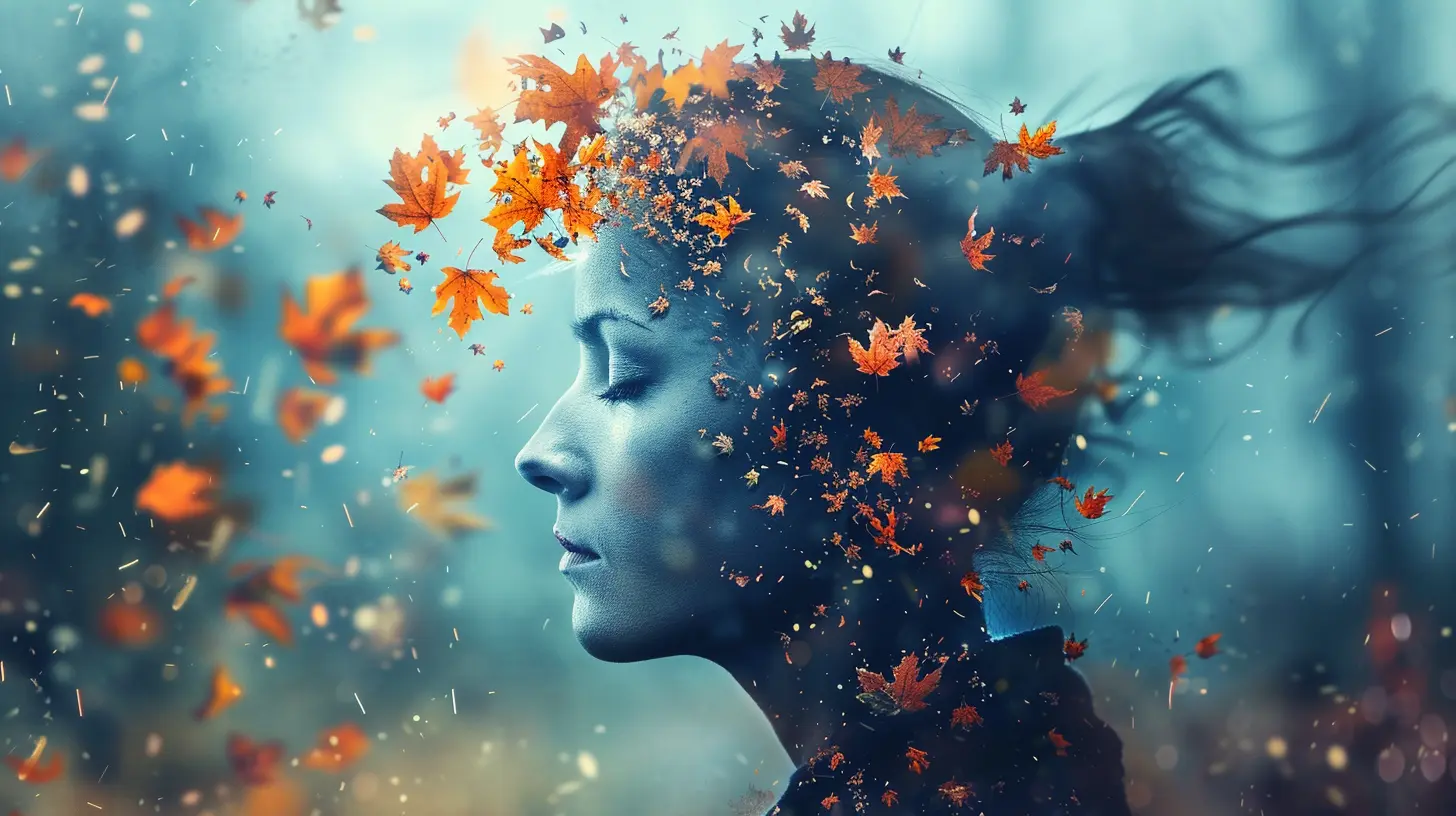
What Is Seasonal Affective Disorder (SAD)?
SAD is the not-so-charming cousin of depression that shows up uninvited when the seasons change—typically in late fall and winter. It’s like Mother Nature flipped the light switch off, and your brain went, “Welp, time to shut down.”Symptoms range from feeling down in the dumps to wanting to hibernate like a grumpy bear. Some people get irritable, some feel sluggish, and others just want to inhale every carbohydrate in sight. It's not just "winter blues"—it's a real condition that messes with your brain chemistry. 
How Your Brain Chemistry Gets Hijacked
Your brain is a delicate dance floor where neurotransmitters like serotonin, melatonin, and dopamine groove to keep you feeling balanced. But when the seasons shift, it’s as if the DJ suddenly switches to a depressing slow jam, throwing off the entire vibe.1. Serotonin: The Happy Chemical in Hibernation
Serotonin is your brain’s built-in mood booster. It keeps you feeling happy, balanced, and motivated. But guess what? Natural sunlight helps produce serotonin, and when winter arrives, the sun pulls a disappearing act. Less sunlight means less serotonin, making you feel like an emotional Eeyore.2. Melatonin: The Sleepy Saboteur
Melatonin is the hormone that tells you when it's time to sleep. Normally, it rises when it gets dark and lowers when it’s light again. But during the winter, when it's dark all the time, melatonin goes into overdrive. The result? You feel like a human sloth, constantly tired, sluggish, and ready to pass out at 4 PM.3. Dopamine: Motivation’s Vanishing Act
Dopamine is the rockstar neurotransmitter linked to motivation, pleasure, and reward. Unfortunately, with the lack of sunlight and increased melatonin, dopamine levels tend to drop. This leaves you feeling unmotivated, foggy-headed, and less interested in things you normally enjoy. Goodbye productivity, hello Netflix marathons.
Why Does SAD Make You Crave Carbs Like a Gremlin?
Ever notice how winter turns you into a carb-craving machine? There’s a scientific reason for that. When serotonin levels drop, your body looks for a quick fix, and carbs provide just that. Eating carbs helps produce more serotonin (temporarily), which is why that mac and cheese or chocolate cake feels like a warm hug for your soul.But here’s the kicker: this temporary serotonin boost crashes just as fast as it spikes, making you feel even worse in the long run. It’s like putting a band-aid on a broken leg—really not the fix you need. 
The Link Between Light and Mood: Sunlight Is Your Brain’s Best Friend
Your brain is practically solar-powered, and without enough daylight, things start short-circuiting. Sunlight exposure not only boosts serotonin but also helps regulate your circadian rhythm (aka your internal clock). When you’re missing that daily dose of sunshine, your body gets confused, your mood plummets, and suddenly, everything feels ten times harder.This is why light therapy is often recommended for people with SAD. Sitting in front of a special lightbox for 30 minutes a day can trick your brain into thinking it’s summer again, giving you a much-needed serotonin boost. Sounds futuristic, but hey, desperate times call for bright solutions.
Can You Beat Seasonal Affective Disorder? Absolutely!
Luckily, SAD isn’t a life sentence. There are plenty of ways to fight back against the winter gloom and reclaim your energy and happiness. Here’s what you can do:1. Light Therapy: Your Brain’s Sunscreen in the Winter
Invest in a light therapy lamp and use it for 30 minutes each morning. It mimics natural daylight and can help reset your brain’s confused chemistry. Plus, you get to feel like a sci-fi character soaking up artificial sunshine—win-win.2. Move Your Body (Even When You Don’t Want To)
Exercise increases serotonin and dopamine, giving you a natural mood boost. Yes, dragging yourself out for a walk in the cold sounds awful, but even a short workout can make a big difference.3. Get Outside (Even If It’s Freezing)
Natural light—even on a cloudy day—helps regulate your mood. Bundle up, go for a quick walk, and trick your brain into believing it’s not the Arctic tundra outside.4. Eat Smart (Put Down the Endless Pasta Bowl)
As tempting as it is to live off bread and sugar, focus on foods that naturally boost serotonin. Think turkey, eggs, nuts, seeds, and even dark chocolate (because let's be real, life without chocolate is just sad).5. Stick to a Routine (Your Brain Thrives on Consistency)
SAD messes with your body's internal clock, so keeping a regular sleep and meal schedule helps restore balance. Go to bed and wake up at the same time every day (yes, even on weekends).6. Consider Therapy or Medication
If SAD is seriously messing up your life, don’t hesitate to seek professional help. Therapy, counseling, and even antidepressants can provide the chemical boost your brain needs.The Bottom Line: Winter Doesn’t Have to Win
Seasonal Affective Disorder can make the colder months feel like an emotional rollercoaster, but understanding the brain chemistry behind it gives you a fighting chance. It’s not just you being overly dramatic—your brain is genuinely struggling with the lack of sunlight.But now that you know what’s going on, you can fight back. Whether it’s soaking up some (artificial) light, resisting the urge to eat an entire pizza in one sitting, or simply getting outside, small changes can make a world of difference.
So, as the chill sets in and daylight dwindles, remember: you’re not doomed to feel miserable all winter. With the right strategies, you can outsmart SAD and actually enjoy the season—hot cocoa, fuzzy socks, and all.
all images in this post were generated using AI tools
Category:
Brain HealthAuthor:

Angelo McGillivray
Discussion
rate this article
1 comments
Greyson Rocha
If winter makes you feel like a sloth, blame it on your brain chemistry... or just the lack of sunshine!
August 16, 2026 at 4:30 AM
Angelo McGillivray
You're spot on! The lack of sunlight really does impact our mood and energy levels. It's fascinating how closely our brains are tied to the seasons.