How High-Altitude Sun Exposure Impacts Your Skin
19 January 2026
Spending time in the mountains can be an incredible experience—the fresh air, breathtaking views, and sense of adventure make it truly magical. But did you know that high-altitude sun exposure can be much harsher on your skin than at sea level? If you've ever hit the slopes or gone for a hike and come back looking like a tomato, you know exactly what I mean!
In this article, we'll dive deep into how high-altitude sun exposure affects your skin, why the sun is stronger up there, and what you can do to keep your skin protected while still enjoying the great outdoors. 
Why Is the Sun Stronger at High Altitudes?
Before we talk about what happens to your skin, let's first understand why the sun is so much more intense when you're up in the mountains.1. Less Atmospheric Protection
At higher elevations, the Earth's atmosphere is thinner. The atmosphere acts as a natural filter, absorbing some of the sun’s harmful UV rays before they reach us. The higher you go, the less protection you get, which means more UV radiation reaches your skin.2. Increased UV Radiation Intensity
According to studies, UV radiation increases by about 10% for every 1,000 meters (3,280 feet) of altitude gain. So, if you're skiing in the Rockies at around 3,000 meters (9,800 feet), the UV exposure can be nearly 30% higher than at sea level. That’s a big deal!3. Reflection from Snow and Ice
If you’re in a snowy environment, the risk is even greater. Snow reflects up to 80% of UV rays, meaning you're getting hit with double the dose—once from above and once bouncing back at you from below. Now, that’s a guaranteed way to fast-track sun damage!
How High-Altitude Sun Exposure Affects Your Skin
Let’s get into the nitty-gritty—what actually happens to your skin when it’s exposed to intense sun in high-altitude areas?1. Increased Risk of Sunburn
Ever felt like your skin started turning red within minutes of being outside at high altitudes? That’s because the intensified UV exposure means your skin burns much quicker. Without proper sun protection, just a short time in the sun can leave you with a painful, red, and peeling sunburn.2. Accelerated Skin Aging
UV rays are sneaky—they don’t just burn you; they also speed up the aging process. Prolonged exposure to high levels of UV radiation leads to:- Wrinkles
- Fine lines
- Loss of skin elasticity
- Hyperpigmentation (sunspots)
Essentially, the sun is breaking down your skin’s collagen at a much faster rate. If you want to keep your skin looking youthful, high-altitude sun exposure is something to take seriously.
3. Higher Risk of Skin Cancer
This is the most serious concern. UV radiation is a significant risk factor for skin cancer, including melanoma, squamous cell carcinoma, and basal cell carcinoma. Since UV exposure is stronger at high altitudes, your risk significantly increases if you’re frequently outdoors in mountain regions without proper protection.4. Dehydrated and Dry Skin
The combination of colder temperatures, dry mountain air, and UV exposure can strip your skin of moisture, leaving it feeling dry, flaky, and tight. You may have noticed your lips chapping faster or your skin becoming unusually rough after spending time at high altitudes. That’s because both the sun and the environment are sucking the moisture right out of you!
How to Protect Your Skin at High Altitudes
Now that we know the risks, let’s talk about what you can do to keep your skin safe while still enjoying your time outdoors.1. Use a High-SPF Sunscreen
This is non-negotiable. Choose a broad-spectrum sunscreen with SPF 50 or higher to protect against both UVA and UVB rays. Don't just apply it in the morning—reapply every two hours, especially if you’re sweating or in snowy conditions where reflection increases exposure.2. Wear Protective Clothing
Sunscreen is great, but physical protection is even better. Cover up with:- Long-sleeved shirts
- Wide-brimmed hats or UV-protective caps
- UV-blocking sunglasses to protect your eyes and the sensitive skin around them
3. Stay Hydrated
Drink plenty of water! High altitudes can dehydrate you faster, and your skin needs hydration both inside and out. Consider using a hydrating moisturizer with ingredients like hyaluronic acid to lock in moisture.4. Don’t Forget Lip Protection
Your lips are ultra-sensitive to UV radiation and often the first to burn. Use a lip balm with SPF 30 or higher and reapply it frequently.5. Avoid Peak Sun Hours
The sun is strongest between 10 AM and 4 PM. If possible, try to plan your outdoor adventures for early morning or late afternoon when UV radiation is lower.6. Use After-Sun Care
Even with the best protection, some UV exposure is inevitable. After a long day in the sun, soothe your skin with aloe vera gel, cooling moisturizers, or after-sun lotions to help with any redness or irritation.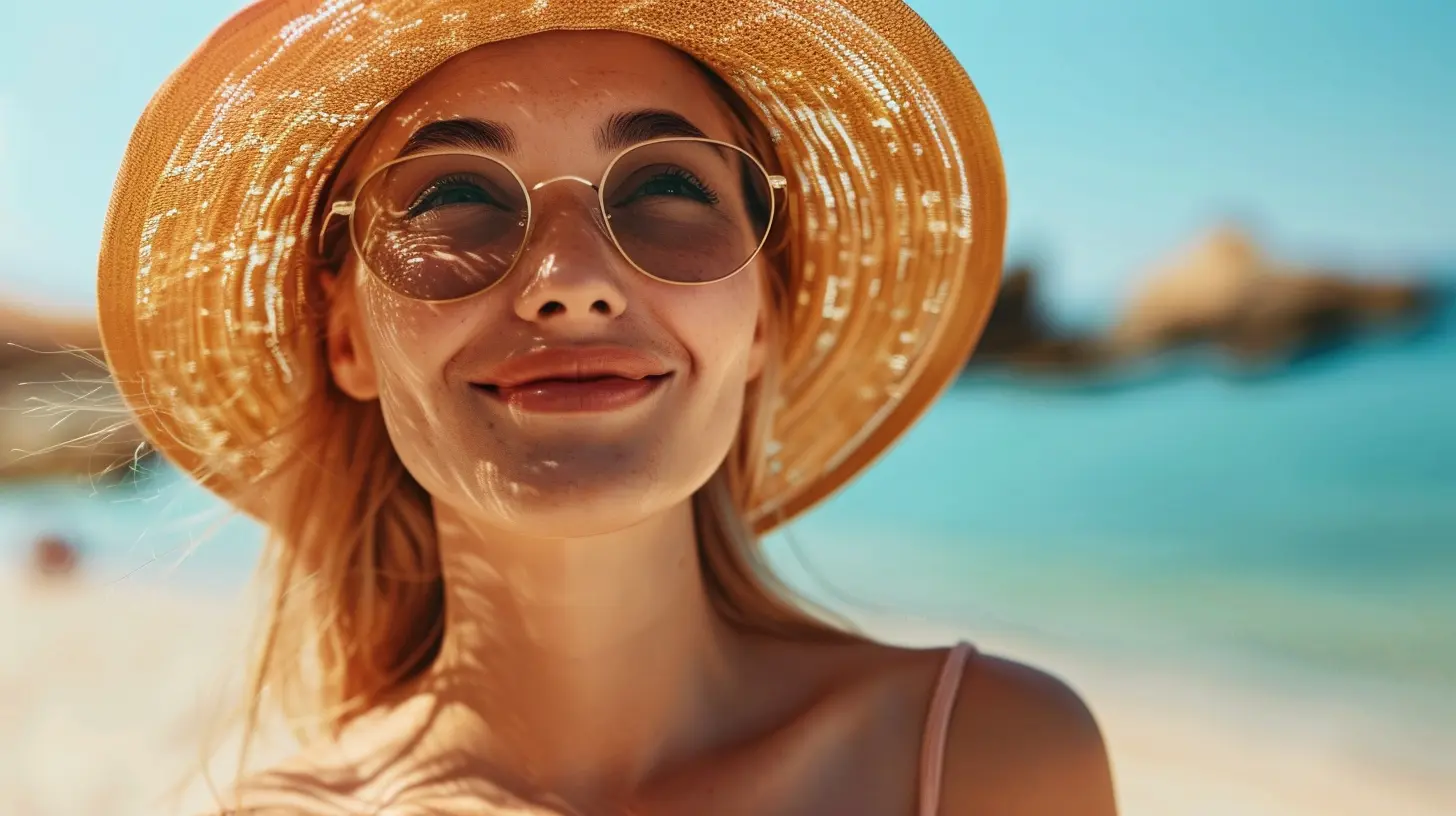
Final Thoughts
High-altitude adventures are an incredible way to connect with nature, but they come with unique challenges for your skin. With stronger UV rays, increased reflection from snow, and drier air, your skin takes a beating if you don’t take precautions. But the good news? With the right protection, you can enjoy all the breathtaking mountain views without turning into a sunburned mess!So, the next time you're gearing up for a mountain trip, don’t just think about your hiking boots or ski gear—pack that sunscreen, cover up, and give your skin the care it deserves. Your future self will thank you!
all images in this post were generated using AI tools
Category:
Sun ProtectionAuthor:

Angelo McGillivray
Discussion
rate this article
2 comments
Damien Bryant
Great article! It’s crucial to understand how high-altitude sun exposure affects our skin. Protecting ourselves is essential, especially in those stunning outdoor settings. Thank you for sharing these valuable insights for healthier adventures!
February 13, 2026 at 5:12 AM
Angelo McGillivray
Thank you for your kind words! I'm glad you found the insights helpful for enjoying the outdoors safely.
Zealot Warren
Great article! It's so important to be aware of how high-altitude sun exposure can affect our skin. Your tips on protection and skincare are incredibly helpful. Thank you for sharing this vital information—staying informed empowers us to take better care of our skin while enjoying the outdoors!
January 19, 2026 at 3:46 AM
Angelo McGillivray
Thank you for your kind words! I'm glad you found the information helpful. Staying informed is key to protecting our skin while enjoying the outdoors!