How Stress Impacts Your Sleep Quality
7 September 2026
Have you ever found yourself tossing and turning at night, unable to shut off your mind? Maybe you're worrying about work, an upcoming event, or just life in general. If this sounds familiar, you're not alone. Stress and sleep are deeply connected, and when stress takes over, your sleep quality takes a hit.
Let’s dive into how stress affects your sleep and what you can do to break the cycle. 
The Connection Between Stress and Sleep
Stress is your body's natural response to challenges and demands. When you're stressed, your body releases cortisol, the infamous "stress hormone." In small doses, cortisol helps keep you alert and ready to tackle challenges. But when stress is ongoing, and your cortisol levels remain high, your sleep suffers.Sleep is essential for restoring both the body and mind. However, stress can make it difficult to unwind, leading to poor sleep quality and, in some cases, full-blown insomnia. 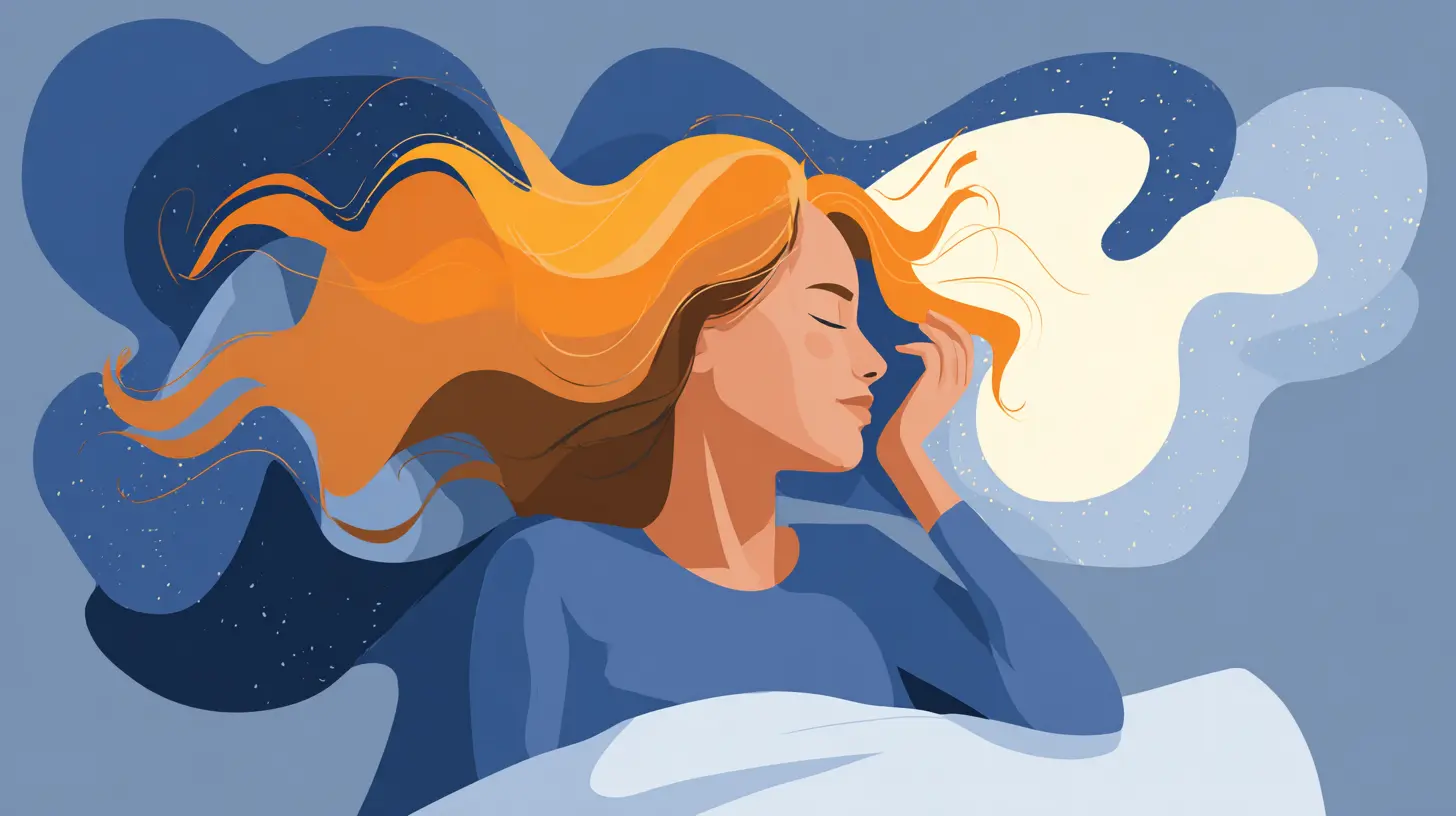
How Stress Messes with Your Sleep
1. Racing Thoughts Keep You Awake
Have you ever laid in bed, endlessly replaying conversations or worrying about the future? This mental overdrive is a classic symptom of stress. Your brain refuses to power down, making it nearly impossible to fall asleep.2. Increased Cortisol Levels Disrupt Sleep Patterns
Cortisol follows a natural rhythm—it should be high in the morning to wake you up and low at night to help you sleep. But when stress kicks in, cortisol levels stay elevated even when they should drop. This disrupts your body’s ability to transition into a deep, restful sleep.3. Tension in the Body Causes Physical Discomfort
Stress doesn’t just affect your mind; it also impacts your body. Muscle tension, headaches, increased heart rate—these physical symptoms make it harder to relax, leading to restlessness and frequent awakenings throughout the night.4. Stress-Induced Anxiety Leads to Insomnia
Chronic stress can trigger anxiety, making it even more difficult to fall asleep. You might start associating bedtime with worry, creating a vicious cycle of sleepless nights and groggy mornings.5. Poor Sleep Increases Stress—A Never-Ending Cycle
Here’s the real kicker: not getting enough sleep makes stress worse. When you're sleep-deprived, your brain is less capable of handling stress, making you more anxious and irritable. This leads to—you guessed it—more sleep problems.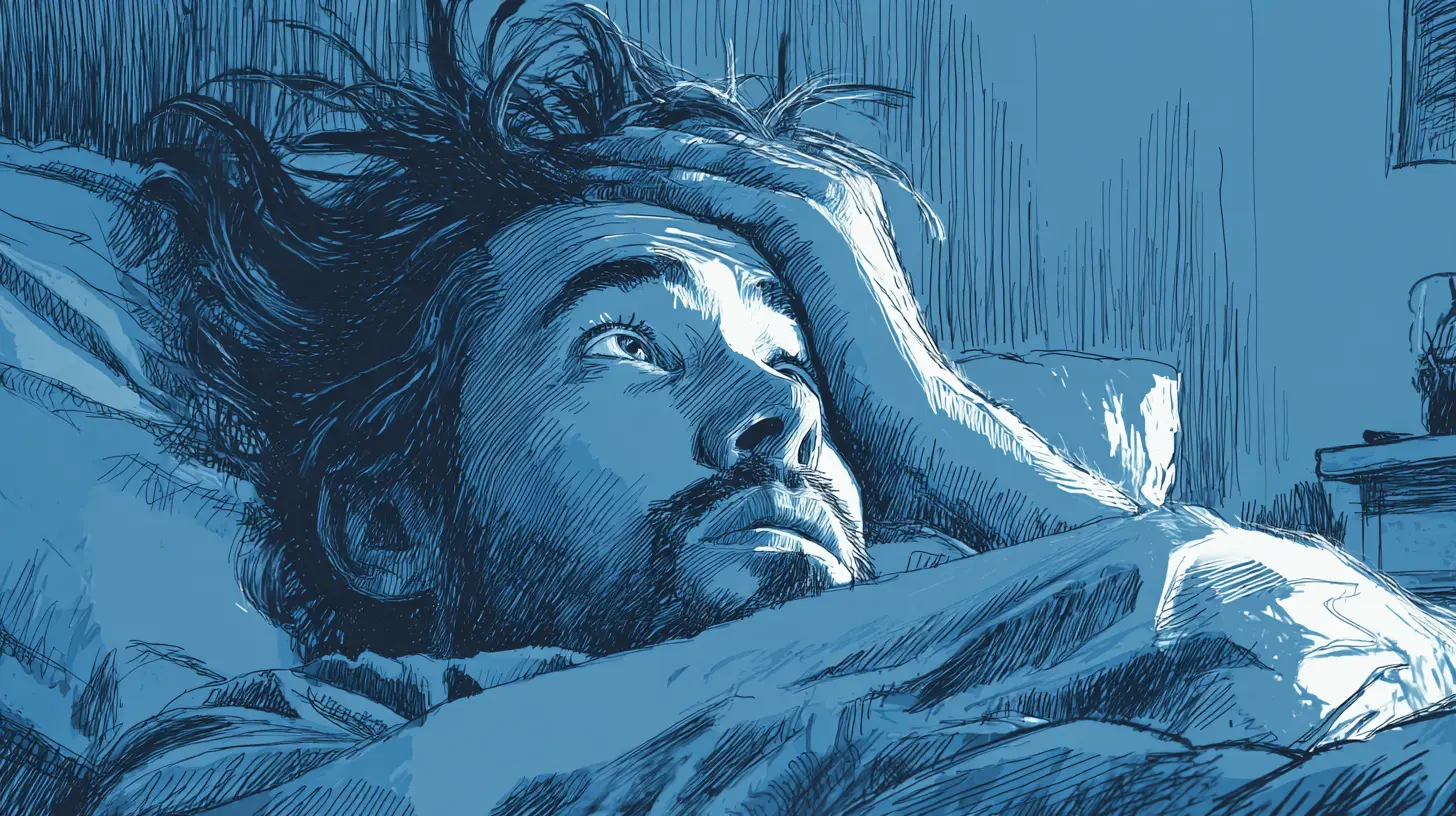
The Long-Term Effects of Stress on Sleep
The occasional sleepless night is frustrating but usually harmless. However, if stress continues to rob you of sleep, it could lead to serious health problems, including:- Weakened immune system – Your body repairs itself during sleep. Without enough rest, you're more susceptible to illness.
- Memory and concentration issues – Lack of sleep affects cognitive function, making it harder to focus and retain information.
- Increased risk of heart disease – Poor sleep is linked to high blood pressure and heart-related issues.
- Weight gain – Sleep deprivation affects hunger hormones, leading to cravings and overeating.
- Mood swings and mental health struggles – Chronic stress and sleep deprivation can contribute to anxiety and depression. 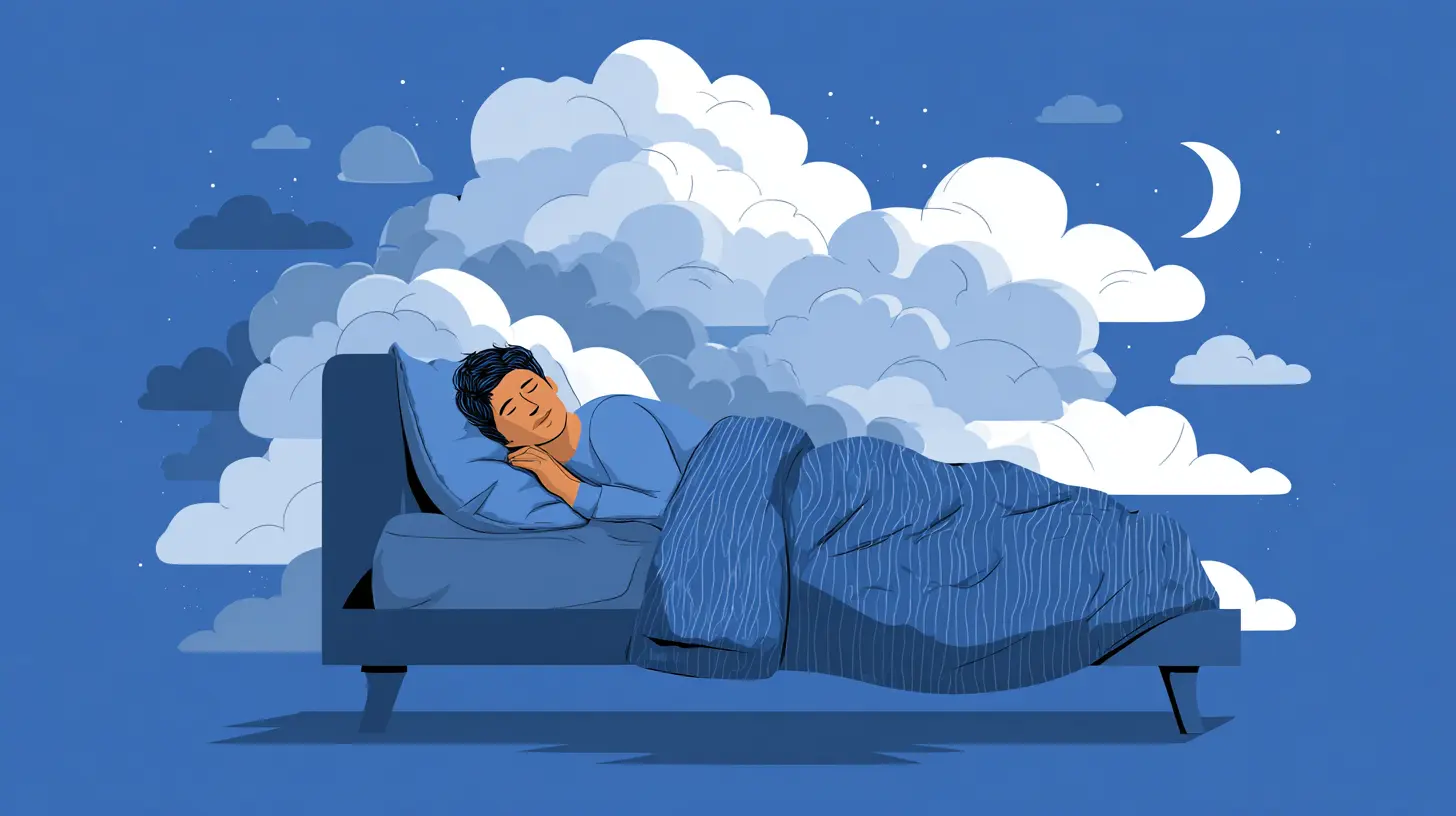
How to Reduce Stress and Improve Sleep Quality
Now that we know how stress impacts sleep, let’s talk solutions. Here are some science-backed tips to help you relax and get the rest you deserve.1. Create a Relaxing Bedtime Routine
A calming routine signals to your brain that it's time to wind down. Try activities like:✅ Reading a book
✅ Taking a warm bath
✅ Practicing deep breathing or meditation
✅ Listening to soothing music
2. Limit Screen Time Before Bed
Your phone, tablet, or TV emits blue light, which tricks your brain into staying awake. Try unplugging at least an hour before bedtime to help your body produce melatonin—the hormone that makes you sleepy.3. Practice Stress Management Techniques
Stress management is key to better sleep. Consider:- Journaling – Writing down your worries can help clear your mind.
- Exercise – Even a 20-minute walk reduces stress hormones.
- Mindfulness and meditation – These practices help calm racing thoughts.
4. Watch Your Caffeine and Alcohol Intake
Caffeine keeps you wired, and alcohol might knock you out initially but disrupts deep sleep. Try to avoid both in the evening if you're struggling with sleep.5. Stick to a Sleep Schedule
Going to bed and waking up at the same time every day helps regulate your body's internal clock. Consistency is key for high-quality sleep.6. Consider Herbal Remedies or Supplements
Sometimes, natural sleep aids can help. Options include:- Chamomile tea – Known for its calming properties.
- Magnesium – Helps relax muscles and ease tension.
- Melatonin – A supplement that can help reset your sleep cycle.
7. Make Your Sleep Environment Comfortable
Your bedroom should be a sleep sanctuary.✔ Keep it cool, dark, and quiet.
✔ Invest in a comfortable mattress and pillows.
✔ Use blackout curtains to block out light.
When to Seek Professional Help
If stress and sleep problems persist despite lifestyle changes, it may be time to see a doctor or therapist. Chronic insomnia or high anxiety levels may require professional intervention. Cognitive-behavioral therapy (CBT) is highly effective in treating stress-related sleep issues.Final Thoughts
Stress and sleep have an undeniable connection. When stress takes over, sleep quality suffers—but the good news is, you can take back control. By managing stress effectively and prioritizing healthy sleep habits, you can improve both your mental and physical well-being.So, the next time you find yourself lying in bed, mind racing, take a deep breath. You have the power to break the cycle and achieve restful, rejuvenating sleep. Sweet dreams!
all images in this post were generated using AI tools
Category:
Sleep DisordersAuthor:

Angelo McGillivray
Discussion
rate this article
1 comments
Carmen McCarron
Stress significantly disrupts sleep, affecting overall health quality.
September 9, 2026 at 4:12 AM