Making Fitness a Lifestyle, Not a Chore
8 September 2026
Most people start a fitness program the same way they start a diet: with a burst of motivation, a strict plan, and a finish line. They set a goal like losing twenty pounds or running a 5K, they push hard for six weeks, and then something happens. Life gets busy. The gym feels like a second job. The initial excitement fades, and the whole thing collapses under the weight of its own demands.
That pattern is not a character flaw. It is a design flaw. The problem is not that you lack discipline. The problem is that you are treating fitness as a discrete task with an endpoint, rather than as a continuous thread woven into the fabric of your daily existence.
This article is about the difference between those two approaches. It is not a list of workout routines or a meal plan. It is a framework for rethinking your relationship with movement so that it becomes as natural and non-negotiable as brushing your teeth, but far more rewarding.
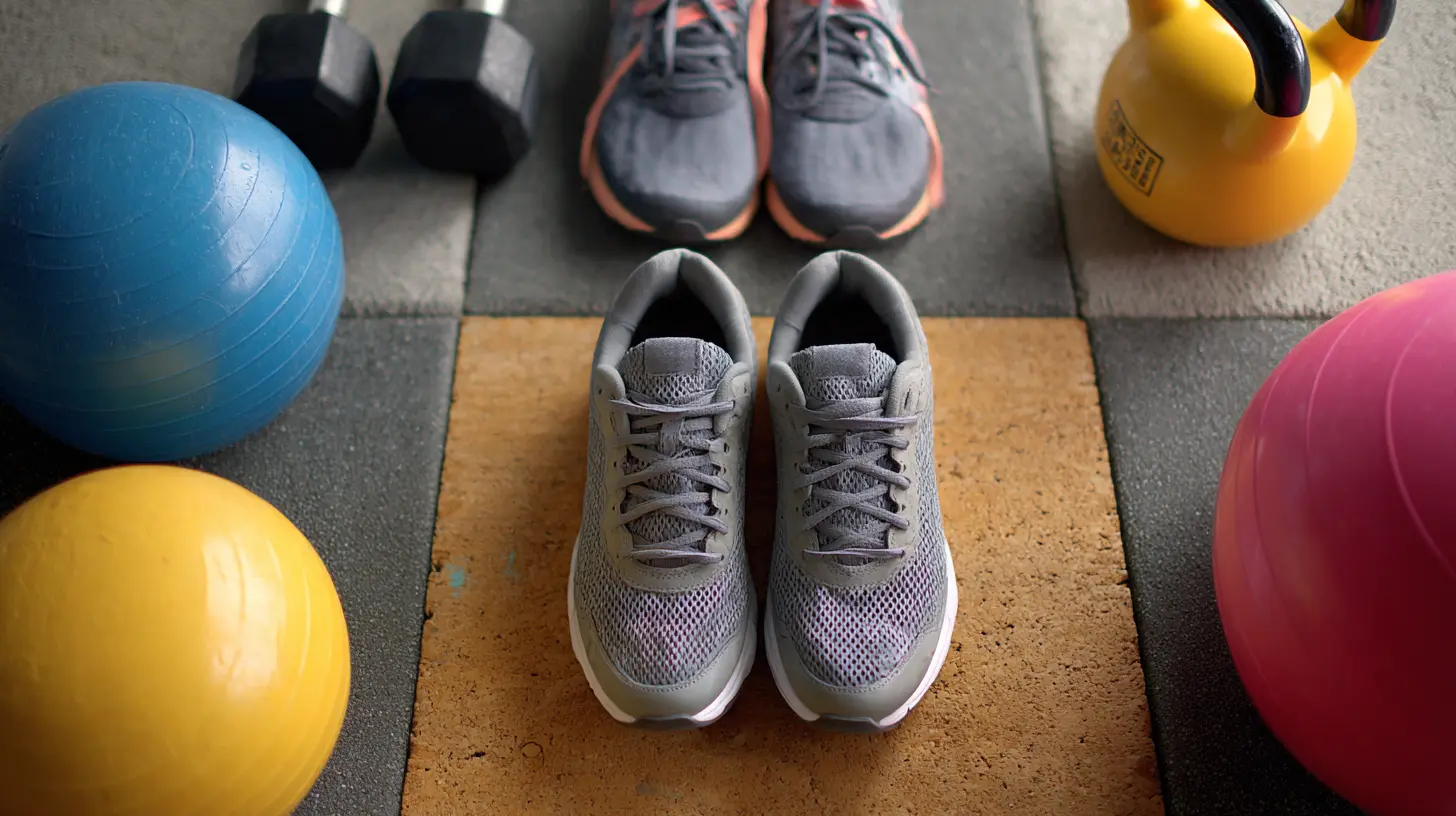
Why "Working Out" Feels Like a Chore
Before you can fix the problem, you need to understand why it exists. Exercise feels like a chore for three primary reasons: it is scheduled as an event, it is judged by performance, and it is separated from the rest of your life.When exercise is an event, it requires preparation. You need to pack a bag, drive somewhere, change clothes, do the thing, shower, and drive back. That is not thirty minutes of exercise. That is a ninety-minute production that must be slotted into an already crowded day. The friction is enormous, and friction is the enemy of consistency.
When exercise is judged by performance, it becomes a source of stress rather than relief. If you miss a session, you feel guilty. If you have a bad workout, you feel like you failed. The gym becomes a place where you are constantly measuring yourself against a previous version of yourself, and that measurement often feels punitive.
When exercise is separated from life, it becomes something you "have to do" instead of something you "get to do." It exists in a separate box from your family, your work, and your leisure. That separation makes it fragile. The moment anything else in your life becomes chaotic, the exercise box is the first thing to be discarded.
The solution is not to try harder. The solution is to dismantle the box entirely and integrate movement into the way you live.
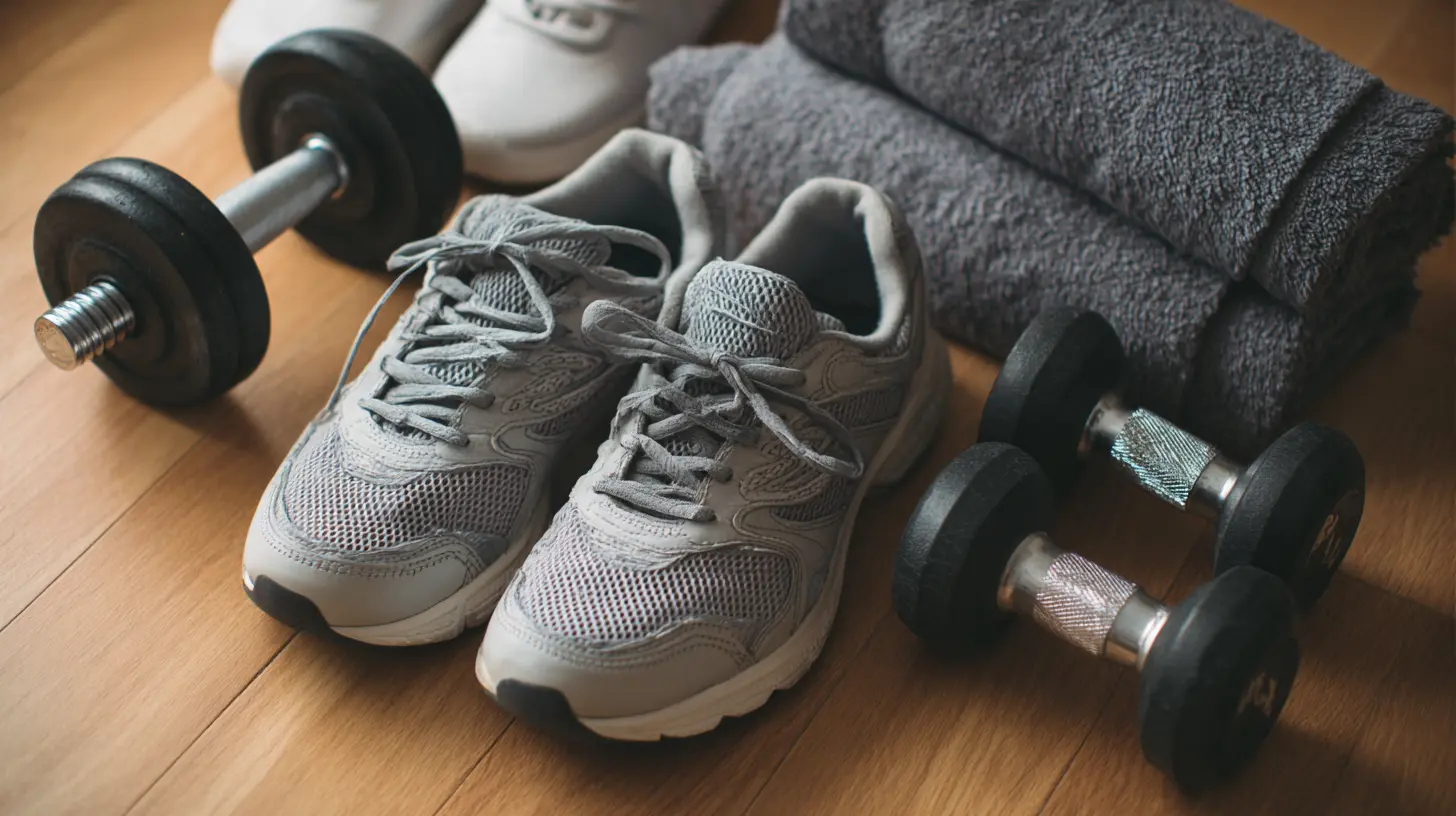
Reframing Movement as a Form of Self-Respect
The mental shift that matters most is moving from a punishment mindset to a respect mindset. Many people exercise because they are unhappy with their bodies. They use exercise to atone for eating, to burn off stress, or to fix perceived flaws. That approach is inherently unstable because it ties movement to negative emotion.When you move your body because you respect it, the equation changes. You are not trying to erase something. You are trying to maintain something valuable. Think of it like maintaining a classic car. You do not wash and tune a vintage Porsche because you hate it. You do it because you appreciate its engineering and want it to run smoothly for decades. Your body is a far more remarkable machine than any car, and it deserves the same level of care.
This reframing has practical consequences. When you respect your body, you choose exercises that feel good rather than ones that punish you. You listen to pain instead of pushing through it. You are more likely to prioritize sleep and nutrition because those are also acts of respect. The entire system becomes coherent rather than contradictory.

The Integration Principle: Fitting Fitness into Life
The most sustainable approach to fitness is to stop compartmentalizing it. Instead of asking "When will I find time to work out?", ask "How can I make my daily life more active?"This is not about replacing structured exercise entirely. Structured exercise has real benefits, especially for building strength and cardiovascular fitness. But structured exercise should be the core of your activity, not the entirety of it.
Active Transportation as a Foundation
If you live within a reasonable distance of your workplace, school, or grocery store, consider walking or cycling as your primary mode of transport. This is not a workout in the traditional sense. It is just getting from point A to point B. But it accomplishes two things. It adds a consistent baseline of movement to your day, and it removes the need to find separate time for "cardio."The trade-off is time. Walking a mile takes about twenty minutes. Driving takes five. But the twenty minutes is not wasted time. It is time spent outdoors, time to clear your head, time to listen to a podcast or music. You are not losing twenty minutes. You are converting dead time into living time.
If your commute is too long for walking, consider parking further away from the entrance. Get off the bus one stop early. Take the stairs instead of the elevator, but not just one flight. Take all of them. These micro-decisions seem trivial in isolation, but they compound. Over a year, taking the stairs instead of the elevator in a ten-story building can add up to a significant amount of climbing that you did not have to schedule.
The Rise of the Micro-Workout
A common objection to fitness is "I do not have thirty minutes to spare." That objection becomes irrelevant when you break exercise into smaller pieces.Micro-workouts are sessions of five to ten minutes performed throughout the day. Ten minutes of bodyweight squats and push-ups before your morning shower. Five minutes of stretching while your coffee brews. A brisk ten-minute walk after lunch. These sessions do not produce the same cardiovascular and muscular adaptations as a forty-five-minute gym session, but they are vastly better than doing nothing.
The science here is clear on one point: the most important workout is the one you actually do. A ten-minute session that you complete is infinitely more valuable than a sixty-minute session that you skip.
The best way to implement micro-workouts is to anchor them to existing habits. This is called habit stacking. You already brush your teeth every day. You already make coffee every day. Attach a short exercise routine to one of those anchors. For example, immediately after brushing your teeth in the morning, do twenty push-ups against the counter. It takes thirty seconds. It does not feel like a chore because it is not a separate event. It is just a small addition to something you already do.

Structured Exercise: When and How to Use It
Integration does not mean abandoning the gym. It means being strategic about it. Structured exercise is excellent for building strength, improving bone density, and achieving specific fitness goals that require progressive overload. The key is to design your structured sessions so that they complement your life rather than fight it.Choose a Schedule You Can Keep, Not One That Impresses You
Many people fail because they set an unrealistic schedule. They decide to work out six days a week, for an hour each day, at 5:30 AM. That works for a tiny fraction of the population. For most people, it is a recipe for burnout.A realistic schedule is one you can maintain for years, not weeks. For most people, that means three to four sessions per week, lasting thirty to forty-five minutes each. That is enough to see meaningful results. It is also easy enough to sustain through work deadlines, family obligations, and travel.
If you are a beginner, start with two sessions per week. Yes, two. The goal in the first month is not transformation. The goal is to build the habit of showing up. Once the habit is solid, you can add a third session. Adding intensity is always easier than adding consistency, but consistency must come first.
The Type of Exercise Matters Less Than the Consistency
A common mistake is to spend months researching the "perfect" routine. Should you do high-intensity interval training or steady-state cardio? Should you lift heavy or use machines? Should you follow a push-pull-legs split or a full-body routine?The answer is that it does not matter much, as long as you are doing something that challenges you and that you do not hate. The best exercise program is the one you will continue. If you hate running, do not run. If you find yoga boring, do not do yoga. Find a physical activity that you genuinely enjoy, whether that is rock climbing, swimming, dancing, martial arts, or lifting heavy barbells.
Enjoyment is not a luxury. It is a necessity. When you enjoy an activity, it does not require willpower to do it. It requires willpower to stop. That is the secret to making fitness a lifestyle.
The Role of Rest and Recovery
A major misconception about fitness is that results come from working out. In reality, results come from the recovery that happens after the workout. When you lift weights, you create tiny tears in your muscle fibers. Your body repairs those tears during rest, making the muscle stronger. Without adequate rest, you do not get stronger. You get injured.Rest days are not lazy days. They are active components of your training. On rest days, you should still move, but at a low intensity. A long walk, gentle stretching, or a leisurely bike ride are all appropriate. The goal is to promote blood flow and recovery without imposing additional stress.
Sleep is the most underrated performance enhancer in existence. During deep sleep, your body releases growth hormone, which is critical for muscle repair and fat metabolism. If you are sleeping less than seven hours per night on a regular basis, you are sabotaging your fitness efforts regardless of how hard you train.
The practical advice here is to treat sleep as part of your training plan. If you have a choice between an extra hour of sleep and an extra hour of exercise, choose the sleep. It will do more for your progress.
Nutrition as a Companion, Not a Punishment
You cannot out-train a poor diet. This is a cliché because it is true. But the solution is not a restrictive diet. The solution is a sustainable pattern of eating that supports your activity level.The Protein Question
Protein is the building block of muscle. If you are exercising regularly, you need more protein than a sedentary person. A general guideline is to consume roughly 0.7 to 1 gram of protein per pound of body weight per day. That sounds like a lot, but it is achievable if you include a protein source in every meal.Eggs at breakfast, chicken or fish at lunch, and a serving of meat, tofu, or beans at dinner will get you close. If you are struggling to hit your target, a protein shake is a convenient supplement. It is not a magic potion, but it is a practical tool.
Carbohydrates Are Not the Enemy
Low-carb diets are popular, but they are not necessary for most people. Carbohydrates are the primary fuel source for high-intensity exercise. If you are lifting weights or doing interval training, you need carbohydrates to perform well.The nuance is in the type of carbohydrates. Whole grains, fruits, and vegetables are better choices than refined sugars and white flour because they contain fiber and micronutrients. But you do not need to be perfect. If you want a piece of cake on your birthday, eat it. The key is the overall pattern of your diet, not any single meal.
The 80/20 Approach
A practical framework for sustainable eating is the 80/20 rule. Eat nutritious, whole foods 80 percent of the time. Leave 20 percent of your intake for flexibility, social events, and foods that you simply enjoy. This approach prevents the feelings of deprivation that cause most diets to fail.When you deprive yourself of all "fun" foods, you inevitably binge on them later. The 80/20 approach gives you permission to enjoy life while still making progress. It is a long-term strategy, not a quick fix.
Real-World Example: The Commuter
Consider the case of a person who works an office job, has a forty-minute commute each way, and has two young children. They get home at 6 PM, make dinner, help with homework, and finally have free time at 9 PM. The idea of going to a gym at 9 PM is unappealing. The idea of waking up at 5 AM to exercise is equally unappealing.How can this person make fitness a lifestyle?
First, they can look at their commute. If they drive, they can park ten minutes away from the office and walk the rest. That gives them twenty minutes of walking daily without scheduling anything.
Second, they can use their lunch break. A twenty-minute walk around the office park after eating provides both digestion aid and a mental break. That is another twenty minutes.
Third, they can do a short strength routine at home. Two or three sessions per week of fifteen minutes, using bodyweight exercises like squats, lunges, push-ups, and planks, is enough to maintain muscle and improve functional fitness. They can do this while watching the news or while the kids are doing homework.
Fourth, on the weekends, they can take the family on bike rides or hikes. This is not exercise. This is family time. But it is also movement.
The total weekly activity for this person might be three hours of structured exercise plus several hours of incidental movement. That is not an athlete's training load, but it is more than enough to maintain cardiovascular health, manage weight, and build strength. And it does not feel like a chore because it is woven into the existing routines of commuting, lunch, and family time.
Common Mistakes and How to Avoid Them
Mistake One: All or Nothing Thinking
Many people believe that if they cannot work out for an hour, there is no point in working out at all. This is false. A fifteen-minute session has real benefits. A ten-minute walk after dinner improves blood sugar control. Five minutes of stretching before bed improves sleep quality. Something is always better than nothing.The all-or-nothing mindset leads to a spiral. You miss one workout, feel guilty, and then decide that the entire week is ruined, so you do not work out for the rest of the week. This is a thinking error. A missed workout is a missed workout. It is not a reason to abandon the entire program.
Mistake Two: Comparing Yourself to Others
The gym is full of people who are stronger, faster, and leaner than you. Comparing yourself to them is demoralizing and pointless. The only person you should compare yourself to is the person you were yesterday. Progress is progress, no matter how small.Mistake Three: Ignoring Pain
There is a difference between the discomfort of a hard workout and the pain of an injury. Muscle burn is normal. Sharp joint pain is not. If something hurts, stop doing it. Pushing through pain is how minor issues become major injuries that sideline you for months.Mistake Four: Believing That More Is Always Better
More exercise is not always better. Overtraining leads to fatigue, hormonal imbalances, and increased risk of injury. Your body needs time to adapt to the stress you place on it. If you are constantly exhausted, irritable, or struggling with sleep, you may be training too much.The Long Game: What to Expect Over Years
If you adopt fitness as a lifestyle, you will not see dramatic changes every week. The changes will be gradual. You might not notice any difference in the mirror for three months. But after a year, the cumulative effect is undeniable.The benefits go beyond the physical. Regular exercise is one of the most effective interventions for anxiety and depression. It improves cognitive function and memory. It boosts energy levels and improves the quality of your sleep. It strengthens your immune system and reduces your risk of chronic diseases like heart disease, diabetes, and certain cancers.
These benefits are not just for young people. Older adults who maintain an active lifestyle retain their independence longer, have better balance and coordination, and are less likely to experience falls. It is never too late to start, and it is never too early to think about the long term.
Practical Steps to Start Today
If you are reading this and feeling overwhelmed, start small. Here is a simple plan for the next seven days.Day one: Take a ten-minute walk after dinner.
Day two: Do ten push-ups against the kitchen counter in the morning and ten squats while waiting for your coffee to brew.
Day three: Take the stairs instead of the elevator, even if you have to go out of your way.
Day four: Take a brisk twenty-minute walk during your lunch break.
Day five: Do a five-minute stretching routine before bed.
Day six: Do a fun physical activity with your family or friends. Go for a hike, play catch, or take a bike ride.
Day seven: Rest completely. Do not feel guilty about it.
That is a very low bar. But it establishes the pattern that movement is part of your day. Next week, you can add a little more. The week after, a little more. Within a month, you will have built a foundation. Within three months, you will wonder how you ever lived without it.
The Final Word on Making It Stick
The secret to making fitness a lifestyle is not finding more time. It is changing your definition of what counts as exercise. A workout does not have to be a gym session. It can be a walk, a stretch, a dance, a climb, or a game. The moment you accept that any movement counts, the pressure lifts.You also need to forgive yourself in advance. You will have bad weeks. You will go on vacation and eat too much and skip your workouts. That is normal. The lifestyle approach is not about perfection. It is about returning to the pattern after you deviate from it. The people who succeed are not the ones who never miss a session. They are the ones who always come back.
So stop treating fitness as a chore that you have to complete. Start treating it as a relationship that you have to nurture. It will not always be exciting. Some days it will feel like effort. But over the years, it will give you back far more than it costs. That is the true meaning of a lifestyle.
all images in this post were generated using AI tools
Category:
Fitness GoalsAuthor:

Angelo McGillivray
Discussion
rate this article
1 comments
Julianne Hurst
Great tips! Finding enjoyment in fitness truly makes all the difference.
September 11, 2026 at 3:32 PM