Managing Chronic Pain Through Mindfulness and Meditation
16 June 2026
Living with chronic pain can feel like dragging an invisible backpack loaded with bricks—every day. There’s no “off” switch, and sometimes, it feels like the pain defines your life. But here's some good news: you’re not alone, and there’s a growing body of research pointing to one surprisingly simple, yet powerful tool for relief—mindfulness and meditation.
Now, before you roll your eyes and think “Not one of those woo-woo things again”, hang tight. We’re going to break down how mindfulness and meditation actually work for chronic pain, why science backs it up, and how you can start using these techniques today (without needing to sit cross-legged on a mountaintop at dawn).
What Exactly is Chronic Pain?
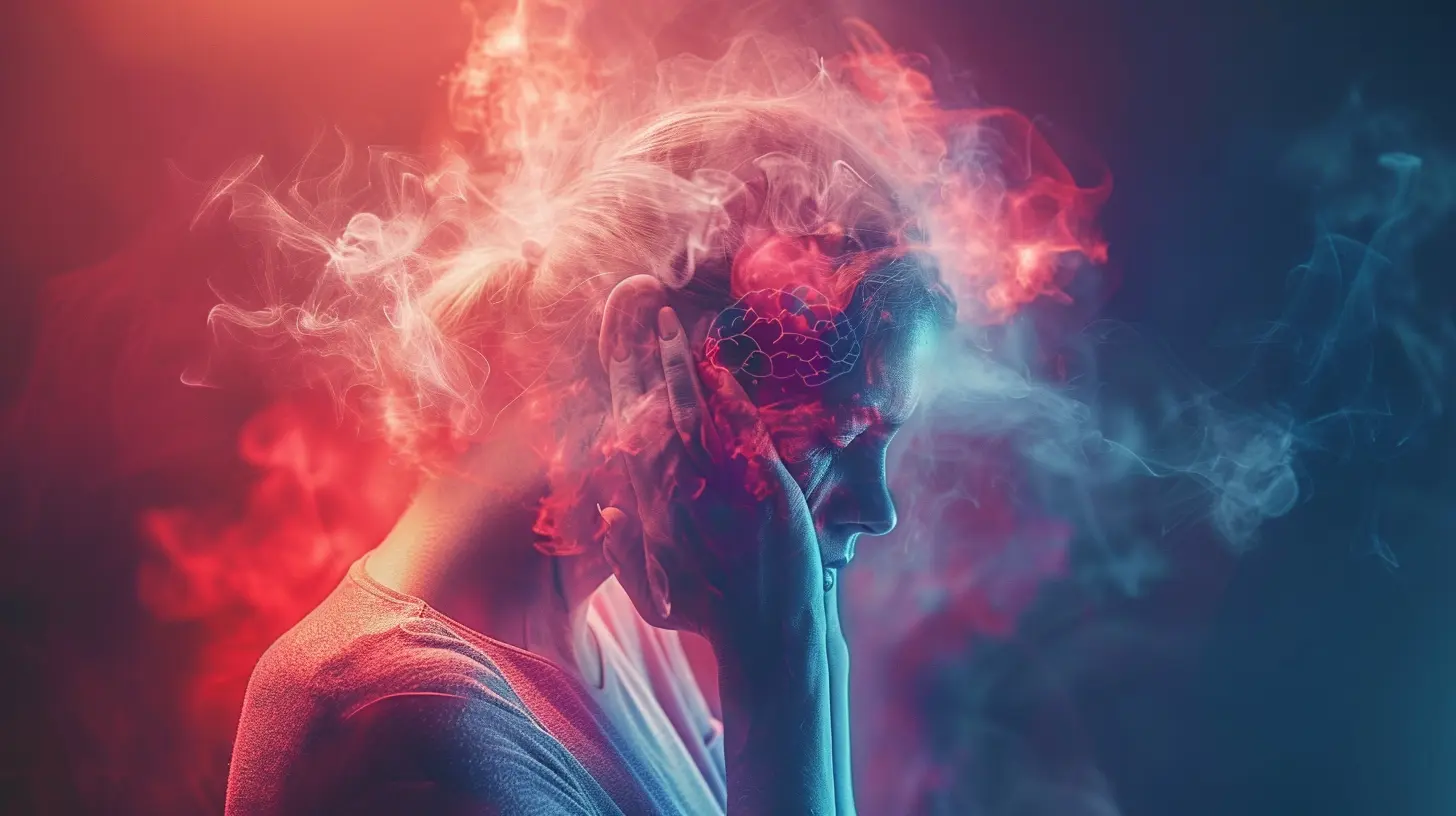
Let’s start with the pain itself.Chronic pain is pain that sticks around for more than three months. This isn’t the kind that comes and goes with a stubbed toe or a pulled muscle. It lingers and often outlasts the expected healing timeframe. It might be caused by injury, illness, nerve damage, or, in some cases, have no clear cause at all.
Back pain, arthritis, fibromyalgia, migraines—these are just a few types. Regardless of the cause, though, it steals attention, energy, and joy. It can mess with your sleep, mood, relationships, and even your identity.
Here’s the kicker: pain isn’t just physical. It’s tightly tangled with your emotions, thoughts, and behaviors. That’s where mindfulness and meditation enter the scene.
So, What Is Mindfulness Exactly?
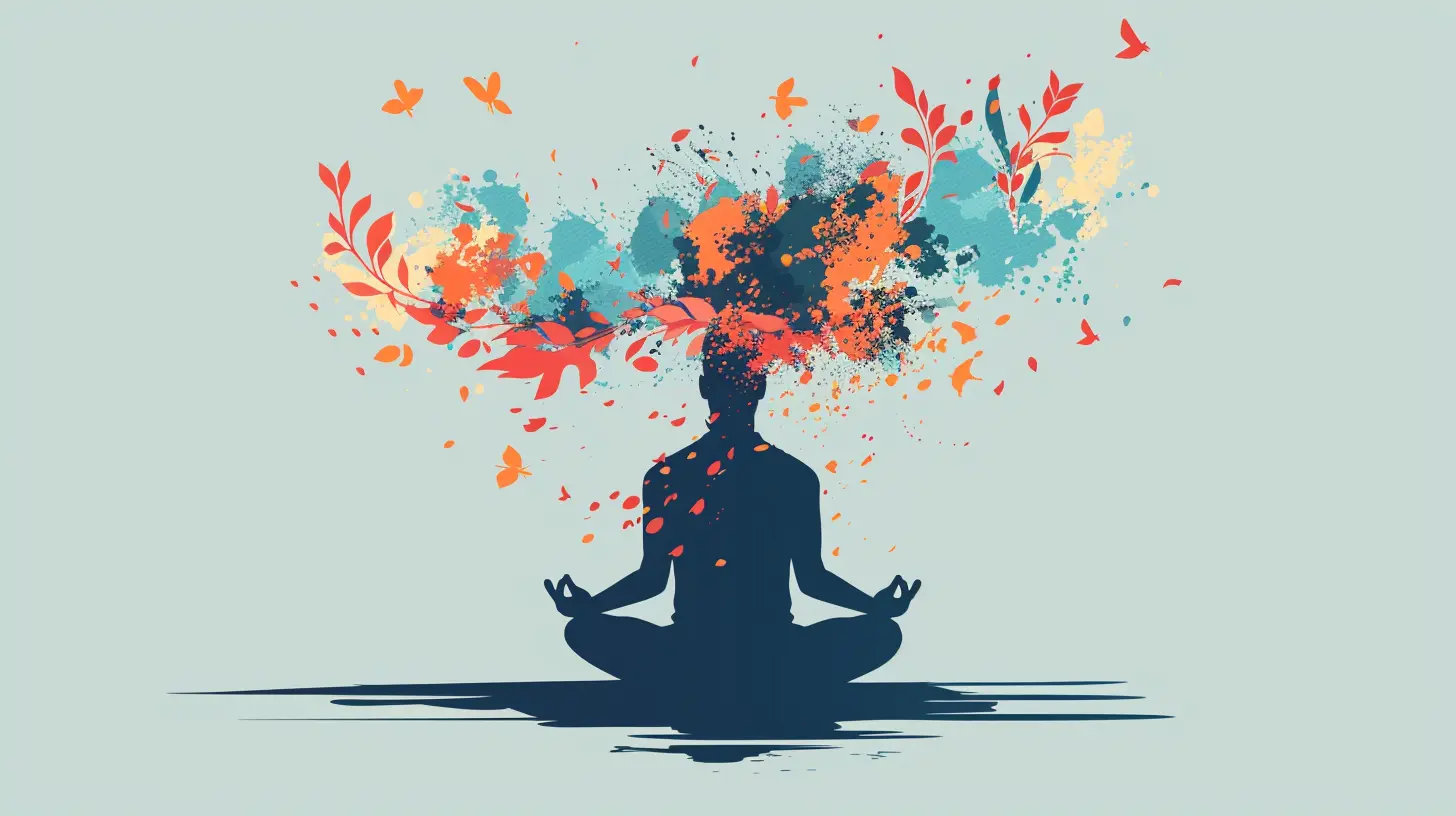
Mindfulness is simply the practice of being here, in the now—fully aware of what you're doing, feeling, and thinking, without judging it.Sounds easy, right? But in reality, our brains are more like tab-hopping browsers—constantly jumping from “what happened last week” to “what if I never get better?" That mental chatter fuels anxiety, stress, and yes, even pain.
Mindfulness helps you quiet the noise.

Meditation: Mindfulness’s Cool Cousin
Meditation is the structured practice of mindfulness. Think of it like your workout routine for the mind.There are tons of meditation styles, but the most common for chronic pain relief are:
- Mindfulness Meditation: Observing thoughts and feelings without reacting to them.
- Body Scan Meditation: Focusing attention methodically on different parts of the body (great for pain awareness).
- Loving-Kindness Meditation: Cultivating compassion for yourself and others, which can ease emotional suffering tied to physical pain.
- Breath Awareness: Staying centered on the inhale and exhale, which naturally calms the nervous system.
The Science Behind It: Why This Stuff Works
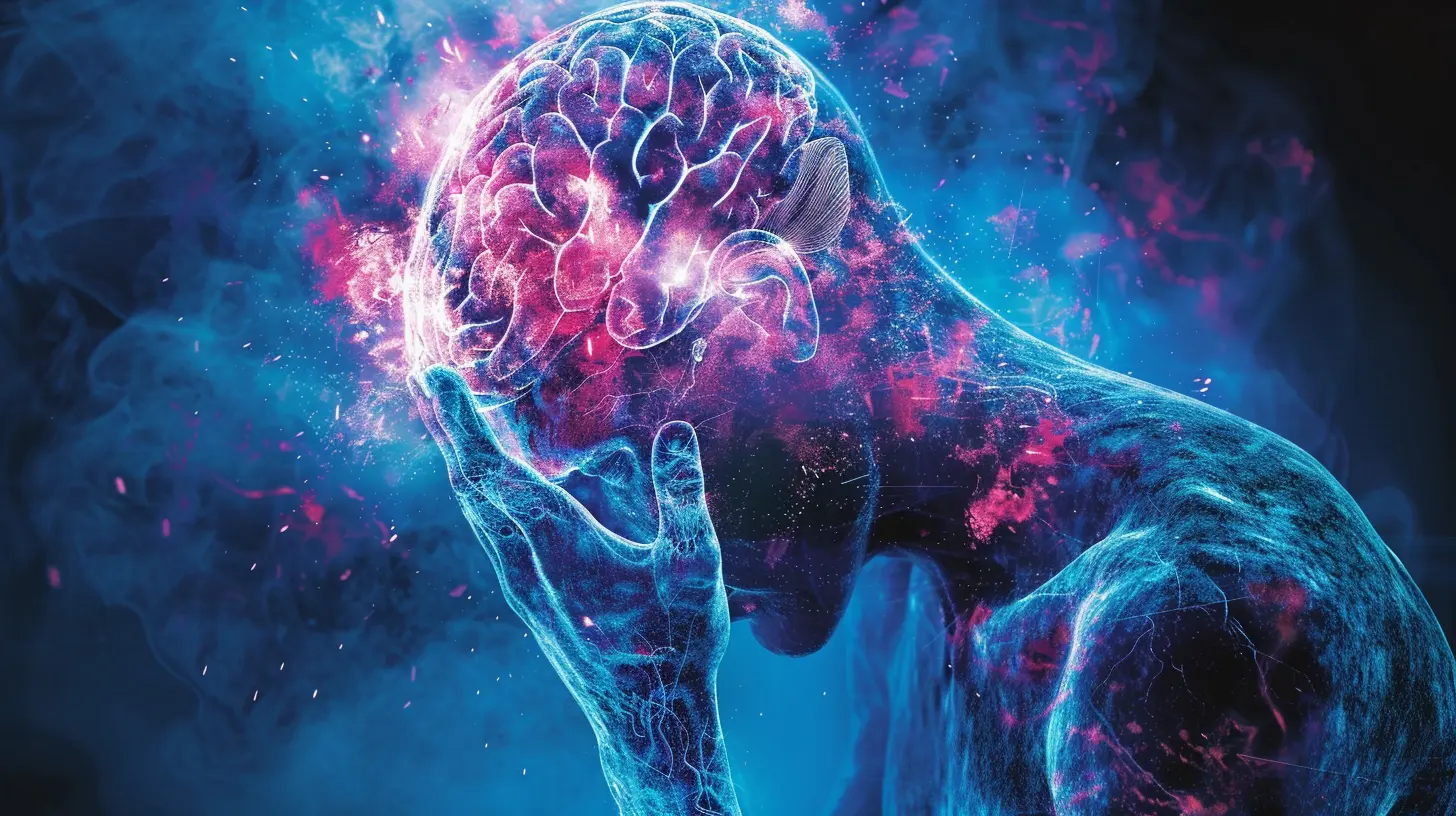
Ok, so it’s not just about good vibes and incense.Multiple studies suggest that mindfulness and meditation can retrain the brain’s relationship with pain. Here’s how:
- ? Changes in Brain Structure: Regular mindfulness practice can shrink the amygdala (your brain’s "alarm center") and strengthen the prefrontal cortex (your rational, thoughtful brain). Less fight-or-flight, more clarity and calm.
- ? Reduces Inflammation: Chronic pain is often inflammatory. Stress worsens inflammation. Meditation lowers stress, which in turn may reduce inflammation markers like C-reactive protein.
- ? Increases Pain Tolerance: When you're mindful, you stop fearing the pain as much. And oddly enough, pain hurts less when you aren't bracing against it. Studies have shown people practicing mindfulness can tolerate more pain than those who don’t.
- ? Interrupts the Pain Cycle: Pain → stress → more pain → more stress. Mindfulness breaks that loop by reducing the stress response—giving your body and mind a chance to breathe.
Real Talk: Mindfulness Doesn’t “Cure” Pain
Let’s be honest. Meditation is not a magic wand. It’s not going to make all your pain vanish overnight.But what it does do is shift your relationship to pain. Instead of resisting, fearing, or judging every ache, you learn to observe it. And in that space of non-reactivity, pain becomes more manageable.
Think of it like being caught in a storm. You can’t stop the rain, but you can find shelter. Mindfulness is that shelter.
Benefits Beyond Pain Relief
The sweet bonus of mindfulness and meditation is that they don’t just target pain. They bring along a whole caravan of benefits:- Better sleep (no more tossing and turning all night)
- Reduced anxiety and depression (which often go hand-in-hand with chronic pain)
- Improved concentration and memory
- Enhanced emotional regulation
- Boosted immune function
All of that with no side effects? Count us in.
How to Get Started: It’s Easier Than You Think
You don’t need to become a Buddhist monk or spend hours meditating every day. Even just 5 to 10 minutes a day can make a difference.Here’s a simple beginner routine:
Step 1: Find a Comfortable Spot
Sit or lie down somewhere quiet. You don’t need perfect posture, just a position that won’t make the pain worse.Step 2: Focus on Your Breath
Close your eyes. Inhale slowly through your nose, exhale through your mouth. Pay attention to the rhythm of your breath. When your mind wanders (and it will), gently bring it back.Step 3: Body Scan (Optional)
Start at your toes and slowly bring your awareness up through your body. Notice any tension or discomfort without trying to change it. Just observe.Step 4: Be Kind With Yourself
Your brain might run wild. That’s okay. This isn’t about doing it "perfectly". It's about showing up.Step 5: Repeat Daily
Consistency is key. Set a timer, use a meditation app, or follow along with YouTube videos or podcasts.
Tools and Resources
If going solo feels daunting, there are plenty of tools to help you out:- Apps: Headspace, Calm, Insight Timer, 10% Happier
- Books: “Full Catastrophe Living” by Jon Kabat-Zinn, “The Mindful Path to Self-Compassion” by Christopher Germer
- Courses: Mindfulness-Based Stress Reduction (MBSR) is a gold standard for chronic pain treatment. Check for local classes or online versions.
Real People, Real Results
Many people dealing with chronic pain—from veterans with PTSD to arthritis sufferers—have found relief through mindfulness. Sure, it doesn't replace medical treatment. But it complements it. And sometimes, that balance is exactly what the body and mind need.A fibromyalgia sufferer might report fewer flare-ups. A migraine patient might notice reduced frequency. A back pain warrior might sleep better and feel less anxious. These aren't just stories—they're signs of a shift in how we understand and handle pain.
A Mindful Lifestyle: Beyond Meditation
The beauty of mindfulness is that it doesn't have to stay on the meditation cushion.Try weaving mindfulness into your daily routine:
- Eat mindfully—actually taste your food.
- Walk slowly, noticing each footstep.
- Take mindful breaks at work—pause and breathe.
- Listen fully during conversations without planning your reply.
These micro-moments add up. And each one is like a mini-reset for your nervous system.
Common Challenges—and How to Beat Them
Let’s face it, starting something new isn’t always smooth sailing. Here are a few roadblocks you might hit—and how to get around them:“My mind won’t shut up!”
Totally normal. Minds think. That’s their job. The goal isn’t to stop thinking but to notice the thoughts rather than getting lost in them.
“I don’t have time.”
Everyone has 5 minutes to spare. Try it first thing in the morning or while taking a bathroom break (yes, really!).
“It’s not working.”
Patience, grasshopper. The benefits build over time. Think of it like going to the gym. You won't see six-pack abs after two sit-ups, but give it a few weeks.
Final Thoughts: You’ve Got More Power Than You Think
Managing chronic pain isn’t about pretending it doesn’t exist. It’s about learning new tools to live better with it. Mindfulness and meditation offer a gentle, low-risk, high-reward approach to doing just that.You don’t need to overhaul your life or become a Zen master. Just start where you are. One breath, one moment at a time.
Pain may be part of your story, but it doesn’t have to be the whole book.
all images in this post were generated using AI tools
Category:
Chronic PainAuthor:

Angelo McGillivray
Discussion
rate this article
2 comments
Gideon Henson
Embracing mindfulness and meditation can transform your journey with chronic pain. With patience and practice, you can find moments of peace and relief in each day.
August 2, 2026 at 3:08 PM
Zeth McMaster
Great insights! Mindfulness can truly empower those managing chronic pain.
June 19, 2026 at 3:40 PM