Mindful Movement: The Intersection of Yoga and Brain Health
10 November 2026

Introduction
In our fast-paced world, where stress often reigns supreme, the connection between physical practices like yoga and brain health has garnered significant attention. The concept of mindful movement suggests that the way we engage our bodies can profoundly affect our mental well-being. This article delves into the intricate relationship between yoga and brain health, shedding light on how this ancient practice can serve as a powerful tool for enhancing cognitive function and emotional resilience.
Understanding Yoga and Its Principles
What is Yoga?
Yoga is not merely a series of physical postures; it is a holistic practice that encompasses physical, mental, and spiritual dimensions. Originating in ancient India, yoga combines breath control, meditation, and physical poses to promote overall health. Its principles emphasize mindfulness, self-awareness, and connection to oneself.The Role of Mindfulness in Yoga
Mindfulness is a core aspect of yoga. It involves being present in the moment and cultivating an awareness of thoughts, feelings, and bodily sensations without judgment. This heightened state of awareness is crucial for fostering a deeper connection between the mind and body.Different Styles of Yoga
There are numerous styles of yoga, each with unique focuses and benefits. Some popular forms include:- Hatha Yoga: Focuses on physical postures and breath control.
- Vinyasa Yoga: Emphasizes fluid movement and breath synchronization.
- Restorative Yoga: A gentle practice aimed at relaxation and recovery.
- Ashtanga Yoga: A rigorous style that follows a specific sequence of postures.
Understanding these styles can help individuals choose the practice that best aligns with their goals for brain health.
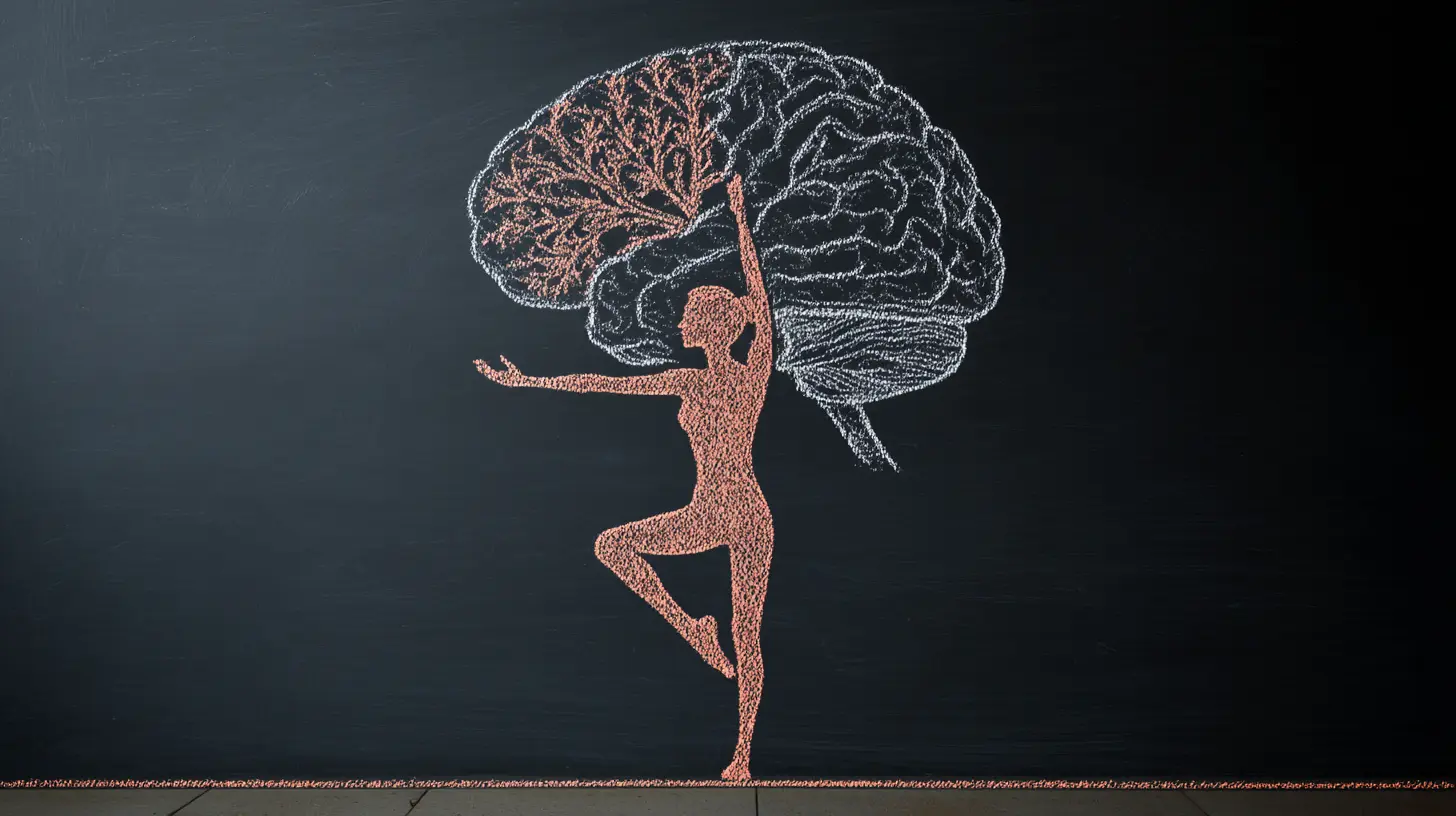
The Science Behind Yoga and Brain Health
Neuroplasticity: The Brain's Ability to Change
Neuroplasticity refers to the brain's ability to reorganize itself by forming new neural connections throughout life. This adaptability is crucial for learning, memory, and recovery from injury. Research suggests that practices like yoga can enhance neuroplasticity, promoting cognitive function and emotional regulation.Stress Reduction and Its Impact on the Brain
Chronic stress can lead to detrimental effects on brain health, including impaired memory and decreased cognitive function. Yoga has been shown to reduce stress levels by lowering cortisol, the stress hormone. This reduction can lead to improved mood, better focus, and enhanced cognitive abilities.Yoga and Brain-derived Neurotrophic Factor (BDNF)
BDNF is a protein that plays a crucial role in neuronal health and development. Higher levels of BDNF are associated with improved cognitive function and a lower risk of neurodegenerative diseases. Studies indicate that regular yoga practice may increase BDNF levels, suggesting a potential mechanism through which yoga supports brain health.
Practical Applications of Yoga for Brain Health
Incorporating Mindful Movement into Daily Life
Integrating mindful movement into daily routines can be straightforward. Here are a few practical suggestions:1. Morning Routine: Start your day with a short yoga session focusing on breath and gentle movements to set a positive tone.
2. Mindful Breaks: Take short breaks throughout the day to practice mindful stretches or breathing exercises to reduce stress.
3. Evening Wind-Down: Engage in restorative yoga poses before bed to calm the mind and prepare for restful sleep.
Choosing the Right Style for Cognitive Benefits
When selecting a yoga style for brain health, consider your personal preferences and goals. For example:- If you seek stress relief, restorative or gentle yoga may be ideal.
- For those looking to enhance focus and mental clarity, vinyasa or ashtanga might be more suitable due to their dynamic nature.
Common Mistakes to Avoid
1. Skipping Breath Awareness: Many practitioners focus solely on physical postures and neglect the breath. Breath awareness is essential for maximizing the benefits of yoga.2. Overexertion: Pushing too hard can lead to injury and negate the calming effects of yoga. Listen to your body and practice within your limits.
3. Neglecting Consistency: Occasional practice may not yield significant benefits. Aim for regular sessions, even if they are short, to cultivate lasting changes in brain health.
Misconceptions About Yoga and Brain Health
Yoga is Only for the Flexible
A common misconception is that yoga requires a certain level of flexibility. In reality, yoga is adaptable to all body types and abilities. Many styles and modifications exist to accommodate various physical limitations.Yoga is a Panacea
While yoga offers numerous benefits, it is not a cure-all for mental health issues. It should be viewed as a complementary practice alongside other treatments, such as therapy or medication, rather than a replacement.All Yoga is the Same
Not all yoga practices yield the same results. The focus on mindfulness, breath, and movement can vary significantly between styles. It is essential to choose a practice that resonates with your needs and goals.
Real-World Examples of Yoga's Impact on Brain Health
Case Study: Corporate Wellness Programs
Many companies have started incorporating yoga into their wellness programs, recognizing its potential to enhance employee well-being. For instance, a tech company introduced weekly yoga sessions, resulting in reduced stress levels among employees and improved productivity. Participants reported feeling more focused and less overwhelmed by their workloads.Personal Testimonies
Individuals who have integrated yoga into their lives often share transformative experiences. One teacher noted that after years of practicing yoga, she found her anxiety levels significantly decreased, allowing her to handle stressful situations with greater ease. Another individual shared how a regular yoga practice helped him regain focus after experiencing cognitive decline in his late thirties.The Future of Yoga and Brain Health Research
Ongoing Studies and Emerging Findings
Research on the effects of yoga on brain health is still evolving. Ongoing studies aim to uncover the specific mechanisms through which yoga influences cognitive function. Future research may provide deeper insights into the optimal styles and durations of practice for various cognitive benefits.The Role of Technology in Yoga Practice
With the rise of technology, online yoga classes and apps have made it easier for individuals to access practices from home. This accessibility can help bridge gaps for those who may not have access to local studios, allowing more people to experience the cognitive benefits of yoga.
Conclusion
Mindful movement through yoga offers a unique and powerful approach to enhancing brain health. By fostering neuroplasticity, reducing stress, and promoting emotional resilience, yoga serves as a valuable tool in the quest for cognitive well-being. As research continues to unfold, the intersection of yoga and brain health will undoubtedly reveal even more fascinating insights into the profound connection between our minds and bodies.
all images in this post were generated using AI tools
Category:
Mind Body ConnectionAuthor:

Angelo McGillivray

