Overcoming Social Isolation Linked to Chronic Pain Conditions
26 July 2026
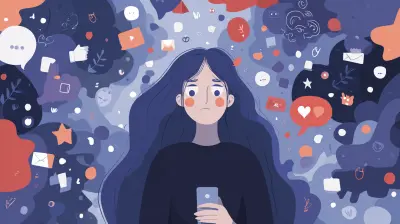
Living with chronic pain is tough, but what makes it even harder? The loneliness that often comes with it. When you're dealing with constant pain, it's easy to withdraw from friends, skip social events, and feel like no one really understands what you're going through. This isolation can take a toll on your mental health, making pain even harder to manage. But here's the good news—there are ways to break free from the cycle of loneliness and reconnect with the world around you.
In this article, we’ll dive into why chronic pain often leads to social isolation and, more importantly, how you can take steps to overcome it. 
Why Does Chronic Pain Lead to Social Isolation?
Chronic pain doesn’t just affect the body—it impacts every part of life. Over time, it can create a barrier between you and the people you care about. But why does this happen?1. Physical Limitations
When you're in pain, even simple tasks can feel overwhelming. Going out, sitting for long periods, or engaging in physical activities can seem impossible, leading to missed social gatherings and events.2. Emotional Toll
Pain isn’t just physical—it’s emotional too. Constant discomfort can leave you feeling exhausted, irritable, or even depressed. When you're not feeling like yourself, socializing becomes less appealing.3. Fear of Judgment
Many people with chronic pain worry about being a "burden" to others. They might avoid social outings because they fear being seen as weak, unreliable, or constantly complaining.4. Lack of Understanding from Others
Unless someone has experienced chronic pain firsthand, they might not fully grasp what you're going through. Friends and family may not realize how much pain affects your daily life, leading to feelings of disconnect and frustration.
How Social Isolation Worsens Chronic Pain
Social isolation isn’t just lonely—it can actually make your pain worse. How?- Increased Stress and Anxiety: Loneliness can trigger stress, which can heighten the sensation of pain.
- Depression and Low Mood: Lack of social connections can lead to depression, making it even harder to manage pain effectively.
- Less Support for Coping Strategies: Having people around provides emotional and practical support, which is crucial for managing chronic pain.
In short, feeling isolated creates a feedback loop—pain leads to loneliness, and loneliness makes pain harder to bear. But breaking that cycle is possible. 
Practical Ways to Reconnect and Overcome Isolation
Now that we’ve covered why chronic pain leads to social isolation, let’s talk about what you can do to reconnect with others and improve your well-being.1. Start Small with Social Interactions
Socializing doesn’t have to mean attending big events or going out for hours. Start small:- Have a short phone call with a friend.
- Invite someone over for a cup of tea or coffee.
- Send a thoughtful text message to stay in touch.
Little steps can help rebuild your social life without overwhelming you.
2. Join Support Groups
Connecting with others who understand your struggles can be incredibly powerful. Consider joining a chronic pain support group—whether in-person or online.Online communities, like Facebook groups or forums, allow you to chat with others from the comfort of your home. These groups provide a safe space to share experiences and receive emotional support.
3. Be Honest About Your Condition
Sometimes, people don’t understand what you're going through simply because they don’t know the full story. Being open about your chronic pain can help strengthen your relationships.- Explain your condition in simple terms.
- Let friends and family know how they can support you.
- Set boundaries, but also invite them to be part of your journey.
You don’t have to suffer in silence—sometimes, the people who care about you just need a little guidance on how to help.
4. Adapt Social Activities to Fit Your Needs
Instead of avoiding social events altogether, try adjusting them to your comfort level. Consider these alternatives:- If dining out is too much, suggest a quiet night in with friends.
- If sitting for long periods hurts, look for activities that allow movement or comfy seating.
- If large gatherings feel overwhelming, opt for small, intimate meetups.
Your social life doesn’t have to disappear—it just needs a few adjustments to fit your situation.
5. Engage in Virtual Socializing
Thanks to technology, staying connected has never been easier. If going out is too demanding, try virtual alternatives:- Video calls with friends and family.
- Joining online hobby groups or book clubs.
- Playing multiplayer video games or virtual trivia nights.
Even though it’s not the same as in-person interaction, virtual connections can still provide comfort and reduce loneliness.
6. Prioritize Self-Care
Taking care of your mental and physical well-being is key to breaking free from isolation. When you feel better, socializing becomes easier.- Practice relaxation techniques like meditation or deep breathing.
- Stay as active as your body allows—gentle yoga or stretching can help.
- Treat yourself with kindness and patience.
When you feel good physically and emotionally, it’s easier to put yourself out there.
7. Consider Therapy or Counseling
Sometimes, overcoming social isolation requires professional help. Therapists can help you navigate the emotional challenges of chronic pain and build strategies to reconnect with others.Cognitive Behavioral Therapy (CBT), for example, can help change negative thought patterns that contribute to loneliness and isolation. 
The Power of Connection
Breaking free from social isolation isn’t just about feeling less lonely—it’s about improving your overall well-being. Human connection has the power to:- Reduce Stress: Meaningful relationships help lower stress levels, improving pain management.
- Boost Mental Health: Social connections are linked to lower rates of depression and anxiety.
- Provide Emotional Support: Having someone to lean on makes challenges easier to face.
Even if it feels overwhelming at first, taking small steps toward reconnecting with others is worth it.
Final Thoughts
Living with chronic pain is hard, and the social isolation that often comes with it makes things even tougher. But it’s important to remember: you don’t have to go through it alone.Start small—send a message, join a support group, or invite a friend over. Adjust social activities to fit your needs, and don't be afraid to be honest about your struggles. With time, effort, and support, rebuilding your social life is possible.
Pain may be a part of your life, but loneliness doesn’t have to be.
all images in this post were generated using AI tools
Category:
Chronic PainAuthor:

Angelo McGillivray
Discussion
rate this article
1 comments
Caden Foster
Your journey through chronic pain and isolation is tough, but remember, you are not alone. Reach out, share your story, and embrace the connections that can uplift you. Keep going!
July 28, 2026 at 3:49 AM
Angelo McGillivray
Thank you for your support. It means a lot to know we can connect and uplift each other through shared experiences. We will keep pushing forward together.