The Right Sunscreen for Different Skin Types: A Curated Guide
25 August 2026
Sunscreen... that one product we all know we should be using daily, but often forget, neglect, or just don’t know how to choose correctly. Let’s be honest—you’ve probably stared at a shelf full of bottles, sprinkling promises of “UVA/UVB protection”, “SPF 50++”, “oil-free”, “for sensitive skin”, and just wanted to scream, “Which one is actually right for ME?”
If that feels familiar, you’re not alone. Picking the right sunscreen isn’t just about grabbing the fanciest bottle or the one with the highest SPF. It’s about finding your perfect match—the one that understands your skin like a best friend, not a frenemy.
So, if you’re tired of breaking out, getting greasy, or still burning despite slathering sunscreen on like it’s a second skin, this guide is for you. Let’s lift the veil on this mysterious skincare staple and help you find “the one.”
☀️ Why Sunscreen Isn’t Optional—Ever
Before we dive into the whos and whats, let’s answer the big “why.”Your skin—whether fair, dark, sensitive, or oily—is constantly exposed to ultraviolet (UV) radiation from the sun. Even on cloudy days. Even through windows. Those invisible rays mess with your skin’s DNA, causing everything from premature wrinkles to sunspots to—you guessed it—skin cancer.
But here's the plot twist: not all sunscreens are created equal. You need one that works with your skin, not against it.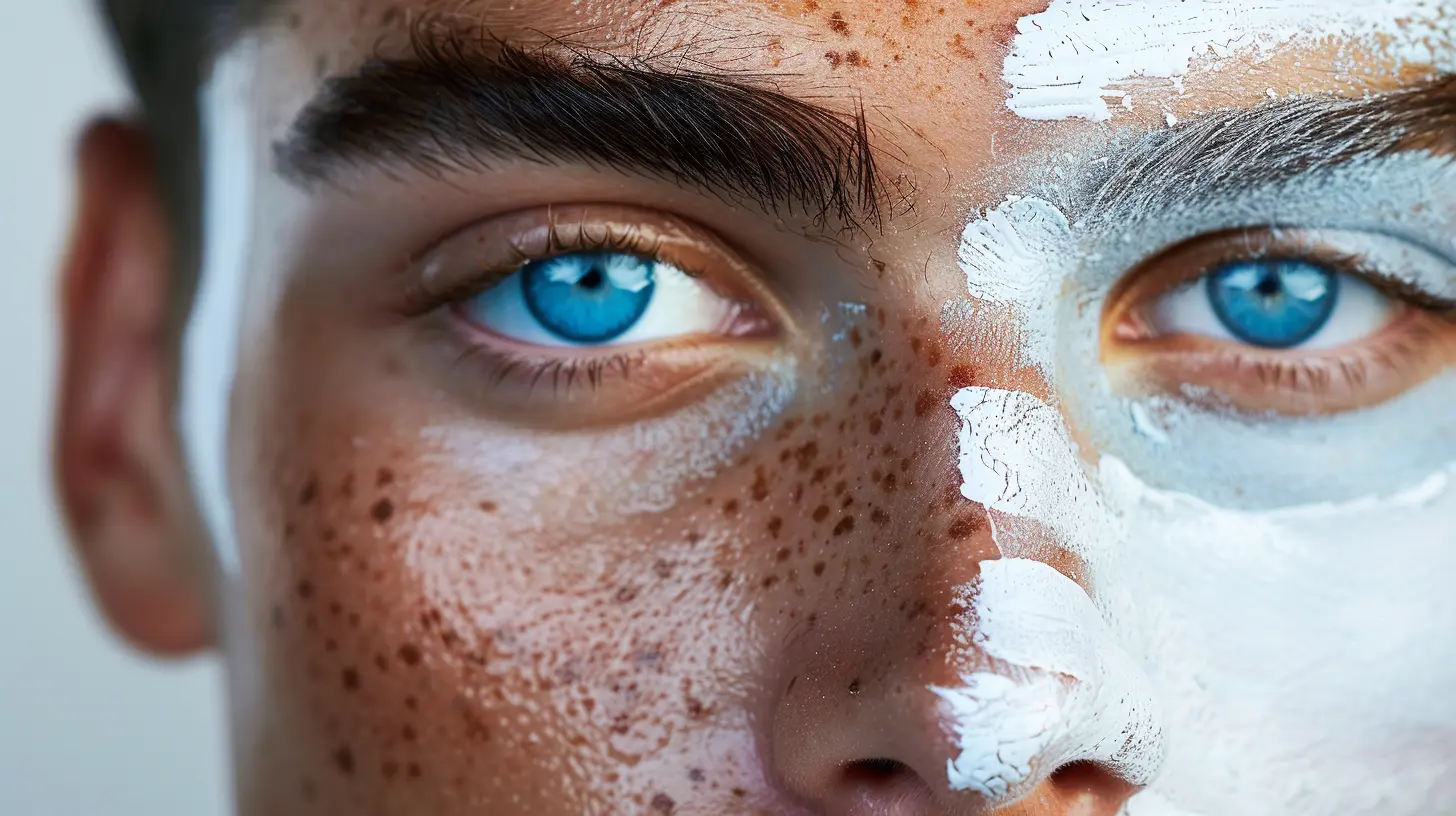
? Sunscreen Basics: The Ingredients You Need to Know First
Before shopping for sunscreen like a skincare Sherlock Holmes, let's break down the basics:☂️ SPF (Sun Protection Factor)
Think of SPF as your sunlight deflector. The higher the number, the longer you’re protected from UVB rays (those that cause burning). But more doesn’t always mean better.- SPF 30 blocks ~97% of UVB rays.
- SPF 50 blocks ~98%.
- SPF 100? Only slightly higher protection—and often greasier.
? UVA and UVB – The Dynamic Duo of Skin Damage
You want broad-spectrum sunscreen. That means it protects against both:- UVB rays = sunburn and skin cancer
- UVA rays = aging and deeper skin damage
? Physical vs. Chemical Sunscreen
Here’s where it gets interesting:- Physical (Mineral) Sunscreens: Sit on top of your skin and reflect UV rays. They use ingredients like zinc oxide or titanium dioxide. Less irritating but can leave a white cast.
- Chemical Sunscreens: Absorb UV rays and convert them into heat. They’re often lightweight and invisible, but can irritate sensitive skin.
So, how do you decide which one’s for you? Grab a mirror—it’s time to face your skin type.
? Identifying Your Skin Type (No Assumptions Allowed)
To find the right sunscreen, you first need to know your skin’s personality. Is your skin a drama queen? A control freak? Super chill? Let’s figure it out:1. Oily Skin
- Shiny? Greasy by midday? Makeup sliding off like it’s on a slip ‘n slide?2. Dry Skin
- Tight? Flaky? Loves to soak up moisturizer like it’s in the desert?3. Combination Skin
- Oily in the T-zone (forehead, nose, chin), but dry on the cheeks?4. Sensitive Skin
- Red easily? Gets irritated by new products? Burns instead of tans?5. Acne-Prone Skin
- Breaks out with new products? Gets clogged pores easily?6. Normal Skin (a.k.a. Unicorn Skin)
- Balanced? Rarely dry or oily? Skin goals?Got your type? Great. Let’s match you with your sunscreen soulmate.
? The Right Sunscreen for Oily Skin
What to look for: Lightweight, oil-free, mattifying formulas. You want sunscreen that doesn’t feel like you just greased up a frying pan.Top Ingredients:
- Silica
- Niacinamide (vitamin B3)
- Zinc oxide (non-comedogenic)
Formulas You'll Love:
- Gel-based
- Fluid sunscreens
- Powders (yes, SPF powders are a thing)
Avoid: Heavy creams, coconut oil, or anything labeled “moisture-rich.”
> Pro Tip: Some sunscreens actually double up as primers. Great for those who wear makeup!
? The Right Sunscreen for Dry Skin
What to look for: Rich, creamy formulas that hydrate while protecting. Think of it as a blanket for your parched skin.Top Ingredients:
- Hyaluronic Acid
- Glycerin
- Ceramides
Formulas You'll Love:
- Cream-based sunscreens
- Sunscreen-moisturizer hybrids
Avoid: Alcohol-based or gel sunscreens—they’ll leave you drier than a desert.
> Pro Tip: If you’re already using a moisturizer, look for a sunscreen that complements—not replaces—it.
? The Right Sunscreen for Combination Skin
What to look for: Balance is key. You need a happy medium that hydrates dry areas without making oily zones slick.Top Ingredients:
- Dimethicone (a light moisturizer)
- Niacinamide
- Lightweight SPF filters
Formulas You'll Love:
- Lightweight lotions
- Hybrid sunscreens (moisturizer + SPF)
Avoid: Extremely mattifying formulas—they can dry out your cheeks.
> Pro Tip: You can even double up—use two types on different areas of your face!
? The Right Sunscreen for Sensitive Skin
What to look for: Gentle, fragrance-free, mineral-based formulas. Less is more here.Top Ingredients:
- Zinc Oxide
- Titanium Dioxide
- Aloe Vera (soothing)
Formulas You'll Love:
- 100% mineral sunscreens
- Hypoallergenic products
Avoid: Fragrance, alcohol, chemical filters like oxybenzone (major irritant).
> Pro Tip: Patch test every sunscreen—even “safe” ones. Your skin isn’t into surprises.
? The Right Sunscreen for Acne-Prone Skin
What to look for: Non-comedogenic (won’t clog pores), oil-free, and with acne-fighting ingredients.Top Ingredients:
- Zinc oxide (calms acne)
- Niacinamide (anti-inflammatory)
- Salicylic acid (some SPF formulas include this!)
Formulas You'll Love:
- Gel sunscreens
- Lightweight fluids
- Tinted SPFs (they can double as light makeup!)
Avoid: Coconut oil, fragrance, and thick creams.
> Pro Tip: SPF powders and sprays can be great for reapplication without messing up your breakout-care routine.
? Sunscreen for the Melanin-Rich (Darker Skin Tones)
Concerned about the dreaded white cast? You should be. But not all mineral sunscreens leave you looking ghostly.Look for:
- Tinted mineral sunscreens
- Chemical sunscreens with modern formulation (clear finish)
- Hydrating formulas to preserve glow
Avoid: Old-school zinc-only sunscreens unless they’re tinted.
> Pro Tip: Brands like Black Girl Sunscreen and Supergoop have game-changing formulas for deeper tones.
? Sunscreen That Plays Well With Makeup
Ever tried layering sunscreen under makeup and ended up with a cakey mess? Been there. If you wear makeup, opt for something that absorbs fast.Best Bets:
- Priming SPF gels
- Setting sprays with SPF (for touch-ups)
- Tinted moisturizers with SPF (win-win)
> Pro Tip: Wait 5-10 minutes after applying sunscreen before makeup. Let it settle like foundation on a red carpet.
?? The Sunscreen Sins We’re All Guilty Of
Let’s be real for a sec. Using the wrong sunscreen is one thing. But not using it properly? That’s a whole other crime.? Common Mistakes:
- Applying too little: You need about a nickel-sized dollop for your face.- Not reapplying: Every 2 hours, especially if sweating or swimming.
- Only wearing it on sunny days: UV rays love cloudy skies.
- Skipping it indoors: UVA rays pass through glass. Your windows are not SPF 30.
? The Natural Sunscreen Trend – Hype or Holy Grail?
You’ve seen those “reef-safe,” “organic,” “plant-based” SPFs, right? They sound amazing, but here’s the tea:- Some work brilliantly (especially mineral-based ones).
- Others? Just glorified moisturizers with a dash of zinc.
Do your homework. Look for regulated SPF testing and actual broad-spectrum labeling. Natural doesn’t always mean effective.
✨ Your Personal Sunscreen Checklist
When shopping for sunscreen, ask yourself:1. What’s my skin type?
2. Do I want mineral or chemical?
3. Will this work under makeup?
4. Is it fragrance-free if I have sensitive skin?
5. Can I reapply it easily?
Finding the perfect sunscreen should feel like dating. Swipe left on the greasy, irritating ones. Swipe right on the lightweight, protective, skin-loving gems.
? Final Thoughts: Sunscreen Isn't Just Skincare—It's Self-Care
At the end of the day, sunscreen is that invisible shield between you and a lifetime of sun damage. It's not just about avoiding wrinkles or hyperpigmentation. It’s about protecting the skin that protects you. Think of it as your daily act of love towards yourself.The trick isn’t finding the “best” sunscreen—it’s finding the right one for you.
So dig into your skin type, seek out what your face really needs, and let your sunscreen do the rest. Your future self will thank you—glowy, radiant, and sun-protected.
all images in this post were generated using AI tools
Category:
Sun ProtectionAuthor:

Angelo McGillivray
Discussion
rate this article
1 comments
Clarissa McGinn
If your sunscreen doesn't match your skin type, you're just asking for trouble. It's like wearing a raincoat to the beach-totally pointless. Get it right or risk turning into a lobster.
August 27, 2026 at 2:50 AM
Angelo McGillivray
You're absolutely right! Choosing the right sunscreen is crucial for protecting your skin and avoiding burns. Thanks for highlighting that point!