The Best Indoor Practices for Avoiding the Flu
16 November 2026
As the colder months approach, the flu season kicks into high gear. While outdoor gatherings and commutes may increase exposure to the virus, the flu can just as easily find its way into our homes and workplaces. To effectively shield yourself and your loved ones from this season's flu strain, implementing smart indoor practices is crucial. This article will guide you through the most effective strategies, breaking them down into actionable steps.
Understanding the Flu Virus
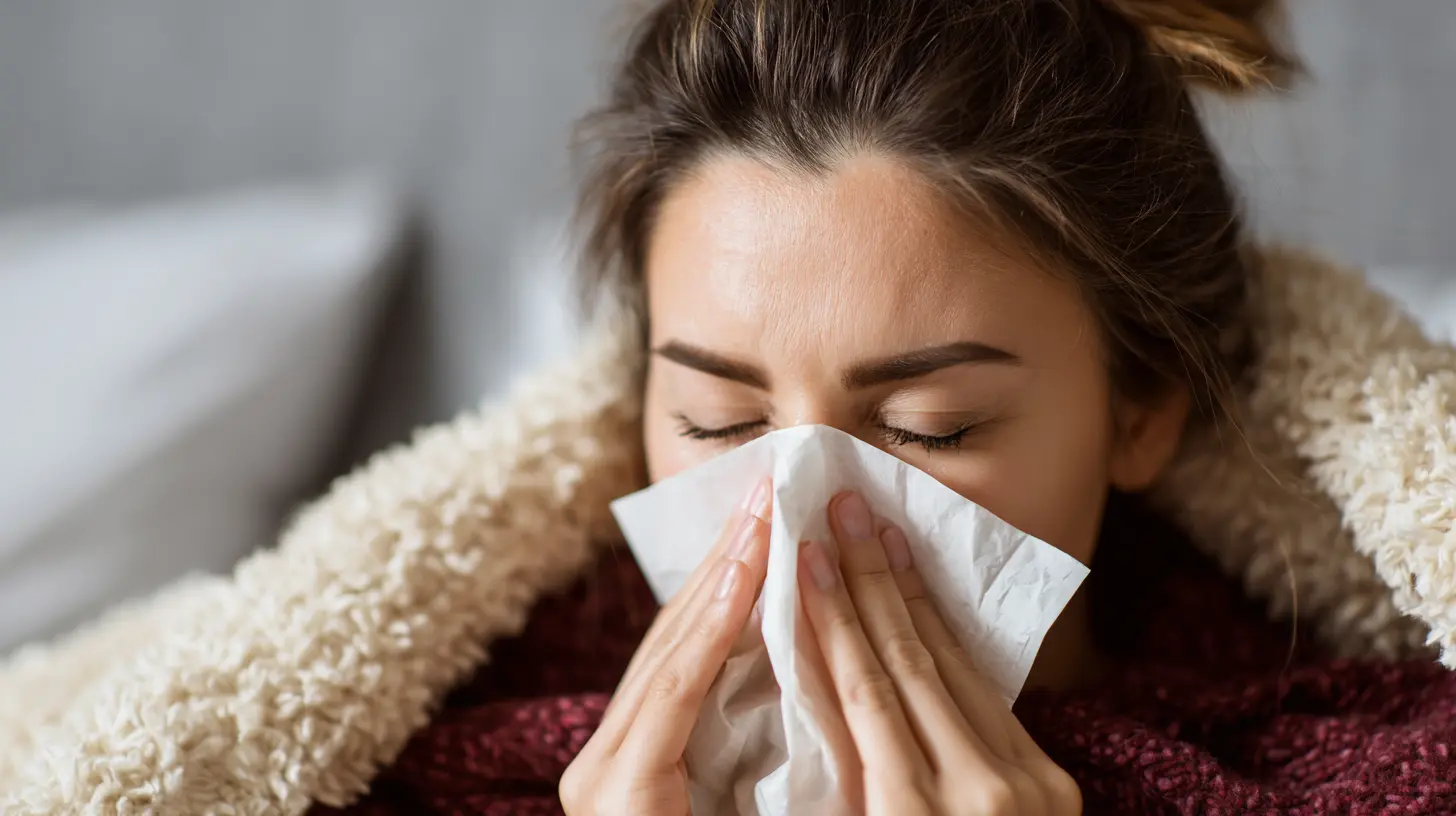
Before diving into prevention strategies, it's helpful to understand how the flu virus operates. The influenza virus spreads primarily through droplets from coughing, sneezing, or talking. These droplets can land in the mouths or noses of people nearby, or they can be inhaled into the lungs. the virus can survive on surfaces for hours, making it easy to contract it by touching contaminated objects and then touching your face.Why Indoor Practices Matter
Indoor spaces often lack proper ventilation, which can lead to a higher concentration of airborne viruses. During flu season, people are more likely to gather indoors for warmth and comfort, increasing the chances of transmission. Implementing effective indoor practices not only lowers your risk of contracting the flu but also helps create a healthier environment for everyone around you.
Best Indoor Practices
1. Maintain Good Hygiene
Handwashing
One of the simplest yet most effective ways to prevent the flu is through regular handwashing. Wash your hands with soap and water for at least 20 seconds, especially after being in public spaces, before eating, and after coughing or sneezing. If soap and water are unavailable, using a hand sanitizer containing at least 60 percent alcohol can provide a good alternative.Common Mistake: Many people underestimate the importance of thorough handwashing. Rushing through the process or skipping it entirely can leave you susceptible to viruses lingering on your hands.
Coughing and Sneezing Etiquette
When you cough or sneeze, do so into a tissue or your elbow, not your hands. This practice minimizes the spread of droplets in the air and prevents contamination of surfaces. Dispose of tissues immediately and wash your hands afterward.2. Keep Surfaces Clean
Regular Disinfection
Flu viruses can survive on surfaces for several hours. Regularly disinfecting commonly touched surfaces-like doorknobs, light switches, and remote controls-can significantly decrease the likelihood of spreading germs. Use EPA-approved disinfectants and follow the manufacturer's instructions for effective use.High-Touch Areas
Pay special attention to high-touch areas in your home or workplace. These include kitchen counters, bathroom surfaces, and computer keyboards. A routine cleaning schedule can help keep these areas germ-free.3. Improve Indoor Air Quality
Ventilation
Good ventilation can reduce the concentration of airborne viruses in indoor spaces. Open windows when weather permits to allow fresh air to circulate. Alternatively, consider using air purifiers with HEPA filters, which can capture airborne particles, including viruses.Trade-Off: While increasing ventilation can reduce virus concentration, it may also lead to lower indoor temperatures. Weighing comfort against air quality is essential, especially in colder climates.
Humidity Control
Maintaining indoor humidity levels between 30 and 50 percent can inhibit the flu virus's ability to thrive in the air. Using a humidifier can help achieve this balance, particularly in winter when indoor air tends to be drier.4. Limit Close Contact
Social Distancing
During flu season, limit close contact with individuals who exhibit flu-like symptoms. This includes avoiding crowded places and maintaining a safe distance from those who are coughing or sneezing.Real-World Example: During past flu seasons, health officials have noted that social distancing measures can significantly reduce flu transmission rates. Implementing these practices can protect you and others.
Family Practices
In households, it's crucial to establish practices that limit transmission among family members. If someone is sick, designate a separate area for them to rest, and limit shared items. This way, you can reduce the risk of spreading the virus within the home.5. Strengthen Your Immune System
Nutrition
A well-balanced diet rich in fruits, vegetables, and whole grains can help bolster your immune system. Foods high in vitamins C and D, as well as zinc, have been shown to support immune function. Citrus fruits, leafy greens, nuts, and seeds should be staples in your diet.Hydration
Staying well-hydrated is essential for maintaining a strong immune system. Aim for at least eight glasses of water a day, and include herbal teas or broth for added fluid intake.Exercise
Regular physical activity can also boost your immune system. Aim for at least 150 minutes of moderate exercise each week. This can include anything from brisk walking to yoga-whatever you enjoy and can sustain.6. Consider Vaccination
Flu Vaccines
Getting a flu vaccine is one of the most effective ways to prevent the flu. The vaccine prompts your body to develop immunity against specific strains of the virus. While it does not guarantee you won't get the flu, it can significantly reduce the severity of the illness if you do contract it.Misconception: Some people believe that getting vaccinated can give them the flu. This is not possible; the vaccine contains inactivated virus or proteins that cannot cause illness.
7. Monitor Your Health
Recognizing Symptoms Early
Being aware of flu symptoms-such as fever, cough, sore throat, and body aches-can help you take action quickly. If you begin to feel unwell, consider staying home to prevent spreading the virus. Early intervention, such as antiviral medications, may alleviate symptoms if taken within the first couple of days of illness.Regular Check-Ups
Routine health check-ups can help identify any vulnerabilities in your immune system. If you have pre-existing health conditions, consult with your healthcare provider about additional precautions during flu season.8. Educate Your Household
Open Conversations
Educating family members about flu prevention practices can foster a collective effort in keeping your home flu-free. Discuss the importance of hygiene, vaccination, and recognizing symptoms among family members.Setting an Example
Lead by example. When children see adults practicing good hygiene and health habits, they are more likely to adopt those behaviors themselves.
Conclusion
While flu season can be daunting, taking proactive steps can significantly reduce your risk of infection. By maintaining good hygiene, improving indoor air quality, and fostering a healthy lifestyle, you can create an environment that supports your immune system and minimizes the likelihood of contracting the virus. Remember, every individual action contributes to the collective well-being of your family and community.
Final Thoughts
As we navigate flu season, it's essential to remain vigilant and flexible. Adjust your practices as needed, stay informed about local health recommendations, and prioritize your health and the health of those around you. With these best practices in mind, you can face the flu season with confidence.
all images in this post were generated using AI tools
Category:
Cold And Flu PreventionAuthor:

Angelo McGillivray