The Best Stretches for Chronic Pain Relief
27 August 2026
Living with chronic pain can be exhausting. Whether it’s back pain, neck pain, or joint discomfort, the persistent aches can take a toll on your daily life. But did you know that stretching can be one of the most effective ways to alleviate pain?
A few simple stretches each day can help loosen stiff muscles, improve mobility, and reduce tension. If you're tired of relying solely on pain medications, let’s dive into some of the best stretches for chronic pain relief.
Why Stretching Helps with Chronic Pain
Before we get into the best stretches, let's talk about why stretching is so beneficial.Chronic pain often stems from muscle tightness, poor posture, or limited mobility. When you stretch, you’re not just lengthening muscles—you’re improving circulation, reducing inflammation, and triggering the release of feel-good endorphins.
Think of your muscles like rubber bands. When you don’t stretch them, they become stiff and tight. But with regular movement, they stay flexible and resilient, making it easier to move without pain.
Now, let’s look at the best stretches to help you feel better!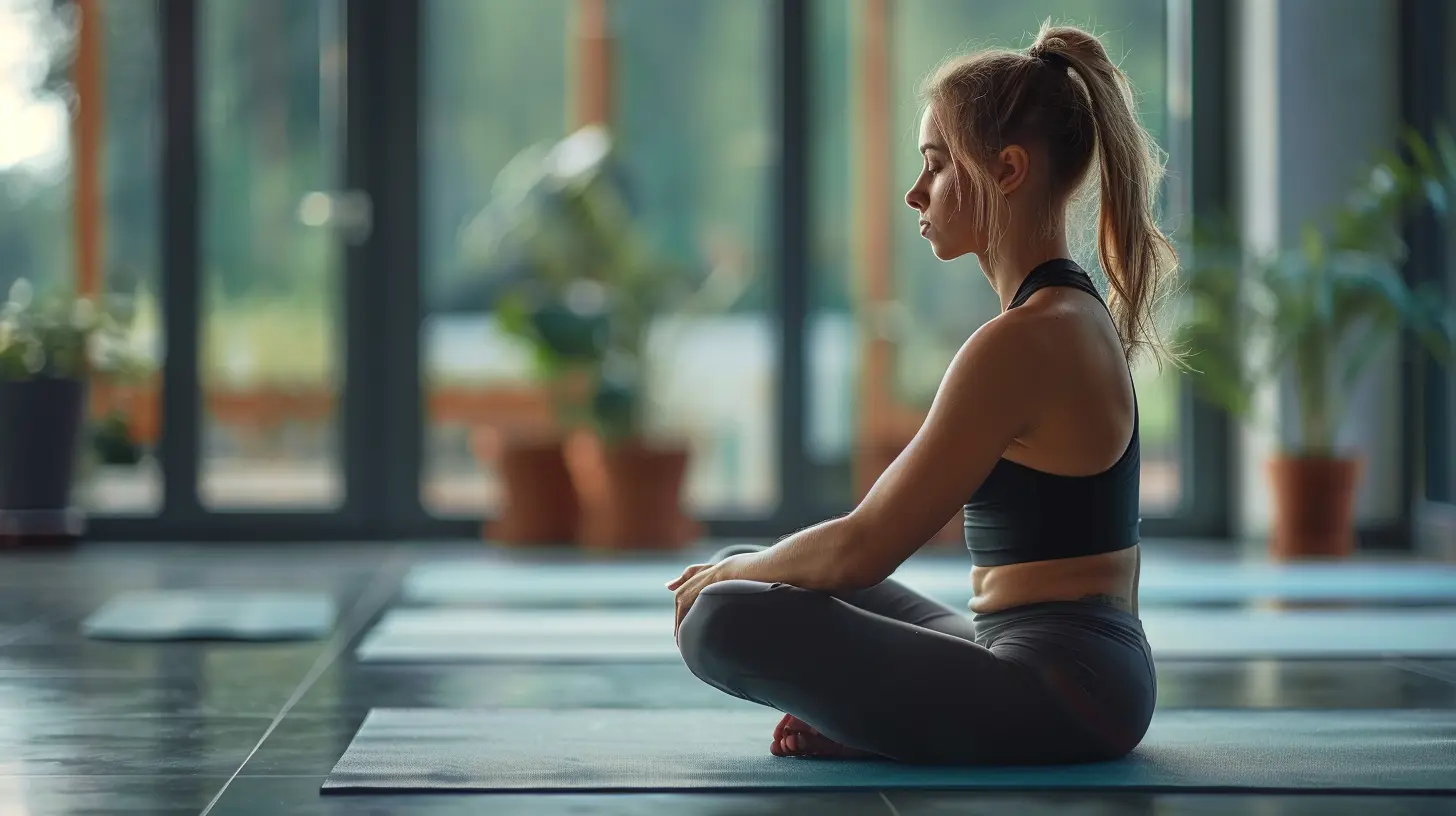
1. Child’s Pose (For Back and Hip Pain)
Child’s Pose is a gentle stretch that targets the lower back, hips, and thighs. It's perfect for soothing tension in these areas while encouraging relaxation.How to Do It:
1. Kneel on the floor with your big toes touching and your knees spread apart.2. Sit back on your heels and extend your arms forward, lowering your chest toward the ground.
3. Rest your forehead on the floor and take deep breaths.
4. Hold for 30-60 seconds.
Why It Works:
- Gently stretches the lower back.- Relieves hip and thigh tension.
- Encourages deep breathing, which promotes relaxation.

2. Cat-Cow Stretch (For Spine Flexibility and Pain Relief)
If you suffer from back or neck pain, the Cat-Cow stretch is a great way to improve flexibility and relieve stiffness.How to Do It:
1. Get on all fours with your wrists under your shoulders and knees under your hips.2. Inhale, arch your back, and lift your head (this is Cow Pose).
3. Exhale, round your back, and tuck your chin toward your chest (this is Cat Pose).
4. Alternate between these two positions for 1-2 minutes.
Why It Works:
- Improves spinal mobility.- Reduces stiffness in the back and neck.
- Encourages deep breathing and relaxation.

3. Seated Forward Bend (For Hamstrings and Lower Back Relief)
Tight hamstrings can contribute to lower back pain. This stretch helps loosen them up while also calming the nervous system.How to Do It:
1. Sit on the floor with your legs extended.2. Reach forward toward your toes, keeping your back straight.
3. Hold the stretch for 30 seconds while breathing deeply.
Why It Works:
- Stretches the hamstrings and lower back.- Relieves tension that contributes to chronic pain.
- Encourages relaxation.
4. Standing Quad Stretch (For Knee and Hip Pain Relief)
Tight quadriceps can contribute to knee and hip pain. Stretching them regularly can prevent stiffness and improve mobility.How to Do It:
1. Stand tall and lift your right foot toward your buttocks.2. Grab your ankle with your right hand and gently pull it closer.
3. Keep your knees together and avoid arching your lower back.
4. Hold for 20-30 seconds and switch sides.
Why It Works:
- Loosens tight quads that may contribute to knee pain.- Improves overall lower-body flexibility.
- Helps with posture and balance.
5. Shoulder Stretch (For Neck and Shoulder Pain)
If you spend hours at a desk or looking at your phone, tight shoulders and neck pain can become a daily struggle. A simple shoulder stretch can help relieve built-up tension.How to Do It:
1. Stand or sit up straight.2. Bring one arm across your chest.
3. Use your other hand to gently pull your arm closer to your body.
4. Hold for 20-30 seconds before switching sides.
Why It Works:
- Releases shoulder tension.- Helps with posture-related pain.
- Reduces stiffness from prolonged sitting.
6. Butterfly Stretch (For Hip and Lower Back Pain)
Hip tightness can cause discomfort not only in the hips but also in the lower back. The Butterfly Stretch opens up the hips and helps improve flexibility.How to Do It:
1. Sit on the floor with your feet together and your knees bent outward.2. Hold your feet with your hands and gently press your knees toward the ground.
3. Hold for 30 seconds while breathing deeply.
Why It Works:
- Stretches the inner thighs and hip flexors.- Enhances hip mobility and reduces stiffness.
- Helps prevent lower back tension.
7. Glute Stretch (For Sciatic and Lower Back Pain Relief)
If you're dealing with sciatic pain, stretching the glutes can make a big difference. This simple stretch helps release tension in the lower back and hips.How to Do It:
1. Lie on your back and bend both knees.2. Cross your right ankle over your left thigh.
3. Grab the back of your left thigh and gently pull it toward your chest.
4. Hold for 30 seconds before switching sides.
Why It Works:
- Relieves sciatic nerve pain.- Loosens tight glutes.
- Reduces lower back tension.
8. Neck Stretch (For Neck and Shoulder Relief)
Neck pain is incredibly common, especially if you spend long hours at a desk. This simple stretch helps release tension in the neck and shoulders.How to Do It:
1. Sit or stand up straight.2. Gently tilt your head toward one shoulder.
3. Hold for 15-20 seconds, then switch sides.
Why It Works:
- Loosens stiff neck muscles.- Reduces strain from poor posture.
- Helps with headaches caused by tension.
Tips for Getting the Most Out of Stretching
Stretching is most effective when done correctly. Here are a few tips to make sure you're doing it right:- Stay Consistent: Stretch daily for the best results.
- Breathe Deeply: Proper breathing enhances relaxation and reduces stress.
- Don’t Force It: Stretch to the point of mild tension, not pain.
- Hold Each Stretch: Aim for at least 20-30 seconds per stretch.
- Focus on Problem Areas: Spend extra time on the muscles that feel the tightest.
Final Thoughts
Chronic pain doesn’t have to control your life. With the right stretches, you can ease muscle tension, improve mobility, and feel better naturally.The best part? Stretching doesn’t require fancy equipment or much time—just a few minutes a day can make a world of difference. So, why not start today? Your body will thank you!
all images in this post were generated using AI tools
Category:
Chronic PainAuthor:

Angelo McGillivray
Discussion
rate this article
1 comments
Valentina Frank
This article is a breath of fresh air for anyone dealing with chronic pain. The stretches are easy to follow and truly uplifting. I appreciate the thoughtful explanations and encouragement. It's great to see practical tips that can make a real difference in daily life. Thank you!
August 28, 2026 at 3:50 PM
Angelo McGillivray
Thank you for the kind words! I'm glad you found the stretches helpful and uplifting. Wishing you relief and comfort in your journey.