The Effects of Prescription Medications on Your Skin’s Sun Sensitivity
20 January 2026
Have you ever slathered on sunscreen, stepped out into the sun, and still ended up looking like a lobster? It’s frustrating, right? Now, what if I told you that your prescription medication might be behind that unexpected sunburn? Yep—while medications are lifesavers, some of them can make your skin way more sensitive to the sun than usual.
In this article, we’ll dive deep into how certain prescription drugs mess with your skin’s relationship with sunlight. We'll break it all down in a simple, no-jargon way so that you can keep your skin calm, cool, and safe when you step outside.
What Is Sun Sensitivity Anyway?
Let’s get the basics out of the way first. Sun sensitivity, or photosensitivity (that’s the fancy name), means your skin reacts more intensely to sunlight than it normally would. This could show up as a faster sunburn, itchy rashes, dry patches, or even blisters after sun exposure.So why does this happen? In plain terms—some medications interact with sunlight in such a way that your skin overreacts. It’s like your skin suddenly thinks it’s defending itself from a threat when all it’s facing is a regular sunny day.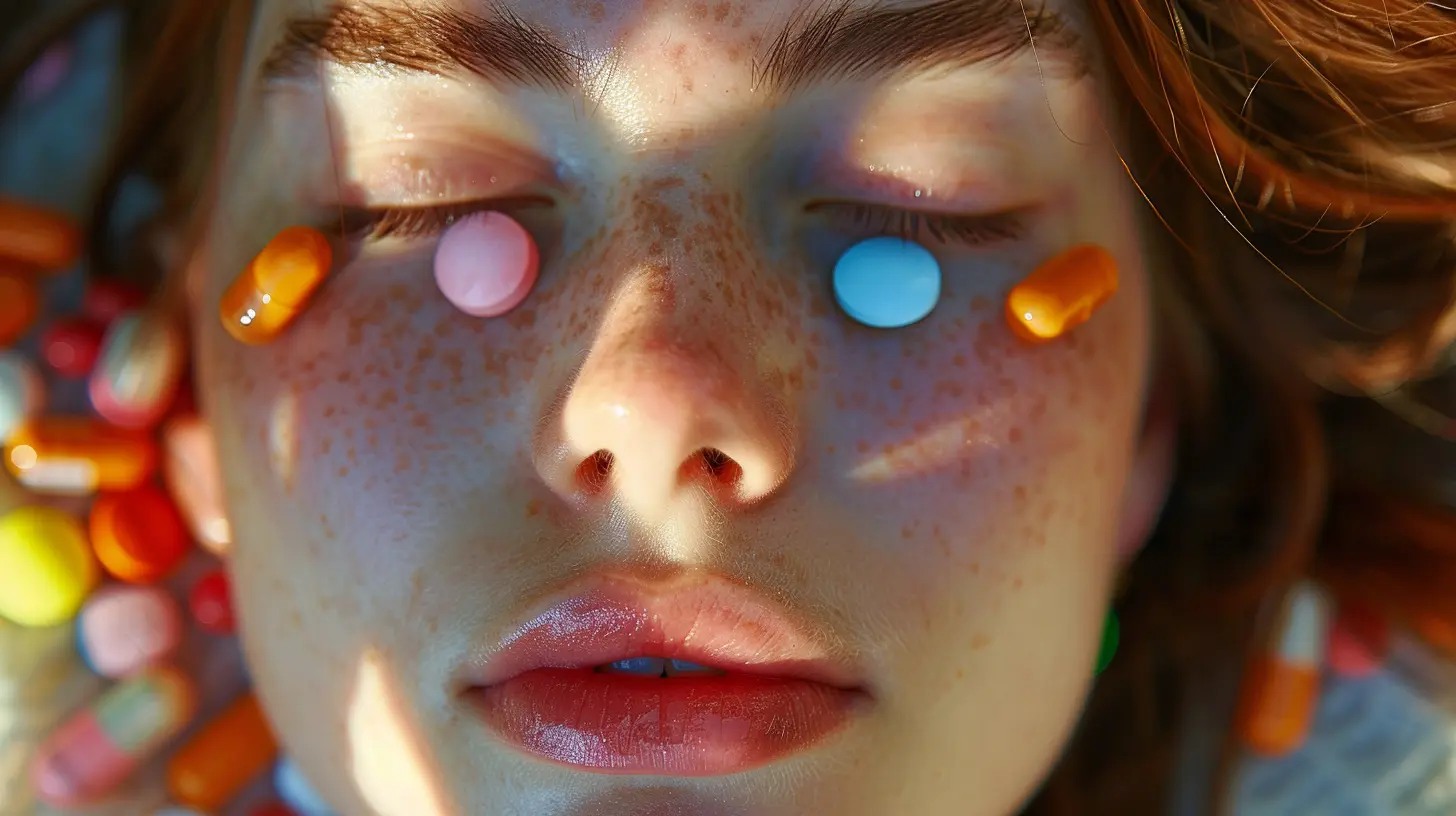
Two Main Types of Sun Sensitivity
You’re probably wondering—are there different kinds of sun sensitivity? Yes, and knowing the difference can help you figure out what’s happening with your skin.1. Phototoxic Reactions
This is the most common type. It happens when a drug in your system absorbs UV light and transforms it into a chemically active compound. Think of it like your medication turning into a tiny sun-powered firecracker inside your skin cells. This leads to redness, inflammation, and sometimes peeling—basically, a severe sunburn.2. Photoallergic Reactions
These are less common but more sneaky. Instead of an immediate burn, your immune system kicks in and reacts like it’s fighting an allergy. You might get rashes, itchiness, or eczema-like patches, often a day or two after being in the sun.
Prescription Meds That Can Increase Sun Sensitivity
Now for the meat of the topic—which medications can lead to this skin vs. sun situation? You might be surprised at how many common prescriptions can cause photosensitivity.1. Antibiotics
Some antibiotics, especially the tetracycline family—including doxycycline and minocycline—are notorious for making your skin more sun-sensitive. Ever wonder why doctors say “avoid sunlight” on some antibiotic labels? This is why.Fluoroquinolones like ciprofloxacin are another group known to increase your skin's vulnerability to UV rays.
2. Diuretics
If you’re taking diuretics (often known as “water pills”) like hydrochlorothiazide to manage high blood pressure, you better keep that SPF close. These meds can make your skin react faster and more harshly to the sun.3. Antifungals
Drugs like voriconazole and griseofulvin are great at treating fungal infections, but they also make your skin super reactive to the sun. It’s like trading one problem for another if you’re not careful with sun protection.4. Retinoids
Retinoids (like isotretinoin for acne or tretinoin for anti-aging) can thin the outer layer of your skin, making it more delicate and prone to sunburn. If you’re on these, sunscreen isn’t optional—it’s mandatory.5. NSAIDs (Non-Steroidal Anti-Inflammatory Drugs)
Think ibuprofen and naproxen. Yes, the same stuff you use for a headache or body aches can contribute to photosensitivity, especially if you’re taking them regularly.6. Antidepressants and Antipsychotics
Certain psychoactive meds like tricyclic antidepressants and phenothiazines can make your skin act out in the sun. It’s not common knowledge, which is why a lot of people end up surprised with itchy, red skin after spending time outdoors.7. Chemotherapy Drugs
Unfortunately, many cancer treatments heighten your skin’s sensitivity to light. This is often one of the side effects that healthcare providers will warn you about, but it’s worth adding here: patients undergoing chemotherapy must take extra care when going outside.
How Do These Medications Affect the Skin?
Let’s get nerdy for a second—but in a fun way.Imagine your skin as a shield that normally bounces off UV rays. When you take certain medications, it’s like tiny holes appear in that shield. Now, instead of deflecting UV light, your skin absorbs it, and a chain reaction starts. Some drugs actually break down into light-activated chemicals that mess with your skin cells. Others just make your body overreact to normal UV exposure.
Either way, you end up with skin that’s overdramatic in sunlight—burns faster, stays red longer, and takes forever to heal. Fun, right?
Signs Your Medication Is Making You Sun-Sensitive
So how do you know if your pills are plotting against your summer plans? Here are some warning signs:- Sunburn after very little time in the sun
- Redness or inflammation in areas exposed to light
- Itchy bumps or hives after outdoor exposure
- Rashes that show up a day or two post-sun
- A burning or stinging sensation on the skin
- Pigmentation or dark spots after healing
If you’re seeing any of these and you’re on a new medication, it’s time to talk to your doctor.
How to Protect Your Skin While on These Medications
The good news? You're not doomed to live like a vampire. There are practical ways to protect your skin and still enjoy a bit of sunshine.1. Use SPF Religiously
And not just any SPF—go for broad-spectrum sunscreen with at least SPF 30 or higher. Reapply every two hours, or more often if you’re sweating or swimming. Don’t forget often missed spots like your ears, neck, and the tops of your feet.2. Wear Protective Clothing
Think wide-brimmed hats, long-sleeve shirts, sunglasses—the whole works. Many companies even sell UPF (ultraviolet protection factor) clothing for extra shielding.3. Avoid Peak Sun Hours
If you can, stay indoors from 10 a.m. to 4 p.m., when the sun’s rays are the most intense. It’s not always doable, but even a little planning ahead goes a long way.4. Read Labels Carefully
Most prescriptions come with a tiny booklet or label warnings. Look out for phrases like “may cause photosensitivity” or “avoid prolonged sun exposure.”5. Talk to Your Doctor or Pharmacist
Don’t be afraid to ask if your medication increases sun sensitivity and what you should do about it. They might even suggest taking it at night to reduce sun exposure or switching to a different drug.What to Do If You Get a Reaction
Already dealing with sun-sensitive skin? Here's how to ease the discomfort:- Cool it down: Use aloe vera gel or a cold compress.
- Moisturize: Use fragrance-free lotions to soothe dry or peeling skin.
- Stay out of the sun while healing: More exposure can make things worse.
- Over-the-counter antihistamines: These can help if you’re itchy.
- See a doctor: If the reaction is severe or keeps happening, you’ll need professional advice.
Can You Stop Taking the Medication?
Short answer? Not without talking to your doctor first.Some medications are non-negotiable—you just need to stay sun-safe. In other cases, your healthcare provider might have alternative options that don’t mess with your skin as much. Never stop a prescription cold turkey; always consult the pros.
Extra Tips for Managing Drug-Induced Sun Sensitivity
- Keep a sun diary: It helps to know when and how reactions happen.- Hydrate: Sun exposure and some meds can dehydrate you. Water is your friend.
- Boost your diet: Eat foods rich in antioxidants—think berries, spinach, and nuts—to help your skin recover and defend itself.
Final Thoughts
Prescription meds can do wonders for our health, but they aren’t without their quirks. One of the sneakiest is increased sun sensitivity. The key takeaway here? Awareness is everything.When you're armed with the right info—and a solid bottle of sunscreen—you can enjoy the outdoors without turning into a walking sunburn. Respect the meds, respect the sun, and listen to your skin. It’s smarter than it looks.
all images in this post were generated using AI tools
Category:
Sun ProtectionAuthor:

Angelo McGillivray
Discussion
rate this article
2 comments
Kristen Rosales
Understanding medication's sun sensitivity is crucial for effective skin care and protection.
February 13, 2026 at 5:12 AM
Angelo McGillivray
Absolutely! Awareness of medication-related sun sensitivity is key to maintaining healthy skin while on treatment. Thank you for your insight!
Pia Wright
This article highlights the often-overlooked impact of prescription medications on skin sensitivity to sunlight. It's crucial for patients to consult with their healthcare providers about potential side effects, including increased sunburn risk. Always use sunscreen and protective clothing to safeguard your skin while on these medications.
January 30, 2026 at 4:13 AM
Angelo McGillivray
Thank you for your insightful comment! It's essential for patients to stay informed about the side effects of their medications, and your emphasis on sunscreen and protection is spot on.