The Impact of Long-Term Alcohol Use on Brain Function
11 June 2026
Alcohol—the liquid confidence, the social elixir, the escape hatch from a long day. It starts with a glass, then maybe a bottle, and before you know it, it’s a habit that whispers sweet lies in your ear.
But what happens when the occasional indulgence turns into a long-term relationship? What does alcohol do to your brain when it stays too long at the party? Spoiler alert: it’s not pretty. Let’s dive into the neuroscience of booze and break down what happens to your brain when alcohol overstays its welcome.

How Alcohol Affects the Brain Short-Term
Before we get into the long-term effects, let’s talk about what happens immediately after you drink.A few sips in, and you start to feel lighter, more relaxed. Your brain releases dopamine—your happiness hormone—tricking you into feeling good. Meanwhile, alcohol suppresses the central nervous system, slowing down your reflexes, slurring your speech, and making your decision-making skills about as reliable as a broken compass.
Ever text your ex after a few drinks? Blame alcohol for shutting down the rational part of your brain.
But while a night of bad decisions is temporary, repeated exposure to alcohol isn’t so forgiving. Let’s see what happens when alcohol turns from a casual guest into an unwanted tenant in your brain.

The Long-Term Damage: A Brain Under Siege
Your brain is a powerhouse, a master conductor controlling everything from your emotions to memory. But alcohol? It’s the wrecking ball that swings through it over time.1. Memory Loss and Blackouts: Erasing the Hard Drive
Ever wake up after a night of drinking with only fragments of the night before? That’s alcohol-induced memory loss, and it’s your brain’s way of telling you things are getting fuzzy upstairs.In chronic drinkers, this isn’t just a temporary glitch—it becomes a long-term issue. Heavy drinking damages the hippocampus, the part of the brain responsible for forming new memories. Over time, this can lead to permanent memory problems, making it harder to learn new things or recall past experiences.
Imagine trying to save a file on a hard drive that’s slowly failing. That’s what alcohol does to your memory—it corrupts the data, sometimes permanently.
2. Shrinking Brain: When the Mind Withers
You know how a raisin used to be a plump grape? Well, imagine your brain doing the same thing.Excessive alcohol use actually causes the brain to shrink. Studies show that long-term alcohol consumption reduces gray matter, which is responsible for processing information. The frontal lobe—responsible for reasoning, decision-making, and personality—takes the hardest hit.
Translation? Drinking too much over the years doesn’t just make you forget things—it can make you a different person entirely.
3. Cognitive Decline: Slowing Down the Machine
Ever feel like your brain is running in slow motion after a night of drinking? Now, imagine that sluggishness becoming permanent.Long-term alcohol use damages neural pathways, making it harder to process information and solve problems. It’s like trying to run a high-speed internet connection on dial-up—things just don’t function as quickly as they should.
And here’s the kicker: this can increase the risk of dementia, making alcohol-related brain damage one of the most devastating consequences of long-term drinking.
4. Emotional Turmoil: Mood Swings & Mental Health Struggles
Alcohol doesn’t just mess with your memory and thinking—it plays dirty with your emotions too.Chronic alcohol use is linked to depression, anxiety, and even aggressive behavior. Why? Because alcohol disrupts the balance of neurotransmitters in your brain, throwing your mood regulation completely off course.
One minute you feel on top of the world, the next, you’re drowning in sadness. And the worst part? The more you drink to cope, the worse it gets.
It’s like putting out a fire with gasoline—it might feel like you’re doing something, but you’re only making things worse.
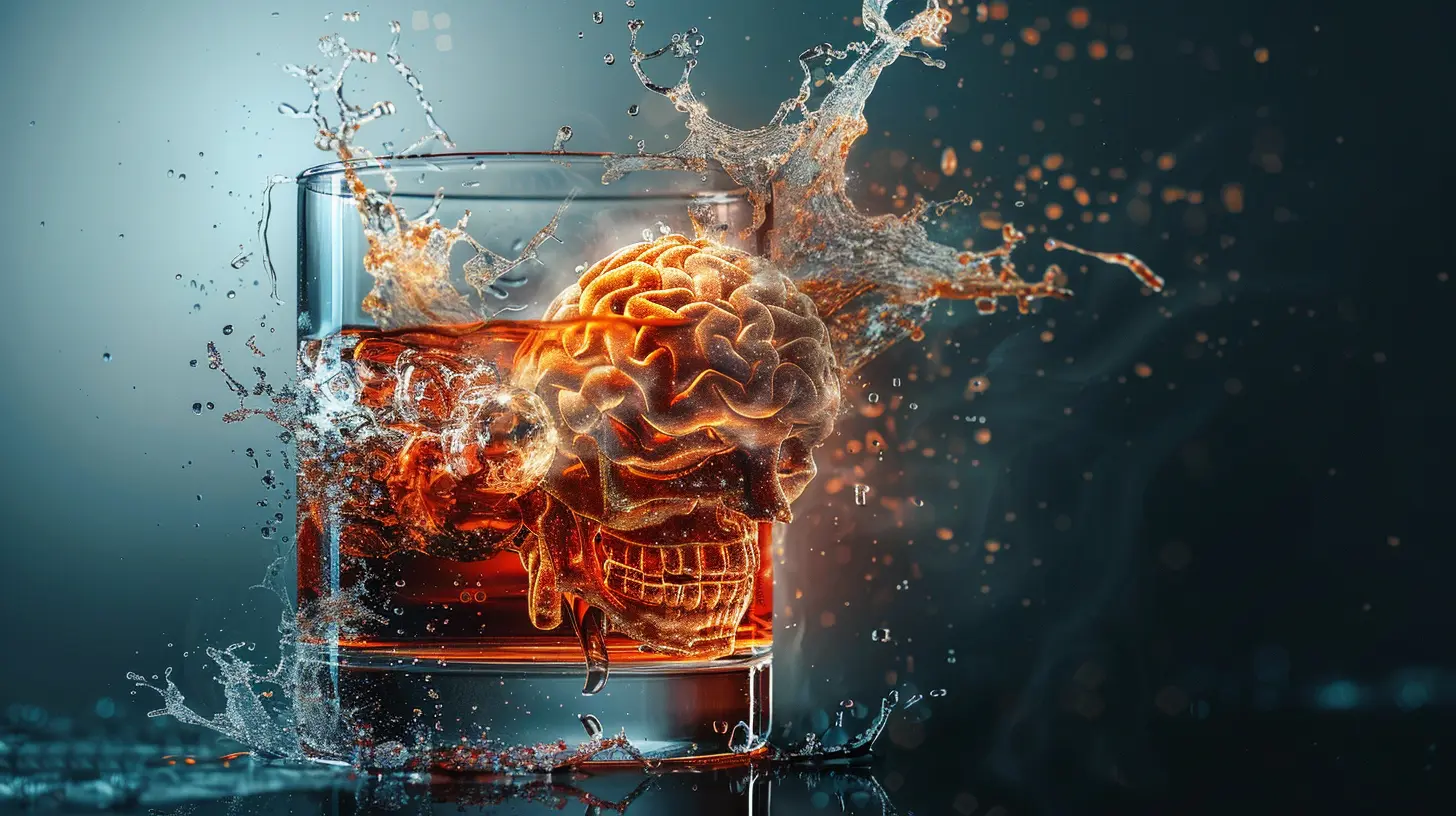
The Silent Killer: Wernicke-Korsakoff Syndrome (Wet Brain)
If heavy drinking had a final boss, it would be Wernicke-Korsakoff Syndrome (WKS), also known as wet brain.This severe brain disorder is caused by a thiamine (vitamin B1) deficiency, which is common in alcoholics. Without enough thiamine, the brain can’t function properly, leading to symptoms like:
- Confusion and disorientation
- Loss of muscle coordination
- Vision problems
- Severe memory loss
In extreme cases, people with WKS can develop psychosis and permanent brain damage. It’s alcohol’s way of showing just how merciless it can be when given free rein.
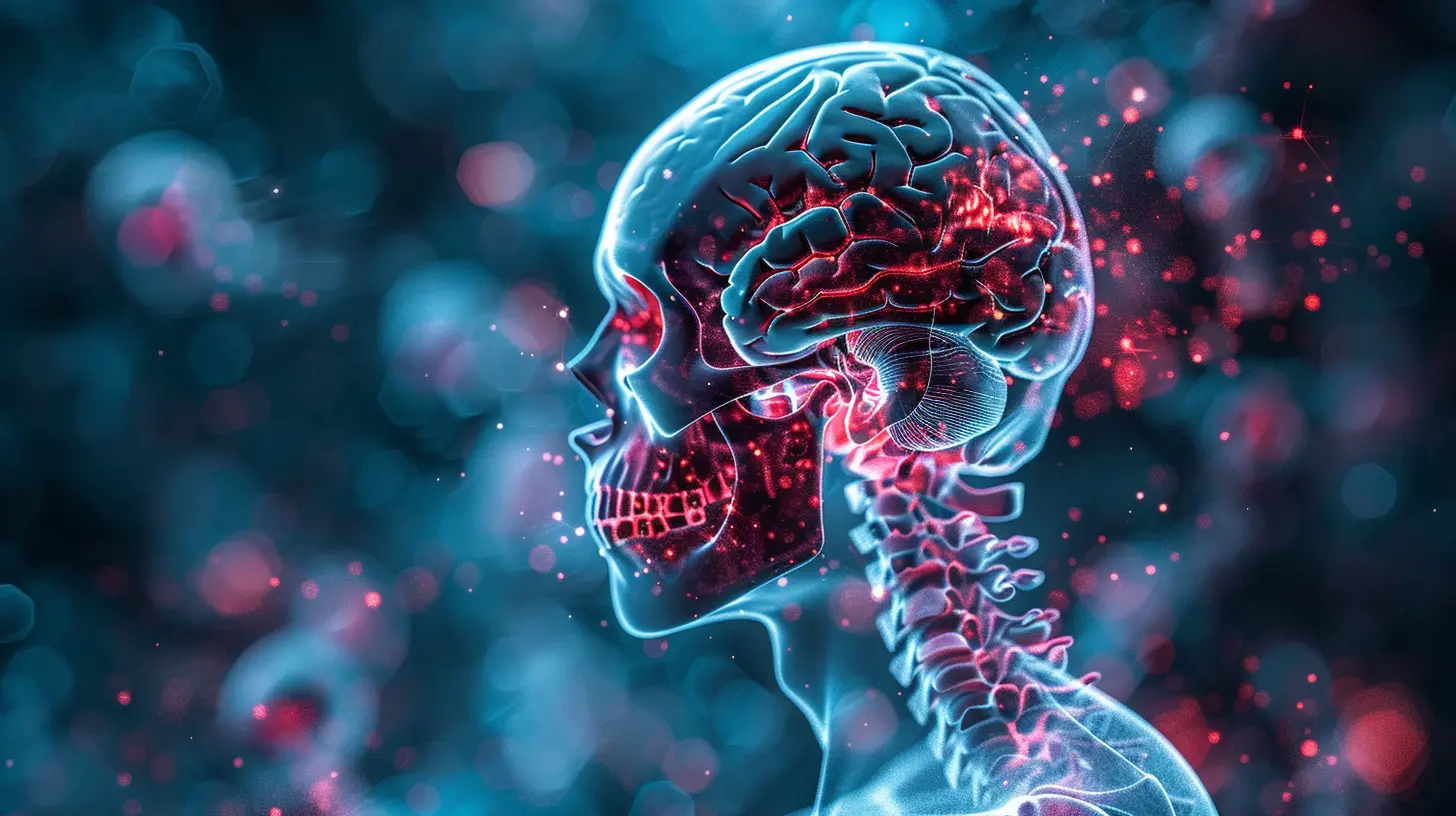
Can the Brain Heal from Alcohol Damage?
Here’s the good news: your brain is pretty resilient. If you stop drinking early enough, your brain can repair itself to some extent.- Short-term damage? The brain can recover in weeks to months.
- Moderate damage? It could take years, but improvement is possible.
- Severe, long-term damage? Some effects might be permanent, but stopping alcohol can still prevent further decline.
Think of it like a fog lifting. The sooner you stop drinking, the clearer things become.
Final Thoughts: Is It Worth the Risk?
Alcohol might promise a good time, but in the long run, it’s a thief—stealing your memories, your cognitive abilities, and sometimes, even your identity.Is the buzz really worth the price of your brainpower?
If you or someone you know is struggling with alcohol use, it’s never too late to make a change. The brain is amazing, and with the right care, it can heal. But first, the bottle has to go.
all images in this post were generated using AI tools
Category:
Brain HealthAuthor:

Angelo McGillivray
Discussion
rate this article
2 comments
Maura Mendoza
This article highlights crucial points about how long-term alcohol use affects brain function. Understanding these impacts can motivate individuals to make healthier choices and seek help when needed. Great read for awareness!
July 31, 2026 at 3:17 AM
Angelo McGillivray
Thank you for your thoughtful comment. I'm glad you found the article informative and that it resonates with the importance of awareness and healthier choices.
Lennox McIntyre
Great article! It's eye-opening to see how alcohol really affects our brains...
June 12, 2026 at 5:05 AM