The Importance of Sun Protection for Babies and Toddlers
20 March 2026
There’s nothing quite like the warmth of that first sunny day after a long winter. The sky feels wider, everything feels alive, and those little giggles from your baby as they feel the sun on their skin? Absolutely priceless. But wait—before you pop them in the stroller and soak up those golden rays, let’s have a heart-to-heart.
Because here’s the truth: as delightful as sunshine is, it brings along an invisible danger—ultraviolet (UV) radiation. And for babies and toddlers, their brand-new skin is like a sponge, absorbing more, healing slower, and more vulnerable than we might think.
So, let’s dive deep into the why, the how, and the must-do’s of sun protection for the tiny humans we love most.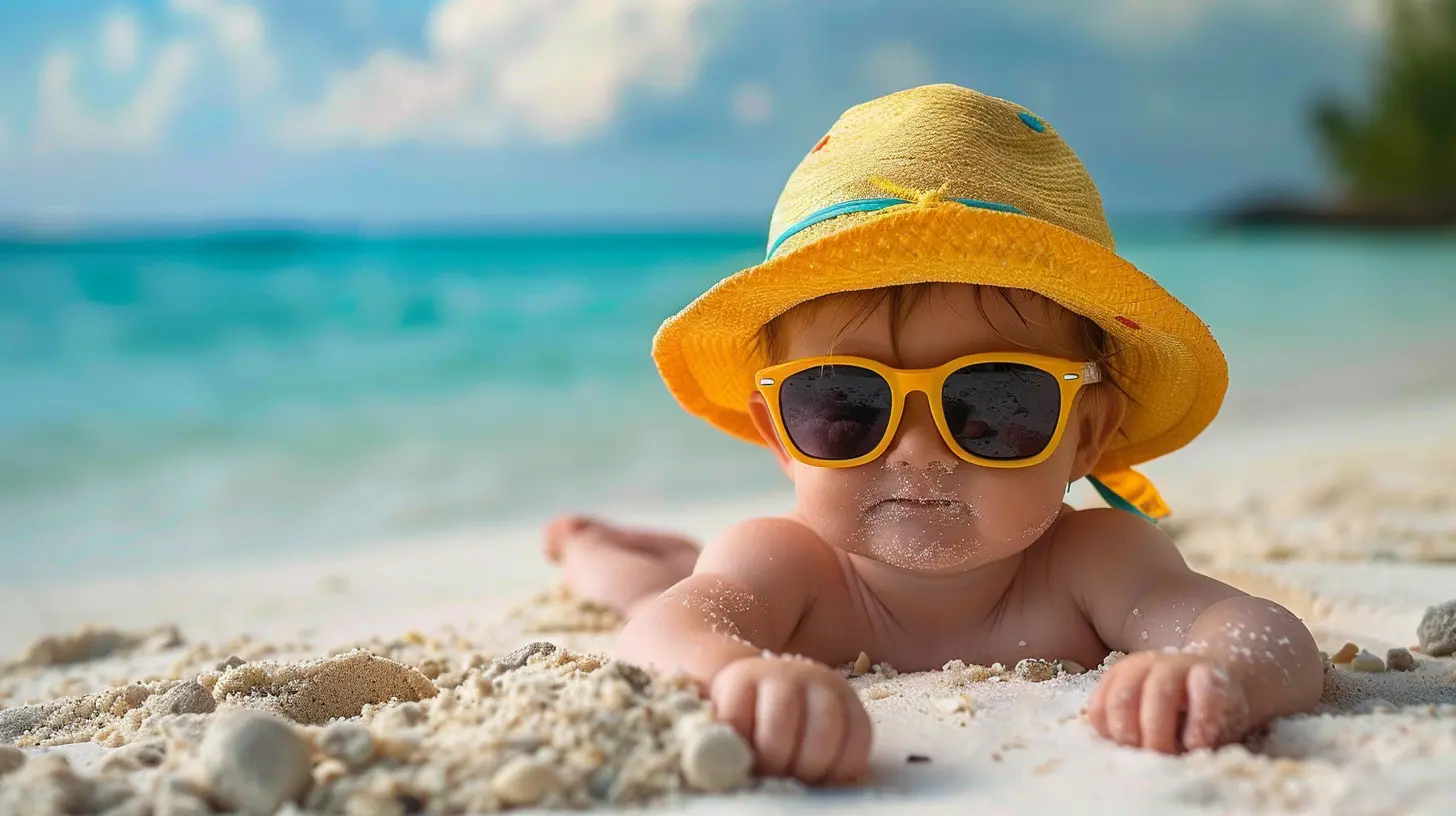
Why Sun Protection for Little Ones Is a Big Deal
Their Skin Is Fragile—Think Cream Puff in the Oven Fragile
Babies and toddlers have much thinner, more sensitive skin than adults. Imagine comparing tissue paper to leather. It takes far less to burn them, and they can’t tell us when something’s wrong. A single sunburn in infancy can double the risk of skin cancer later in life. Yeah. That’s no exaggeration—that’s science.When UV rays hit their delicate skin, the damage doesn’t just stop at redness. It can go much deeper, affecting the DNA in their cells, increasing their risk of skin conditions, premature aging, and even melanoma, the deadliest form of skin cancer.
UV Rays Don’t Take a Break
Even on cloudy days, up to 80% of UV rays make their way through. Overcast skies? Not a free pass. Cool breezes? They don’t mean less UV exposure. And snow? It reflects nearly 80% of UV rays, doubling the danger. Whether it's beach time, snow day, or a simple walk in the park—sun protection should be part of the daily parenting ritual.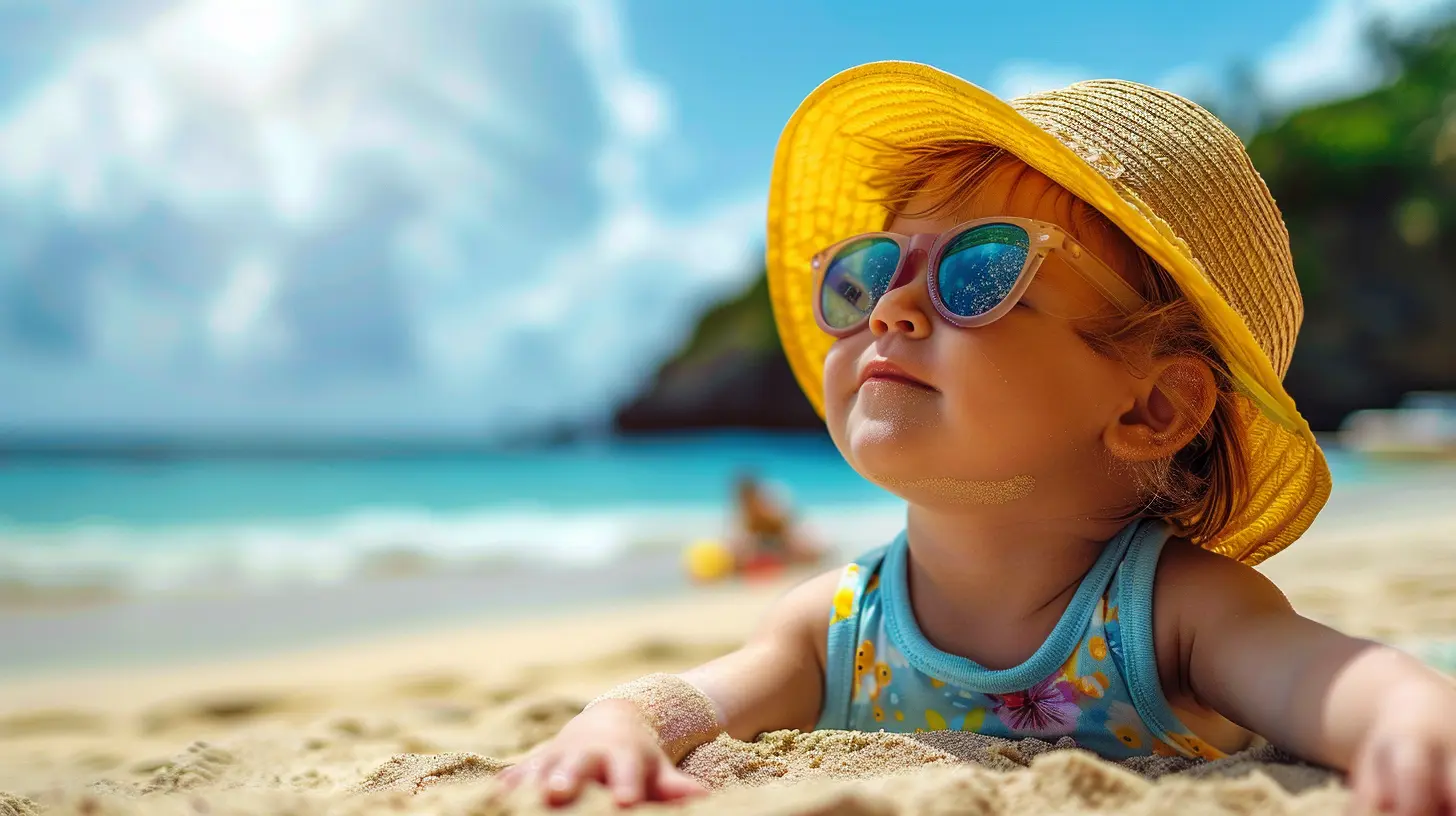
The Science of Sunshine: What Are UV Rays, Really?
Think of sunlight as a smoothie—it’s got all sorts of ingredients. Some are great (like Vitamin D), and others, like UV rays, are the sneaky additives that can do harm over time. UV radiation comes in two main flavors:- UVA: These rays cause aging (A for aging sounds about right). They penetrate deep and quietly mess with the skin’s elasticity and DNA.
- UVB: These are the culprits behind sunburns (B for burn). They’re more intense and directly damage the surface of the skin.
Babies and toddlers soak up more UV radiation per minute outdoors than adults, mostly because they’re usually out and about during peak sunlight hours—and often, less protected.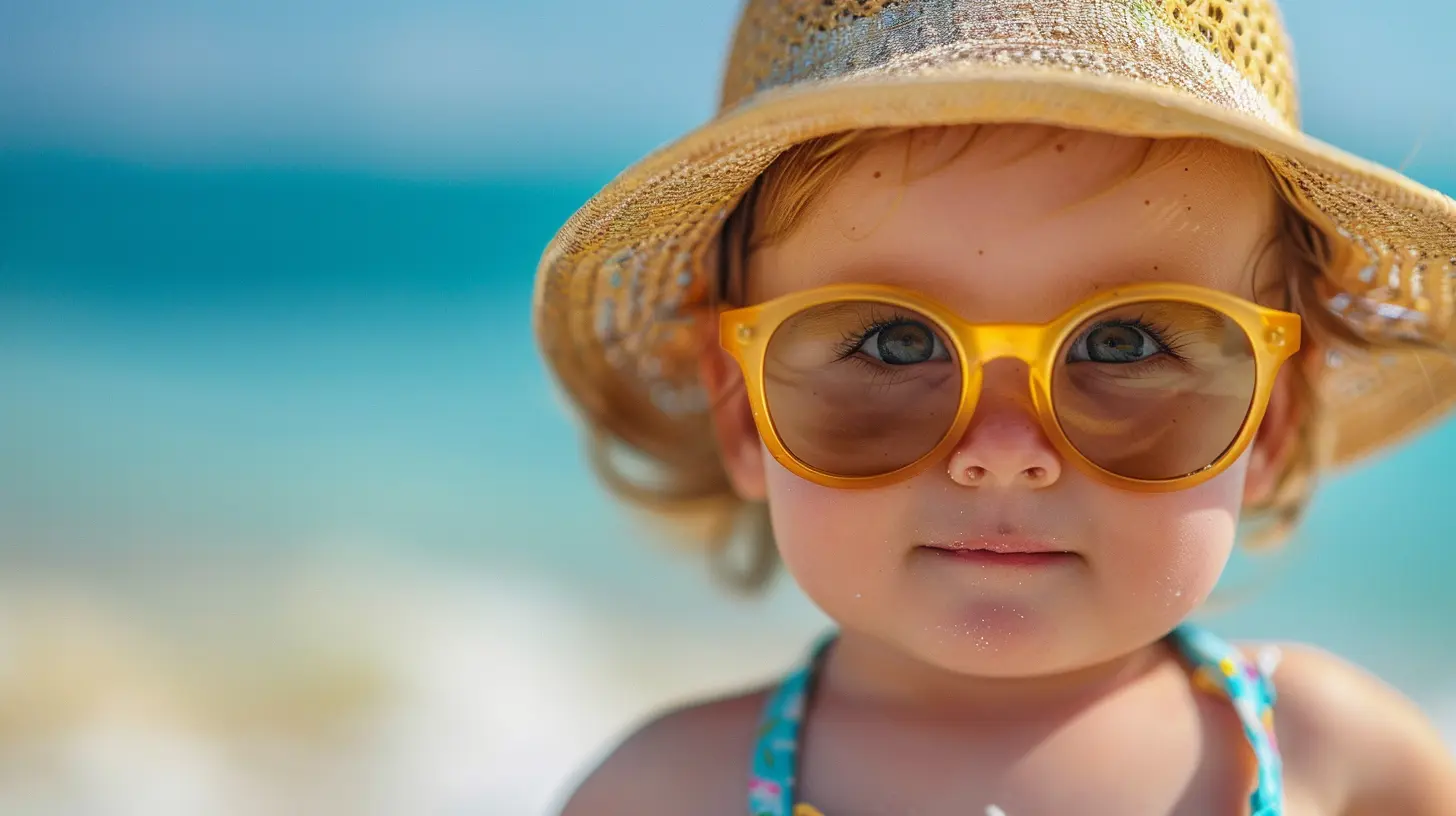
When Is the Sun Most Dangerous?
Ever heard the phrase “mad dogs and Englishmen go out in the midday sun?” There’s truth there. The sun is strongest between 10 a.m. and 4 p.m., and that goes double in warmer months. During this time, the UV index is at its peak. It’s like stepping into the ring with a heavyweight—don’t do it unless you’re fully prepped.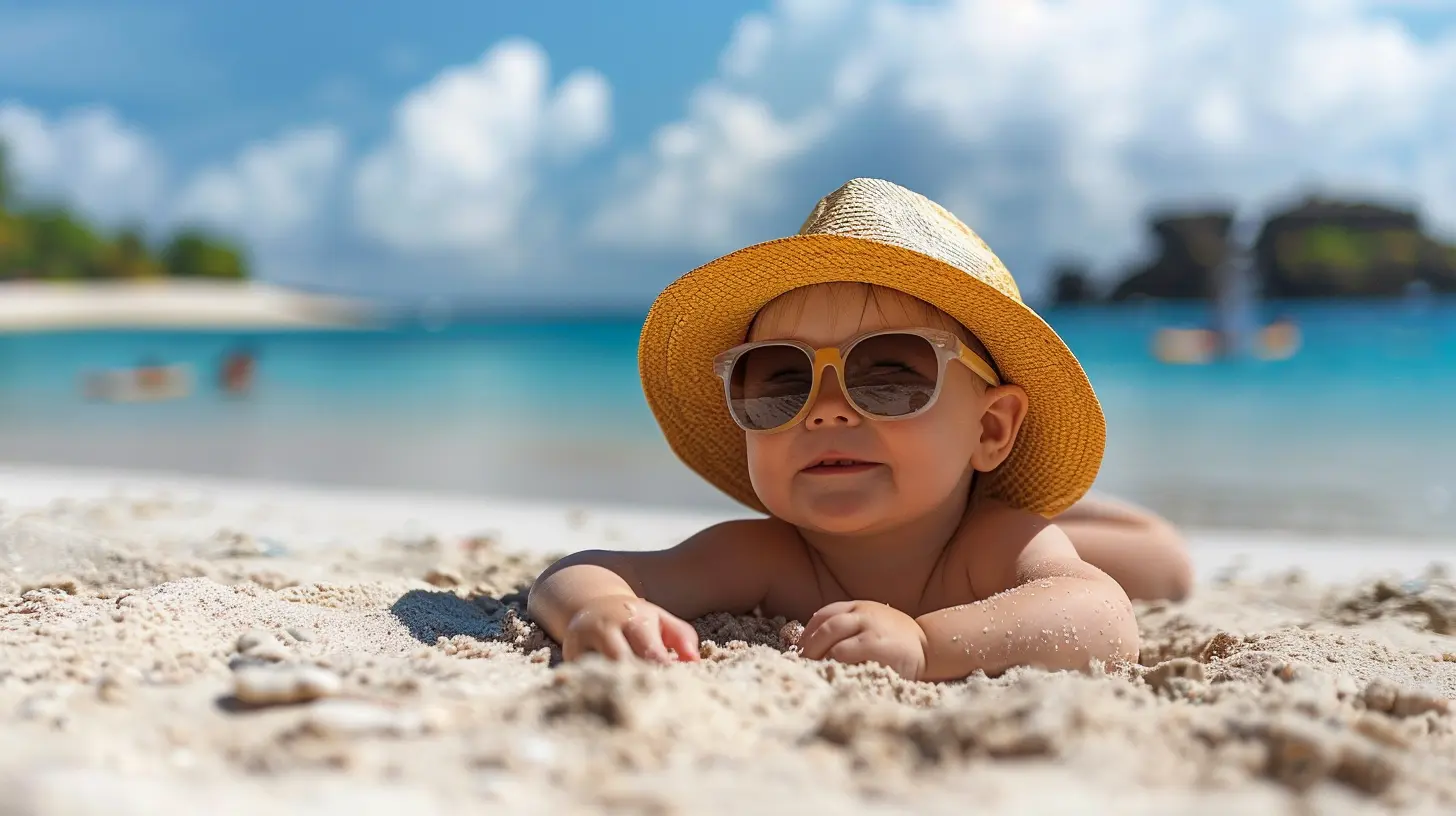
Signs of Sunburn in Babies and Toddlers
Sunburn in babies might not look like a red comic-book zap mark. It could show up as:- Flushed cheeks
- Fussiness or crying over being touched
- Warm skin
- Mild swelling
- Blisters (in serious cases)
But here's the kicker: babies under 6 months shouldn't be getting sunburned at all. Their skin is so sensitive, they shouldn’t even be in direct sunlight. Period.
Sun Protection Strategies: What Every Parent Should Know
1. Shade is King
Start with the basics: keep babies in the shade as much as humanly possible. Use the hood on the stroller, set up a sun tent at the beach, or chill under a leafy tree. Shade doesn’t block all UV rays, but it drastically cuts down exposure.2. Clothing Talks—Louder Than Sunscreen
Lightweight, long-sleeved shirts, pants, and wide-brimmed hats are your secret weapons. Fabrics with an Ultraviolet Protection Factor (UPF) are the MVPs here. A UPF of 50 blocks about 98% of UV rays. That’s like giving your baby a hug made of safety.3. Sunglasses Aren’t Just Cool—They’re Critical
Baby eyes are still developing. UV rays can harm their lens and retina, increasing the risk of cataracts later in life. So, if your little one will keep them on, go for UV-blocking baby sunglasses. (Bonus: they look ridiculously adorable.)4. Sunscreen: The Right Kind, The Right Time
For babies under six months, sunscreen is a no-go unless you have no other choice and there’s a small area exposed (like the back of the hands). For babies over six months, choose these types:- Mineral-based (physical) sunscreens with zinc oxide or titanium dioxide
- Broad-spectrum (this means it blocks both UVA and UVB)
- At least SPF 30
Always do a patch test on a small area of their skin before slathering it on. Reapply every two hours—or more if they’re sweating, swimming, or drooling buckets (which, let’s be honest, is every day).
Common Mistakes We All Make (and How to Avoid Them)
- Oops! Forgot the ears and feet!Ears, necks, and the tops of feet are some of the most commonly forgotten spots. Don’t skip them. Also, lips need protection too—there are baby-safe lip balms with SPF.
- Assuming babies are safe indoors.
UV rays can come through windows, especially in cars and at home. Window shades or UV-filtering films can help.
- Using adult sunscreen on babies.
Don’t do it. Adult formulas might have harsh chemicals, strong fragrances, or alcohols that irritate baby skin.
What About Vitamin D?
Yes, babies need Vitamin D. And yes, the sun helps our bodies make it. But there are safer ways to make sure your baby gets enough—like Vitamin D supplements recommended by your pediatrician. Those brief moments in indirect sunlight during daily activities? They’re usually enough, without needing to expose baby’s skin directly.Babies With Sensitive Skin: Extra Precautions
If your baby has eczema, allergies, or extra-sensitive skin, sun protection takes on a new level. Use:- Fragrance-free, hypoallergenic sunscreens
- Breathable, soft fabrics
- Extra shade—think parasols and pop-up sun tents
And always speak to your pediatrician about specific recommendations tailored to your child.
Toddlers on the Move: Sun Safety on the Go
Toddlers are pint-sized explorers. And explorers don’t care about sunburns—they care about puddles, bugs, and shiny rocks. So, your sun protection routine needs to be:- Quick – Think spray-on mineral sunscreens (spray on your hand first, then rub on your toddler).
- Fun – Let them pick their sun hat, apply sunscreen with a silly face, or pretend you’re getting them ready for a spacewalk.
- Consistent – Make it part of the getting-dressed routine, like brushing teeth or putting on socks.
Traveling? Don’t Skip Sun Safety
Whether it’s a trip to Grandma’s or a tropical getaway, the sun exposure game changes depending on where you go. Closer to the equator? UV rays are stronger. Higher altitudes? More exposure. Different time zones? The sun’s peak hours shift. So do a little homework and keep your sun protection kit packed and ready always.The Long Game: Creating Lifelong Habits
Teaching your child sun safety from the get-go is like planting a seed that grows into a lifelong habit. When they imitate you putting on sunscreen, or when they grab their sunhat before heading out—that’s the start of something powerful.We’re not just shielding them from sunburns now. We’re protecting their future selves from wrinkles, spots, and serious illnesses. We’re teaching them to respect their bodies and take control of their health—one sunny day at a time.
Recap: Your Sun Safety Checklist
- ☀️ Babies under 6 months: No direct sun, no sunscreen unless necessary- ⛱️ Use shade, hats, and UPF clothing always
- 🧴 For older babies and toddlers: Broad-spectrum, mineral SPF 30+ sunscreen
- 🕶️ Don’t forget baby sunglasses
- 💦 Reapply sunscreen every 2 hours—or more if swimming
- 🚗 Watch out for UV exposure indoors and in cars
- 💊 Use supplements for Vitamin D, not sun exposure
Final Thoughts: A Hug in the Form of Protection
At the end of the day, protecting your baby from the sun isn’t about fear—it’s about love. It’s about being aware, being prepared, and being proactive. Think of it as wrapping your child in an invisible blanket of safety.So the next time you step outside with your little one, take a moment. Look at the sunshine and smile—because you’ve got this. You’re not just raising a sun-kissed kid—you’re raising a sun-smart one.
all images in this post were generated using AI tools
Category:
Sun ProtectionAuthor:

Angelo McGillivray
Discussion
rate this article
2 comments
Zeth Forbes
Oh sure, let’s just let our little sun snacks roast in the rays! Who cares about sunscreen when you can achieve that perfect lobster look? After all, nothing says “healthy childhood” like a little sunburn and a side of regret, right? 🌞🦞
April 7, 2026 at 4:10 AM
Angelo McGillivray
Sun safety is crucial for young skin. A little prevention now can save a lot of regret later. Let's protect those little ones from harmful rays.
Bella McCarron
Shield their delicate skin; the sun hides secrets untold.
April 5, 2026 at 5:02 AM
Angelo McGillivray
Absolutely, protecting their skin is crucial. The sun can be harsh, especially on little ones.