The Influence of Chronic Conditions on Sleep Disorders
9 June 2026
Have you ever found yourself tossing and turning at night, unable to drift into a peaceful slumber? If so, you’re not alone. Millions of people struggle with sleep disorders, and chronic health conditions often play a major role in these restless nights. But why does this happen? And more importantly, what can we do about it?
Let’s dive into the intricate relationship between chronic conditions and sleep disorders and uncover how these health issues can rob us of quality rest.
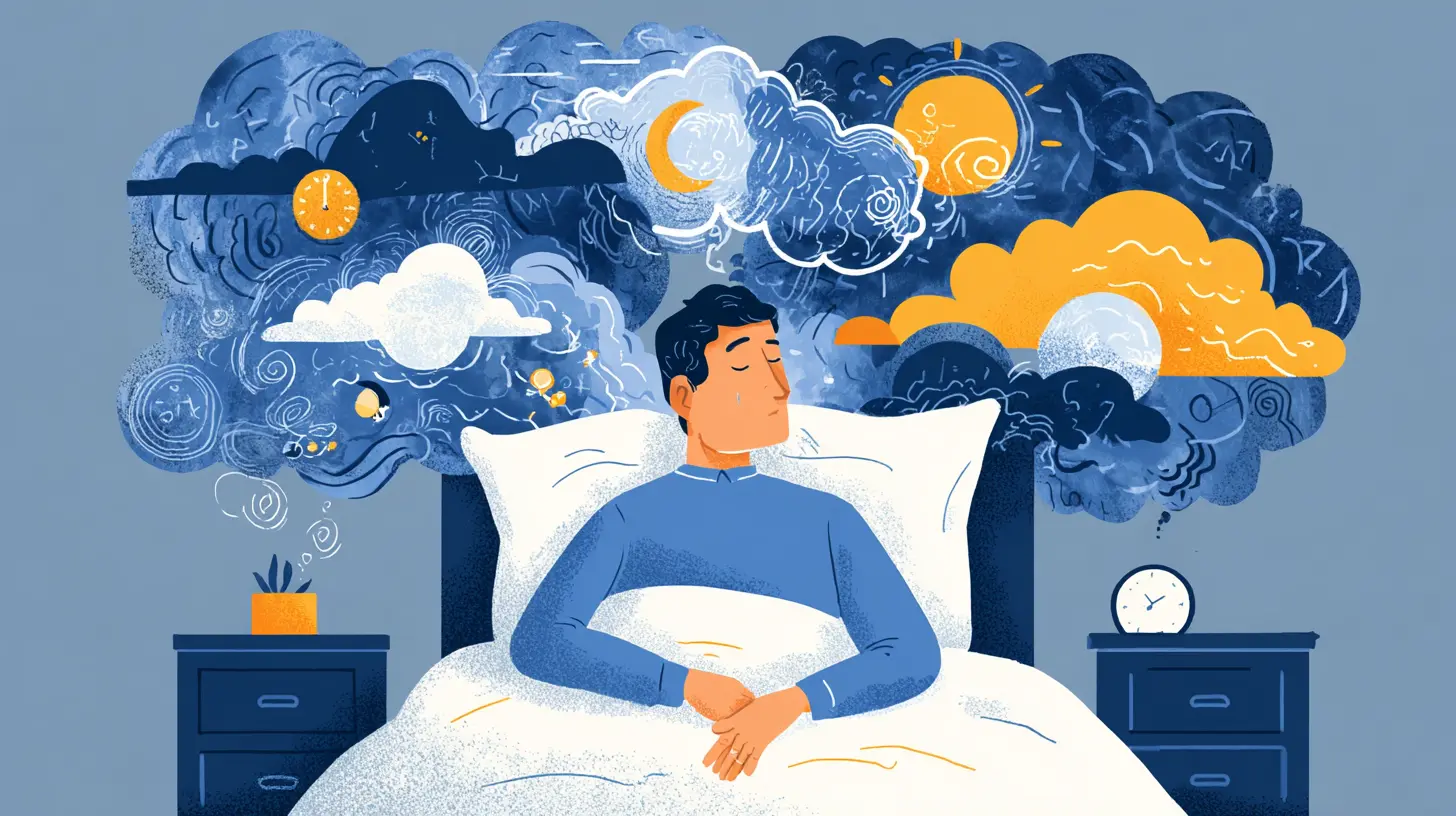
How Chronic Conditions Disrupt Sleep
Chronic illnesses don’t just affect your daily life—they can wreak havoc on your nights too! Many conditions cause pain, discomfort, breathing issues, or even anxiety, making it tough to fall and stay asleep. When your body is constantly fighting a health issue, rest often takes a backseat.
1. Chronic Pain and Sleep Disorders
Pain and sleep are like oil and water—they just don’t mix well. If you’ve ever had a bad back, arthritis, or migraines, you know how hard it is to get comfortable at night.- Conditions like arthritis, fibromyalgia, and back pain create persistent discomfort, making it difficult to find a sleeping position that doesn’t trigger pain.
- Sleep deprivation makes pain worse, creating a vicious cycle—poor sleep increases sensitivity to pain, and pain disrupts sleep.
- Pain medications sometimes interfere with sleep, either by causing drowsiness during the day or leading to fragmented rest at night.
2. Respiratory Issues and Sleep Struggles
If you’ve ever had a nasty cold, you’ve probably experienced the frustration of trying to breathe through a stuffy nose. Now, imagine dealing with that every night.- Asthma and COPD (Chronic Obstructive Pulmonary Disease) often worsen at night, making breathing more difficult and sleep elusive.
- Sleep apnea, a condition where breathing repeatedly stops and starts, is common in people with respiratory disorders. It can lead to extreme daytime fatigue and even serious health risks like heart disease.
- Postnasal drip and congestion from chronic sinus conditions can also lead to snoring or frequent wake-ups.
3. Diabetes and Sleep Disruptions
Blood sugar swings don’t just impact energy levels during the day—they can be a nightmare at night too.- High blood sugar levels can cause frequent urination, meaning multiple trips to the bathroom when you should be sleeping.
- Low blood sugar (hypoglycemia) can lead to night sweats, dizziness, and even nightmares, jolting you awake.
- Diabetic neuropathy, a condition that causes tingling and burning pain in the limbs, can be especially disruptive during sleep.
4. Heart Disease and Sleep Problems
Your heart works tirelessly, even when you’re asleep. But when chronic heart conditions come into play, restful sleep can become a distant dream.- Heart failure can cause shortness of breath, especially when lying down, making sleep difficult.
- Irregular heartbeats (arrhythmias) may trigger anxiety and sudden awakenings.
- Beta-blockers, a common medication for heart disease, are known to cause nightmares and insomnia in some people.
5. Mental Health Conditions and Sleep Disruptions
Anxiety, depression, and stress aren’t just emotional battles—they can severely impact sleep too.- Anxiety often keeps the mind racing, making it nearly impossible to shut off worries and fall asleep.
- Depression can lead to both insomnia and excessive sleeping, disrupting the body’s natural rhythm.
- Medications for mental health disorders, such as antidepressants, sometimes interfere with sleep patterns.
6. Gastrointestinal Disorders and Sleep Disturbances
Ever woken up in the middle of the night with heartburn? It’s an awful experience, and for those with chronic digestive conditions, it’s a frequent struggle.- Acid reflux (GERD) can flare up at night when lying down, causing discomfort and frequent awakenings.
- Irritable bowel syndrome (IBS) can lead to abdominal cramping that makes it tough to relax.
- Inflammatory bowel diseases (Crohn’s disease, ulcerative colitis) often cause pain and frequent bathroom trips that interrupt sleep.
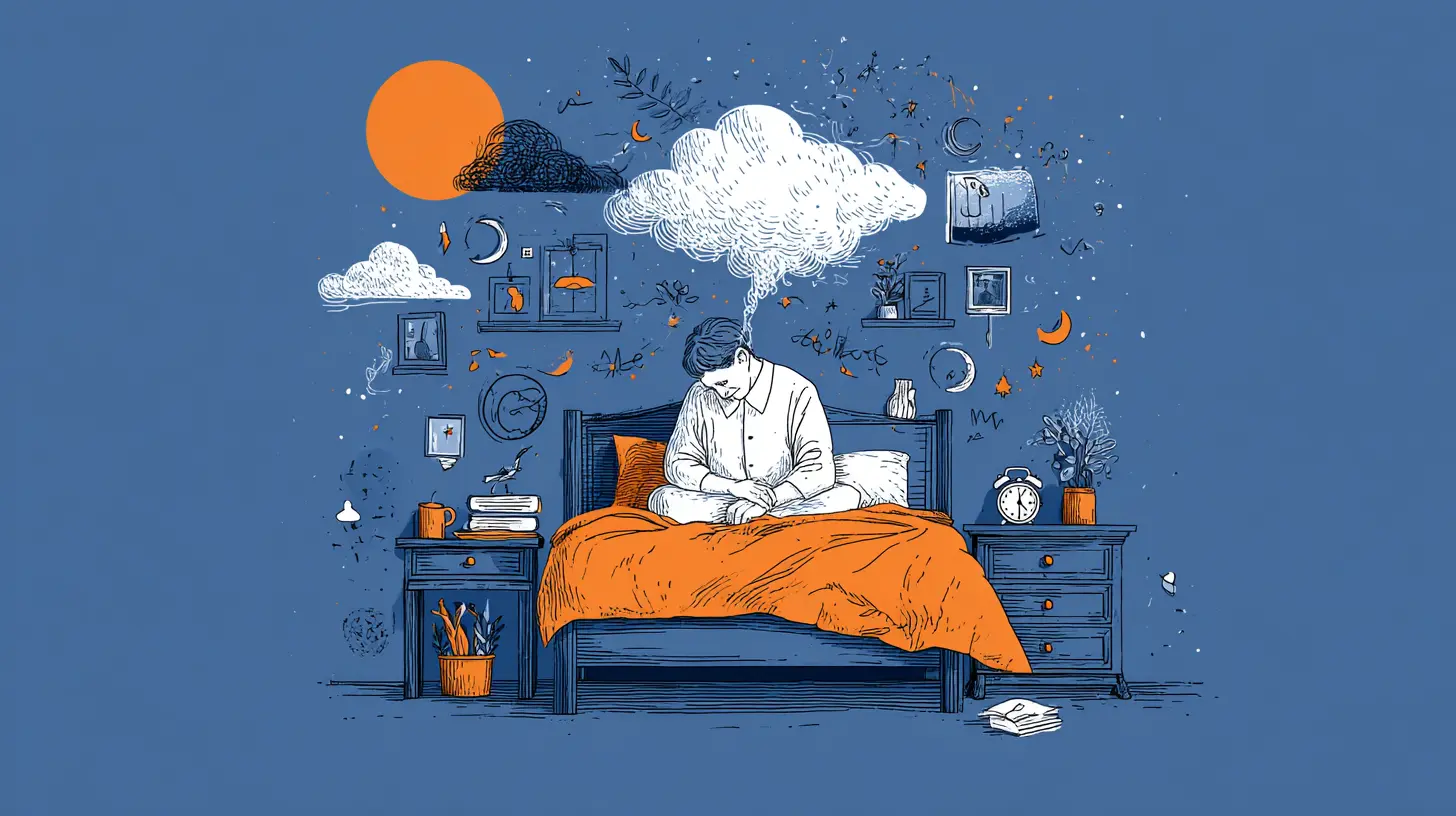
Breaking the Cycle: How to Improve Sleep with Chronic Conditions
Now that we know how chronic conditions mess with sleep, let’s talk about solutions. Just because you have a chronic illness doesn't mean you have to give up on restful nights. Here are some strategies to help you reclaim better sleep:1. Create a Sleep-Friendly Environment
- Keep your room cool, dark, and quiet to promote relaxation.- Invest in a good quality mattress that supports your body and eases pain.
- Use humidifiers or air purifiers if respiratory issues affect your sleep.
2. Stick to a Consistent Sleep Schedule
- Go to bed at the same time every night, even on weekends.- Avoid long naps, as they can make it harder to sleep at night.
3. Manage Pain Effectively
- Talk to your doctor about pain management options that don’t interfere with sleep.- Use warm baths, heating pads, or gentle stretches before bed to ease discomfort.
4. Watch Your Diet
- Avoid caffeine, spicy foods, and alcohol close to bedtime.- Try a light evening snack if hunger wakes you up at night.
5. Practice Relaxation Techniques
- Deep breathing, meditation, or gentle yoga can help calm your mind.- Try a bedtime routine that signals your body it’s time to wind down.
6. Adjust Sleeping Positions
- If acid reflux is an issue, elevate your head with an extra pillow.- For back pain, try sleeping on your side with a pillow between your knees.
7. Talk to Your Doctor
- If sleep problems persist, a healthcare provider may recommend a sleep study or adjustments to medications.- Address any underlying conditions that may be worsening your sleep disorder.

The Bottom Line
Sleep is essential for good health, but chronic conditions can make it feel like an elusive dream. However, by understanding how these illnesses impact rest and taking proactive steps, you can improve both your sleep and overall well-being.Remember, sleep isn’t just about closing your eyes—it’s about giving your body the rest it needs to heal, recharge, and take on the next day with renewed energy. So, if chronic conditions are keeping you up at night, don’t ignore the issue. Small changes can lead to big improvements when it comes to getting the sleep your body deserves.
all images in this post were generated using AI tools
Category:
Sleep DisordersAuthor:

Angelo McGillivray
Discussion
rate this article
2 comments
Opal Hunter
Chronic conditions can significantly disrupt sleep patterns. Understanding this connection is vital for managing both health issues and sleep quality. Simple lifestyle changes, like establishing a bedtime routine or seeking medical advice, can make a big difference in overall well-being.
July 28, 2026 at 3:49 AM
Angelo McGillivray
Absolutely. Recognizing the link between chronic conditions and sleep is crucial. Small changes in routine can really enhance sleep quality and overall health.
Seth Erickson
Understanding how chronic conditions affect sleep is crucial. Prioritizing sleep can transform health and overall well-being. Let's empower ourselves to find restful nights!
June 16, 2026 at 2:54 AM
Angelo McGillivray
Absolutely, prioritizing sleep is vital for managing chronic conditions. It truly can make a significant difference in health and well-being. Let's keep the conversation going on finding ways to improve sleep quality.