The Raw Food Hype: Why Cooking Isn’t the Enemy
4 November 2026
The raw food movement has gained traction in recent years, with advocates promoting the benefits of uncooked fruits, vegetables, nuts, and seeds. While many people are drawn to the idea of a raw food diet, it is essential to consider the role cooking plays in our nutrition and health. This article will delve into the merits of cooking, the misconceptions surrounding raw food diets, and the balance needed for optimal health.
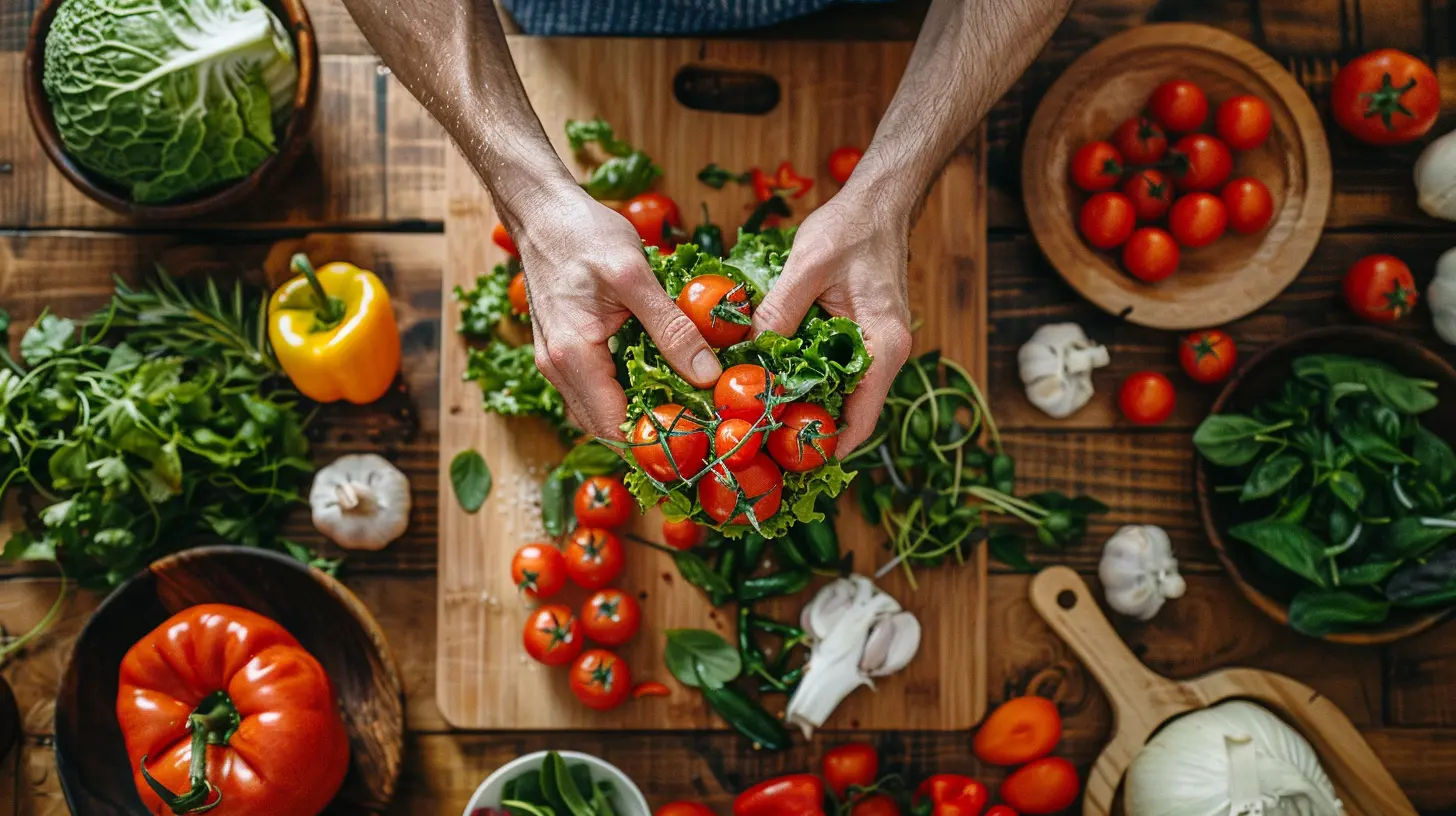
Understanding the Raw Food Movement
What is a Raw Food Diet?
A raw food diet consists of unprocessed, whole foods that have not been heated above a certain temperature, typically around 104 to 118 degrees Fahrenheit. Proponents argue that cooking destroys vital nutrients, enzymes, and natural flavors in food. They believe that consuming raw foods, which are often organic and plant-based, promotes better health, weight loss, and increased energy levels.The Allure of Raw Foods
The appeal of a raw food diet is understandable. Fresh fruits and vegetables are packed with vitamins, minerals, and fiber. The raw food movement emphasizes whole foods that are free from additives and preservatives, promoting an image of purity and health. many people report feeling more energized and vibrant after transitioning to a raw food diet. This sense of vitality can be enticing, leading individuals to believe that raw foods are the ultimate path to wellness.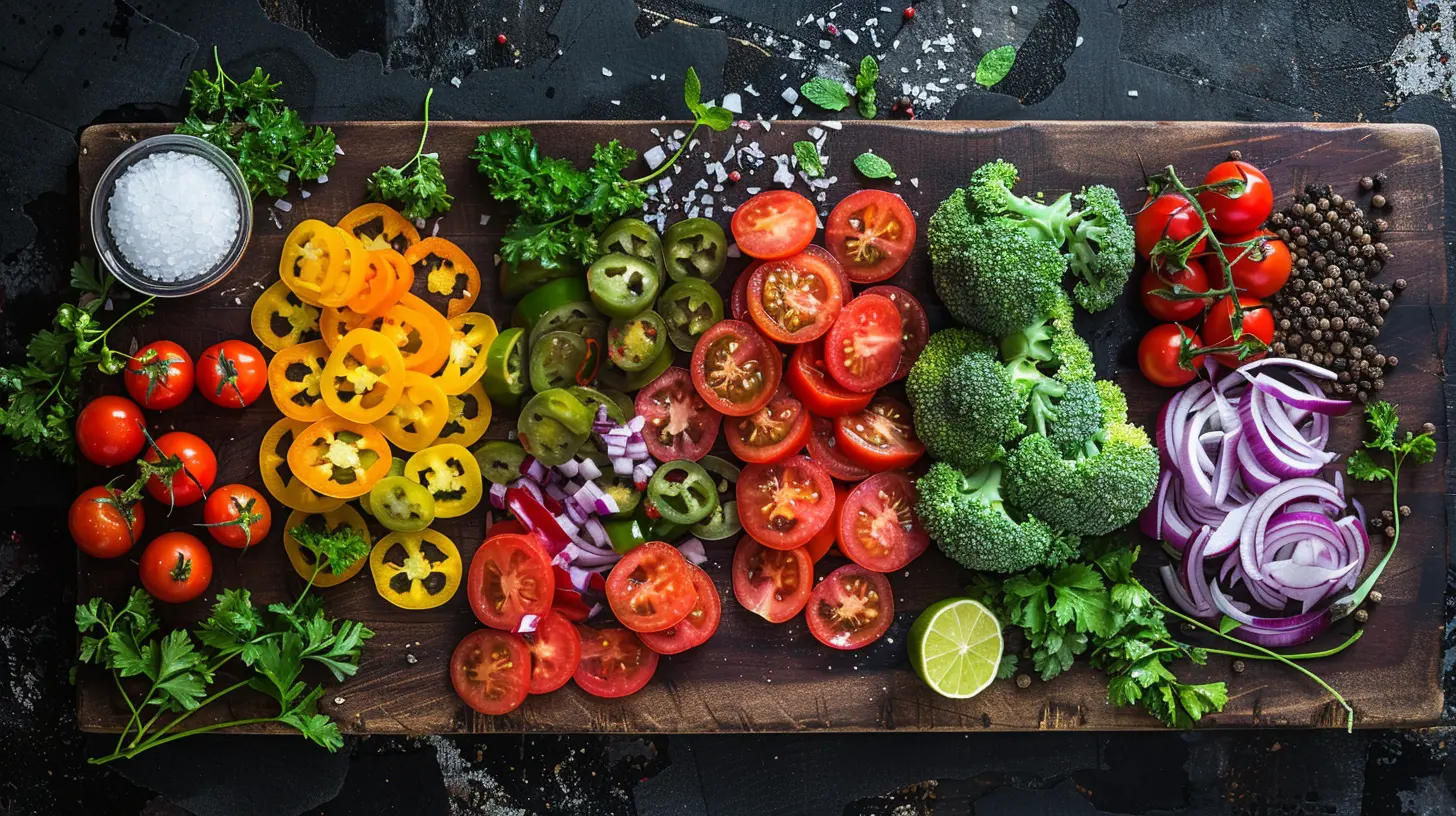
The Benefits of Cooking
Nutrient Availability
While raw foods contain valuable nutrients, cooking can enhance the availability of certain vitamins and minerals. For example, cooking tomatoes increases the levels of lycopene, a powerful antioxidant linked to reduced risk of chronic diseases. Similarly, steaming carrots makes beta-carotene more accessible to the body. In contrast, certain nutrients like vitamin C and some B vitamins do degrade with heat, but the overall nutrient profile of cooked vegetables can still be beneficial.Digestibility and Safety
Cooking can significantly improve the digestibility of foods. For instance, legumes and grains contain antinutrients like phytic acid, which can hinder nutrient absorption. Cooking these foods reduces the levels of antinutrients, allowing for better nutrient assimilation. cooking eliminates harmful bacteria and pathogens often found in raw foods, making it a safer choice, especially for those with compromised immune systems.Flavor and Satisfaction
Cooking not only enhances the taste of food but also its aroma and texture. These sensory aspects can make meals more enjoyable, leading to greater satisfaction and a more positive relationship with food. A well-cooked dish can bring out the natural sweetness of vegetables or the richness of grains, creating a more fulfilling dining experience.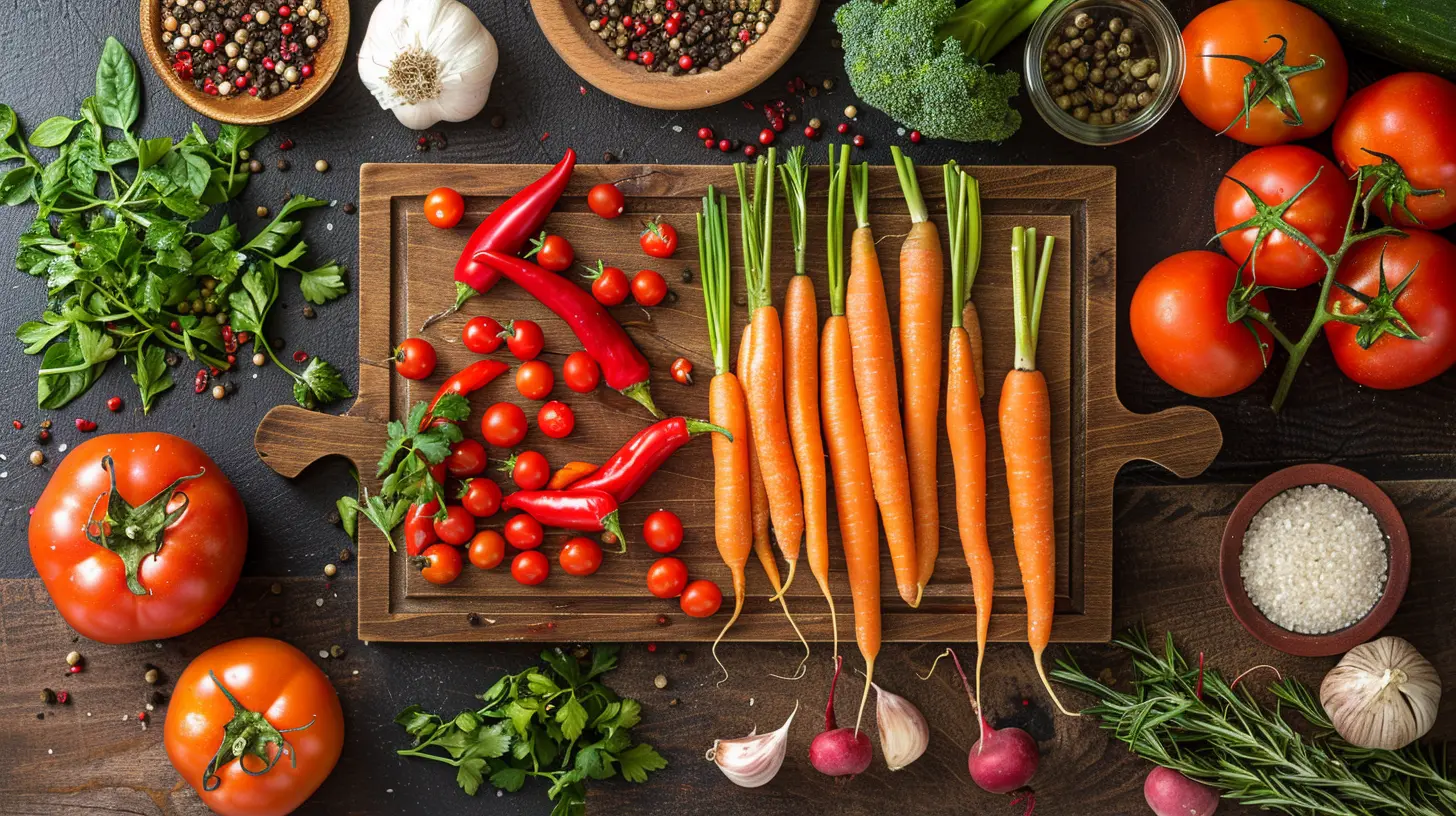
Common Misconceptions About Cooking
Cooking Destroys Nutrients
One of the most pervasive myths is that cooking universally destroys nutrients. While it is true that some nutrients are sensitive to heat, the relationship is more nuanced. Cooking can lead to nutrient losses, but it can also make others more bioavailable. The key is understanding which foods and cooking methods work best to preserve or enhance nutrient content.Raw is Always Healthier
The belief that raw foods are always healthier is a gross oversimplification. While raw foods can be nutrient-dense, they may not provide the same benefits as cooked foods. A balanced diet includes both raw and cooked foods, allowing individuals to benefit from the strengths of each approach.
Finding Balance: The Best of Both Worlds
Incorporating Raw Foods
Adding raw foods to your diet can provide a wealth of nutrients and fiber. Salads, smoothies, and fresh juices can be excellent ways to enjoy raw foods while still getting the benefits of cooked meals. Aim for a variety of colors and types of raw produce to maximize nutrient intake.Cooking Methods That Preserve Nutrients
When cooking, consider methods that preserve or enhance nutrient content. Steaming, microwaving, and sautéing with healthy fats are often better options than boiling, which can leach nutrients into the cooking water. Roasting can also enhance flavor without significantly compromising nutritional value.Listening to Your Body
The most effective diet is one that aligns with your individual needs and preferences. Pay attention to how your body responds to different foods, whether raw or cooked. Some individuals may thrive on a higher intake of raw foods, while others may find that cooked foods support their digestion and overall wellness more effectively.Real-World Examples of Balanced Diets
Mediterranean Diet
The Mediterranean diet emphasizes a balance of raw and cooked foods. It incorporates plenty of fresh fruits and vegetables, whole grains, legumes, nuts, and healthy fats like olive oil, alongside moderate amounts of fish and poultry. This approach highlights the value of both raw and cooked foods and has been associated with numerous health benefits, including reduced risk of heart disease.Asian Cuisine
Many Asian cuisines showcase the use of both raw and cooked ingredients. For example, sushi often features raw fish alongside vinegared rice and vegetables, while stir-fried dishes highlight the quick cooking of vegetables to preserve their color and crunch. This balance allows for a variety of textures and flavors, maximizing nutrition and satisfaction.
Common Mistakes to Avoid
Overemphasizing Raw Foods
One common mistake is to focus too heavily on raw foods at the expense of cooked options. While raw foods have their place, neglecting cooked foods can lead to digestive discomfort and nutrient deficiencies. Strive for balance rather than rigid adherence to one approach.Ignoring Personal Needs
Not everyone thrives on the same diet. What works for one person may not work for another. Factors like age, activity level, health conditions, and individual preferences should guide dietary choices. Be open to adjusting your diet as needed to find what makes you feel your best.Relying on Processed Raw Foods
The rise of processed raw food products can be misleading. Many packaged raw foods, while marketed as healthy, are often high in sugars, unhealthy fats, and preservatives. Focus on whole, unprocessed foods to get the most benefits from a raw food approach.Best Practices for a Healthy Diet
Embrace Variety
Aim for a diverse diet that includes a wide range of foods, both raw and cooked. This variety will help you obtain a broader spectrum of nutrients and keep meals interesting. Experiment with different fruits, vegetables, grains, and proteins to find enjoyable combinations.Prioritize Whole Foods
Whenever possible, choose whole, minimally processed foods. Whole foods are typically more nutrient-dense compared to their processed counterparts. They also provide essential fiber and phytonutrients that support overall health.Cook with Intention
When preparing meals, choose cooking methods that enhance flavors and preserve nutrients. Steaming, roasting, and grilling can elevate the taste of vegetables and proteins while maintaining their nutritional value. Pay attention to cooking times and temperatures to avoid overcooking.Stay Hydrated
No matter your dietary choices, hydration is crucial for health. Drinking enough water supports digestion, nutrient absorption, and overall well-being. Incorporate hydrating foods, such as fruits and vegetables, into your meals, and consider herbal teas for additional health benefits.
Conclusion
The raw food hype often overlooks the significant advantages cooking can bring to our diets. While raw foods are undeniably nutritious, cooking plays an essential role in enhancing nutrient availability, improving digestibility, and providing satisfying flavors. A balanced approach that incorporates both raw and cooked foods can lead to optimal health and well-being.By honoring the benefits of both dietary practices, individuals can create a personalized nutrition plan that supports their unique health goals. Embrace variety, prioritize whole foods, and enjoy the art of cooking, knowing that it is not the enemy but rather a valuable ally in your journey toward better health.
all images in this post were generated using AI tools
Category:
Nutrition MythsAuthor:

Angelo McGillivray

