The Relationship Between Posture and Chronic Pain
21 February 2026
Have you ever noticed how your body feels after a long day hunching over your desk or staring down at your phone? That nagging backache, the stiff neck, or even those random headaches—yeah, those might all be linked to your posture.
It turns out that the way we sit, stand, and even walk can have a massive impact on chronic pain. And let’s be real, most of us have some pretty questionable posture habits (thanks, technology). But don’t worry—fixing your posture doesn’t mean you have to walk around like a robot. Let’s break it down and see how posture and pain are connected, and more importantly, what you can do about it. 
Why Posture Matters More Than You Think
Posture isn’t just about looking confident or sitting up straight because your mom said so. It’s the foundation of how your muscles, bones, and joints support your body. Good posture means keeping everything aligned so that no single muscle or joint is under too much strain.But when we slouch or sit awkwardly for long periods, we put extra pressure on certain muscles, leading to imbalances. Over time, these imbalances can result in chronic pain. And the worst part? Most of us don’t even realize it’s happening! 
How Poor Posture Leads to Chronic Pain
So, what exactly happens to your body when your posture isn’t great? Let’s break it down.1. Neck and Shoulder Pain
Ever heard of "tech neck"? It's that lovely gift we get from constantly looking down at our phones or laptops. When your head is tilted forward, your neck muscles have to work harder to support it. This strain can cause tightness, stiffness, and eventually, chronic pain.2. Back Pain
Poor posture and back pain go hand in hand. Slouching while sitting or standing puts too much stress on your spine, especially the lower back. Over time, this can lead to herniated discs, muscle tightness, and even long-term spinal issues.3. Hip and Knee Pain
Believe it or not, your posture even affects your hips and knees. When you stand unevenly—maybe leaning on one leg or arching your back too much—you create an imbalance in your lower body. Over time, this can lead to joint pain, mobility issues, and even conditions like arthritis.4. Headaches
Bad posture can lead to tension headaches. When your neck and shoulders are constantly tight from hunching forward, they put pressure on nerves and blood vessels leading to your head. The result? Those annoying, pounding headaches that seem to have no clear cause.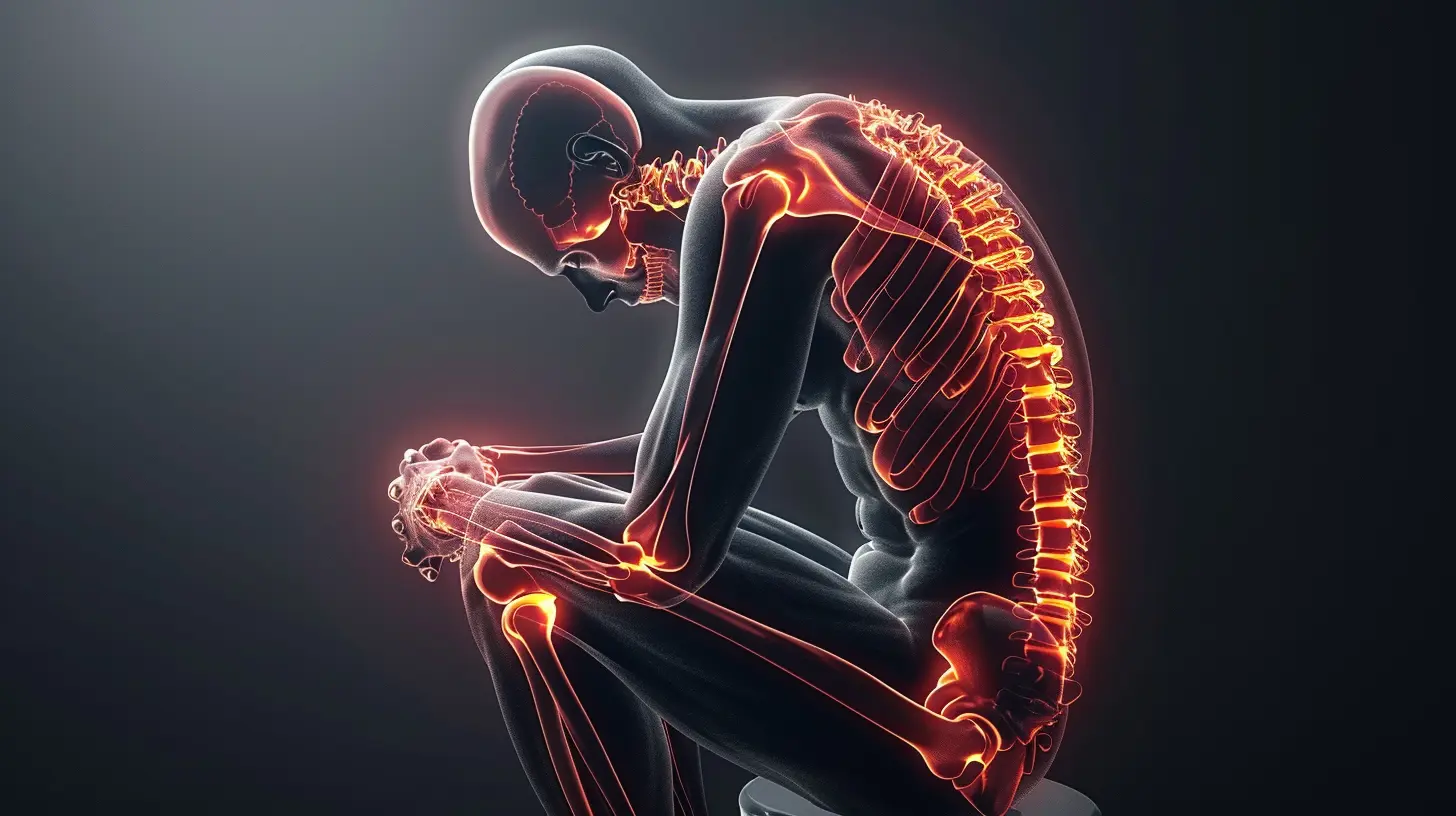
Signs Your Posture Might Be Hurting You
Not sure if your posture is to blame for your aches and pains? Here are some telltale signs that your posture needs some serious attention:✅ Chronic neck or back pain that gets worse when sitting for long periods
✅ Frequent headaches or migraines
✅ Rounded shoulders or a protruding head when standing
✅ Uneven weight distribution when you stand or walk
✅ Stiffness in your lower back or hips
Recognizing these red flags early can save you a lot of discomfort down the road! 
The Good News: You Can Fix Your Posture!
The best part? It’s never too late to improve your posture and reduce chronic pain. Here’s how you can start making changes today.1. Be Mindful of Your Posture
The first step is simply paying attention to how you sit, stand, and move throughout the day. Try this:- When sitting, keep your feet flat on the floor, shoulders relaxed, and back straight.
- When standing, imagine a string pulling you upward from the top of your head—this helps keep your spine aligned.
2. Adjust Your Work Setup
If you spend hours at a desk, make sure your workspace is posture-friendly:- Keep your screen at eye level so you don’t have to look down.
- Use a chair with proper back support.
- Keep your elbows at a 90-degree angle when typing.
3. Strengthen Your Core and Back Muscles
Strong core muscles help support your spine and maintain good posture effortlessly. Try incorporating these exercises:- Planks: Great for core stability.
- Bridges: Strengthen your lower back and glutes.
- Rows: Helps counteract the effects of slouching by strengthening your upper back.
4. Stretch It Out
Tight muscles are a major contributor to poor posture and pain. Regular stretching can help loosen up those stiff areas:- Chest stretches: Open up tight shoulders.
- Neck stretches: Release tension from tech neck.
- Hamstring stretches: Prevent lower back strain.
5. Take Breaks and Move
Sitting for too long—even with good posture—isn’t great for you. Stand up, stretch, and move around every 30-60 minutes. Your body will thank you!6. Consider Professional Help
Sometimes, a little expert guidance goes a long way. A chiropractor, physical therapist, or even a personal trainer can help you correct your posture and relieve chronic pain.The Mind-Body Connection: How Posture Affects More Than Just Pain
Believe it or not, posture doesn’t just affect your physical health—it can also impact your mood and confidence. Ever noticed how standing tall makes you feel more powerful and confident? That’s because posture influences your brain’s perception of your own strength and energy.On the flip side, slouching can make you feel more sluggish and anxious. So, by improving your posture, you’re not just easing pain—you’re boosting your mental well-being too!
Final Thoughts
Your posture plays a bigger role in your overall health than you might think. Chronic pain and discomfort often have a sneaky culprit—how you carry yourself every day. The good news? Small changes add up, and by being mindful of your posture, strengthening key muscles, and making ergonomic adjustments, you can minimize pain and feel your best.So, the next time you catch yourself slouching, straighten up! Your body (and future self) will thank you.
all images in this post were generated using AI tools
Category:
Chronic PainAuthor:

Angelo McGillivray
Discussion
rate this article
2 comments
Nyx Snyder
Understanding posture transformed my pain relief journey. Thank you for sharing!
March 2, 2026 at 4:48 AM
Angelo McGillivray
Thank you for your kind words! I'm glad to hear that understanding posture has helped you. Wishing you continued relief on your journey!
Zyana Wilcox
Thank you for this insightful article! It's a crucial reminder of how our posture affects overall health and chronic pain management.
February 25, 2026 at 3:28 AM
Angelo McGillivray
Thank you for your kind words! I'm glad you found the article helpful. Proper posture is indeed vital for our health!