The Role of Hydration in Cognitive Clarity
6 August 2026
Water is one of the most basic yet powerful elements affecting our brain function. We all know staying hydrated is essential for overall health, but have you ever considered how it impacts your mental clarity? Your brain is about 75% water, and even minor dehydration can cause sluggish thinking, brain fog, and difficulty focusing.
In this post, we’ll dive deep into the connection between hydration and cognitive function. How does water keep your brain sharp? What happens when you don’t drink enough? And what are the best ways to stay hydrated? Let’s break it down.
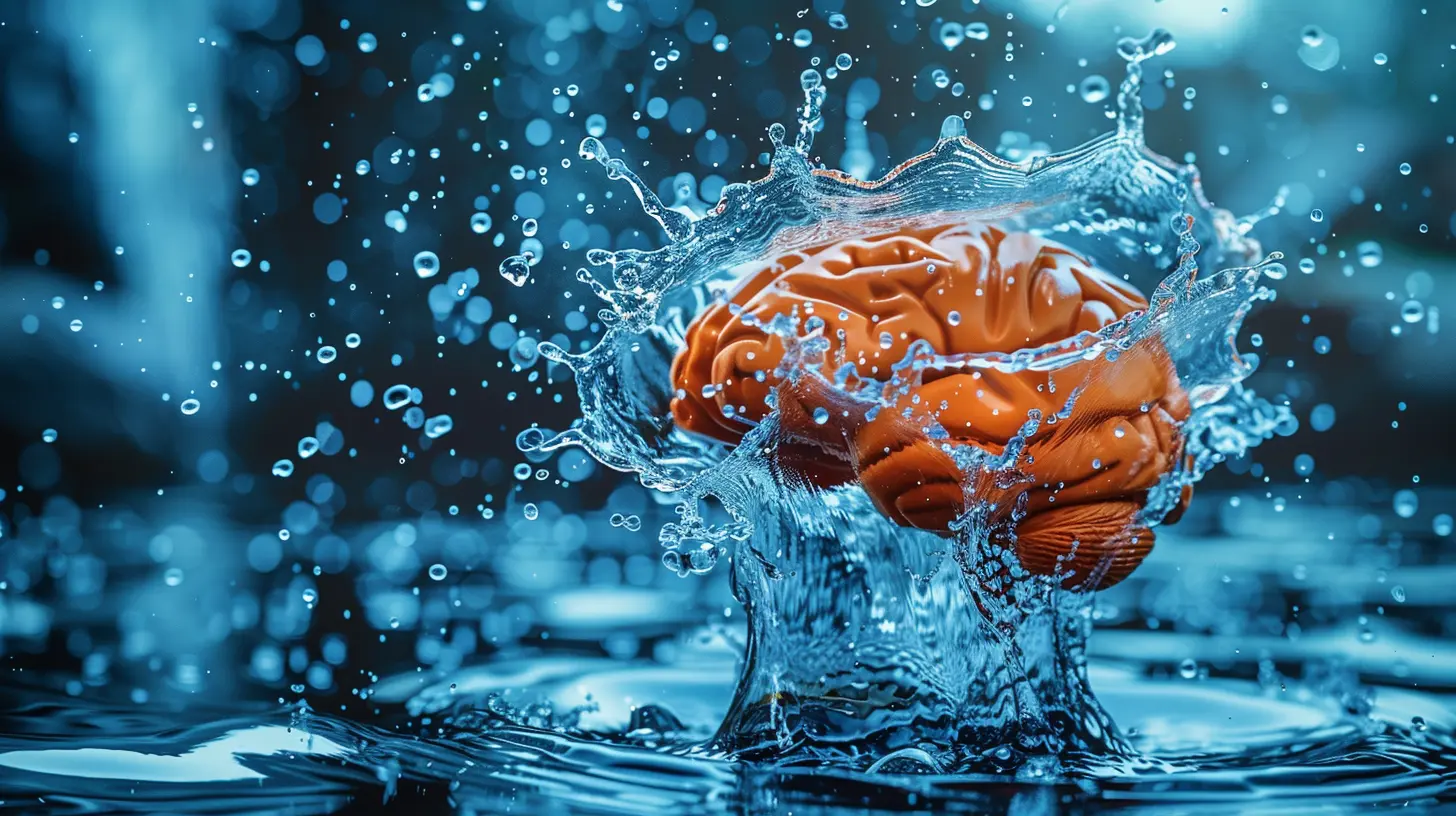
Why Hydration Matters for Your Brain
Your brain is like a high-performance engine—without enough fuel (water), it doesn’t run efficiently. Water plays a crucial role in:- Delivering nutrients: Water helps transport essential nutrients to brain cells, keeping them functioning properly.
- Flushing out toxins: Proper hydration removes waste and toxins that can slow down brain function.
- Regulating temperature: Your brain generates heat, and water helps keep it cool, preventing overheating that can cause mental fatigue.
- Maintaining neurotransmitter balance: Water supports the production of neurotransmitters like dopamine and serotonin, which impact mood and focus.
Without enough water, these functions start to fail, leading to sluggish thinking and a lack of mental clarity.

The Effects of Dehydration on Cognitive Function
Dehydration doesn’t just make you thirsty—it has a direct impact on how well you think. Even mild dehydration (as little as 1-2% body water loss) can lead to:1. Brain Fog and Lack of Focus
Ever feel like your brain is in a haze? That’s brain fog, and dehydration is a major culprit. When you don’t drink enough water, your brain cells shrink slightly, making communication between them slower. As a result, concentration, problem-solving, and decision-making take a hit.2. Memory Issues
Your ability to recall information depends on proper hydration. Studies have shown that even minor dehydration can impair short-term memory. If you’ve ever walked into a room and immediately forgotten why you’re there, dehydration might be to blame.3. Increased Fatigue and Irritability
Your body relies on water for energy production. When you’re dehydrated, your energy levels drop, making you feel tired and sluggish. This often leads to mood swings, making you more irritable and less patient.4. Slower Reaction Time
Dehydration can affect hand-eye coordination and reflexes because it impairs brain signaling. This is especially dangerous if you’re driving, operating machinery, or engaging in activities that require quick thinking.5. Headaches and Dizziness
Ever get that dull headache in the afternoon? Dehydration often triggers headaches because it reduces the brain’s fluid levels, causing it to contract slightly away from the skull. Many migraines are also linked to dehydration.
How Much Water Do You Really Need?
You’ve probably heard the “8 glasses a day” rule. While that’s a decent guideline, hydration needs vary based on age, weight, activity level, and climate. A better approach is to listen to your body. Here are some factors to consider:- Activity level: If you’re sweating from exercise, you’ll need more water.
- Climate: Hot and humid environments make you lose water faster.
- Diet: Foods like fruits and vegetables provide hydration, while caffeine and alcohol can dehydrate you.
- Body size: Larger individuals require more fluids.
A simple way to check hydration is to look at your urine. Light yellow means you’re well-hydrated, while dark yellow or amber is a sign you need more water.

Tips to Stay Hydrated for Better Brain Function
Drinking enough water sounds simple, but many of us still struggle with it. Here are some easy ways to stay on top of your hydration game:1. Start Your Day with Water
After sleeping for 7-8 hours, your body is naturally dehydrated. Drinking a glass of water first thing in the morning jumpstarts your metabolism and clears the mental cobwebs.2. Carry a Water Bottle
Having a reusable water bottle on hand makes it easier to sip throughout the day. Think of it as a mental clarity enhancer you can take anywhere.3. Eat Water-Rich Foods
Fruits like watermelon, oranges, and strawberries contain high amounts of water. Vegetables like cucumbers, celery, and lettuce are also great hydration boosters.4. Infuse Your Water for Flavor
If plain water feels boring, add lemon slices, cucumber, mint, or berries to keep things interesting.5. Set Hydration Reminders
If you forget to drink water, set alarms or use apps that remind you to hydrate.6. Drink Before You Feel Thirsty
Thirst is a late sign of dehydration. By the time you feel thirsty, your brain function is already affected, so drink regularly throughout the day.7. Limit Dehydrating Drinks
Alcohol, coffee, and sugary sodas can dehydrate you. This doesn’t mean you have to cut them out completely, but balance them with plenty of water.Can You Drink Too Much Water?
Yes, overhydration (also known as water intoxication) is real, though rare. Drinking excessive amounts of water too quickly can dilute sodium levels in your blood, leading to headaches, confusion, and in extreme cases, serious health issues. The key is balance—aim to drink consistently throughout the day rather than guzzling large amounts at once.
The Bottom Line
Your brain thrives on water. Dehydration—even mild cases—can slow thinking, reduce focus, and make you feel foggy and fatigued. Drinking enough water is one of the simplest yet most effective ways to boost cognitive clarity, improve memory, and stay sharp throughout the day.So, next time you’re struggling to concentrate or feeling mentally sluggish, don’t reach for another cup of coffee—grab a glass of water instead. Your brain will thank you!
all images in this post were generated using AI tools
Category:
Brain HealthAuthor:

Angelo McGillivray
Discussion
rate this article
1 comments
Tate Alexander
Staying hydrated is crucial for maintaining cognitive clarity. This article effectively highlights how even mild dehydration can impact our mental performance. It's a reminder that simple changes, like drinking enough water, can make a significant difference in our daily productivity.
August 6, 2026 at 2:30 PM
Angelo McGillivray
Thanks for your insightful comment! Hydration truly plays a vital role in our mental sharpness. I'm glad you found the article useful in highlighting this important connection.