The Science Behind Daily Stretching and Flexibility
20 May 2026
Ever feel like a stiff board when you wake up in the morning? Or maybe after sitting at your desk all day, you feel like the Tin Man from The Wizard of Oz—desperately in need of some oil for your joints? Well, my friend, this is where daily stretching comes to the rescue!
Stretching might seem like something we only did in gym class or before a workout, but science proves that making it a daily habit can do wonders for your body. Let’s dive into the incredible benefits of flexibility, why your muscles love a good stretch, and how you can easily integrate it into your routine. 
Why Stretching Matters
Stretching isn’t just for athletes or yoga enthusiasts—it’s essential for everyone. Whether you’re running marathons or binge-watching your favorite show, your muscles need a little TLC.When we stretch, we lengthen our muscles and tendons, improve circulation, and boost range of motion. And yes, it seriously helps with that "I feel like a pretzel" stiffness!
But here’s where it gets even more interesting—the science behind stretching is more than just loosening up muscles. It impacts your entire body, from your nervous system to your blood flow. Let’s break it down. 
The Science Behind Stretching
1. Muscle Elasticity and Flexibility
Your muscles aren’t just hunks of tissue that move your bones. They have something called muscle fibers, and these fibers contain proteins like actin and myosin that allow movement.When you stretch, you gently extend these fibers. Over time, your muscles adapt by becoming longer and more flexible. This means less stiffness and a lower risk of injuries.
Think of your muscles like a rubber band:
- If you never stretch it, it stays tight and rigid.
- If you stretch it regularly, it becomes more elastic and flexible.
And flexibility isn’t just about touching your toes—it improves everything from posture to athletic performance.
2. The Role of Fascia and Connective Tissues
Ever heard of fascia? It’s the thin layer of connective tissue that surrounds your muscles, bones, and organs. When you’re stiff, it’s often because your fascia is tight.Daily stretching keeps this tissue loose and healthy. Imagine it like the plastic wrap on food—if it's too tight, movement feels restricted. Stretching helps keep this wrap pliable, allowing for smoother, pain-free movement.
3. Improved Blood Flow and Circulation
Stretching does wonders for circulation! When you stretch, blood flow increases to your muscles, bringing oxygen and nutrients while flushing out toxins.This not only helps with muscle recovery but also reduces soreness after workouts and even improves overall energy levels. If you ever feel groggy in the morning, a good stretch session can work better than a cup of coffee!
4. Stretching and the Nervous System
Here’s where things get really cool—stretching also influences your nervous system.Your muscles have something called muscle spindles and Golgi tendon organs that send signals to your brain. When you hold a stretch, these sensors tell your nervous system to relax the tension, allowing you to stretch deeper over time.
This is why holding a stretch for at least 30 seconds is key—it gives your brain enough time to say, “Alright, we’re safe. Let’s loosen up.” 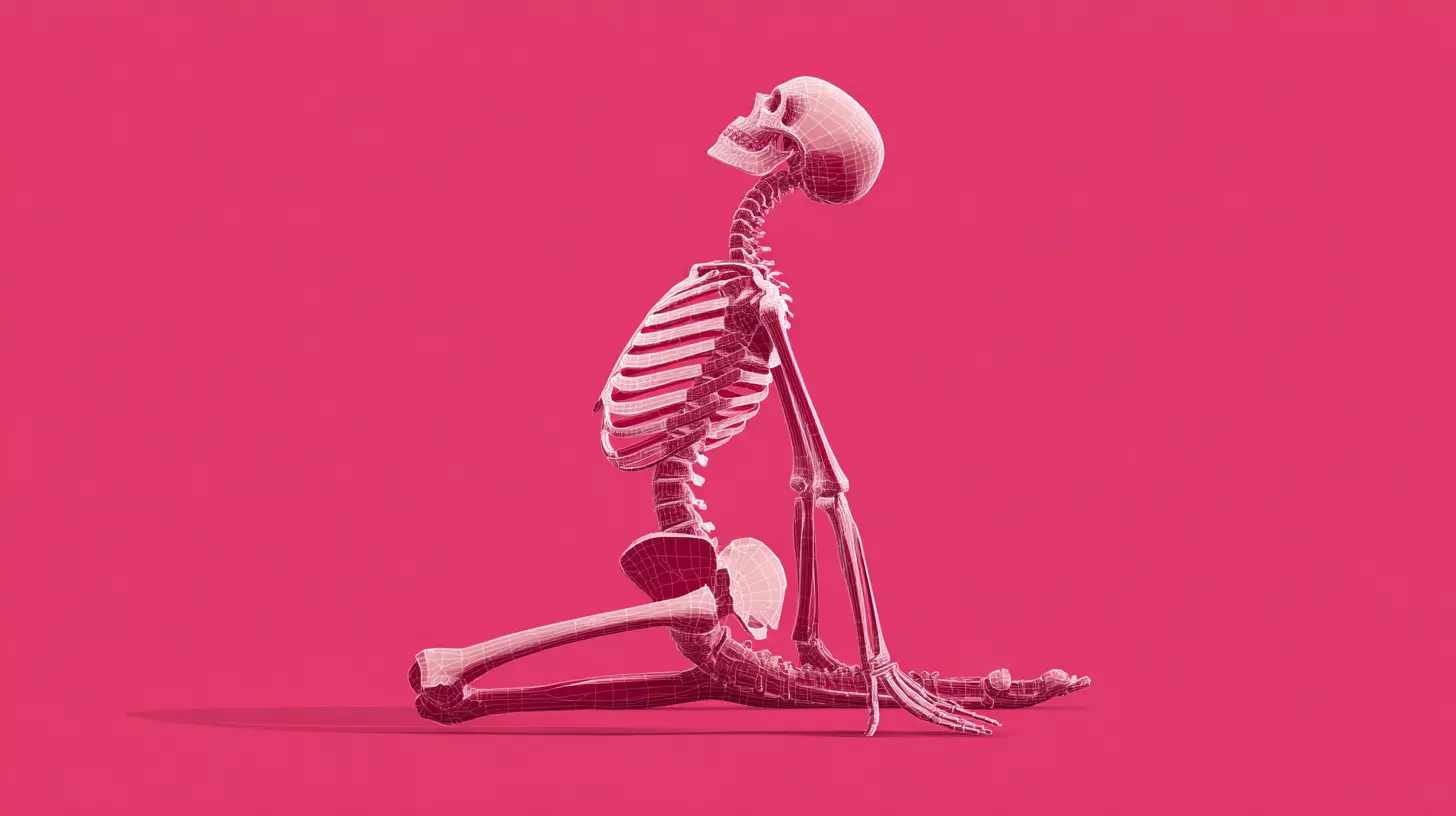
The Benefits of Daily Stretching
Okay, now that we’ve nerded out on the science, let’s talk about the real-life benefits.1. Reduces Pain and Stiffness
If you wake up feeling tight or experience back pain from sitting too much, stretching can help. It relieves tension in overworked muscles and combats stiffness caused by lack of movement.2. Improves Posture
Slouching at your desk? Stretching helps counteract bad posture by lengthening tight muscles that pull your body out of alignment. Strong, flexible muscles help your spine stay in a natural position, reducing strain and discomfort.3. Enhances Athletic Performance
Athletes swear by stretching for a reason—it improves flexibility, increases range of motion, and reduces the risk of injuries. If you’re into sports or workouts, stretching is a game-changer.4. Boosts Relaxation and Mental Clarity
Stretching isn’t just physical—it helps mentally, too! Ever noticed how stretching in yoga feels almost meditative? That’s because it triggers relaxation responses in your nervous system, helping to reduce stress and anxiety.5. Prevents Injuries
Tight muscles increase the risk of strains and sprains. Stretching regularly ensures your muscles and joints are prepared for movement, reducing the chances of painful injuries.6. Better Balance and Coordination
Flexibility plays a big role in balance. When your muscles and joints have a good range of motion, you move more smoothly and have better control over your body. Translation? Fewer accidental trips and falls!
Simple Daily Stretching Routine
Now that you’re convinced (right?!), let’s talk about how to fit stretching into your daily routine. You don’t need an hour-long yoga session—just a few minutes a day can make a world of difference.1. Morning Wake-Up Stretches
Start your day feeling energized with these simple moves:- Cat-Cow Stretch: Loosens up the spine and improves mobility.
- Standing Forward Fold: Stretches the hamstrings and lower back.
- Side Stretch: Opens up the sides of the body and improves circulation.
2. Midday Desk Stretches
If you sit all day, try these stretches to combat stiffness:- Seated Spinal Twist: Helps with lower back pain.
- Shoulder Stretch: Relieves upper body tension.
- Neck Stretch: Reduces stiffness from prolonged screen time.
3. Evening Wind-Down Stretches
Before bed, try these relaxing stretches:- Child’s Pose: A gentle full-body stretch.
- Butterfly Stretch: Opens up the hips and inner thighs.
- Knee-to-Chest Stretch: Releases lower back tension.
Stretch Smarter, Not Harder
Before you start stretching like a Cirque du Soleil performer, here are a few golden rules:- Don’t rush: Ease into each stretch and hold it for at least 30 seconds.
- Never push through pain: Stretching should feel good, not painful.
- Breathe deeply: Oxygen fuels flexibility—exhale as you deepen a stretch.
- Be consistent: A little bit of stretching every day is more effective than a long session once in a while.
Final Thoughts
Stretching isn't just a "warm-up" exercise—it's a secret weapon for a healthier, more flexible body. Whether you're aiming to touch your toes, improve posture, or just feel less stiff, daily stretching is a game-changer.So, why not take a few minutes right now to stretch? Your body (and future self) will thank you!
all images in this post were generated using AI tools
Category:
WellnessAuthor:

Angelo McGillivray
Discussion
rate this article
2 comments
Kassandra McNair
Daily stretching plays a crucial role in maintaining flexibility and overall health. It enhances blood flow, reduces injury risk, and improves posture. Integrating a few minutes of stretching into your routine can lead to long-term benefits for both physical and mental well-being.
June 4, 2026 at 4:20 PM
Angelo McGillivray
Thanks for highlighting the benefits of daily stretching. It really does make a difference in our overall health and well-being.
Corin Hurst
Great insights on stretching! It's amazing how flexibility impacts overall health. Thank you!
May 28, 2026 at 4:43 AM
Angelo McGillivray
Thanks for your kind words! I'm glad you found the insights helpful. Flexibility really does play a big role in health.