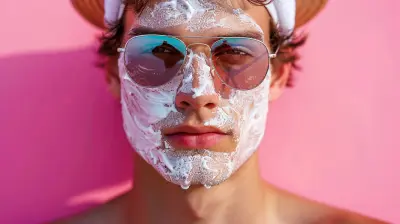
The Ultimate Guide to Choosing the Right Sunscreen for Your Skin
22 December 2025
Hey there! Let’s talk about something we ALL know we need but often overlook—sunscreen. Choosing the right sunscreen feels like one of those grocery store dilemmas: too many options, too many labels, and not enough clarity. SPF 30, SPF 50, broad-spectrum, mineral-based, water-resistant… UGH. It's like trying to decode a secret message! But don’t worry—I’ve got you covered (pun intended). In this ultimate guide, we’ll break down everything you need to know about sunscreen, so you can confidently pick the one that’s perfect for your skin.
Why Sunscreen Is a Non-Negotiable (Yes, Even on Cloudy Days)
Let’s start with the basics—why bother with sunscreen at all? Sunscreen isn’t just for sunny beach days; it’s your skin’s daily shield against harmful UV rays. The sun emits two types of ultraviolet rays: UVA and UVB.- UVA Rays: They penetrate deep into your skin and are responsible for premature aging (hello, wrinkles and dark spots).
- UVB Rays: These are the pesky ones that cause sunburns and increase your risk of skin cancer.
Even on overcast days, up to 80% of UV rays can still reach your skin. So, unless you want to invite fine lines, pigmentation, or worse—skin cancer—into your life, sunscreen is your BFF.
Types of Sunscreens: Which One Should You Choose?
When you start exploring sunscreen options, you’ll notice they fall into two main categories: chemical sunscreens and physical (mineral) sunscreens. Each has its pros and cons, so let’s break it down.1. Chemical Sunscreens
These work like a sponge, absorbing UV rays through active ingredients like avobenzone, oxybenzone, and octinoxate. They create a chemical reaction and convert UV rays into heat, which is then released from the skin.Pros:
- Lightweight and easy to apply (great for daily wear)
- Blends easily into the skin without leaving a white cast
Cons:
- Can cause irritation for sensitive skin
- Some ingredients, like oxybenzone, are controversial for potential hormone disruption or environmental concerns (coral reefs, I’m looking at you)
2. Physical (Mineral) Sunscreens
These act like a shield, sitting on the surface of your skin and reflecting UV rays. Their active ingredients are typically zinc oxide and titanium dioxide. Think of it as wearing invisible armor against the sun.Pros:
- Gentle on sensitive skin
- Offers immediate protection (no need to wait 15 minutes after applying)
Cons:
- Thicker consistency might feel heavy
- Can leave a white or chalky cast, especially on darker skin tones 
How to Choose the Right Sunscreen for Your Skin Type
Here’s the million-dollar question: Which sunscreen is right for YOU? The answer largely depends on your skin type. Let’s find out.1. Oily Skin
If your face feels like a frying pan by midday, go for lightweight, non-comedogenic sunscreens (fancy word for “won’t clog pores”). Look for mattifying formulas or gel-based sunscreens. Chemical sunscreens are often a better fit because they’re lighter and less likely to feel greasy.Pro Tip: Choose sunscreens that include ingredients like niacinamide, which can help control excess oil.
2. Dry Skin
Dry skin needs moisture, so look for sunscreens with hydrating ingredients like hyaluronic acid or glycerin. Cream-based or mineral sunscreens are great options since they often have a richer texture.Pro Tip: Avoid sunscreens with alcohol—it can dry your skin out even more!
3. Sensitive Skin
If your skin loses its cool at the slightest irritation, mineral sunscreens are your best bet. Why? They’re gentle and less likely to cause redness or stinging. Avoid sunscreens with fragrances, parabens, or chemical UV filters like oxybenzone.Pro Tip: Look for “hypoallergenic” on the label—it’s like a safety net for sensitive skin.
4. Combination Skin
The skincare struggle is real when you’re oily in some areas and dry in others. Go for lightweight, non-comedogenic formulas that strike a balance between hydration and oil control. Gel-based sunscreens work wonders here.Pro Tip: You may need to use different sunscreens for different parts of your face. (Yes, your T-zone and cheeks may need separate products!)
5. Acne-Prone Skin
If you’re battling breakouts, the last thing you need is a sunscreen that clogs your pores. Stick to non-comedogenic, oil-free options (most chemical sunscreens fit the bill). Bonus points if it contains soothing ingredients like aloe vera or green tea extract.Pro Tip: Avoid heavy, creamy formulas—they’re like a buffet for acne bacteria.
What About Sunscreen for Darker Skin Tones?
One of the biggest complaints about sunscreen is the infamous white cast. It’s a common issue with mineral sunscreens, but it doesn’t have to be! Look for tinted mineral sunscreens or chemical sunscreens that blend seamlessly into darker skin. The key is trial and error until you find one that works for you. And yes, darker skin needs sunscreen too—melanin offers some natural protection, but it’s not enough to shield against UV rays.Key Features to Look for in Your Sunscreen
Before you toss a random bottle of sunscreen into your cart, here’s a checklist of must-have features:1. SPF 30 or Higher
SPF stands for “Sun Protection Factor.” As a rule of thumb, SPF 30 blocks about 97% of UVB rays, while SPF 50 blocks 98%. Anything lower than SPF 30? Hard pass.2. Broad-Spectrum Protection
Make sure the label says “broad-spectrum,” which means it protects against both UVA and UVB rays. Think of it as a two-for-one deal.3. Water-Resistance
If you’ll be sweating or swimming, go for water-resistant sunscreens. Keep in mind, “water-resistant” doesn’t mean waterproof. You’ll need to reapply every 40–80 minutes.4. Non-Comedogenic
This is essential if you’re acne-prone or have oily skin. It ensures your sunscreen won’t block your pores.5. Skin-Friendly Ingredients
Look for sunscreens enriched with antioxidants like vitamin E or C—they help fight free radicals and boost your sun protection game.How to Apply Sunscreen Like a Pro
So you’ve chosen the perfect sunscreen—great! But here’s the catch: if you’re not applying it correctly, it won’t be as effective. Here’s how to slay your sunscreen game:1. Use the Right Amount: Most people don’t apply enough. Experts recommend using about a nickel-sized amount for your face and a shot glass worth for your body.
2. Apply It Before Sun Exposure: Chemical sunscreens need about 15 minutes to work. Mineral sunscreens, on the other hand, are good to go immediately.
3. Don’t Forget Key Spots: Pay attention to often-overlooked areas like your ears, the back of your neck, and your hands.
4. Reapply Every 2 Hours: Yes, even if your sunscreen says “long-lasting,” it’s not invincible. Reapply especially after swimming or sweating.
5. Layer It (But Smartly): Sunscreen should be the last step in your skincare routine but before makeup.
Common Sunscreen Myths (Debunked!)
1. "I Don’t Need Sunscreen Indoors."
False! UV rays can penetrate through windows, so unless you live in a cave, slap on some sunscreen.2. "One Application is Enough for the Whole Day."
Nope. Sunscreen wears off, especially if you sweat or swim. Reapply every two hours.3. "SPF 100 is Way Better than SPF 50."
Not really. The difference in protection is minimal (98% vs. 99%), so don’t let high SPF numbers fool you.Bonus: Sunscreen and Makeup—Can They Coexist?
Yes, they can! Look for makeup products with added SPF, but don’t rely on them as your only sunscreen. You can also layer sunscreen under your makeup or use a setting spray with SPF for touch-ups throughout the day.Final Thoughts
Choosing the right sunscreen might feel overwhelming at first, but once you know your skin type and understand what to look for, it’s a game-changer. Think of sunscreen as an investment in your skin’s future—protecting it today means fewer wrinkles, sunspots, and skin concerns tomorrow. So, what are you waiting for? Go find your perfect match and make sunscreen a non-negotiable part of your routine!all images in this post were generated using AI tools
Category:
Sun ProtectionAuthor:

Angelo McGillivray
Discussion
rate this article
2 comments
Uzi McMahon
Choosing the right sunscreen is essential for skin health. Look for broad-spectrum protection, at least SPF 30, and ingredients that suit your skin type. Don’t forget to reapply regularly!
January 24, 2026 at 3:29 AM
Angelo McGillivray
Thank you for highlighting these key points! Choosing the right sunscreen is indeed crucial for maintaining healthy skin.
Katie McConnell
Choosing the right sunscreen is crucial for protecting your skin from harmful UV rays. Look for broad-spectrum formulas with at least SPF 30, and consider your skin type and any specific sensitivities to find the best match.
December 30, 2025 at 4:34 AM
Angelo McGillivray
Thank you for your insightful comment! You're absolutely right—broad-spectrum protection and SPF 30 are essential for effective sun safety.