Understanding the Link Between Inflammation and Chronic Pain
9 January 2026
Chronic pain is something millions of people struggle with daily. It lingers, disrupts daily activities, and can significantly impact mental well-being. But what if I told you that inflammation might be the hidden culprit behind your long-term aches?
Inflammation is a natural response by your body to injury or illness, but when it sticks around for too long, that's where the trouble begins. Let’s break down how inflammation and chronic pain are closely connected, why it happens, and what you can do to find relief.
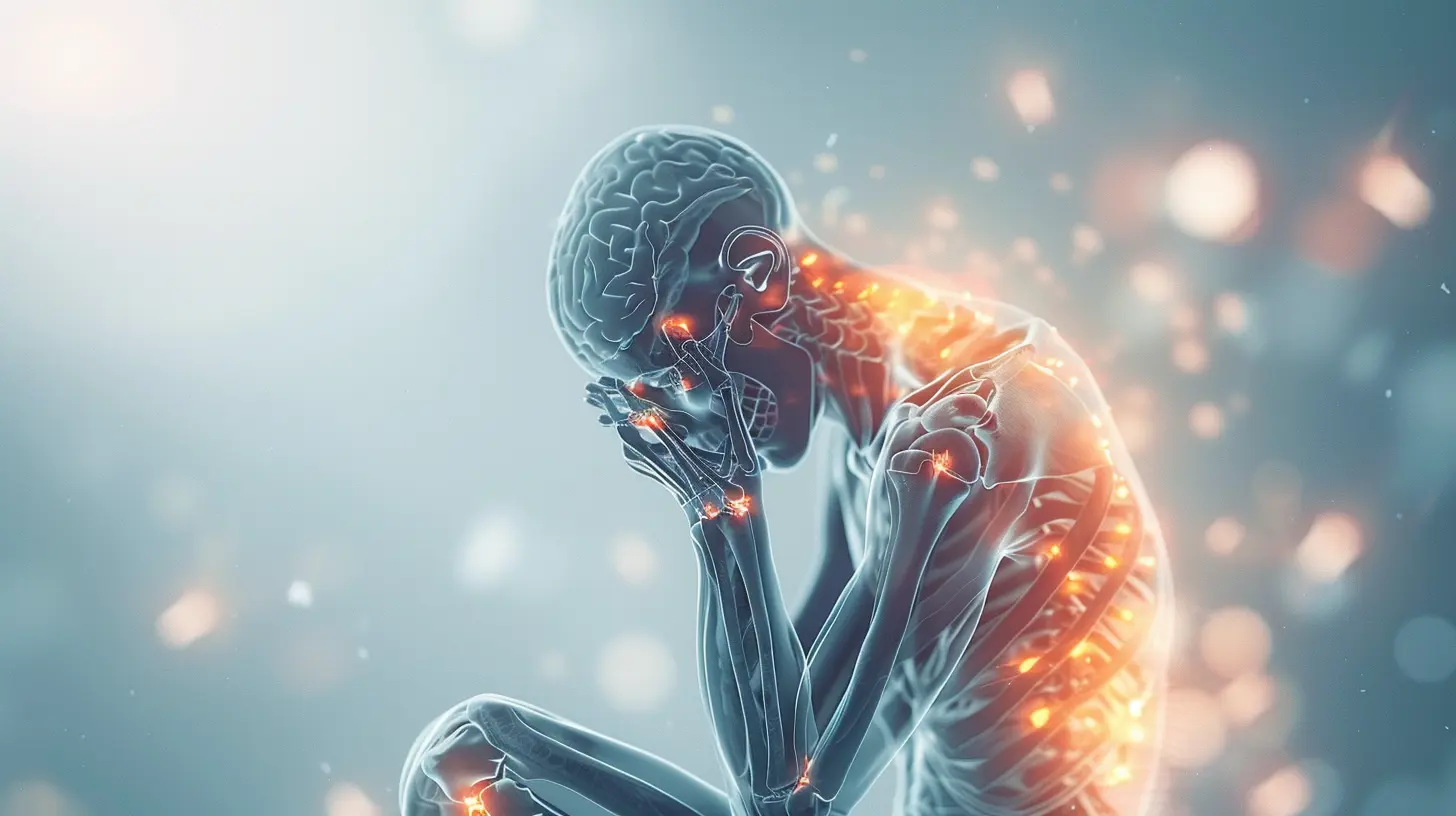
What Is Inflammation?
Inflammation is your body's built-in defense mechanism. When you get hurt or sick, your immune system kicks into action, sending white blood cells to the affected area. This response helps fight off infections and repair damaged tissue.There are two types of inflammation:
- Acute Inflammation – This happens when you cut your finger or catch a cold. Your body quickly sends reinforcements, and once the threat is gone, inflammation subsides.
- Chronic Inflammation – This is where things get messy. Instead of shutting down, your immune system stays active for months or even years, leading to ongoing pain and other health issues.
When inflammation becomes chronic, it can wreak havoc on your body, leading to conditions like arthritis, fibromyalgia, and even heart disease.

How Inflammation Contributes to Chronic Pain
So, how exactly does inflammation cause long-term pain? The answer lies in your nervous system.1. Inflammation Keeps Nerve Endings on High Alert
Your nerves are like your body’s alarm system. When you get injured, they send pain signals to your brain. But with chronic inflammation, these alarms don’t turn off. The constant presence of inflammatory chemicals, like cytokines and prostaglandins, makes your nerves hypersensitive, meaning even the slightest movement can feel unbearable.2. Inflammation Triggers Joint and Tissue Damage
Conditions like arthritis are a classic example. In rheumatoid arthritis, your immune system mistakenly attacks your joints, causing swelling, stiffness, and long-term damage. Over time, the persistent inflammation erodes cartilage and tissues, making movement more painful.3. Inflammation Lowers Your Pain Threshold
Ever notice how when you have the flu, everything hurts more? That’s inflammation making your pain receptors extra sensitive. When your body is in a chronic inflammatory state, everyday aches feel amplified because your nervous system is overreacting.4. Inflammation Slows Down Healing
Pain should ideally lessen as your body heals. But with chronic inflammation, your body's healing process is stuck in slow motion. Damaged tissues don’t get the chance to fully recover, keeping the pain cycle going.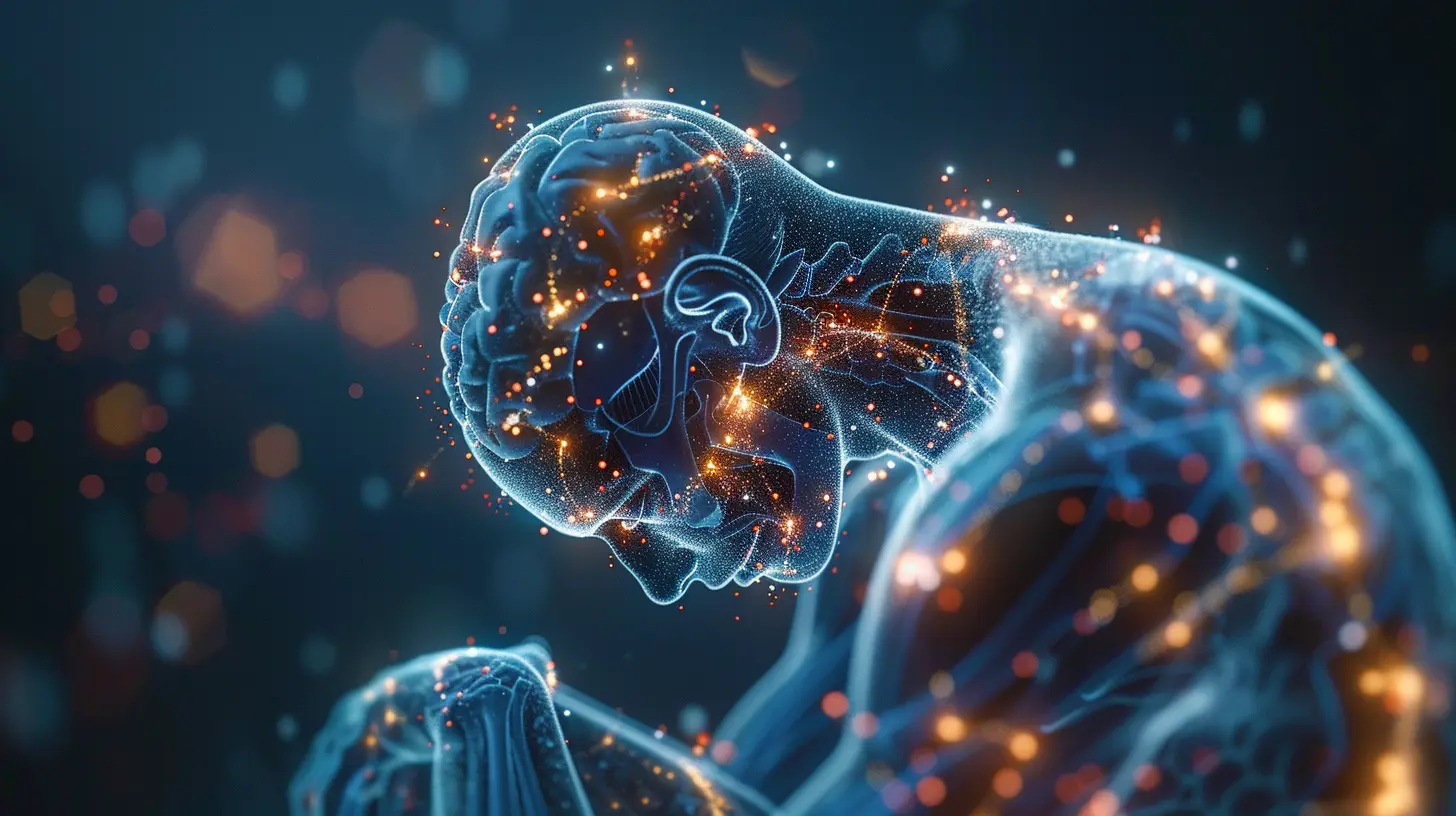
Common Conditions Linked to Chronic Inflammation and Pain
1. Arthritis
Both osteoarthritis and rheumatoid arthritis involve inflammation. While osteoarthritis results from wear and tear, rheumatoid arthritis is an autoimmune condition where the immune system attacks its tissues, leading to widespread inflammation and pain.2. Fibromyalgia
Though the exact cause of fibromyalgia remains a mystery, research suggests that inflammation plays a role. Elevated levels of inflammatory markers have been found in people with fibromyalgia, which may explain their heightened sensitivity to pain.3. Back Pain
Chronic low back pain is commonly linked to inflammation. Conditions like herniated discs, sciatica, and ankylosing spondylitis all involve inflammatory processes that contribute to ongoing discomfort.4. Migraines
Inflammation is increasingly being recognized as a trigger for migraines. Certain chemicals released during an inflammatory response can cause blood vessels in the brain to swell, leading to intense headaches.5. Autoimmune Diseases (Lupus, Crohn’s Disease, Multiple Sclerosis)
Many autoimmune diseases are fueled by chronic inflammation. The immune system mistakenly attacks healthy tissues, leading to persistent pain and other debilitating symptoms.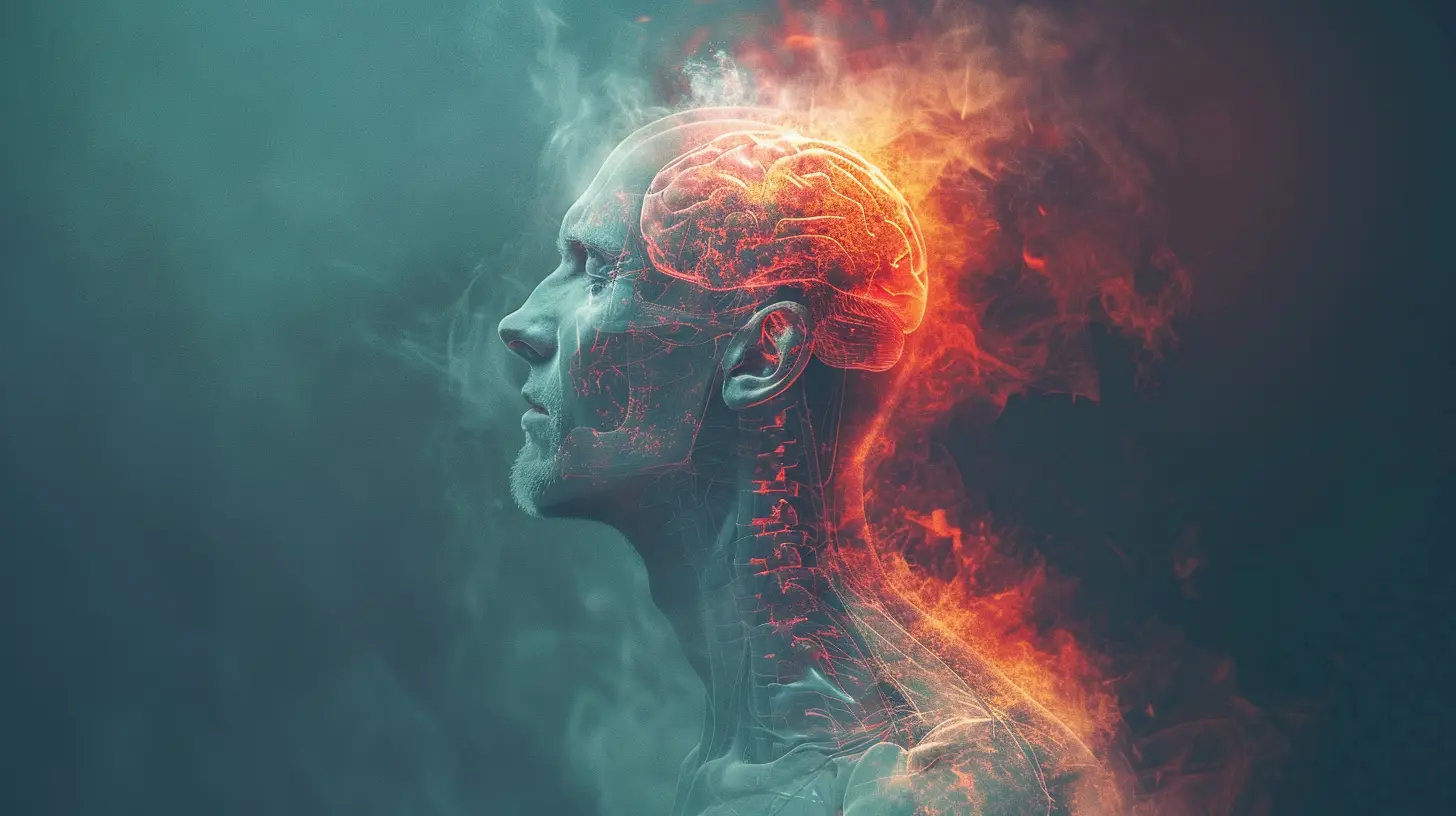
How to Reduce Inflammation and Manage Chronic Pain
If inflammation is keeping your pain levels high, what can you do about it? Thankfully, there are plenty of lifestyle changes and treatments that can help.1. Adopt an Anti-Inflammatory Diet
What you eat plays a huge role in inflammation. Some foods fuel inflammation, while others help calm it down.Foods That Increase Inflammation:
- Processed foods- Sugary drinks
- Fried foods
- Excessive red meat
- Refined carbs (white bread, pastries)
Anti-Inflammatory Foods to Focus On:
- Fatty fish (salmon, sardines)- Leafy greens (spinach, kale)
- Berries (blueberries, strawberries)
- Nuts (almonds, walnuts)
- Turmeric and ginger
By making simple swaps in your diet, you can help control inflammation and potentially reduce pain levels.
2. Stay Active, but Don’t Overdo It
Exercise might sound counterintuitive when you're in pain, but movement is crucial. Low-impact activities like swimming, yoga, and walking can help improve circulation, flush out inflammatory toxins, and keep joints flexible.However, high-intensity workouts may sometimes worsen inflammation, so finding the right balance is key.
3. Manage Stress Levels
Believe it or not, stress feeds inflammation. When you're constantly stressed, your body releases cortisol, which, in excess, can trigger inflammation and worsen pain.Some stress-reducing strategies include:
- Meditation or deep breathing
- Spending time in nature
- Quality sleep
- Engaging in hobbies
4. Prioritize Quality Sleep
Poor sleep and chronic pain go hand in hand. Your body repairs itself while you sleep, but if you’re tossing and turning all night, inflammation stays high.To optimize sleep:
- Stick to a consistent sleep schedule
- Avoid screens before bed
- Create a restful environment (dark, quiet, and cool)
5. Consider Natural Supplements
Certain supplements have been shown to help fight inflammation. Some of the most effective include:- Turmeric (curcumin) – A powerful anti-inflammatory compound
- Omega-3 fatty acids – Found in fish oil, great for joint pain
- CBD oil – May help reduce pain perception
- Magnesium – Helps relax muscles and ease nerve pain
Always consult a healthcare professional before adding new supplements to your routine.
6. Seek Medical Treatments if Needed
Sometimes, lifestyle changes alone aren’t enough. If chronic pain is significantly affecting your life, consider medical treatments such as:- Physical therapy – Helps improve mobility and reduce pain
- Anti-inflammatory medications – NSAIDs (like ibuprofen) can temporarily reduce pain
- Corticosteroid injections – Directly reduce inflammation in specific areas
- Alternative therapies – Acupuncture, chiropractic care, and massage therapy can provide relief
Final Thoughts
Chronic pain isn’t just about the discomfort—it’s about how it affects your quality of life. And if inflammation is the hidden driver of that pain, understanding how to manage it is crucial.By making small lifestyle changes—eating better, staying active, managing stress, and seeking proper treatment—you can take back control from inflammation and start feeling better. Your body is constantly communicating with you, and when it comes to pain, it’s asking for attention. Listen to it, take action, and don’t let inflammation dictate how you live your life.
all images in this post were generated using AI tools
Category:
Chronic PainAuthor:

Angelo McGillivray
Discussion
rate this article
2 comments
Courtney Pace
This article effectively highlights the crucial connection between inflammation and chronic pain, shedding light on the underlying mechanisms. Understanding this relationship can empower individuals to explore targeted treatments and lifestyle changes, ultimately enhancing pain management and improving overall quality of life. A must-read for those affected!
February 6, 2026 at 6:02 PM
Angelo McGillivray
Thank you for your insightful comment! I'm glad you found the article helpful in exploring the connection between inflammation and chronic pain. Your perspective on empowering individuals through understanding is truly important.
June Pratt
Thank you for this insightful article on the connection between inflammation and chronic pain. Your exploration of the underlying mechanisms is both enlightening and helpful for those struggling with these issues. I appreciate the practical tips provided for managing inflammation and improving overall well-being.
January 15, 2026 at 5:38 PM
Angelo McGillivray
Thank you for your kind words! I'm glad you found the article helpful and informative. Your feedback means a lot!