Why Fad Diets Fail in Maintaining Long-Term Weight Loss
24 August 2026
Losing weight is tough, but keeping it off? That’s even harder. If you've ever jumped on the latest diet trend, only to see the pounds creep back, you're not alone. Fad diets promise quick results—and often deliver—but at what cost? The reality is, most of them fail miserably when it comes to long-term weight loss.
So, why do these trendy diets fall short? And what actually works when it comes to keeping the weight off for good? Let’s dive in. 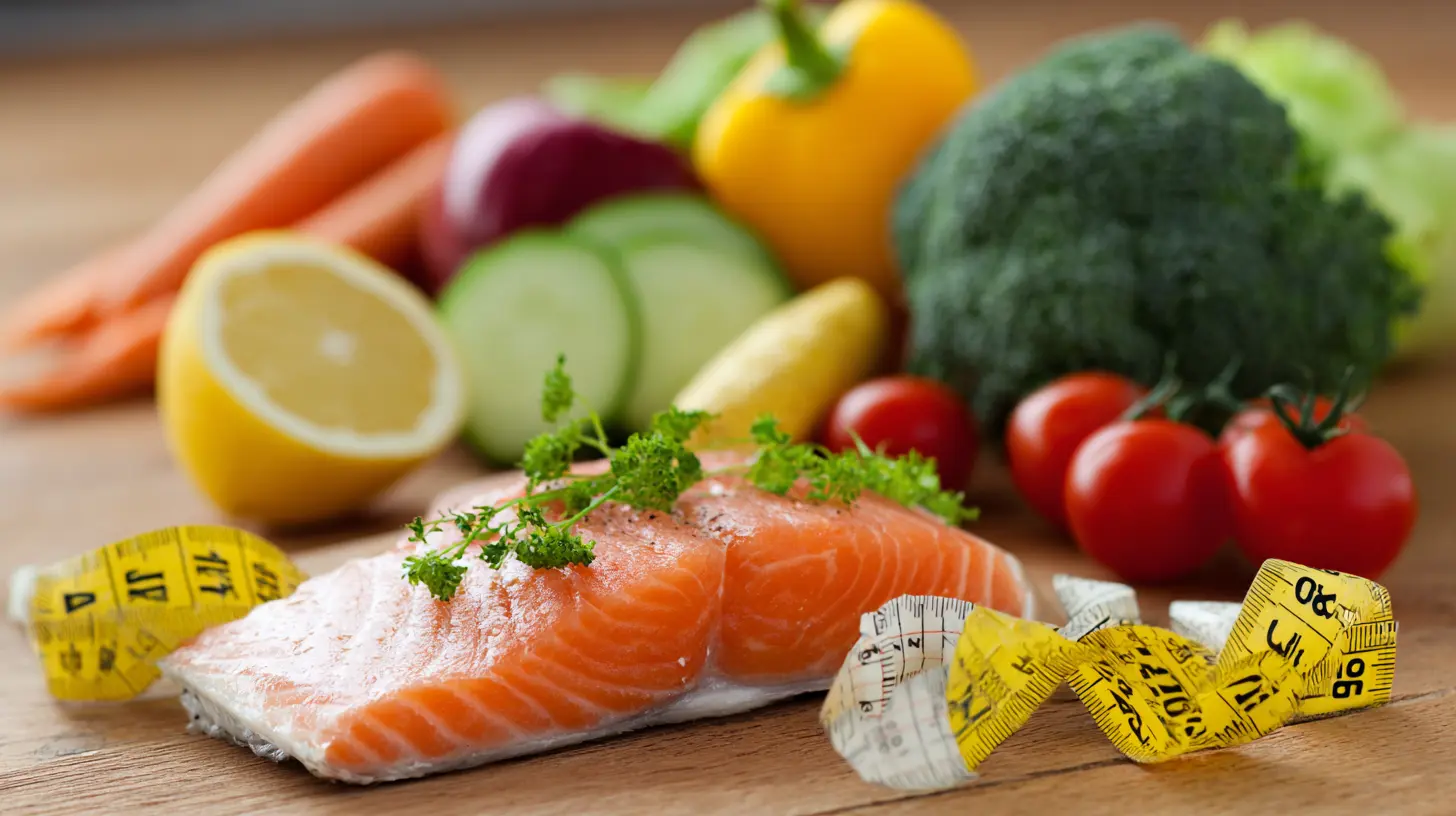
What Are Fad Diets?
Fad diets are those trendy, too-good-to-be-true eating plans that promise rapid weight loss in a short time. They often eliminate entire food groups, rely on extreme calorie restriction, or push miracle foods and supplements.Think of diets like keto, juice cleanses, the cabbage soup diet, or any plan that guarantees “lose 10 pounds in a week.” They sound tempting, right? But the problem is, these diets rarely lead to sustainable results. 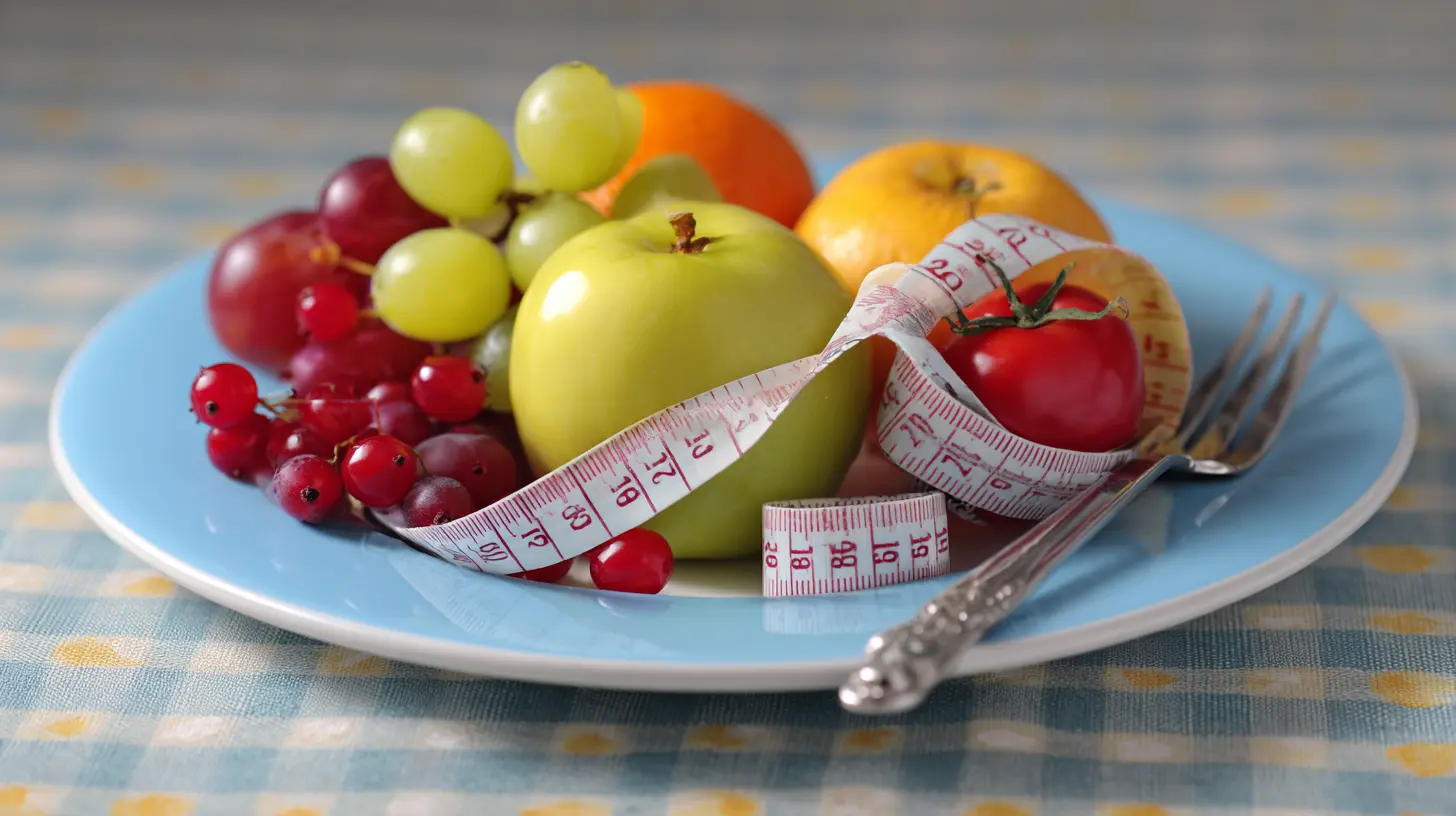
Why Do Fad Diets Fail?
So, what’s the deal? Why don't they work in the long run? Here are some of the biggest reasons fad diets fail in maintaining long-term weight loss.1. They’re Too Restrictive
Ever tried cutting out carbs entirely? Or lived off only green juices for days? Sure, you might drop a few pounds fast, but extreme restrictions aren’t realistic forever.When you deprive yourself of foods you love, cravings build up. Eventually, you’ll want that pizza or chocolate cake so badly that you’ll binge, undoing all your hard work. It’s a vicious cycle that most people can’t sustain.
2. They Cause Muscle Loss
When a diet forces you to eat way fewer calories than your body needs, you don’t just lose fat—you lose muscle too. And that’s bad news.Muscle plays a key role in keeping your metabolism strong. The less muscle you have, the fewer calories your body burns at rest. So, when you return to normal eating, your body burns fewer calories than before, making weight regain almost inevitable.
3. They Slow Down Your Metabolism
Fad diets often lead to drastic weight loss, but your metabolism hates that. When you eat too little for too long, your body goes into "starvation mode" and slows down your metabolism to conserve energy.That means when you go back to eating normally, your body holds onto every calorie—often leading to fast weight gain. In some cases, you might even end up weighing more than when you started!
4. They Don’t Teach Healthy Habits
Imagine trying to survive on cabbage soup or meal-replacement shakes for the rest of your life. Sounds miserable, right?Fad diets don’t teach you how to build healthy, sustainable eating habits. They focus on quick fixes rather than helping you develop lifelong strategies for maintaining a balanced diet. Once the diet is over, you're back to square one, with little idea of how to maintain your progress.
5. They Mess with Your Hormones
Your body runs on hormones that control hunger, metabolism, and fat storage. When you put it through drastic dieting, those hormones get thrown out of whack.For example, extreme calorie restriction increases ghrelin (the hunger hormone) while reducing leptin (the hormone that tells you when you’re full). This leads to intense cravings and uncontrollable hunger—making it nearly impossible to stick to the diet long-term.
6. They Can Lead to Emotional Eating and Bingeing
Ever been on a super strict diet, only to “cheat” and then eat everything in sight? That’s what happens when we deprive ourselves too much.Fad diets create an unhealthy relationship with food. You start seeing foods as “good” or “bad,” and when you slip up, guilt sets in. This can trigger emotional eating or binge-eating episodes, making weight management even harder.
7. They’re Not Sustainable for Everyday Life
Let’s be real—life happens. We have family gatherings, birthdays, vacations, and stressful workdays. You can’t stick to a rigid diet forever.Fad diets often require unrealistic rules that don’t fit into normal day-to-day life. When a diet becomes too hard to follow, chances are, you’ll quit and go back to old habits. 
What Actually Works for Long-Term Weight Loss?
If fad diets don’t work, what does? The key to long-term success isn’t about quick fixes—it’s about sustainability. Here are some tried-and-true strategies that actually help in keeping the weight off for good.1. Focus on Balanced Eating
Instead of eliminating food groups, aim for a balanced diet filled with lean proteins, healthy fats, fiber-rich carbs, and plenty of fruits and vegetables. Moderation is key—there’s no need to swear off your favorite foods forever.2. Prioritize Protein and Fiber
Protein helps maintain muscle and keeps you full, while fiber aids digestion and keeps hunger in check. Focus on sources like eggs, chicken, beans, whole grains, and nuts for long-lasting energy.3. Make Small, Sustainable Changes
Instead of overhauling your diet overnight, start with small, manageable changes. Swap soda for water, add an extra serving of veggies to meals, or cut back on processed snacks. These little tweaks add up over time.4. Stay Active, But Find Something You Enjoy
Exercise shouldn’t feel like punishment. Whether it’s dancing, hiking, weightlifting, or yoga—find something you genuinely enjoy. Moving your body regularly helps maintain weight loss and supports overall health.5. Listen to Your Body
Instead of following strict diet rules, learn to tune into your hunger and fullness cues. Eat when you're hungry, stop when you're satisfied, and don’t beat yourself up for enjoying treats in moderation.6. Stay Consistent, Not Perfect
The key to long-term success isn’t perfection—it’s consistency. Life will have ups and downs, but staying committed to healthy habits (even when you slip up) is what truly makes the difference.
Final Thoughts
Fad diets might give you quick results, but they’re just temporary fixes. They’re often too restrictive, damage your metabolism, and don’t teach you how to maintain a healthy lifestyle.Instead of chasing the next big diet trend, focus on making small, sustainable changes that you can stick with for life. Long-term weight loss isn’t about depriving yourself—it’s about building habits that support a healthy, happy you.
So, if you’re tired of the endless yo-yo dieting cycle, ditch the fads and start embracing a balanced approach. Your body (and mind) will thank you for it.
all images in this post were generated using AI tools
Category:
Weight MaintenanceAuthor:

Angelo McGillivray
Discussion
rate this article
1 comments
Monique Green
Fad diets often promise quick results but fail in the long run. Sustainable weight loss comes from balanced eating and healthy lifestyle changes, not quick fixes.
August 25, 2026 at 3:33 PM
Angelo McGillivray
You make an excellent point. Lasting change comes from healthy habits, not short-term fixes.