Your Ultimate Guide to Cold and Flu Prevention This Season
12 October 2026
Every year, as the temperature drops and people spend more time indoors, the same question resurfaces: how do I keep from getting sick? The common cold and influenza are not just inconveniences. They disrupt work, strain families, and for some people, they can become genuinely dangerous. Yet the advice most of us hear is recycled and vague. Wash your hands. Get some rest. Take your vitamins. That advice is not wrong, but it is incomplete.
Prevention works best when you understand the mechanics behind it. Viruses do not float around randomly waiting to attack whoever is unlucky. They follow predictable routes, exploit specific weaknesses, and succeed or fail based on conditions you can influence. This guide breaks down those mechanics and gives you a practical, evidence-informed strategy for staying well.
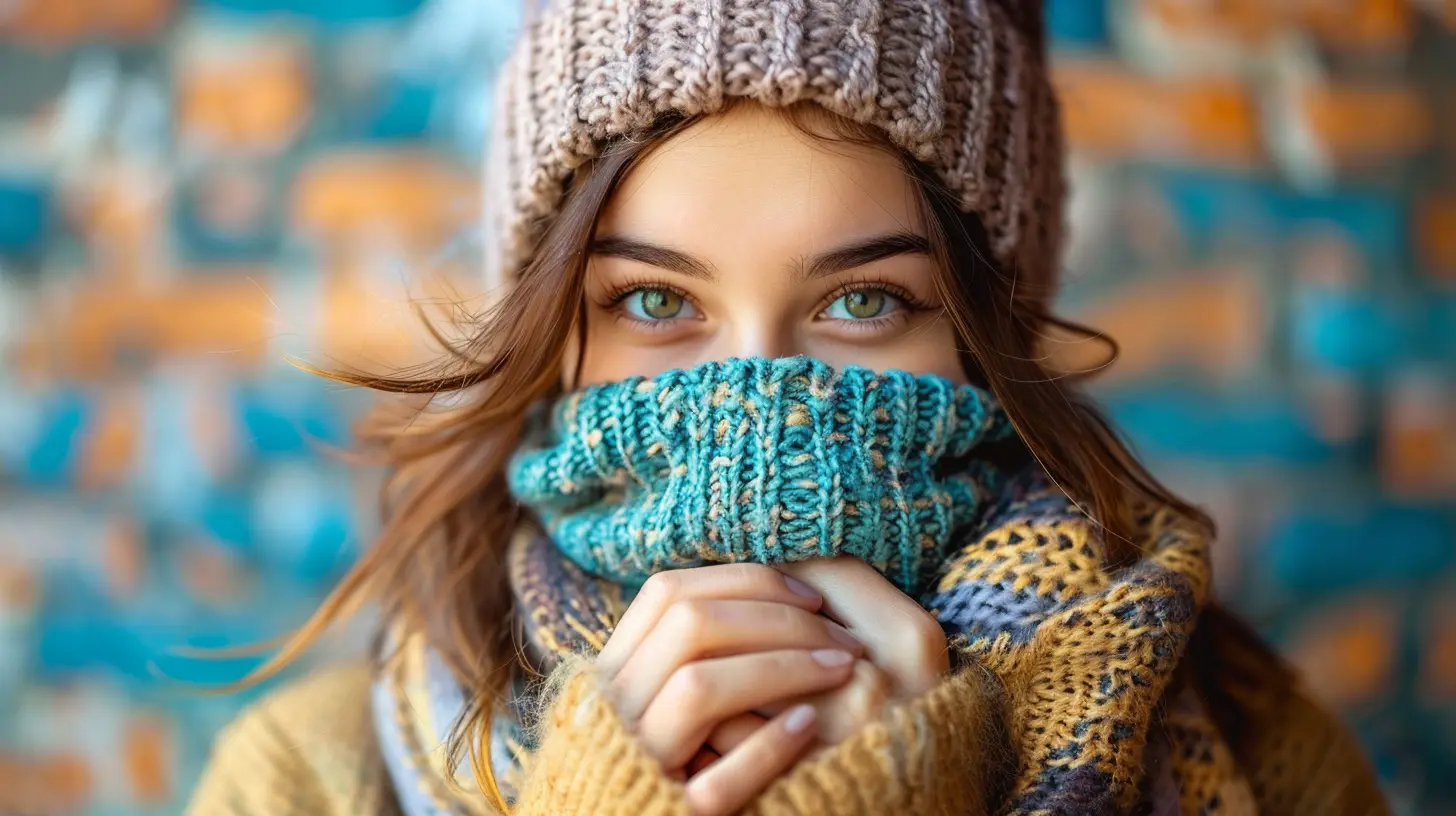
How Cold and Flu Viruses Actually Spread
Before you can block transmission, you need to know what you are blocking. Respiratory viruses spread through three main routes, and understanding the differences matters because each route demands a different defense.The first route is direct contact. If someone with a cold touches their nose and then a doorknob, and you touch that same doorknob and then rub your eye, the virus has found a new host. This is why hand hygiene has remained the cornerstone of prevention advice for decades. It is not glamorous, but it works because it interrupts a real and common pathway.
The second route is droplets. When a sick person coughs or sneezes, they launch a spray of larger particles that travel roughly three to six feet before gravity pulls them down. These droplets can land on your face or in your mouth. This is why distancing matters, and why a sneeze is not just a polite inconvenience.
The third route is airborne transmission, which has received far more attention in recent years. Smaller particles, called aerosols, can remain suspended in the air for minutes to hours and travel well beyond six feet, especially in poorly ventilated indoor spaces. Influenza and cold viruses can spread this way, though the extent varies by virus and conditions.
Here is the practical takeaway: you are not defending against a single threat. You are defending against multiple pathways at once. A strategy that only addresses one route, like wiping down surfaces, leaves the others wide open.

Why Some People Get Sick More Often
Two people can share an office, breathe the same air, and one gets sick while the other does not. Why?Part of the answer is exposure dose. The amount of virus you take in matters. A tiny exposure might be cleared by your immune system before it gains a foothold. A large exposure overwhelms those early defenses. This is why a healthcare worker in a crowded clinic faces different odds than someone working from home.
Part of the answer is immune status. Sleep deprivation, chronic stress, poor nutrition, and certain medical conditions weaken your defenses. A person running on five hours of sleep a night is not just tired. Their immune response is measurably compromised.
Part of the answer is prior immunity. If you have been infected with or vaccinated against a similar strain, your body recognizes it faster and mounts a stronger response. This is why immunity is not all-or-nothing. It is a spectrum.
Understanding these variables helps you stop thinking of illness as bad luck and start thinking of it as a risk you can manage.
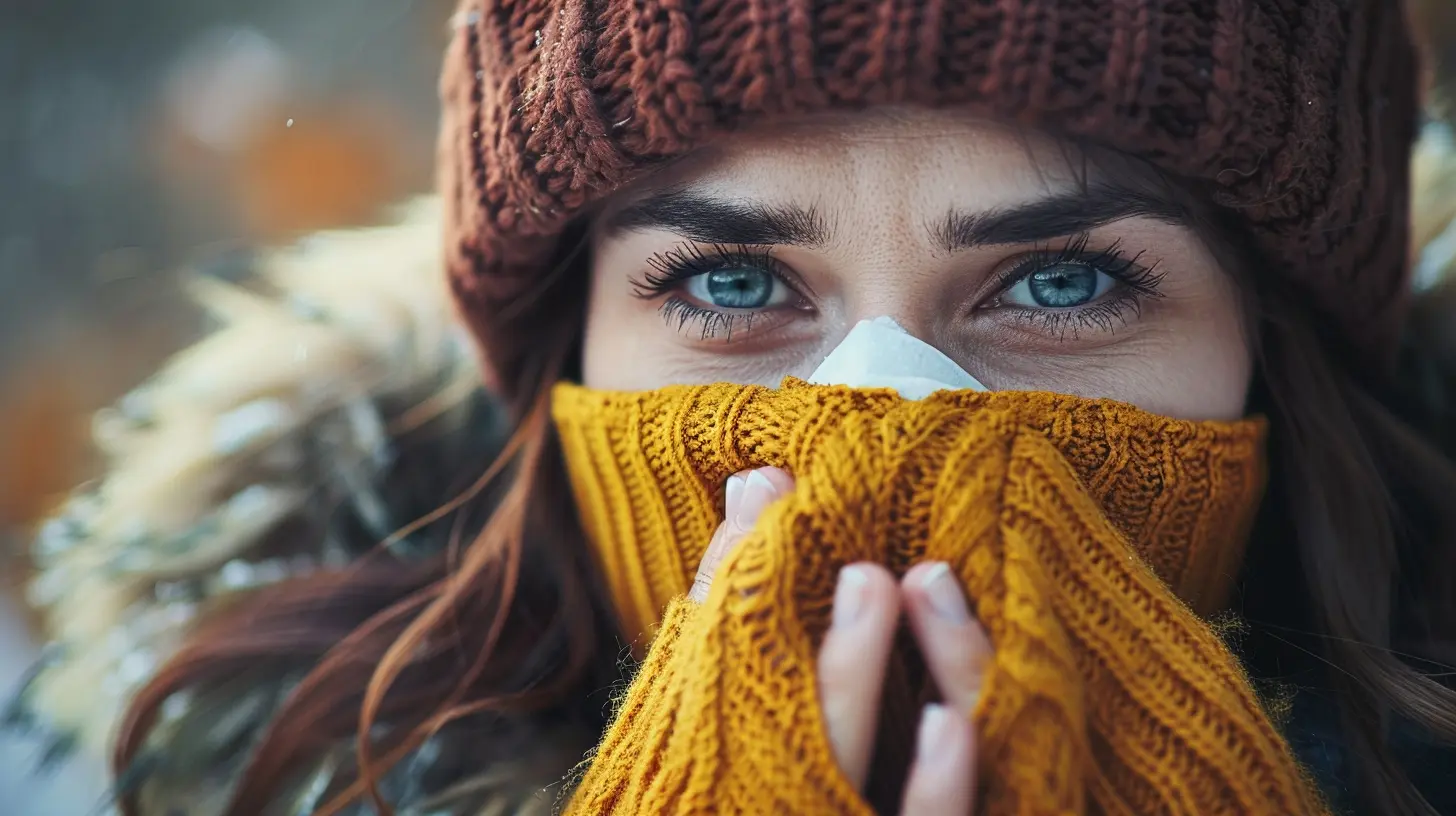
Hand Hygiene: Doing It Right Matters More Than Doing It Often
Most people wash their hands incorrectly. They run them under water for five seconds, skip the soap, and dry them on a shared towel. That routine removes some germs but misses the point.Soap works by breaking down the fatty outer layer of viruses and lifting them off your skin so water can rinse them away. The mechanical action of rubbing matters as much as the soap itself. Twenty seconds of thorough washing, including between fingers and under nails, is the standard for a reason.
Hand sanitizer is a useful backup, not a replacement. It works well on many viruses but struggles with certain types, and it does not remove dirt or chemical residue. Use it when soap and water are unavailable, and choose one with at least 60 percent alcohol.
When should you wash? Before eating, after using the restroom, after being in public spaces, after caring for a sick person, and whenever you touch your face. That last one is harder than it sounds. People touch their faces dozens of times a day, often without noticing. Building awareness of this habit is one of the most underrated prevention skills.
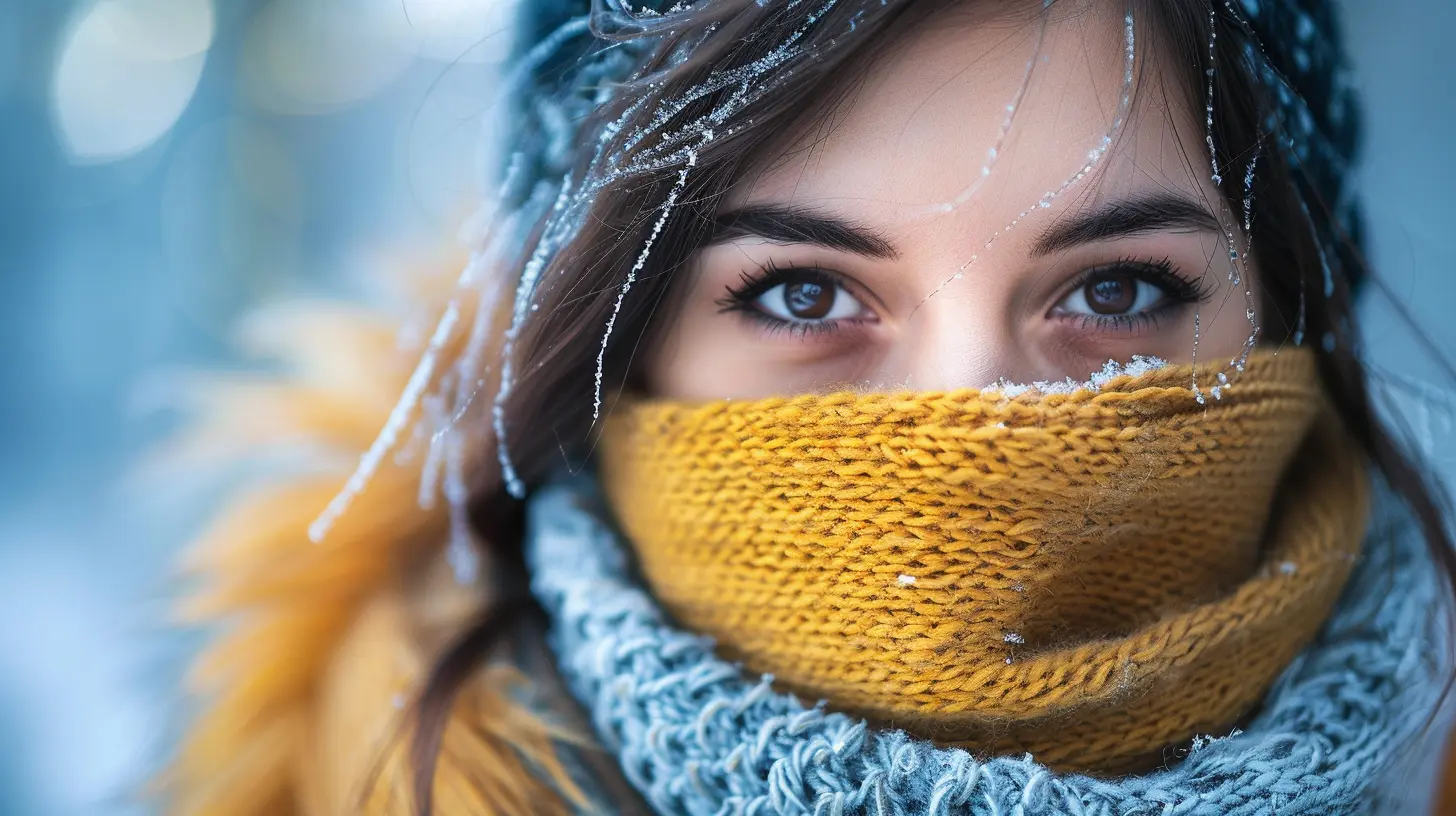
Masks and Respiratory Etiquette
Masks became a polarizing topic, but the underlying science is straightforward. A well-fitting mask reduces the number of infectious particles you release and, depending on the type, the number you inhale. The key phrase is well-fitting. A loose cloth covering that gaps at the sides offers limited protection.If you are sick, wearing a mask around others is a considerate and effective way to reduce spread. If you are healthy and in a high-risk setting, like a crowded clinic or an airplane, a higher-filtration mask can lower your exposure.
Respiratory etiquette complements masks. Cough or sneeze into your elbow or a tissue, not your hands. Dispose of tissues immediately. This simple habit prevents your hands from becoming vehicles of transmission.
Ventilation and Air Quality: The Overlooked Defense
If airborne transmission plays a role, then the air you breathe indoors deserves serious attention. Most homes and offices recycle the same air with minimal fresh exchange. In winter, windows stay shut, and viral particles accumulate.Improving ventilation does not require a major renovation. Opening a window for ten minutes a few times a day can dramatically reduce indoor particle concentrations. Using exhaust fans in kitchens and bathrooms helps. Portable air purifiers with HEPA filters can capture airborne particles, though their effectiveness depends on room size and placement.
Humidity also matters. Cold outdoor air holds little moisture, and heated indoor air is often dry. Dry air can impair the mucus membranes in your nose and throat that trap and clear viruses. Maintaining indoor humidity between 40 and 60 percent supports those natural defenses. A simple hygrometer can tell you where you stand.
Sleep: Your Immune System's Night Shift
If there is one intervention with an outsized effect on immune function, it is sleep. During deep sleep, your body releases cytokines, proteins that help regulate the immune response. Chronic sleep deprivation reduces the production of these defenders and impairs the ability of immune cells to do their jobs.The research here is consistent. People who sleep fewer than six hours a night are more likely to catch colds when exposed to viruses than those who sleep seven to nine hours. The effect is not subtle.
What can you do? Keep a consistent sleep schedule, even on weekends. Dim screens an hour before bed. Keep your bedroom cool and dark. Avoid caffeine after early afternoon. These are not exotic tips, but they are the foundation. No supplement compensates for chronic sleep debt.
Nutrition and Hydration: Support, Not Magic
The supplement industry sells certainty. The reality is more modest. No pill prevents colds outright, but certain nutrients support immune function, and deficiencies make you more vulnerable.Vitamin C is the most studied. For most people, regular supplementation does not prevent colds, but it may slightly shorten their duration. Vitamin D plays a role in immune regulation, and low levels are common in winter, especially in regions with limited sunlight. Correcting a deficiency is worthwhile. Zinc lozenges may reduce cold duration if taken early, but they can cause nausea and interact with other medications.
The bigger picture is diet quality. A diet rich in fruits, vegetables, whole grains, and lean proteins provides the range of nutrients your immune system needs. Hydration matters too. Mucus membranes function best when you are well hydrated, and water is the simplest choice.
Be wary of mega-doses. More is not better, and some vitamins can be harmful in excess. If you are considering supplements, especially at high doses, talk to a healthcare provider.
Stress: The Quiet Immune Suppressor
Chronic stress raises cortisol, a hormone that, when elevated over long periods, suppresses immune function. This is not a metaphor. It is physiology. People under sustained stress get sick more often and recover more slowly.Managing stress is easier said than done, but small changes add up. Regular physical activity, even a daily walk, lowers stress hormones. Breathing exercises take minutes and have measurable effects. Social connection, contrary to the instinct to isolate when busy, supports resilience.
The goal is not to eliminate stress. It is to prevent it from becoming chronic and unmanaged.
Vaccination: Matching the Tool to the Threat
Influenza vaccination remains the most targeted defense against the flu specifically. Because flu viruses mutate, the vaccine is updated annually based on global surveillance. Its effectiveness varies year to year, but even partial protection reduces severe illness, hospitalization, and complications.There is no vaccine for the common cold because hundreds of different viruses cause it. That is why cold prevention relies on the behavioral and environmental strategies described throughout this guide.
A common misconception is that the flu vaccine causes the flu. It cannot, because the viruses in the vaccine are inactivated or weakened. Some people experience mild soreness or a low fever as their immune system responds, but that is not influenza.
Common Mistakes and Misconceptions
Several myths persist and lead people astray.The first is that cold weather causes colds. Cold weather correlates with cold season because it drives people indoors, where transmission is easier, and because dry air impairs nasal defenses. The temperature itself is not the culprit.
The second is that antibiotics help. Antibiotics treat bacteria, not viruses. Taking them for a cold or flu does nothing except contribute to antibiotic resistance and expose you to side effects.
The third is that you can "boost" your immune system with a single product. The immune system is complex and interconnected. No single food or supplement transforms it overnight. Consistent habits matter far more.
The fourth is that if you feel fine, you are not contagious. People can spread viruses before symptoms appear, which is one reason outbreaks are hard to contain.
Putting It All Together: A Practical Daily Framework
Knowledge without action changes nothing. Here is how to translate this into a routine.Start your day with adequate hydration and a nutritious breakfast. Prioritize seven to nine hours of sleep. Wash your hands before meals and after public outings. Keep your indoor spaces ventilated. Manage stress through movement and connection. Stay current on recommended vaccines.
If you do get sick, stay home. Rest, hydrate, and avoid exposing others. Monitor symptoms, and seek medical care if they worsen or persist.
When to Seek Medical Attention
Most colds and flu resolve on their own within one to two weeks. However, certain signs warrant professional care: difficulty breathing, chest pain, persistent high fever, severe headache, confusion, or symptoms that improve and then worsen. People with chronic conditions, older adults, pregnant individuals, and young children face higher risk and should consult a provider early.Final Thoughts
Prevention is not about perfection. It is about stacking small, evidence-based habits that collectively reduce your risk. No single action guarantees you will avoid every cold or flu, but a consistent, layered approach tilts the odds in your favor. You are not helpless against the season. You are equipped.
all images in this post were generated using AI tools
Category:
Cold And Flu PreventionAuthor:

Angelo McGillivray
Discussion
rate this article
1 comments
Anisa McPhail
This guide is super helpful for staying healthy during cold and flu season. The tips are straightforward and easy to follow. I appreciate the emphasis on hand hygiene and the importance of getting vaccinated. It's a reminder we all need right now.
October 12, 2026 at 2:49 AM