Stop asking if AI is good for medicine
August 6, 2026 - 10:04

The question of whether artificial intelligence is good for medicine has become a tired debate. It is the wrong question. AI is not a single thing. It is a collection of tools, each with different strengths, limits, and failure modes. Asking if AI is good for medicine is like asking if electricity is good for surgery. It depends entirely on where you plug it in.
The real issue is that broad, sweeping statements about AI are slowing down the adoption of tools that actually work. When people argue about AI in the abstract, they miss the practical details. A deep learning model that reads chest X-rays for collapsed lungs is not the same as a chatbot that gives discharge instructions. One might be ready for prime time, the other might still be dangerous. But both get lumped into the same conversation, and that confusion hurts patients.
Clinicians do not need more hype or more fear. They need clear evidence about specific use cases. For example, algorithms that flag abnormal heart rhythms in ICU monitors have been shown to reduce response times. Similarly, tools that help radiologists prioritize urgent scans can cut down delays. These are narrow, measurable wins. They do not require AI to be a genius. They just require it to be consistent and well-integrated into existing workflows.
The problem is that hospitals and regulators often wait for perfect answers to broad questions before moving forward. They ask, "Is AI safe?" when they should be asking, "Is this AI safe for this task, with this patient population, in this setting?" That shift in focus would speed up approvals and reduce wasted investments.
So the next time someone asks if AI is good for medicine, push back. Ask them which AI, for which problem, and with what safeguards. That is the only conversation worth having.
MORE NEWS
September 20, 2026 - 01:18
Screen Time and Eyelid Health Play a Role in Dry Eye RiskRising rates of dry eye are not simply a matter of people staring at screens for too long. According to Ashraf Ahmad, MD, the condition involves a mix of modern habits and physical factors that...

September 19, 2026 - 11:02
Avalanche news: Gabriel Landeskog's health update will excite fansThe Colorado Avalanche received a significant boost last season when Gabriel Landeskog returned to full-time action. The captain had been sidelined for two full seasons due to persistent knee...
September 18, 2026 - 19:24
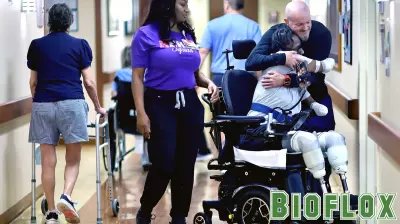
Rehab Reunion Brings Former Patients and Caregivers TogetherDozens of people gathered at a hospital in Hollywood, Florida this week for a reunion that highlighted the bond between patients and the staff who helped them recover. The event took place at...

September 18, 2026 - 10:07
Oklahoma Medicaid Expands Access to Opioid Use Disorder MedicationOklahoma Medicaid recipients will have an easier time getting a long-acting medication used to treat opioid use disorder. The state Health Care Authority has removed prior authorization...